

French Art Deco Figure
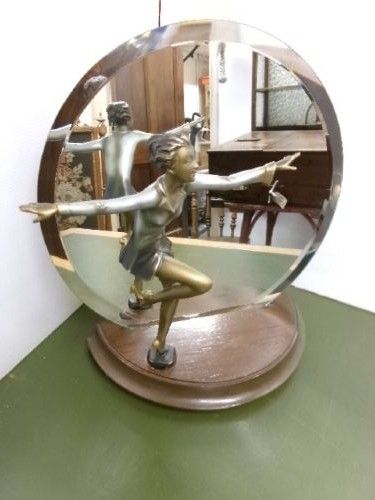
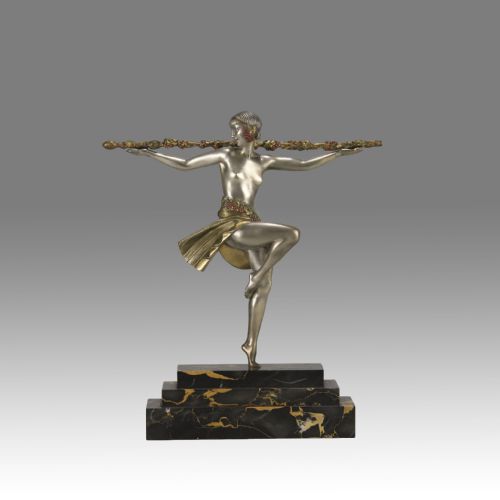
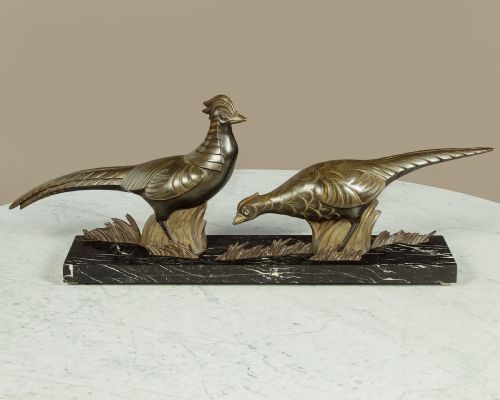
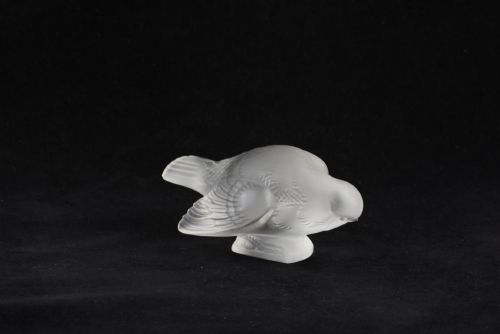
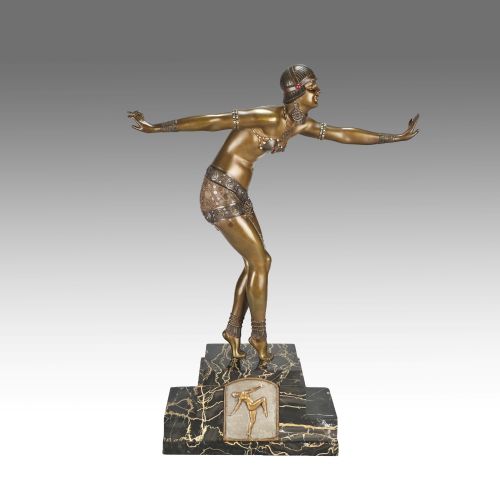
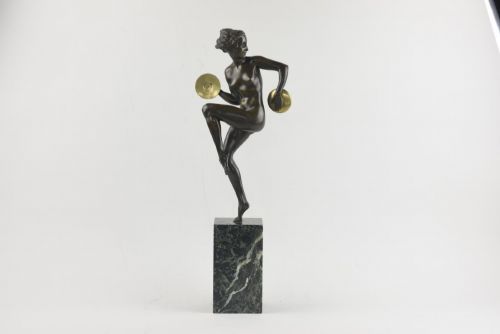
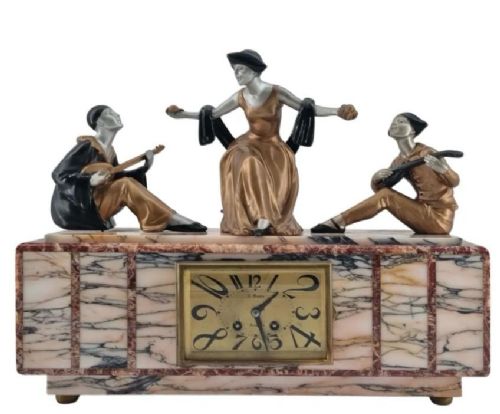
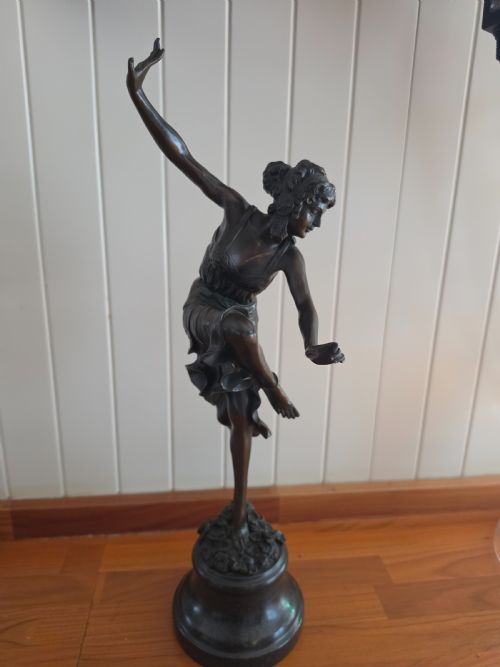
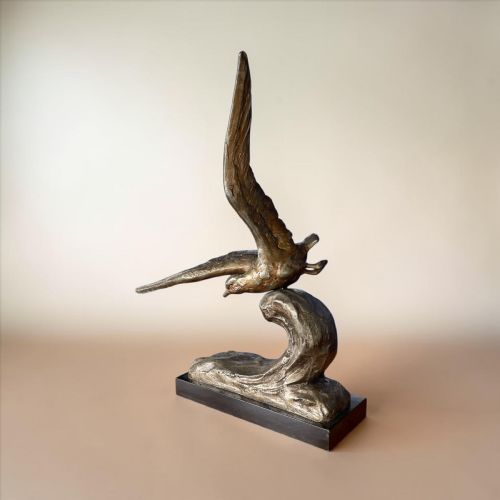
When seeking a french art deco figure, collectors encounter dynamic dancers, athletic youths and stylized animals cast in bronze, spelter and glass.
French Art Deco Figure
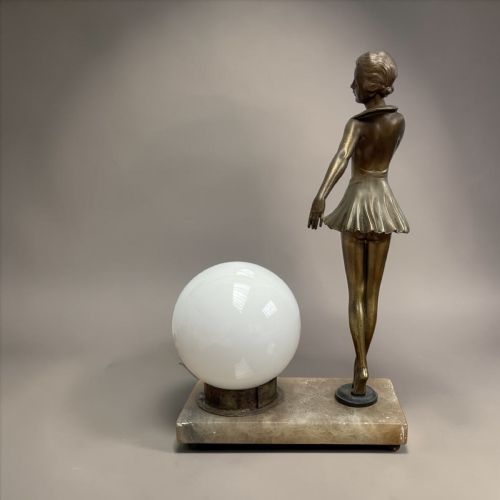
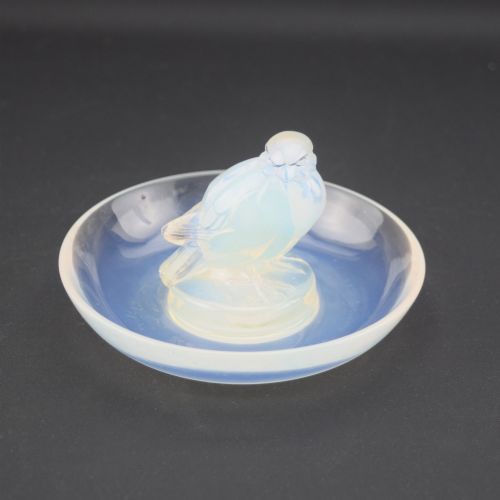
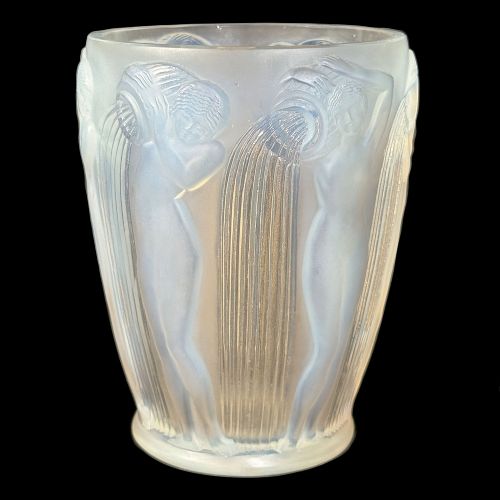
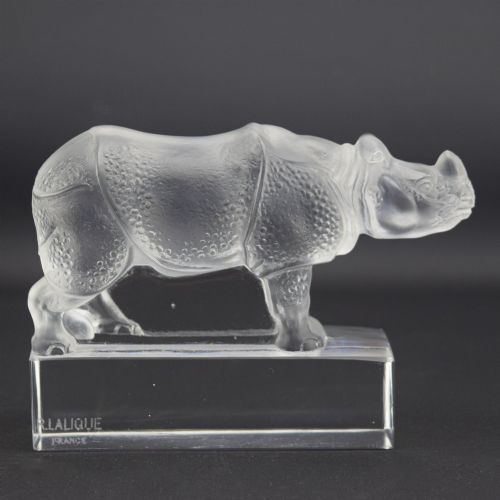
Beyond standalone sculptures, these figures appear integrated into functional objects such as table lamps, mantel clocks, ash trays, vases and paperweights. Materials range from cast bronze and spelter mounted on marble or onyx bases to moulded opalescent and frosted glass.
The diverse offerings draw from modernist, neoclassical and School of Paris aesthetics, reflecting the cosmopolitan artistic output of France during the interwar years.
How they were made
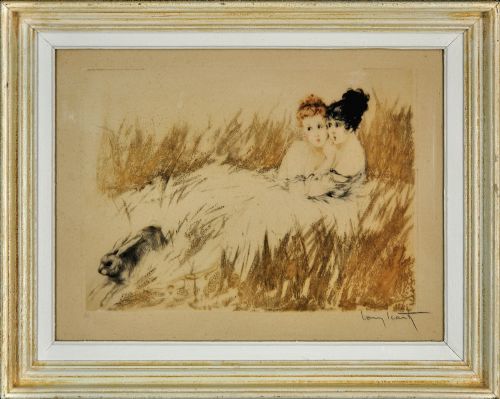
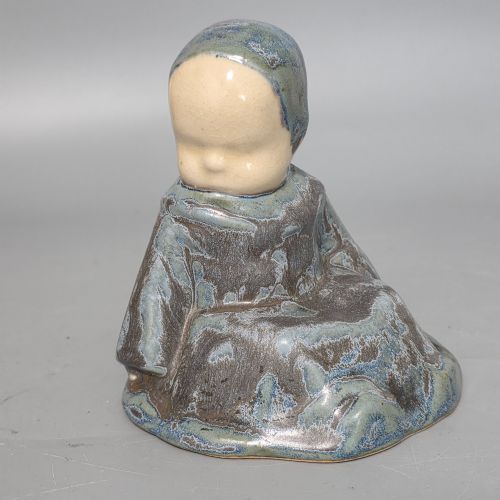
Glassworks utilised pressing and moulding techniques, often applying acid-staining, blue tints or opalescent finishes to accentuate sculptural reliefs on vases, figures and paperweights. Stoneware, carved wood, ceramic and hand-coloured etching represent additional mediums employed by period artisans.
French Art Deco Figure Retail Price Guide 2026
Typical asking prices for french art deco figure among the pieces listed under this phrase on Sellingantiques today, from the lower quarter to the upper quarter. They describe what is for sale here now, not the wider market.
The inventory records active periods from nineteen twenty to nineteen thirty, spanning the height of French modernist design.
What varies in quality
Quality rests in the crispness of the casting and the sensitivity of the chisel work applied to metal surfaces after removal from the mould. Master cast bronzes retain subtle anatomical details and facial expressions that lesser commercial castings lose.
The choice of base materials dictates a tier of luxury, separating heavy veined marble and fine onyx mounts from simple wooden or slate plinths. In glass production, depth of opalescence and clarity of mould seams distinguish premier studio pieces from mass-market output.
Pierre le Faguays·Demetre Chiparus·Rene Lalique·C J R Colinet·Maurice Guiraud Riviere·Paul Philippe
The French Art Deco Figure Glossary
- Spelter
- A zinc alloy commonly utilised as a less costly alternative to bronze during the interwar decades. It frequently received cold-painted or metallic patinated finishes to simulate more expensive metals.
- Chryselephantine
- A term describing sculptures combining metal with carved ivory or ivorine. This technique was frequently deployed for theatrical dancer figures.
- Opalescent glass
- Glass containing ingredients that create a milky, semi-translucent appearance with shifting blue and amber tones under light. It remains a defining medium for French decorative arts of the period.
- Gilt bronze
- Bronze treated with a fine layer of gold applied through mercury amalgamation or electroplating. This finish imparts a brilliant metallic sheen to sculptural details.
- Cold-painted
- A colouring technique where paint is applied to metal sculptures without heat firing. It allows for vibrant polychrome clothing on dancer and animal figures.
French Art Deco Figure: Frequently Asked Questions
What is a chryselephantine figure?
A chryselephantine sculpture combines cast metal, such as bronze or spelter, with carved ivory or ivorine sections representing flesh or garments. These pieces often depict theatrical performers and exotic dancers.
The materials required specialised workshops to join organic elements securely to metal armatures while maintaining delicate balance in movement.
How do bronze and spelter differ?
Bronze is a durable copper alloy valued for its strength and ability to accept rich patination over centuries. Spelter is a softer, zinc-based metal utilised for affordable decorative castings during the interwar years.
Weight and surface resonance typically help distinguish the two metals in hand.
Where were these sculptures displayed?
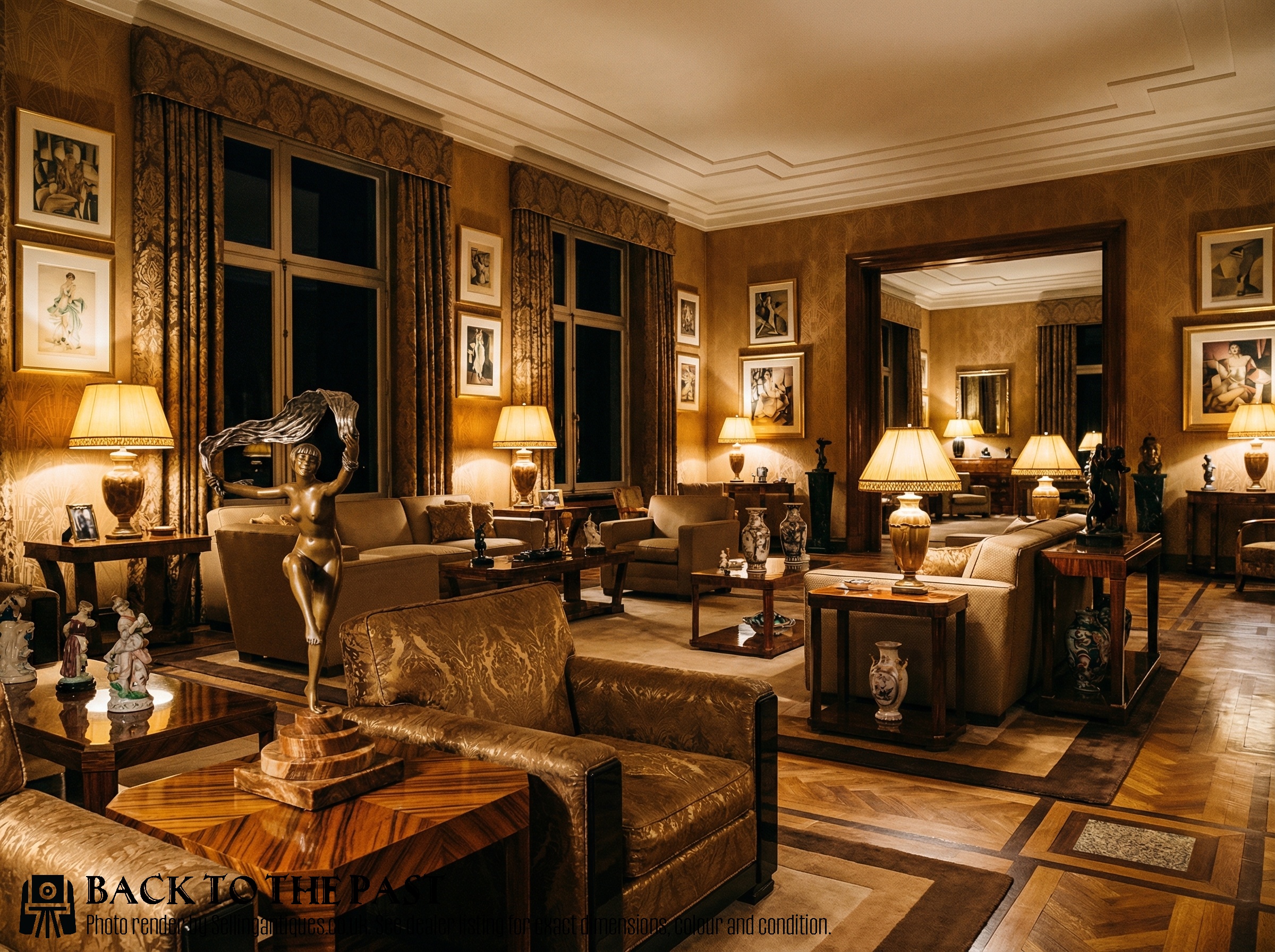
Period interiors incorporated these figures onto mantelpieces, side tables, desks and as matching garnitures alongside clocks. They served as focal points in urban apartments and salons.
Lighting fixtures also integrated figures directly into lamp bases, combining illumination with decorative sculpture.
How do I identify opalescent glass?
Opalescent glass displays a characteristic milky turbidity that shifts between blue and amber tones when backlit. Makers utilised this property to accentuate low-relief moulded designs on vases and figurines.
Handling reveals tactile moulded textures distinct from smooth blown vessels.