


Art Deco Animalier Bronze
An art deco animalier bronze brings dynamic twentieth-century wildlife into a room through confident metalwork and striking stone bases.
Art Deco Animalier Bronze
When you search for art deco animalier bronze, you are looking at sculptural representations of wildlife captured in the distinct modernist aesthetic of the early twentieth century. The pieces on this page span the 1920s, 1930s, and 1940s, alongside nineteenth-century works, reflecting the enduring popularity of naturalistic subjects rendered through a streamlined lens.
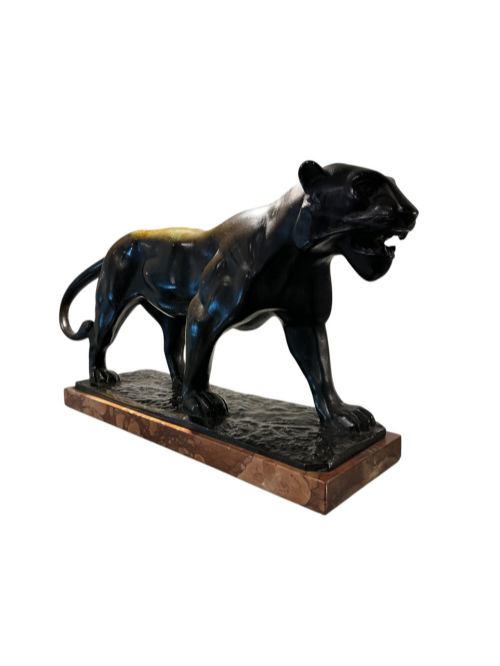
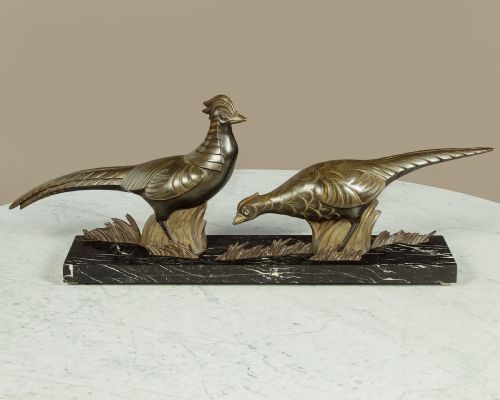
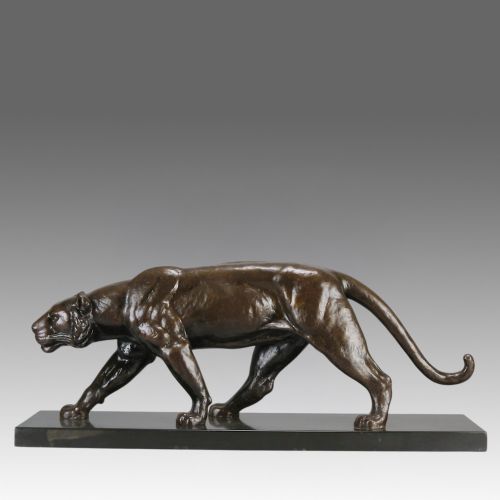
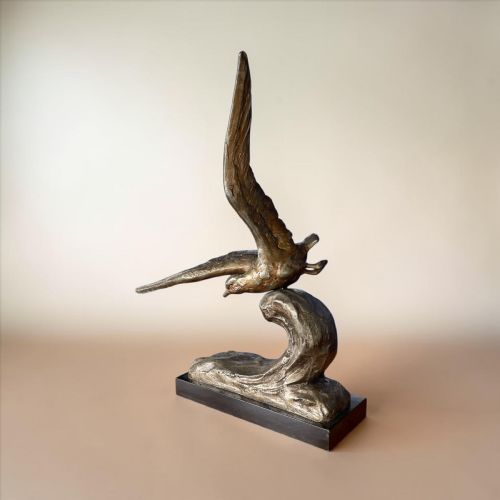
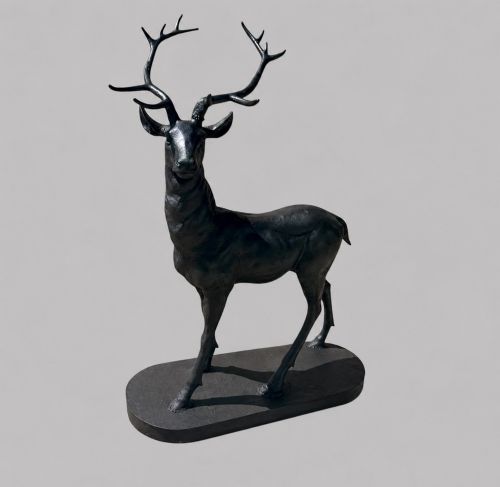
You will most frequently meet cats, hounds, stags, and birds depicted either in solitary power or paired as functional bookends. Large panthers, racing greyhounds, and golden pheasants dominate the forms, frequently mounted upon contrasting polished plinths.
The objects originate primarily from French studios and international makers working within the prevailing artistic vocabulary of the period. These sculptures capture tension, motion, and repose with equal measure, translating the muscular grace of animals into solid metal.
Materials and Construction
The primary medium of these sculptures is bronze, often enhanced through patination, silvering, or gilding to accentuate surface detail and texture. Alternative metals such as spelter and nickel bronze also appear, offering varied weights and finishes across the figures.
Many sculptures incorporate substantial bases made from marble and onyx, grounding the metallic subjects in heavy, polished stone. The combination of patinated metal and veined marble defines the physical structure of these works.
Art Deco Animalier Bronze Retail Price Guide 2026
Typical asking prices for art deco animalier bronze among the pieces listed under this phrase on Sellingantiques today, from the lower quarter to the upper quarter. They describe what is for sale here now, not the wider market.
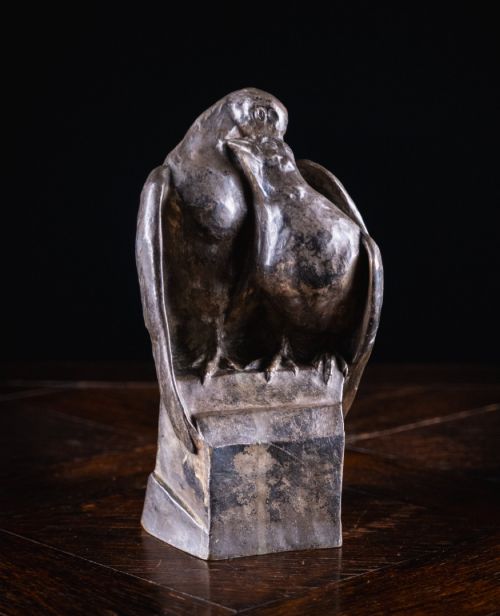
Avian subjects feature prominently, including golden pheasants, albatrosses, lovebirds, and pigeons captured resting on branches or stone.
Distinctions in Quality
The refinement of the casting and the crispness of the chisel work separate standard foundry output from superior sculptural examples. Finer pieces demonstrate careful attention to anatomical detail, fur texture, and feather formation without losing the bold simplification characteristic of the period.
The choice and execution of the base material also influence the standing of a piece. Dense, well-polished marble and onyx plinths that complement the proportions of the metal figure indicate superior workshop standards.
Alexandre Ouline·C Omin·C Masson·Karl Hagenauer·Michel Decoux·P Marec·I Rochard·Chiparus
The Art Deco Animalier Bronze Glossary
- Spelter
- A zinc alloy frequently used as a cost-effective alternative to bronze during the period. It accepts patination well but possesses a lighter weight than copper-based metals.
- Patina
- The surface coloration and sheen developed naturally over time or applied chemically by the foundry. It accentuates the contours and depth of the metal figure.
- Onyx
- A banded variety of chalcedony used frequently for sculptural bases. Its translucent quality provides a luxurious contrast to opaque patinated metals.
Art Deco Animalier Bronze: Frequently Asked Questions
What is an animalier bronze?
An animalier bronze is a metal sculpture dedicated to portraying animals in realistic or stylized poses. These works capture creatures in motion or repose, reflecting the natural world through the artistic lens of their time.
In the context of the twentieth century, this tradition merged with modernist design to produce sleek, geometric interpretations of wildlife.
How were these sculptures displayed originally?
These pieces served primarily as decorative table sculptures or functional objects such as bookends on libraries and desks. Their heavy stone bases allowed them to anchor heavy volumes while displaying sculptural art.
Owners placed them in prominent interior spaces where the contrast between polished metal and marble could catch the light.
How do I distinguish bronze from spelter?
Bronze is a heavy, durable copper alloy that maintains a resonant ring when struck lightly and resists surface corrosion. Spelter is a softer, lighter zinc-based metal that feels cooler and shows a different texture where exposed beneath the patina.
Examining the underside or unpainted sections often reveals the distinct silvery-grey tone of zinc beneath the surface finish.
How should I care for a marble base?
Marble requires gentle dusting with a soft, dry cloth to prevent abrasive particles from scratching the polished surface. Avoid using harsh chemical cleaners or excess moisture, which can penetrate porous stone and alter its appearance.
Occasional light buffing maintains the natural sheen without damaging the historical finish of the plinth.