


Antique Bronze Whippet
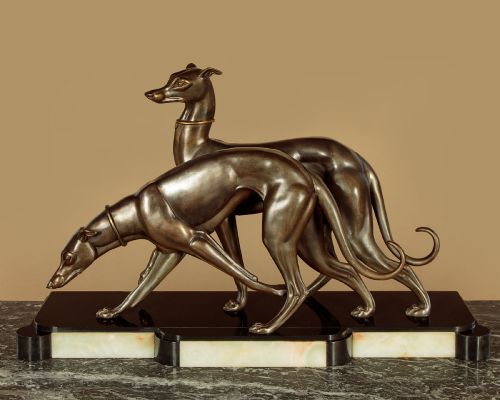
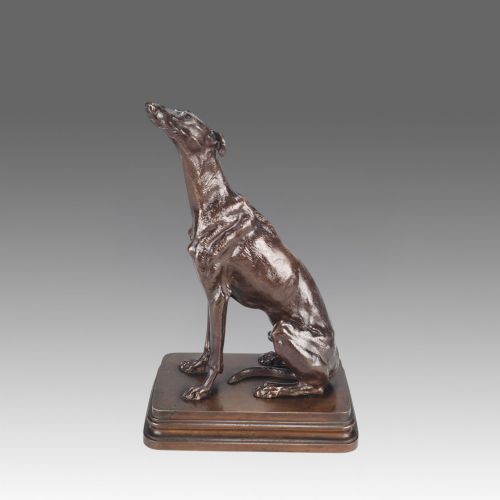
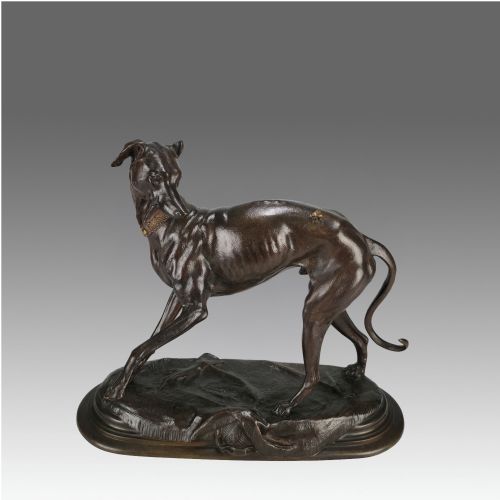
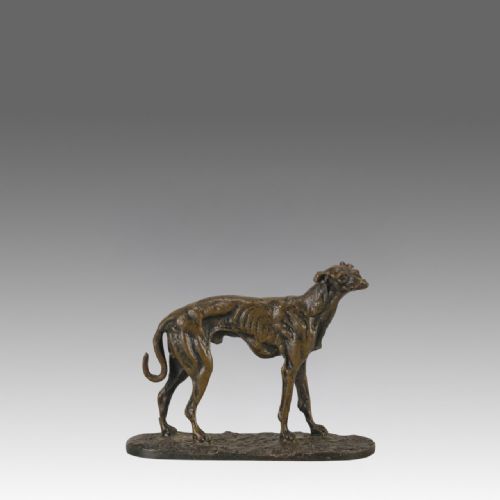
An antique bronze whippet captures the sharp lines and lean musculature of the breed in cast metal, bringing the lively spirit of the nineteenth-century animalier movement directly to a desk or mantelpiece.
Antique Bronze Whippet
An antique bronze whippet is primarily represented here by nineteenth-century animalier sculptures and French decorative figures depicting greyhounds, sighthounds, and racing dogs. These pieces frequently show the animal seated, recumbent, or poised alertly, often mounted upon stone bases or marble plinths.
The selections span from mid-nineteenth-century French animalier works to later Art Deco interpretations and silvered bronze designs. Buyers will encounter both standalone sculptures and functional decorative boxes adorned with canine figures.
Originating largely from French workshops and continental foundries, these works reflect the Victorian fascination with naturalistic animal forms. Every piece demonstrates the distinct anatomical focus typical of nineteenth-century sculpture.
How they were made
Foundries utilised the lost-wax casting technique or sand casting to shape molten bronze into intricate canine forms, achieving deep surface detail through careful chasing and hand-finishing. Artisans applied chemical patinas to produce varied surface tones, ranging from warm dark browns to silvered finishes.
Many sculptures incorporate contrasting materials such as marble or stone bases, while other decorative items integrate ormolu mounts and wooden elements. These supporting mounts provide both visual weight and structural stability to the metal figures.
Several greyhound sculptures double as paperweights, proving that Victorian office desks took their canine loyalty very seriously indeed.
What varies in quality
The fidelity of the casting distinguishes superior animalier sculpture, particularly in the rendering of muscle tension, bone structure, and facial expression. Finer examples display crisp detail in the fur and paws without smoothing or softening from worn moulds.
The depth and nuance of the patina contribute significantly to the visual success of the piece, alongside the quality and integration of the marble or stone base. The reputation of the foundry and the clarity of the signature or mark also influence the standing of the work.
Alfred Dubucand·Alfred Barye·P J Mêne·Pierre Jules Mene·Karl Hagenaur·Joseph Francois Victor Chemin·Christophe Fratin·Pierre-Jules Mêne
The Antique Bronze Whippet Glossary
- Animalier
- A nineteenth-century artistic movement focused on the realistic depiction of animals, particularly in bronze sculpture. Practitioners studied live subjects in menageries and rural settings to capture authentic movement.
- Patina
- The surface coloration and sheen developed naturally over time or applied chemically by the foundry during production. This finish protects the metal and defines the sculptural contours.
- Ormolu
- Gilded bronze produced by applying a mercury and gold amalgam to the metal surface and heating it to drive off the mercury. This technique imparts a rich, golden lustre common in decorative pieces.
- Lost-wax casting
- A method of metal casting where a molten metal is poured into a mould that has been created by means of a wax model. The wax is melted and drained away, leaving a cavity for the bronze.
Antique Bronze Whippet: Frequently Asked Questions
What is an animalier bronze?
An animalier bronze is a nineteenth-century sculpture focusing specifically on realistic representations of animals, produced by specialised European foundries.
These pieces capture the natural movement and musculature of dogs and wildlife with high anatomical precision.
How should I clean antique bronze?
Cleaning antique bronze requires only a soft, dry cloth to remove dust without disturbing the historical patina.
Water, abrasives, and chemical polishes must be avoided entirely to preserve the original surface finish.
Are these sculptures signed?
Many nineteenth-century bronzes bear the cast signature or stamp of the sculptor or foundry on the base or integral plinth.
Signatures help identify the creator, though unsigned works of the period frequently match the quality of known makers.
What materials support the figures?
These sculptures commonly feature bases made of marble, stone, or wood to provide stability and a finished aesthetic presentation.
Some pieces integrate ormolu mounts or silvered bronze finishes to enhance the overall decorative effect.