

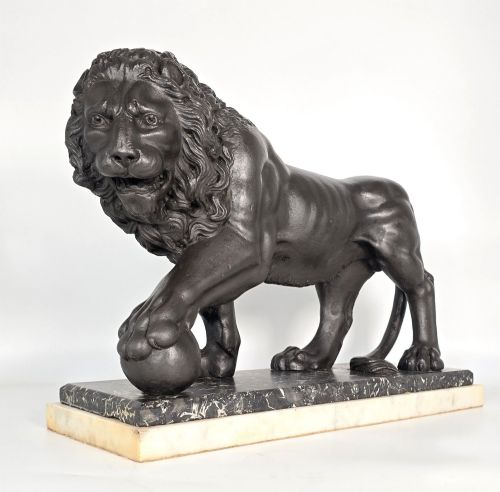
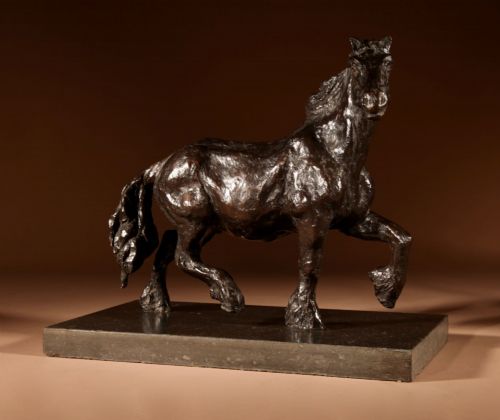
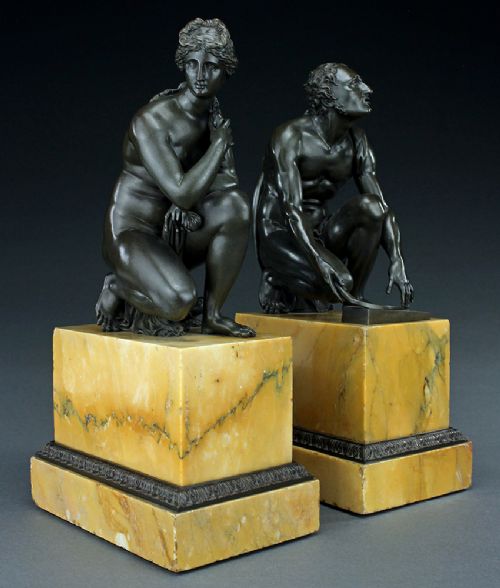
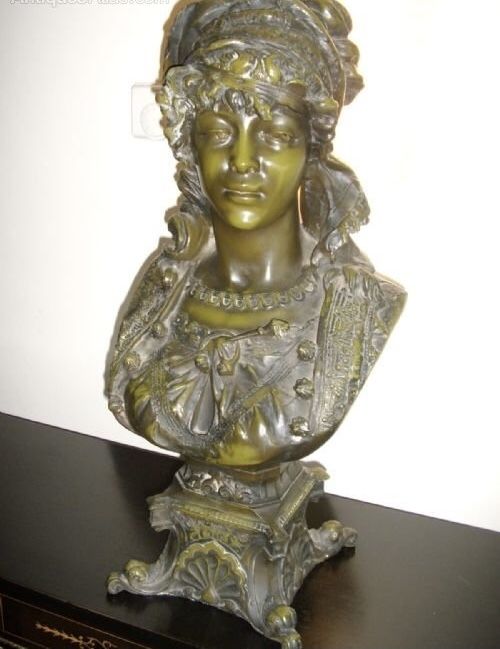
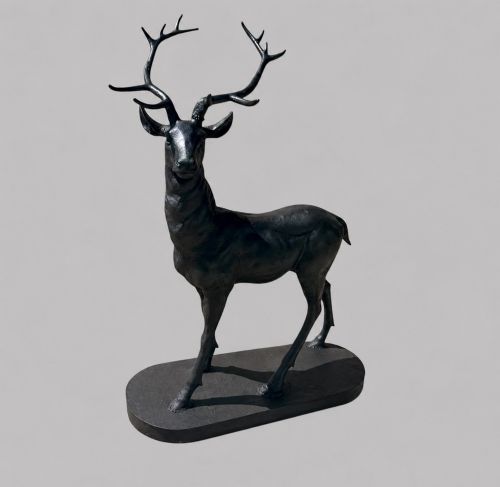
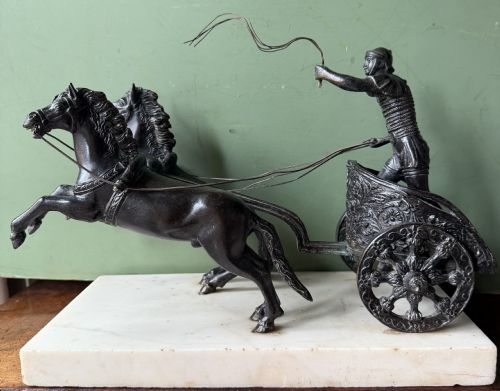

Bronze Statue on Plinth
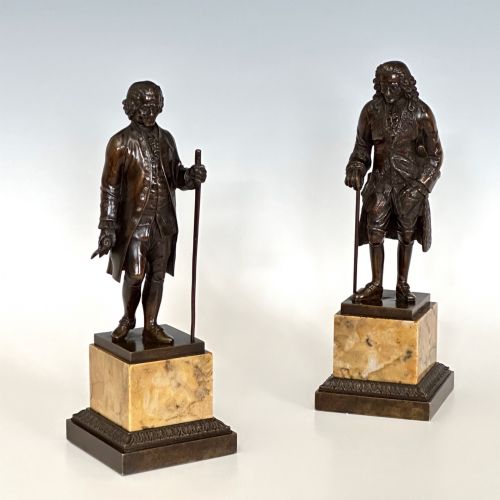
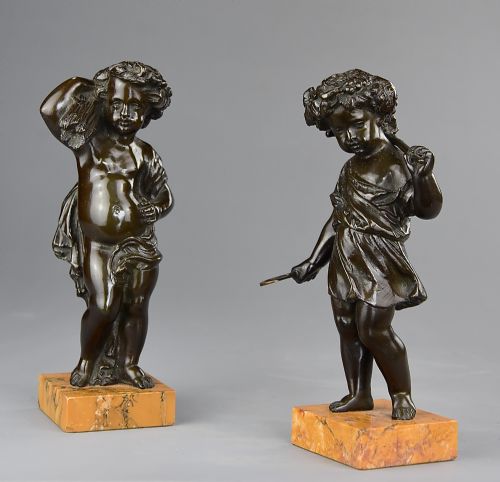
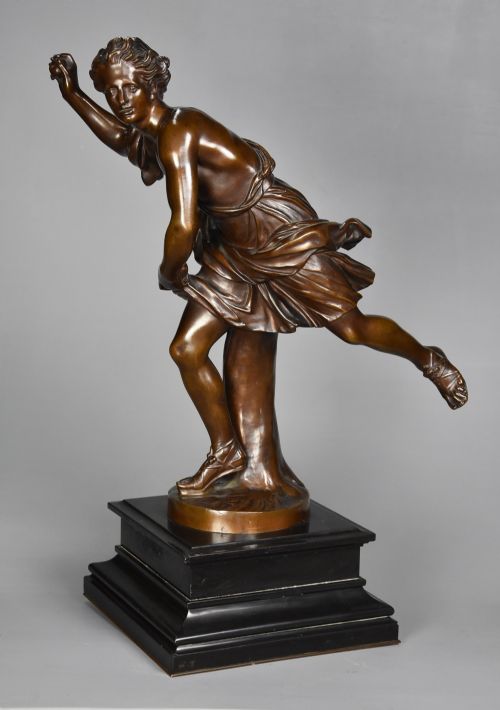
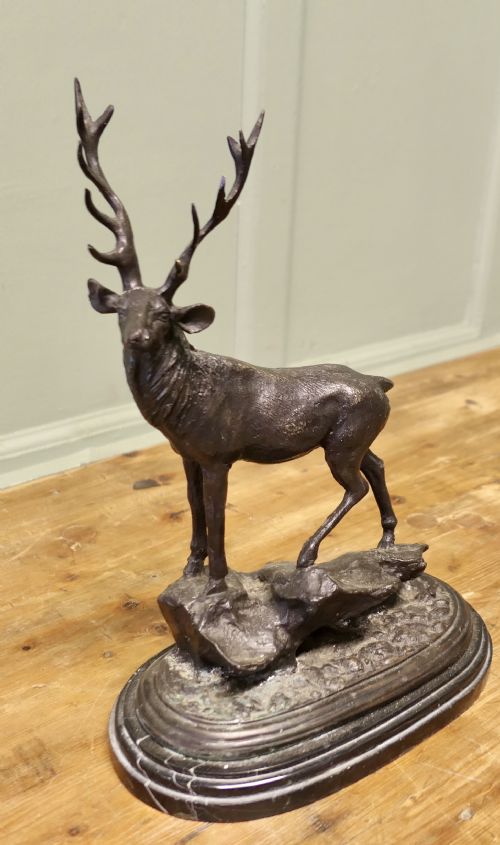
A bronze statue on plinth brings classical mythology, animals and figures into focus through patinated metal elevated on solid stone.
Bronze Statue on Plinth
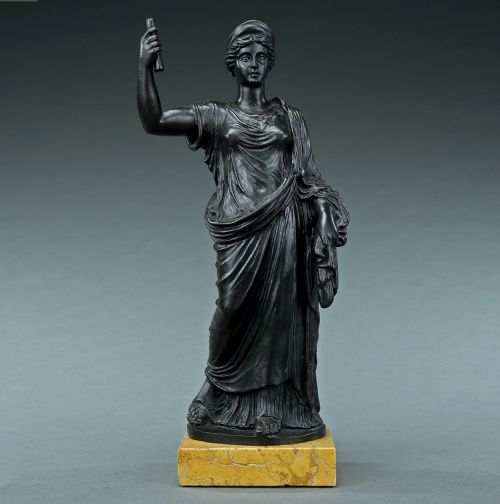
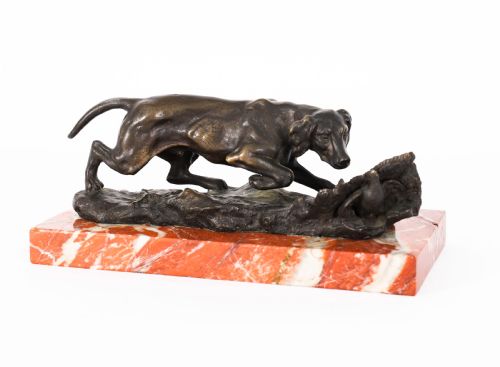
A bronze statue on plinth combines metal sculptural figures with stone bases, predominantly originating from the nineteenth century through the art deco period. Buyers encounter depictions of classical deities, historical subjects, animals and dancers mounted firmly on supportive plinths.
The selections span grand tour souvenirs, animalier studies and distinct neoclassical or egyptian revival forms. Pieces frequently integrate marble, onyx or wood as foundational mounts for the cast metal subjects above.
Materials and Casting
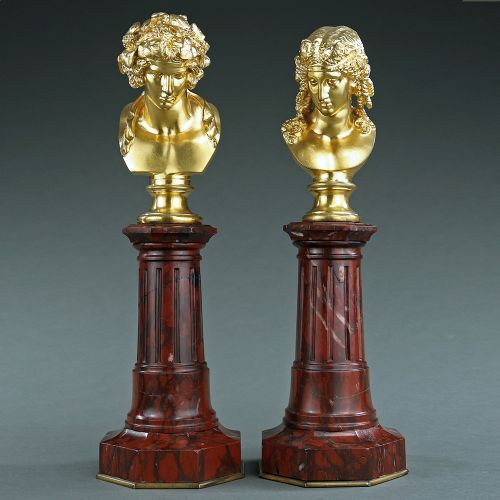
Foundries utilised traditional metal casting techniques to produce patinated or gilt bronze figures, occasionally employing spelter as an alternative material. Artisans finished surfaces through cold painting or hand chasing to define intricate details on garments and musculature.
Mounting involved securing the metal sculptures onto heavy bases of marble, onyx, malachite or olive wood using threaded pins or bolts. These stone plinths provided structural balance and visual contrast to the dark patinas and bright gilding of the figures.
From trotting cobs to dancing ballerinas, these statues prove that even inanimate metal needs a sturdy stone block to stand upon.
Execution and Detail
Superior examples demonstrate crisp chasing and fine articulation in the metalwork, where facial expressions, hair and drapery remain sharp and distinct. Weaker pieces display softened edges from worn moulds or superficial finishing that obscures individual character.
The selection of the plinth material indicates overall investment, with solid veined marbles, onyx or polished slate elevating the piece above standard wooden bases. The precision of the fit between the metal sculpture and the stone mount separates standard foundry work from higher tier commissions.
Carl Kauba·Josef Lorenzl·Barbedienne
The Bronze Statue on Plinth Glossary
- Patina
- A chemical surface coloration on bronze developed naturally over time or applied deliberately through heat and acids. This finish protects the metal and defines the shadows of the sculpture.
- Ormolu
- Gilt bronze created by applying a finely ground high-carat gold-mercury amalgam to a bronze object before firing. The process yields a rich, durable golden sheen characteristic of decorative arts.
- Grand tour
- A cultural journey undertaken by wealthy young Europeans through France and Italy to study classical antiquities. Souvenirs from these travels included small bronze sculptures mounted on marble bases.
- Spelter
- A zinc alloy used as a less expensive substitute for bronze in decorative figures. It is softer than bronze and typically carries a painted or faux-bronze finish.
- Animalier
- A nineteenth-century art movement focused on the realistic depiction of animals. Sculptors in this style studied live subjects closely to capture natural anatomy and movement.
Bronze Statue on Plinth: Frequently Asked Questions
What materials make up the base?
Bases consist primarily of marble, onyx, malachite, slate and wood. These dense materials anchor the metal figures securely.
Selection of the stone often reflects the period of manufacture, with white or coloured marbles dominating nineteenth-century works and onyx appearing frequently in later art deco pieces.
How do I clean the bronze?
Dust gently with a dry, soft cloth to remove surface particles. Avoid chemical cleaners or water which can strip the protective patina.
Applying a very light coat of microcrystalline wax occasionally helps preserve the metal surface against atmospheric moisture.
Are these pieces solid bronze?
Many figures are cast using the lost-wax method in solid bronze, though some larger works are hollow to reduce weight.
Certain items utilise spelter rather than bronze, which can be identified by its lighter weight and distinct internal metal colour where the surface finish has worn.
How are the figures attached?
Sculptures connect to the stone plinths via threaded rods or pins extending from the feet or base of the figure through holes in the marble.
Securing nuts are typically visible on the underside of the stone base, holding the metal subject firmly to its mount.