



1930s Bronze Figure
A 1930s bronze figure captures the kinetic elegance of the Art Deco era, offering a sculptural centrepiece for a modern interior.
1930s Bronze Figure
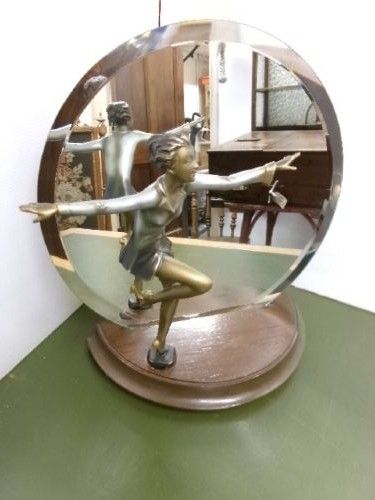
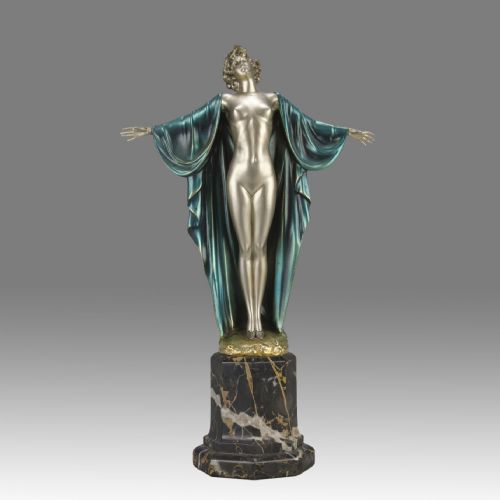
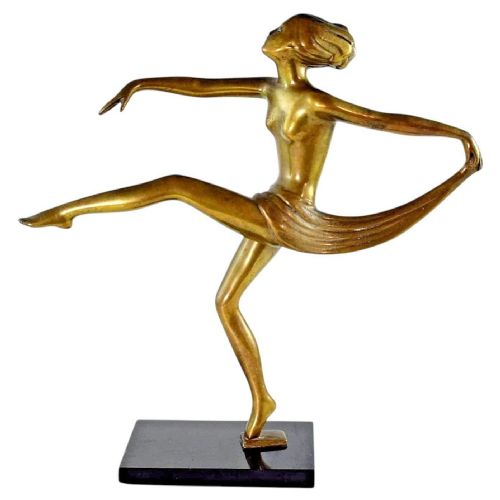
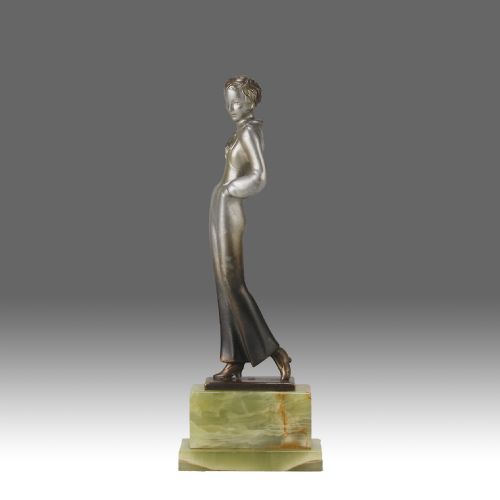
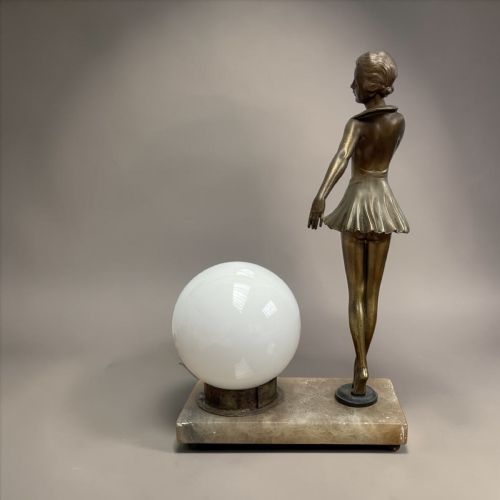
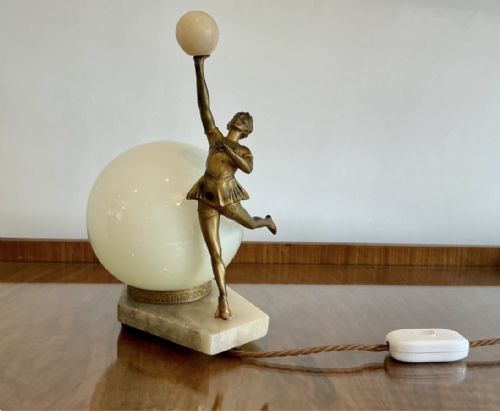
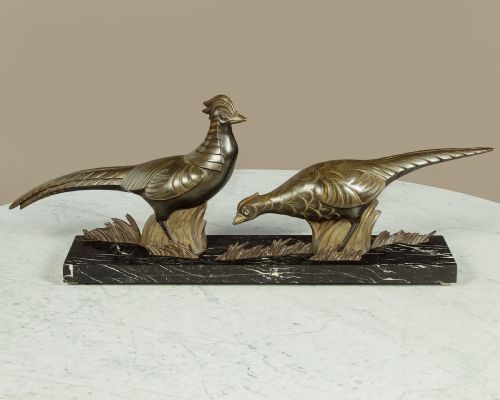
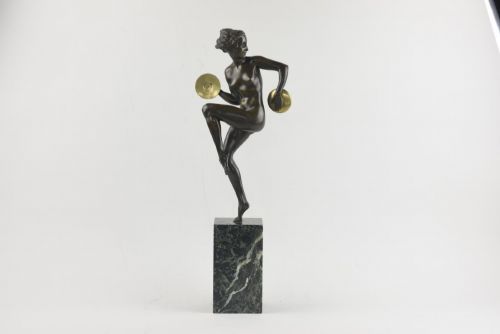
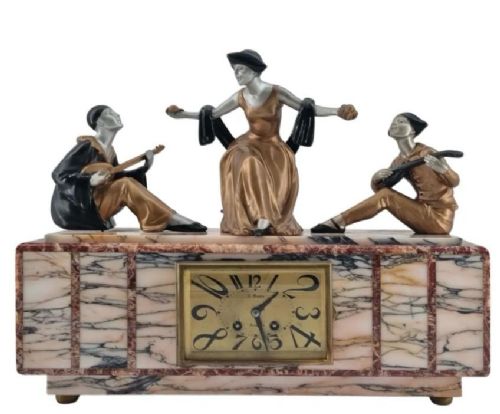
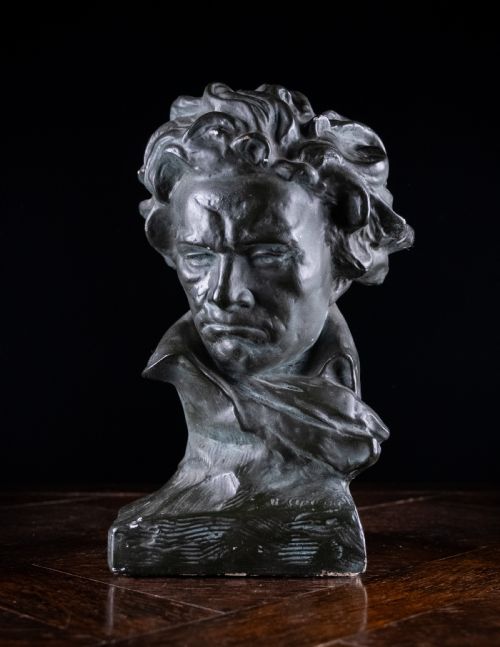
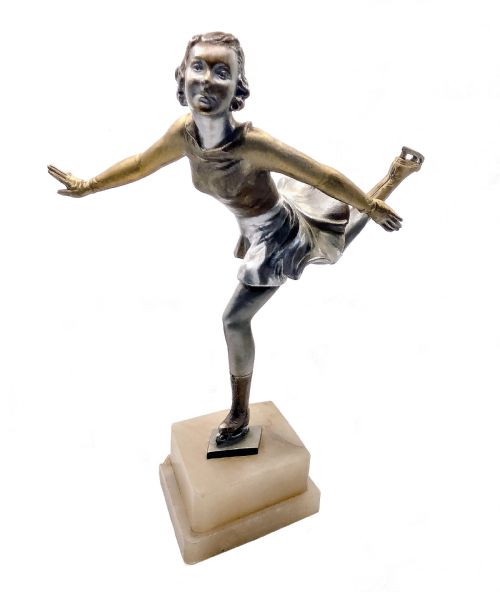
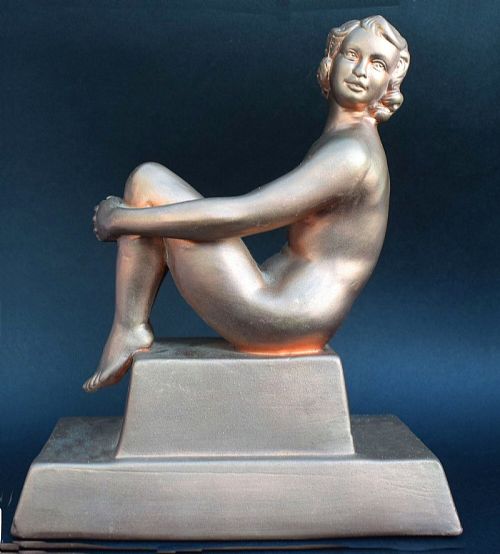
When you search for a 1930s bronze figure, you encounter sculptural works that channel the dynamic energy and streamlined aesthetics of the interwar period. The forms on this page span dancers, athletes, animals and figurative table lamps designed to serve both decorative and functional roles in a room.
The objects frequently take the shape of female dancers, ice skaters, and hounds rendered in typical Art Deco postures. These pieces emerge from French and international workshops, capturing human movement and animal speed with characteristic stylistic reduction.
Materials and casting methods
Foundry work combined traditional lost-wax bronze casting with cold-painting techniques and patination. Many pieces utilise alternative metals such as spelter or silvered bronze, often mounted onto heavy bases of black or multi-coloured marble and onyx.
Makers integrated mixed media including carved ivory for chryselephantine works or incorporated glass elements for figural lamps. Surfaces received chemical patinas, metallic gilding or hand-painted enamel details to accentuate the garments and hair of the subjects.
1930s Bronze Figure Retail Price Guide 2026
Typical asking prices for 1930s bronze figure among the pieces listed under this phrase on Sellingantiques today, from the lower quarter to the upper quarter. They describe what is for sale here now, not the wider market.
Listings feature materials spanning bronze, spelter, marble, onyx, glass, and wood across the 1920 and 1930 periods.
Judging the work
The presence of a known foundry mark or an artist signature distinguishes studio pieces from unsigned commercial editions. The integration of stone, such as marble plinths or onyx bookends, also dictates the physical weight and overall balance of the object.
Ferdinand Preiss·Josef Lorenzl·Demetre Chiparus·Karl Hagenauer·Alexandre Kelety
The 1930s Bronze Figure Glossary
- Spelter
- A zinc alloy commonly utilised as a substitute for bronze in interwar European manufacturing. It takes patination and paint effectively while remaining lighter than true bronze.
- Chryselephantine
- A composite method combining metal casting with carved ivory elements. It appears frequently in figural works depicting dancers.
- Patina
- The surface coloration achieved through chemical application or natural ageing on metal. It highlights the texture of the cast.
- Plinth
- The foundational block of marble, onyx or wood supporting the sculpture. It anchors the dynamic posture of the figure above.
1930s Bronze Figure: Frequently Asked Questions
How do I clean a bronze figure?
Dust the surface gently with a soft, dry brush to remove particles without disturbing the patina. Avoid abrasive cloths or liquid chemical cleaners that might strip the original finish.
Apply a microcrystalline wax sparingly if the metal requires protection against moisture. Buff it lightly with a clean cloth after application to maintain a stable protective layer.
Are these figures solid bronze?
Many pieces are cast in solid bronze, while others utilise spelter or patinated metal over a base alloy. Examining the underside and weight helps determine the specific metal composition used in the casting process.
Signed works by documented sculptors typically employ bronze, whereas commercial production runs often relied on spelter to reduce manufacturing costs during the period.
How can I display a heavy marble base?
Position the sculpture on a stable, level piece of furniture capable of supporting the substantial weight of the marble or onyx plinth. Ensure the display surface is away from direct heat sources and excessive moisture.
Keep the piece clear of high-traffic edges where accidental knocks might dislodge the heavy stone base. A felt pad underneath protects both the furniture and the plinth.
How do I tell signed works from unsigned pieces?
Look along the lower edge of the bronze casting or across the top of the marble plinth for an incised signature or foundry stamp. Artists frequently signed their work directly into the hot wax or the cooled metal before mounting.
Unsigned examples remain common, often attributed to specific studios or sculptors based on stylistic posture and casting characteristics. Documentation or provenance helps confirm the origin of unsigned figures.