






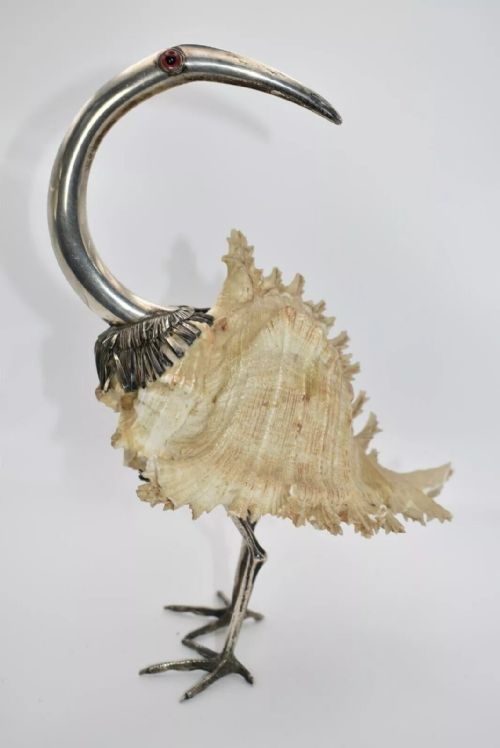
Silver Plated Figure
A silver plated figure brings sculptural presence to a room, offering the gleam of precious metal over a sturdy core of brass, white metal or bronze.
Silver Plated Figure
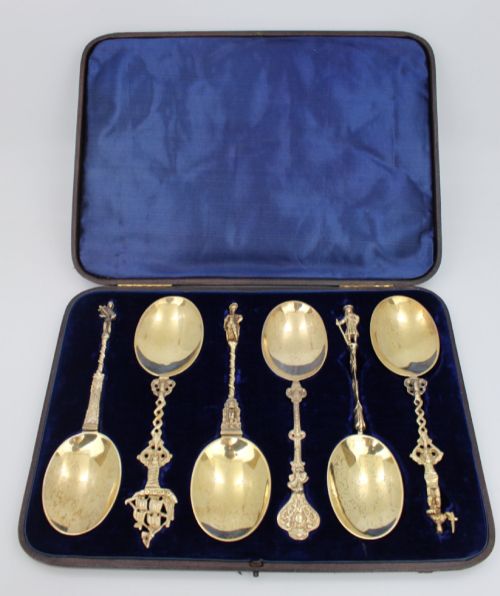
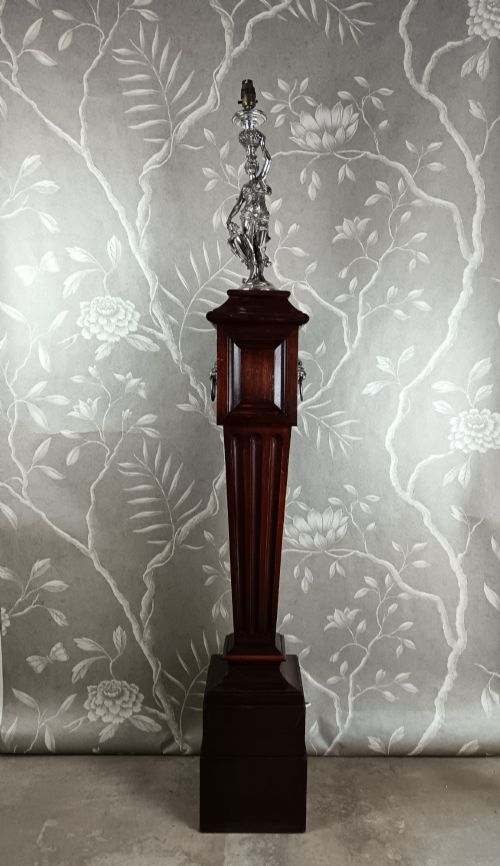
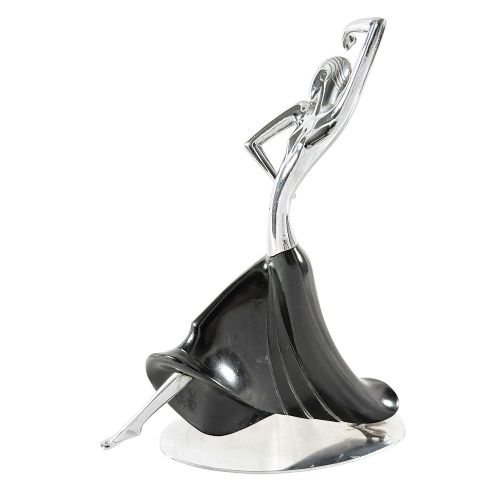
A silver plated figure encompasses a wide variety of sculptural forms, ranging from animal models and human dancers to decorative centerpieces and functional lamps. When exploring this selection, buyers frequently encounter Edwardian and Art Deco pieces alongside Victorian and mid-century examples.
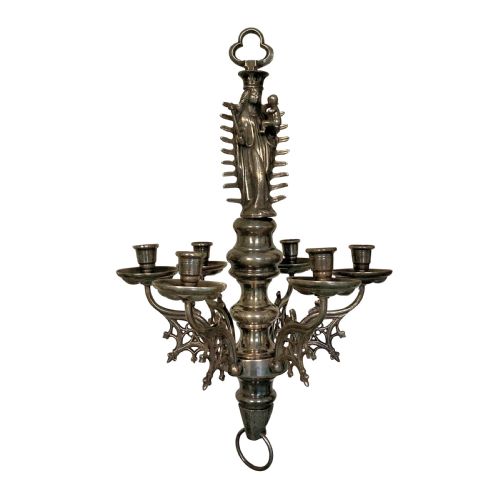
The objects take many shapes, including pheasants, dogs, birds, dancing women and classical deities. These pieces function variously as freestanding ornaments, lamp bases, chandeliers, and table centerpieces incorporating glass or marble elements.
Origins stretch across Britain, France, Germany and Italy, reflecting distinct regional tastes from Flemish Gothic and Jugendstil to traditional country styles and Grand Tour classicism.
Qualities of execution
Quality rests in the crispness of the casting and the sensitivity of the modelling, distinguishing fluid artistic interpretations from rigid commercial productions. The depth of the silver plating and the harmonious integration of secondary materials like marble, alabaster or glass dictate the overall success of the piece.
Pieces bearing distinct marks from notable makers or workshops demonstrate superior finishing and enduring structural integrity. The balance between the central figural element and its mount, whether a wooden torchere, a stone base or a glass bowl, reveals the maker's attention to proportion.
A proud stag, a racing jockey and a bewildered kiwi bird stand ready to guard the mantelpiece.
WMF·Hagenauer·Lerolle Fres·Gabriella Binazzi
The Silver Plated Figure Glossary
- Silver Plate
- A thin layer of silver applied to a base metal core such as brass, copper or white metal. This technique allowed manufacturers to produce substantial decorative objects with the appearance of solid silver at a lower cost.
- Silvered Bronze
- Bronze that has been treated with a silver finish rather than plated by traditional methods. This technique imparts a muted metallic sheen popular in nineteenth-century French and continental sculpture.
- Jugendstil
- The continental European manifestation of Art Nouveau, prevalent around nineteen hundred. It is characterised by flowing, organic lines and stylised natural forms.
- Epergne
- A large table centerpiece featuring multiple branches or receptacles for fruit, sweets or candles. Victorian examples frequently incorporate female figures or figural supports.
- Torchere
- A tall stand or floor lamp designed to hold a light source aloft. Antique variants often feature elaborate figural shafts carved from wood or cast in metal.
Silver Plated Figure: Frequently Asked Questions
How do I clean a silver plated figure?
Maintenance requires gentle dusting and occasional cleaning with a non-abrasive silver cloth to preserve the plated surface. Avoid aggressive chemical dips that can strip the silver layer from the underlying brass or bronze.
Keeping the piece away from damp environments prevents corrosion of the base metal where the silver plate has worn thin over decades of handling.
Are these figures solid silver?
These pieces consist of a base metal core, such as brass, white metal, bronze or copper, covered with a layer of silver. This construction provided the visual appeal of solid silver while maintaining structural rigidity and reducing weight.
Examining areas of wear on high points often reveals the warmer tone of the underlying metal beneath the silver surface.
How do I date an Art Deco figure?
Art Deco pieces from the nineteen twenties and nineteen thirties display characteristic geometric styling, stylised human forms and materials like chrome plate and alabaster. Makers during this period embraced sleek silhouettes inspired by modernism and dance.
Comparing the stylistic motifs with documented works from known workshops helps narrow down the decade of production.
Where were these decorative objects placed?
Victorian and Edwardian pieces frequently served as dining table centerpieces, desk ornaments or mantle decorations. Larger examples functioned as floor lamps, torchere stands or chandeliers in principal reception rooms.
Their placement depended on their dual role as sculptural art and functional items like oil lamps or magnifying glasses.