



Bronze Figurative Art
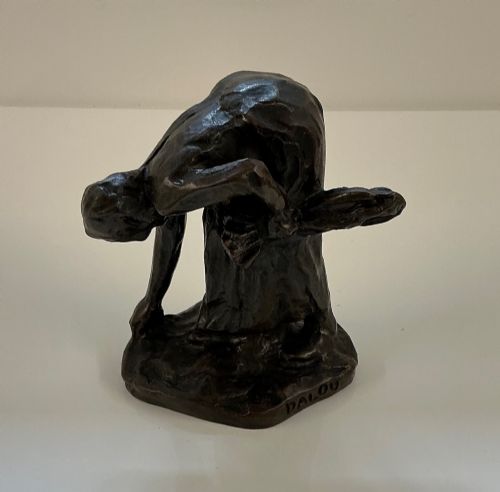
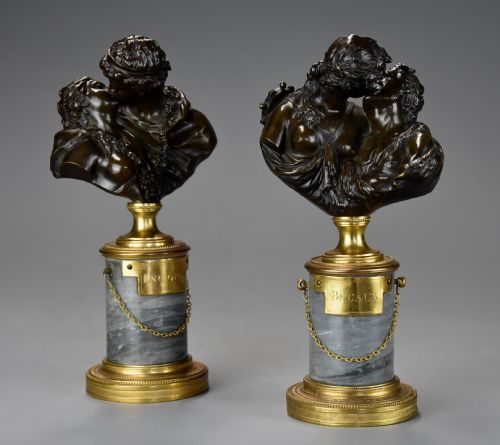
Bronze figurative art captures the human form through metal, offering expressive character studies and elegant decorative pieces for the home.
Bronze Figurative Art
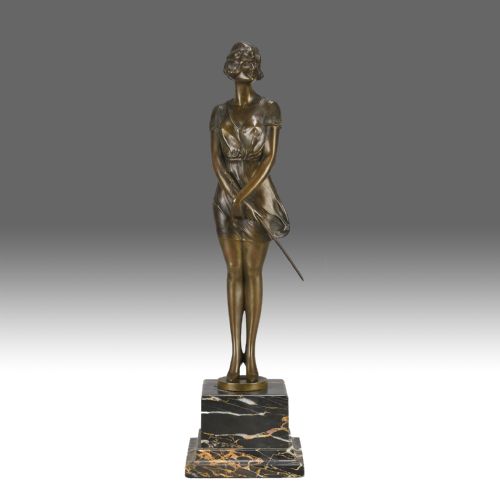
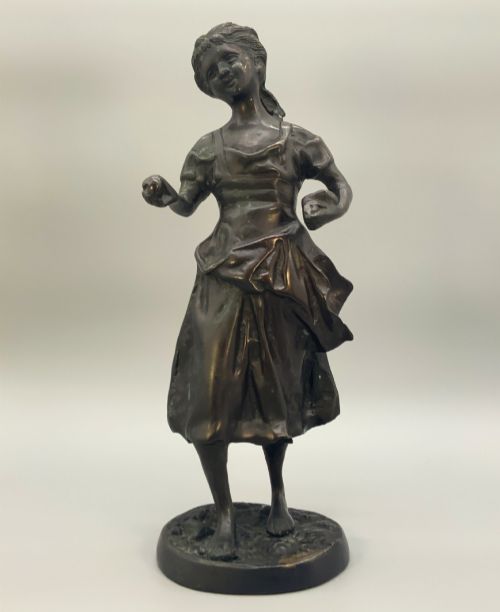
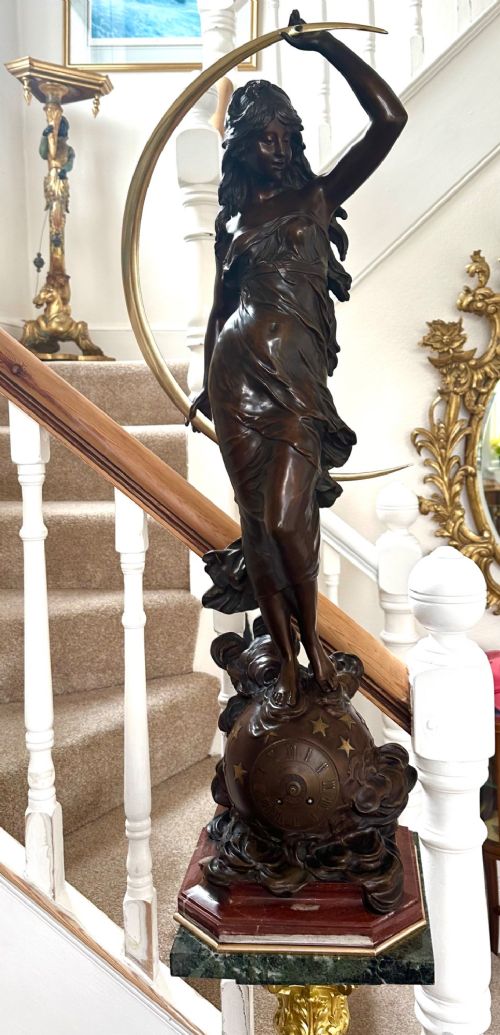
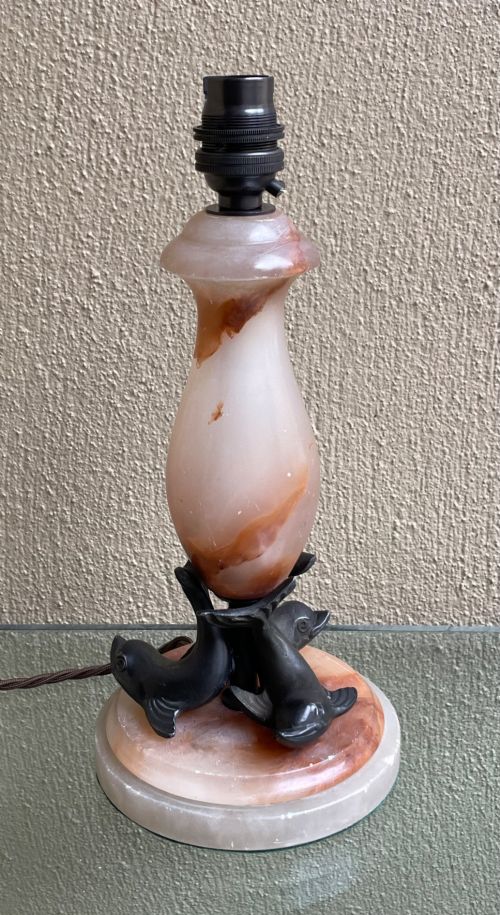
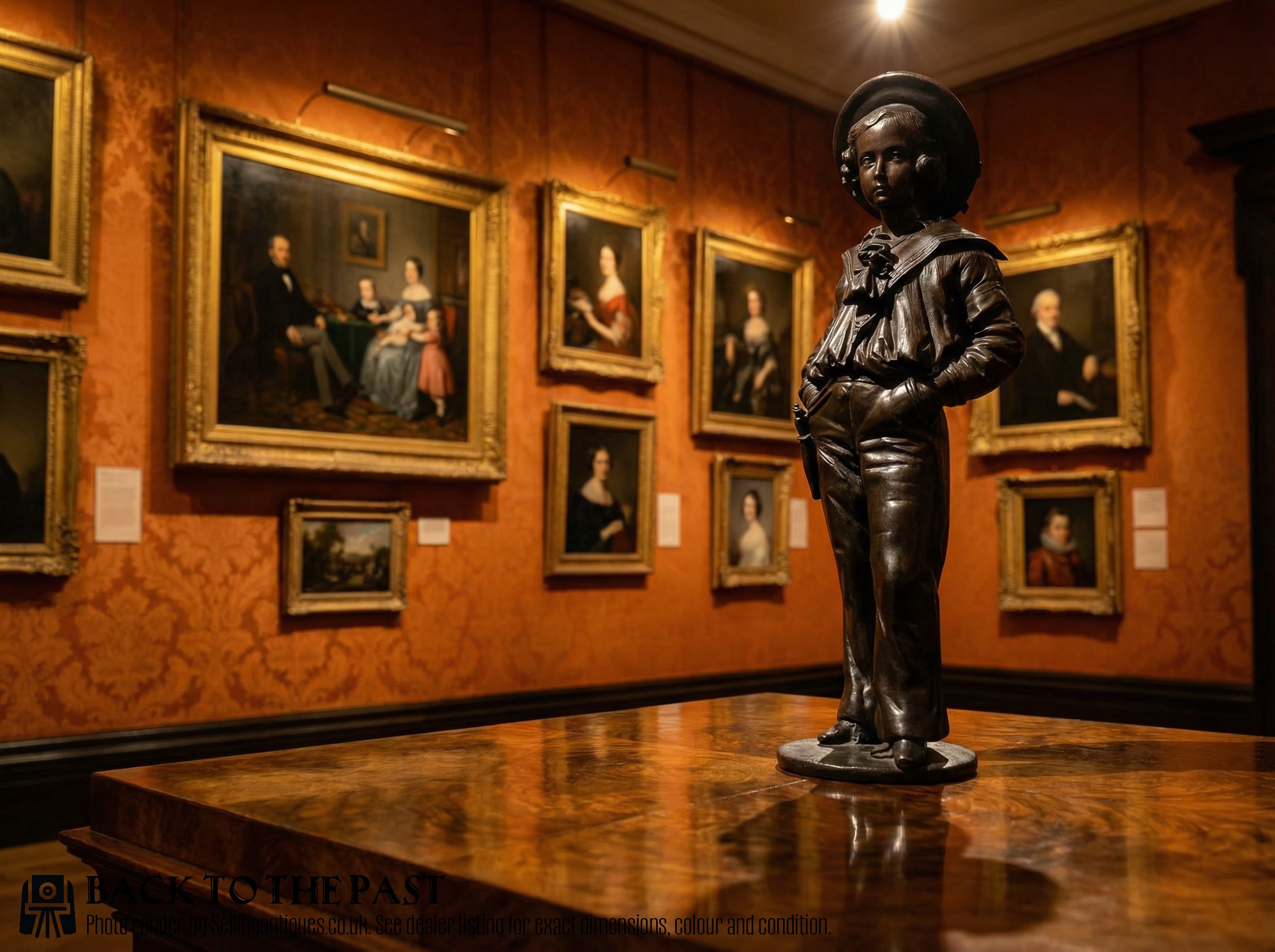
Bronze figurative art encompasses sculptures, busts, table lamps, and wall reliefs depicting human subjects. The selection centres heavily on nineteenth century French works alongside Art Nouveau and Art Deco creations.
Pieces range from miniature figures and portrait busts to large statues and functional lighting items. Subjects span dancers, maidens, historical figures, and character studies cast across the Victorian and Edwardian eras.
French foundries and continental workshops dominate the origin of these pieces, bringing classical realism, flowing natural lines, and stylised geometric forms into domestic settings.
Materials and Construction
Casting primarily utilises bronze, patinated bronze, and gilt bronze, often paired with substantial bases made from marble, onyx, alabaster, or ormolu. Alternative metal alloys such as spelter appear alongside terracotta and slip cast materials.
Foundries applied chemical patination to achieve varied surface tones, while finishing work involved chasing, polishing, and mounting the figures securely to stone pedestals.
Listings feature works from the nineteenth century through the Art Deco period, utilising bronze, marble, spelter, and alabaster.
Assessing Quality and Execution
Quality rests in the crispness of the casting detail, where finer examples preserve the subtle contours of facial expressions, drapery, and hair without softening during the foundry process. The precision of the chasing work after casting distinguishes master foundry output from standard commercial production.
The choice and integration of mounting materials also define a piece, with dense marbles and custom alabaster plinths providing stability that complements the metalwork. Signature marks from recognised sculptors and foundry stamps add documentary value and confirm attribution.
Bruno Zach·Josef Lorenzl·Moreau Family·Jules Dalou·Julien Lorieux·Friedrich Goldscheider·Antonio Merente·Sylvain Kinsburger·George Van Der Straeten·Ivan Zaiec·Emmanuel Villanis·Ferdinand Preiss·Elizabeth Anna Clapp·Maurice Bouval·Charles Anfrie·Lavergne·Henri Plé·Antoine Bofill
The Bronze Figurative Art Glossary
- Patinated Bronze
- Bronze treated with chemical solutions to produce a specific surface colour or aged finish. This layer protects the metal and enhances sculptural depth.
- Spelter
- A zinc-based alloy often used as a more affordable substitute for bronze. It frequently receives a bronze-coloured finish to mimic solid metal sculpture.
- Ormolu
- Gilt bronze created by applying finely ground gold mercury amalgam to a bronze object. This technique produces a rich golden decorative surface.
- Chasing
- The manual refinement of a metal casting using small chisels and hammers. This process sharpens details and removes casting flaws.
- Terracotta
- Fired clay used for sculptural reliefs and figures. It provides a warm, earthy medium popular in continental workshops.
Bronze Figurative Art: Frequently Asked Questions
How do I clean bronze figures?
Dust gently with a soft brush and avoid commercial metal polishes that strip original patination. Microcrystalline wax can be applied sparingly to protect the surface.
Keep pieces away from direct moisture and handling oils to maintain the chemical finish over time.
What is the difference between bronze and spelter?
Bronze is a heavy copper and tin alloy prized for durability and fine casting detail. Spelter uses zinc, making it lighter, softer, and more prone to surface wear.
Testing weight and magnetism helps distinguish the two metals in antique items.
Where should I display these sculptures?
Place figures on stable surfaces such as sideboards, mantelpieces, or dedicated display tables away from direct heat sources. Heavy stone bases provide balance for taller works and lamps.
Ensure adequate lighting highlights the patination and sculptural contours.
How do I identify Art Nouveau from Art Deco pieces?
Art Nouveau works feature flowing, organic lines inspired by natural forms such as plants and hair. Art Deco designs embrace clean geometric shapes, symmetry, and stylised modernity.
Costuming and facial expressions also shift from ethereal romanticism to sharp, athletic precision.