


Antique Cast Bronze
Antique cast bronze brings heavy sculptural form and enduring metalwork into domestic spaces through centuries of domestic objects and decorative figures.
Antique Cast Bronze
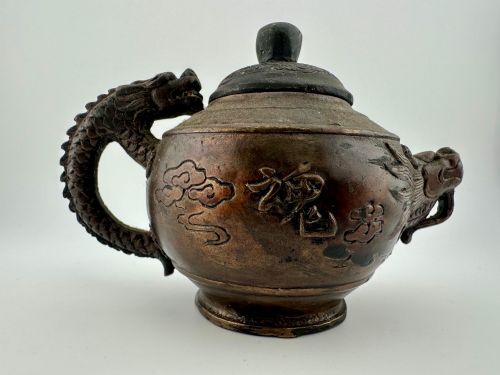
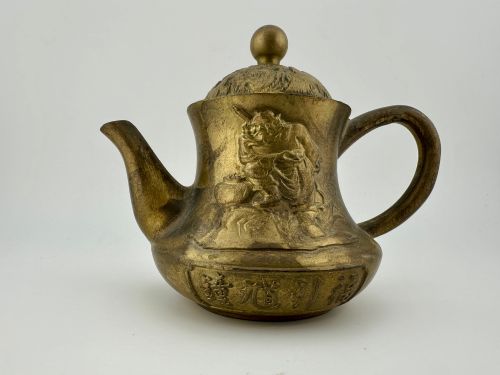
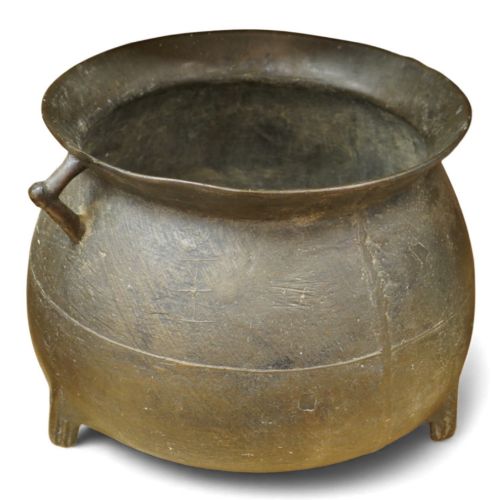
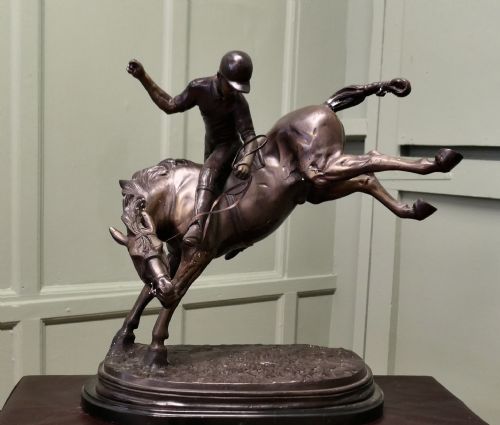
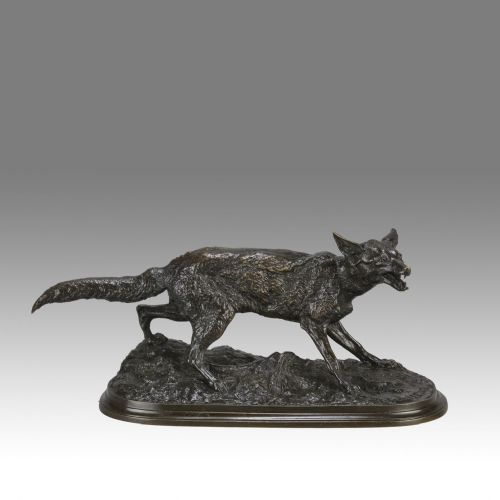
When browsing antique cast bronze, collectors encounter domestic metalware, animal figures, and architectural lighting produced across the sixteenth to twentieth centuries. The selection ranges from utility items like mortars and pint measures to decorative sculptures, furniture mounts, and chandeliers originating from British, European, and Asian workshops.
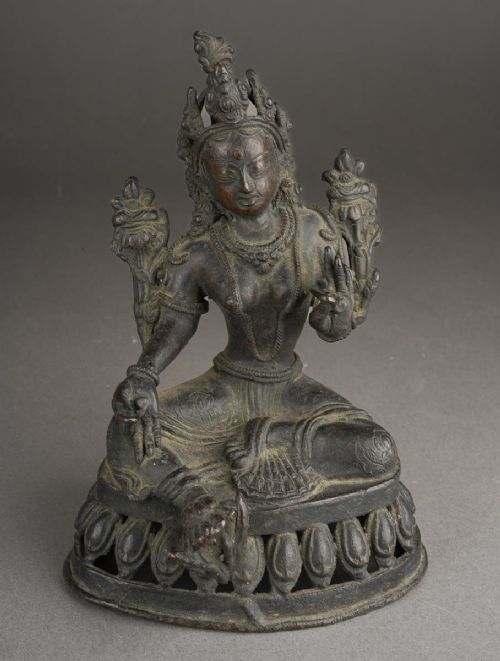
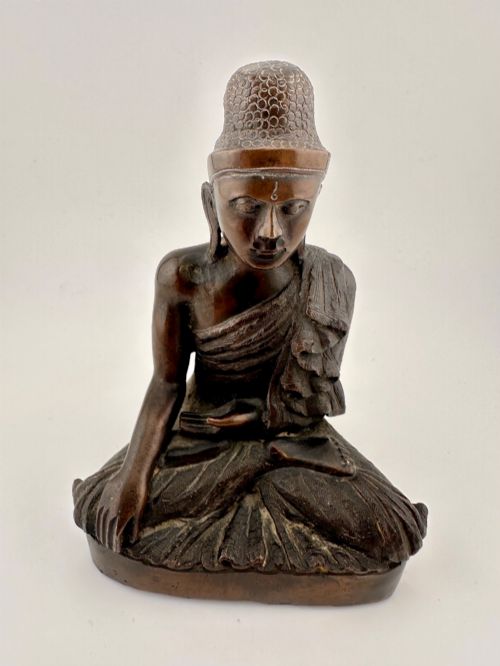
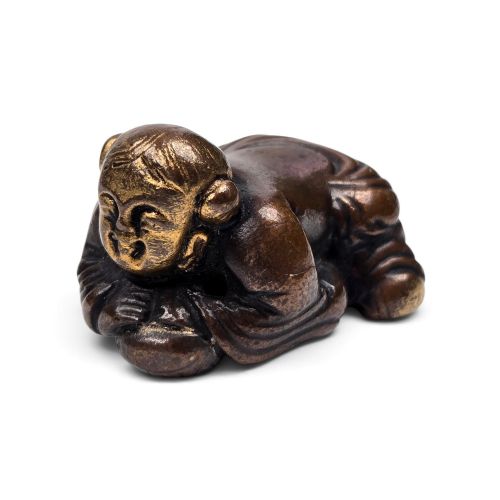
Figural desk accessories, candlesticks, and Grand Tour souvenirs from Italy frequently appear alongside Japanese Meiji period vases and Buddhist statues. These objects bridge the gap between utilitarian hardware and fine art casting.
The material adapts readily to utilitarian domestic functions, lighting apparatus, and intricate animalier studies. Domestic interiors benefit from the visual weight and textural depth these pieces provide.
Materials and technique
The primary alloy combines copper and tin, occasionally supplemented by zinc or lead to facilitate pouring into complex moulds. Molten metal flows into sand or lost-wax moulds, capturing fine surface details before cooling.
Makers often applied surface finishes including fire-gilding, ormolu, cold painting, or dark chemical patination to enhance the visual texture of the cast metal. Hand-chasing completed the process, sharpening details like feathers, fur, and drapery after the piece left the foundry.
Several Victorian desk items take the form of metal pigs and owls with glass eyes ready to hold ink or ring bells.
Evaluating craftsmanship
Proportion, weight, and depth of patination distinguish works by notable foundries or named sculptors from anonymous mass-market souvenirs. Original gilding and integrated mountings retain their integrity on pieces executed with greater care.
P J Mêne·Moreau Family·Poix Blin
The Antique Cast Bronze Glossary
- Animalier
- A nineteenth-century artistic style focusing on the realistic depiction of animals, particularly in motion. Sculptors in this tradition studied anatomy closely.
- Grand Tour
- Souvenirs purchased by travellers touring European cultural centres during the eighteenth and nineteenth centuries. These miniature bronzes replicated classical statues and architectural monuments.
- Ormolu
- Finely ground high-carat gold applied to a bronze object through mercury amalgamation. This technique produces a durable, rich golden surface finish.
- Patination
- The surface coloration and texture developed through age, chemical treatment, or handling. A natural patina adds depth to the exposed metal.
- Mortar
- A heavy bowl used with a pestle for grinding materials, frequently cast in thick bronze with decorative heraldic motifs. These utilitarian items served kitchens and apothecaries.
- Applique
- An ornamental metal fitting applied to furniture, panelling, or lighting fixtures. These elements are usually cast separately and attached mechanically.
Antique Cast Bronze: Frequently Asked Questions
What is a Grand Tour bronze?
These miniature sculptures were acquired by travellers visiting classical antiquities in Italy and Greece during the nineteenth century. They served as scholarly mementos for domestic display.
Foundries in Rome, Naples, and Florence specialised in reproducing famous statues for this travelling market.
How do I identify cast bronze from cast iron?
Bronze possesses a heavier, warmer feel and is completely non-magnetic, whereas iron will attract a magnet and rust in damp conditions. The underlying metal colour where friction occurs is golden brown rather than grey.
Bronze also develops a distinctive green or dark brown oxidation layer rather than flaky red iron rust.
Were these pieces made for lighting?
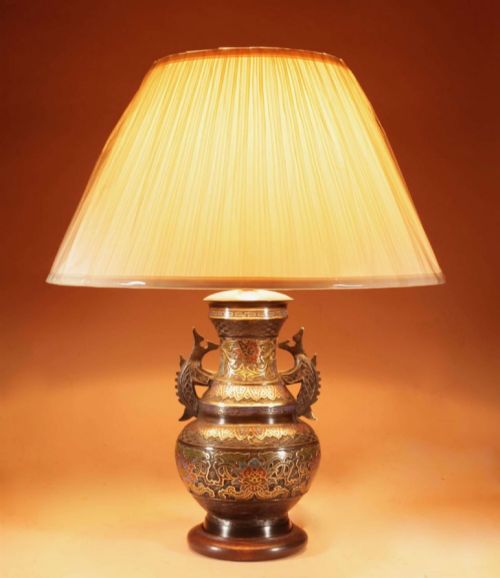
Many surviving examples function as candlesticks, chandeliers, and wall sconces engineered to hold candles or early oil lamps. Later adaptations converted some pieces for electricity.
Lighting fixtures demonstrate how structural metalwork combined utility with decorative sculptural form in historical interiors.