
Victorian Bronze Figurine
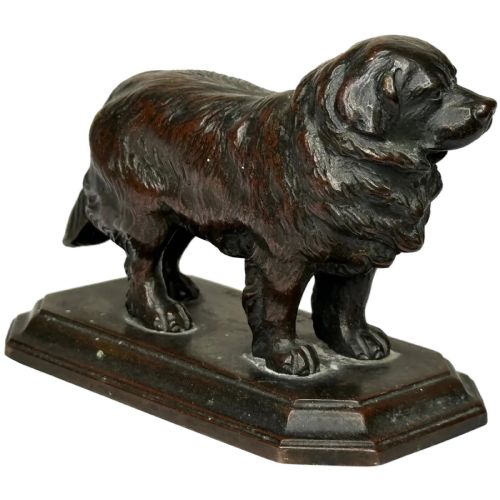
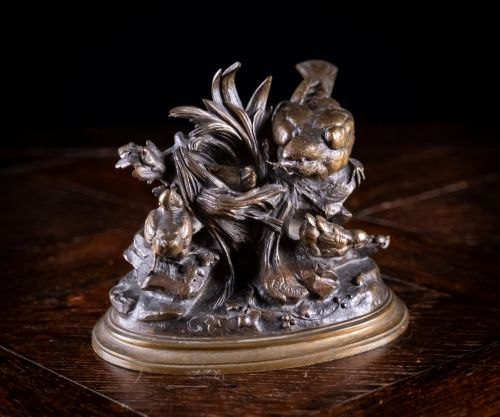
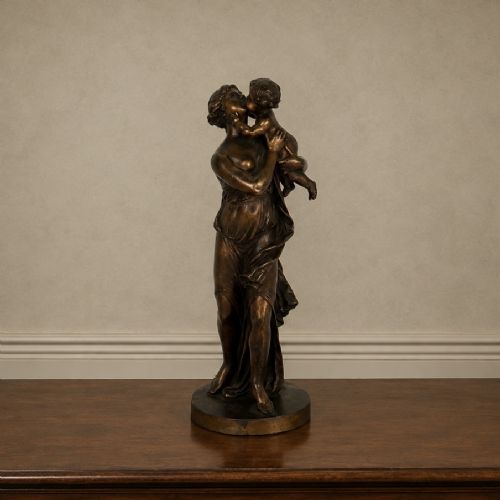
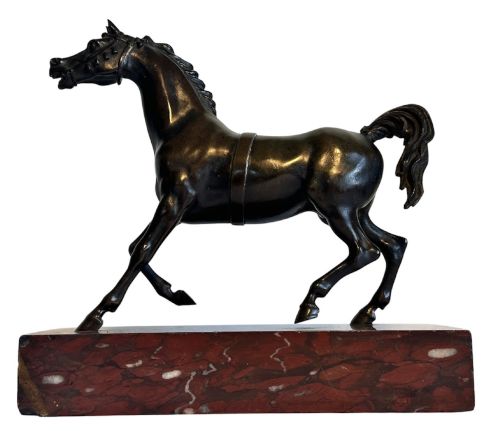
A victorian bronze figurine brings cabinet-scale metalwork into the home, capturing the lively animal subjects and classical subjects that collectors seek.
Victorian Bronze Figurine
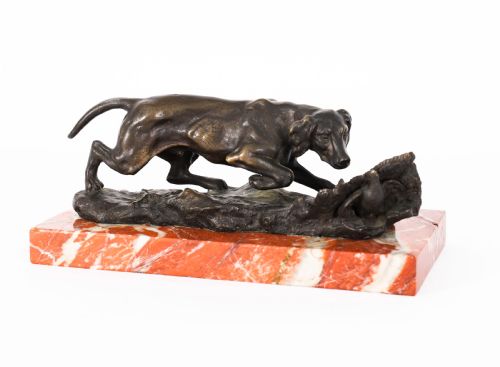
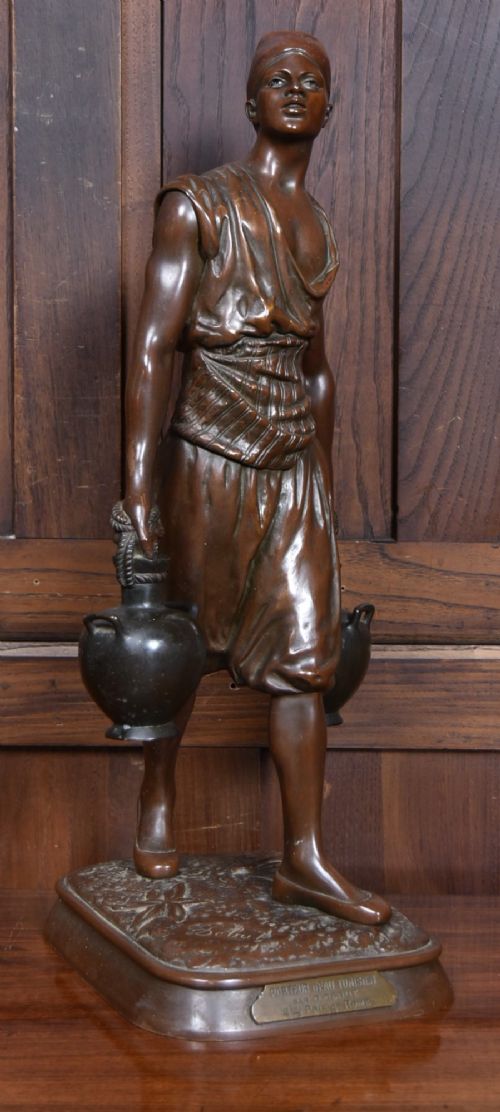
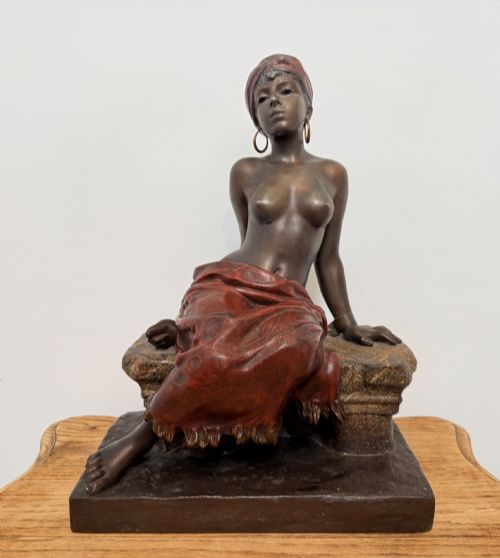
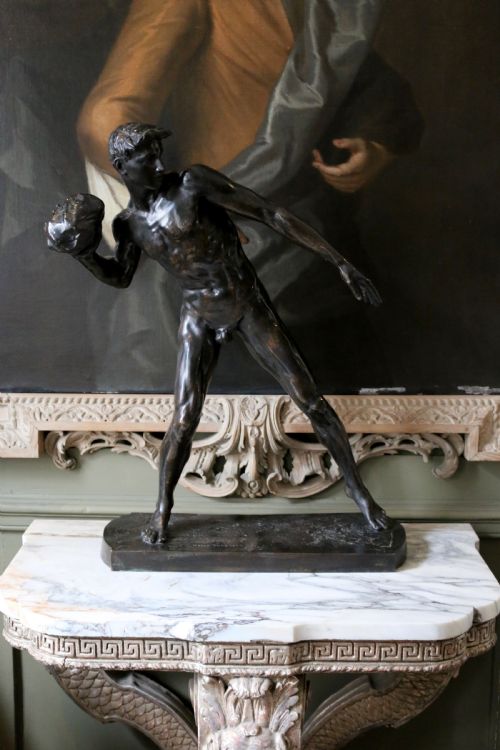
A victorian bronze figurine encompasses small cabinet sculptures, animal studies and classical figures produced during the nineteenth century. The examples met most frequently on this page originate from French workshops, British studios and Austrian foundries.
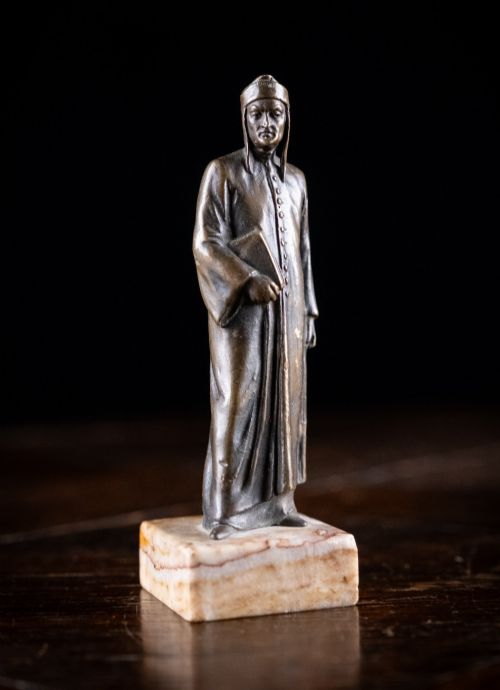
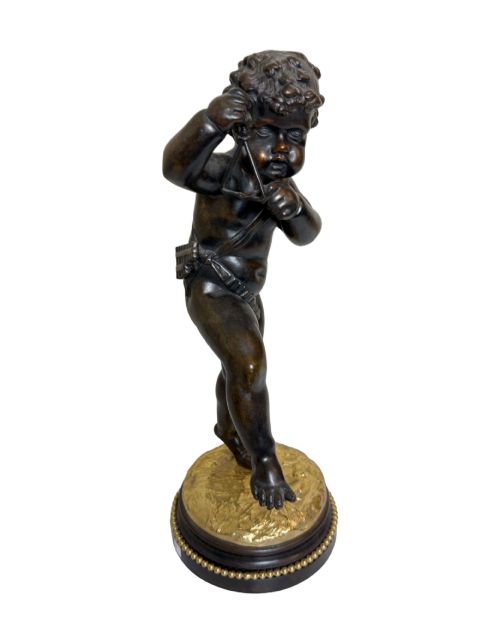
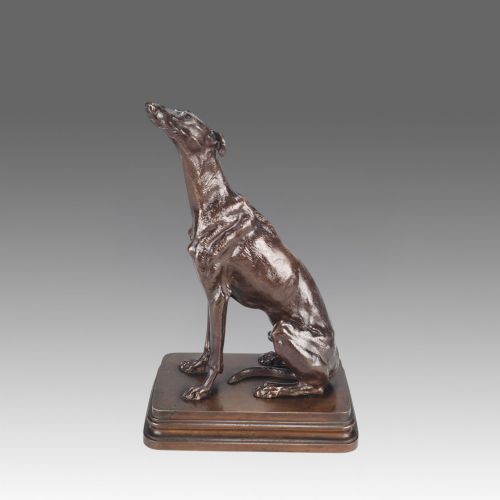
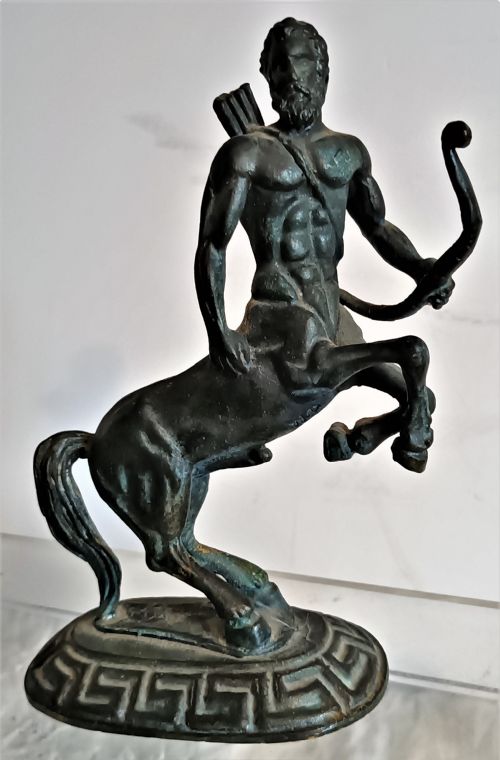
Makers focused on naturalistic animalier subjects, mythological figures and Grand Tour souvenirs of classical antiquities. These pieces often stand upon marble bases or incorporate brass, ormolu and cold-painted finishes.
The selection ranges from utility objects such as bookends and inkwells to pure sculptural figures depicting literary characters, historical figures and theatrical birds.
Materials and casting
Foundries utilised the lost-wax method or sand-casting techniques to shape molten bronze into intricate figures. Artisans then applied various surface treatments, including dark patination, rich ormolu highlights and bright cold-painted enamels.
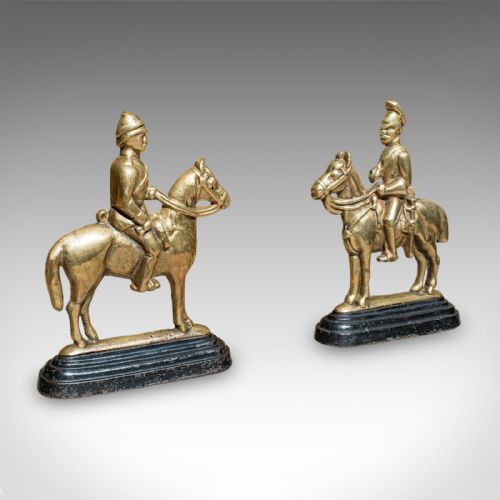
Many sculptures incorporate integrated or separate marble bases to provide physical stability and aesthetic contrast. Wood and brass elements additionally appear in functional objects like bookends and inkwells.
Materials recorded across the selection include solid bronze, patinated bronze, ormolu, marble, wood and cold paint.
Distinctions in quality
The precision of the chasing and finishing work separates superior castings from standard commercial production. Skilled artisans hand-tooled the cooled metal to define fur, feathers, drapery and facial expressions with sharp clarity.
The depth and consistency of the patination or the vibrancy of the cold-painted colours dictate the visual impact of the piece. Heavier metal gauge and substantial marble mounts also indicate higher production standards.
Carl Kauba·Louis Emile Cana·E Villanis·Hamo Thornycroft·Alfred Dubucand·P J Mêne·John Willis Good·Prosper Lecourtier·Jules Moigniez·Antoine Louis Barye·Jean Jules Salmson
The Victorian Bronze Figurine Glossary
- Animalier
- A nineteenth-century artistic movement focused on the realistic depiction of animals, particularly hounds, lions, horses and birds. Practitioners often studied anatomy closely at zoological gardens.
- Grand Tour
- A traditional trip through Europe undertaken by upper-class scholars and collectors to acquire classical antiquities and miniature bronze replicas of famous statues. These souvenirs often depict mythological figures and historical rulers.
- Patination
- The chemical treatment applied to the surface of metal to create colour and protect against corrosion. Dark green, brown and near-black tones predominate.
- Cold-painted bronze
- A manufacturing technique where paint is applied to cold metal without subsequent firing, commonly associated with Austrian novelty figures and animal studies.
- Ormolu
- Gilded bronze produced by applying a mercury-gold amalgam to the metal base and heating it. The technique yields a bright golden finish often used alongside patinated bronze.
Victorian Bronze Figurine: Frequently Asked Questions
What is a cold-painted bronze?
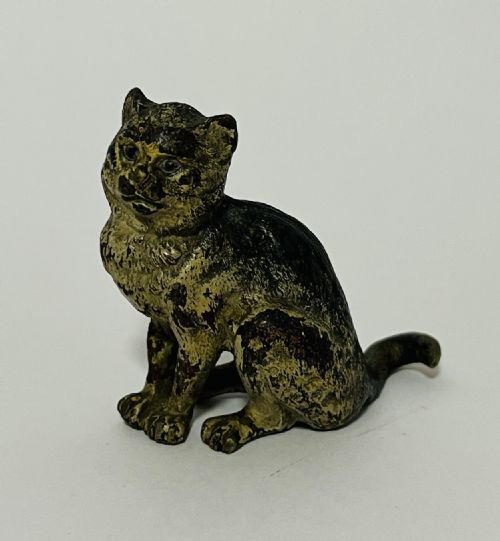
A cold-painted bronze is a metal figure decorated with unfired paint rather than enamel fused by heat. This technique allowed Austrian workshops to produce brightly coloured birds, cats and human figures.
Collectors look for the remaining traces of original pigment on the metal surface. These pieces often served decorative purposes on desks and mantelpieces.
How were grand tour bronzes used?
Grand tour bronzes served as portable souvenirs for travellers visiting classical sites in Italy and Greece during the nineteenth century. They allowed collectors to display miniature replicas of famous sculptures in their private homes.
These pieces typically represent classical deities, historical figures or architectural elements like sphinxes and lions. They generally sit on polished marble or slate bases.
Are animalier bronzes accurate?
Animalier bronzes display a strong commitment to anatomical realism inspired by scientific study and direct observation of captive animals. Sculptors spent hours sketching subjects in menageries to capture authentic movement and posture.
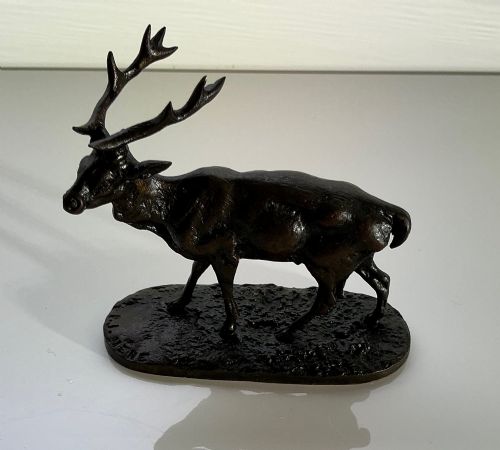
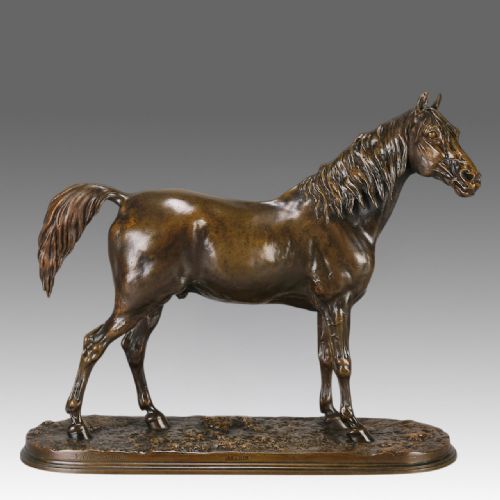
This movement produced detailed studies of hunting dogs, horses, stags and birds in dynamic poses. The works reflect the nineteenth-century fascination with natural history.
How do I identify a cast?
Identifying a nineteenth-century cast involves examining the sharpness of the surface details and the nature of the patination. High-quality pieces show crisp chasing work where the artist has refined the metal after casting.
Signatures or foundry marks inscribed in the base provide further clues to the origin of the sculpture. Weight and the quality of the supporting marble base also help determine the standard of manufacture.