


Male Nude Statue
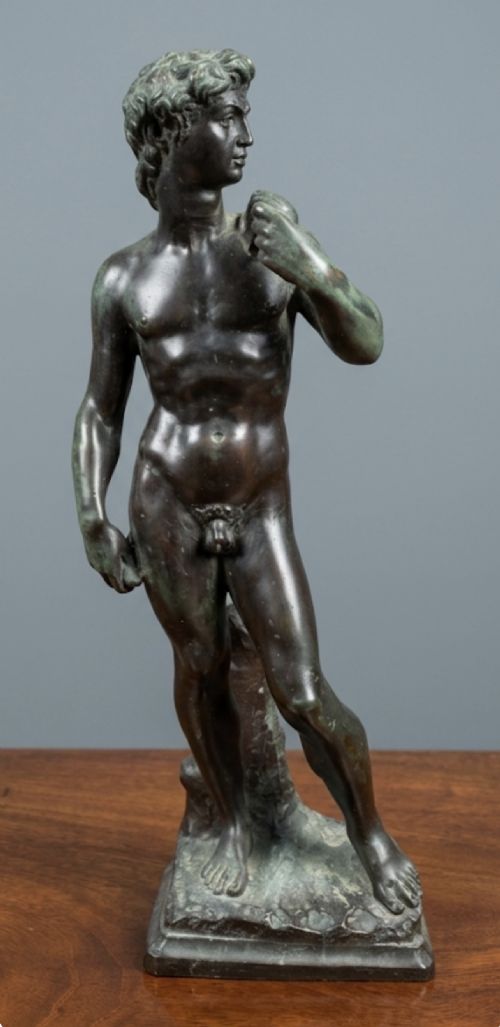
A male nude statue brings classical form and anatomical study into a room, most often seen here as nineteenth century Grand Tour bronzes after ancient models.
Male Nude Statue
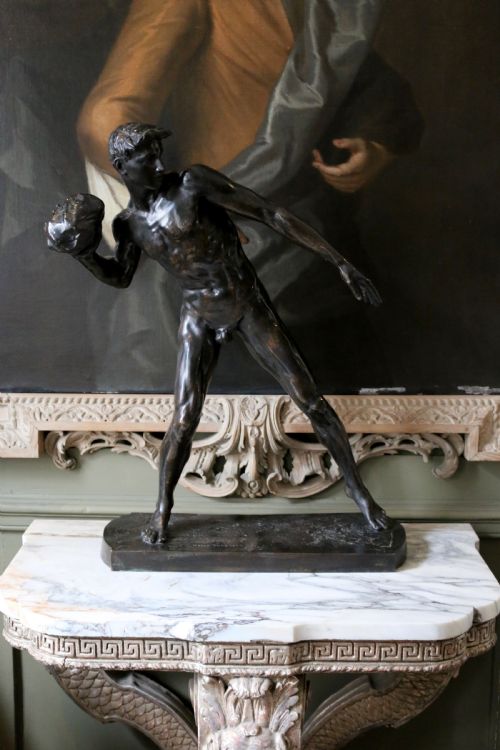
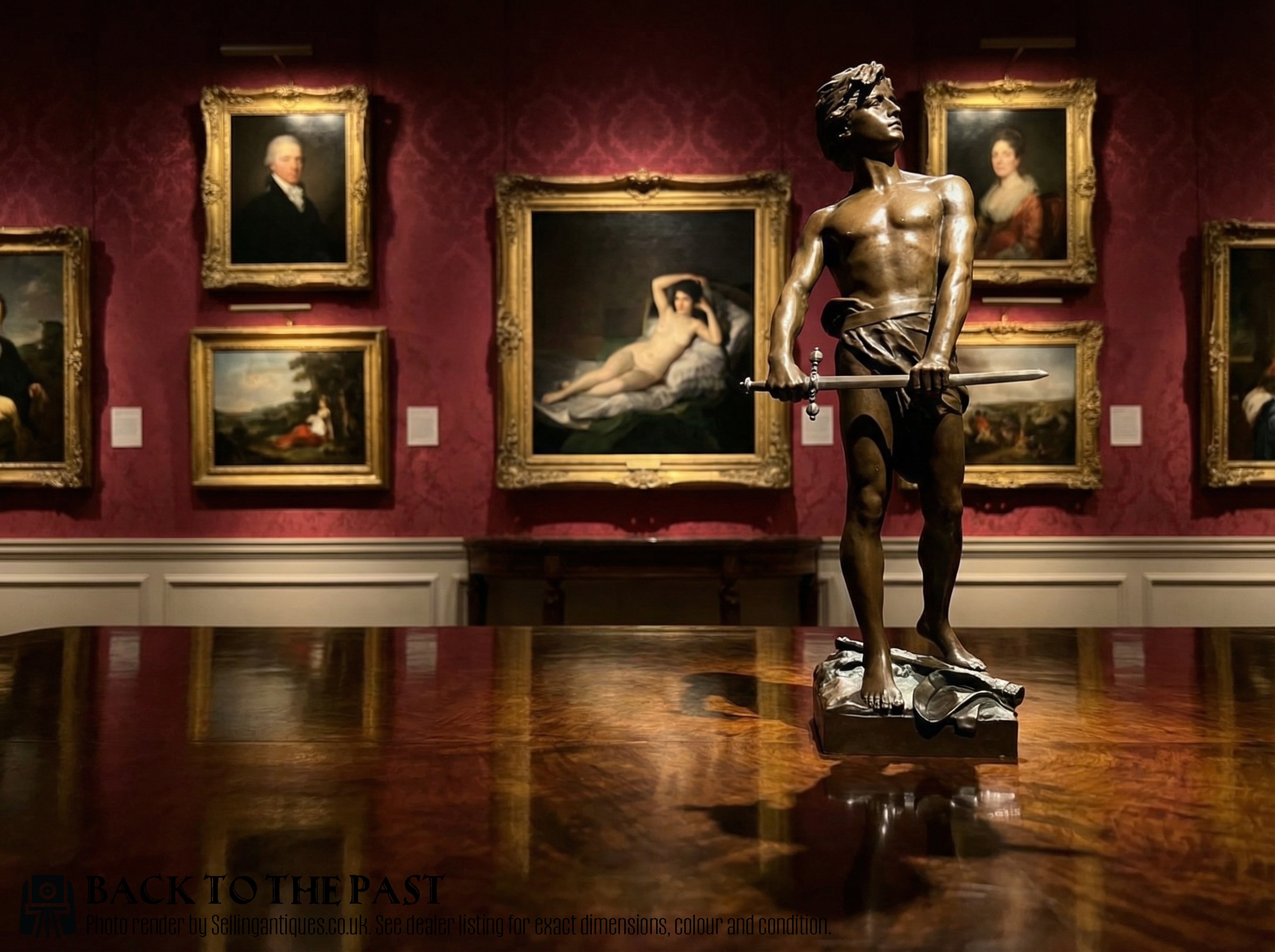
When you search for a male nude statue, you encounter classical and neoclassical figures rooted in antique sculpture, representing athletes, gods, and warriors. These pieces range from small Grand Tour souvenirs to large scale academic bronzes produced across the nineteenth and early twentieth centuries.
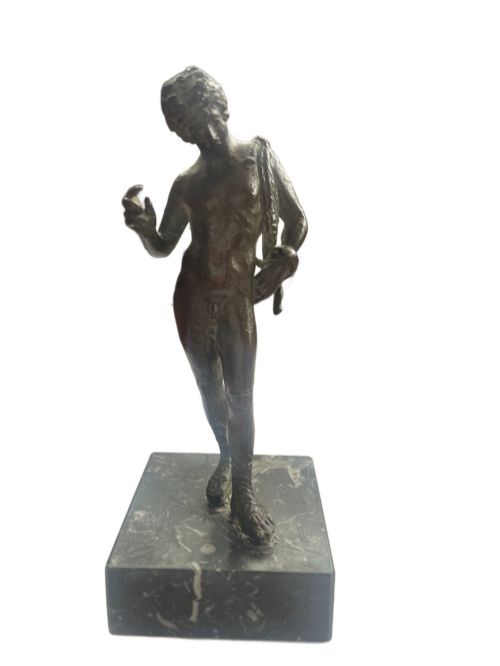
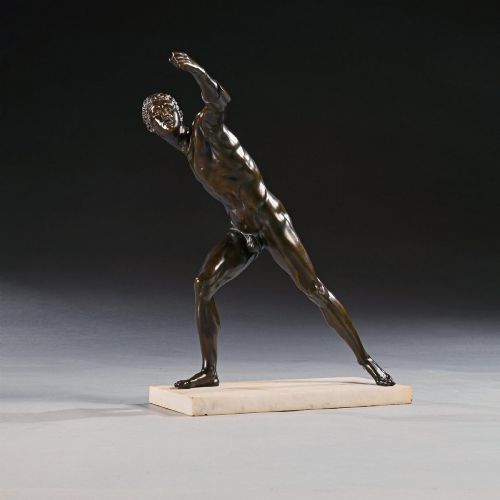
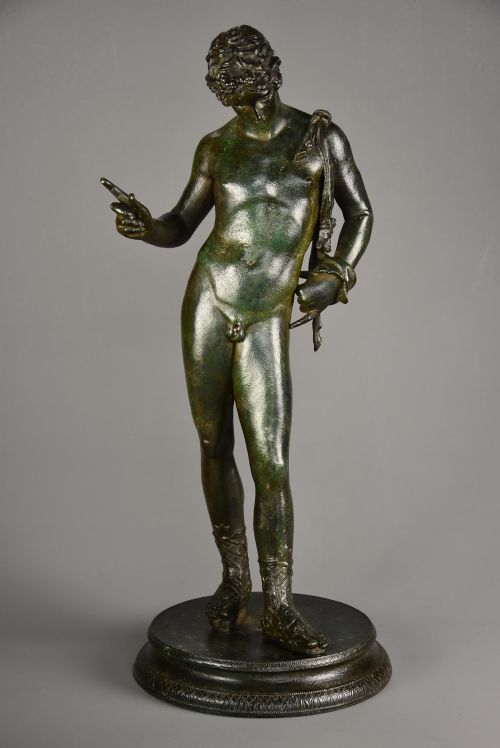
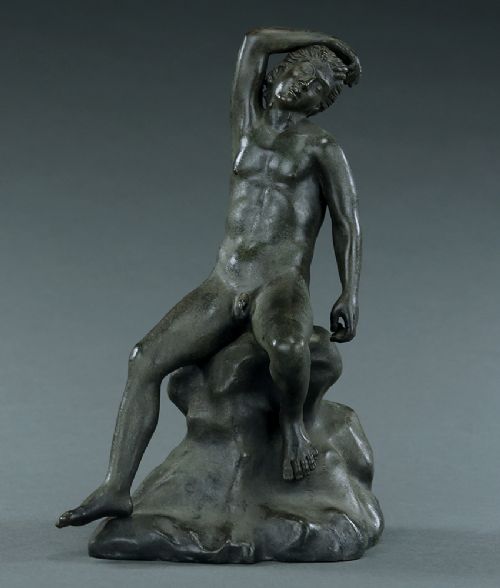
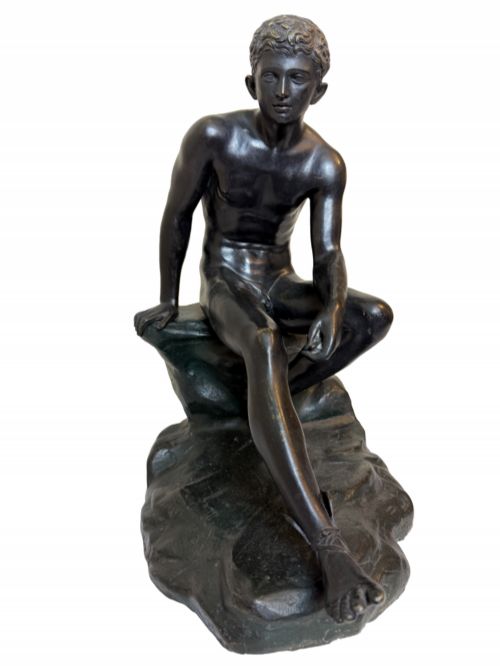
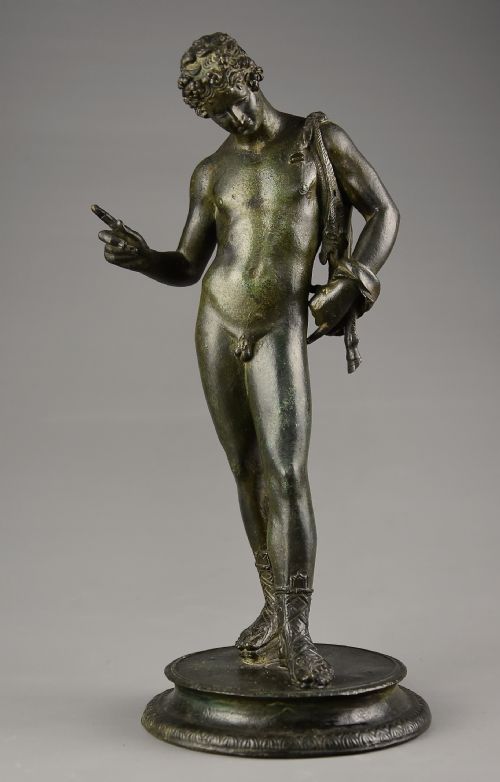
The most common examples on this page are Neapolitan and French bronze reductions of famous subjects like Narcissus, the Borghese Gladiator, and various fauns and athletes. They are cast after ancient originals found in Italian excavations, translating museum marbles into cabinet and mantelpiece bronzes.
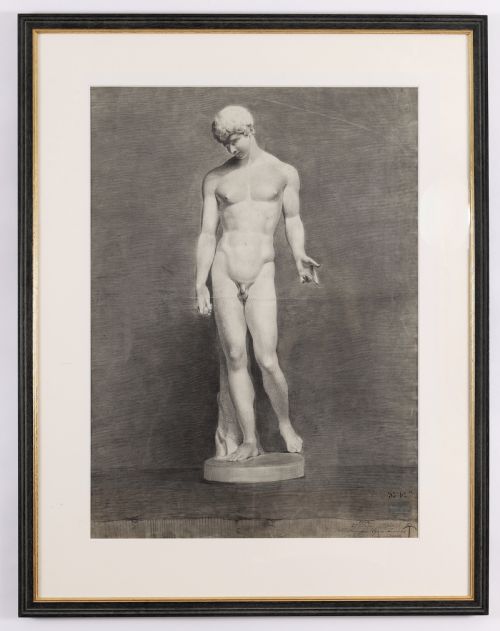
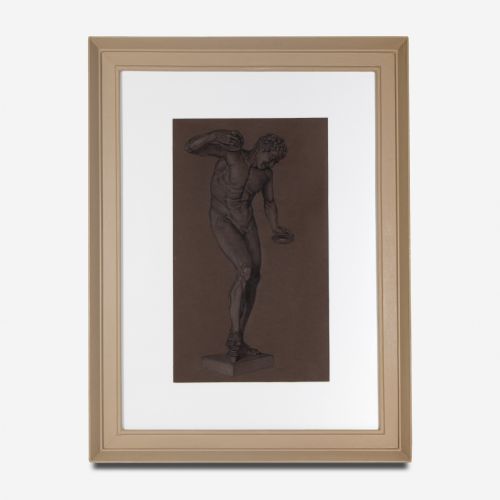
Beyond metal casts, the selections extend to carved marble, fossil marble bases, terracotta, hard wood torsos, and framed works on paper. Each object captures the nineteenth century preoccupation with the heroic human form derived from classical antiquity.
How they were made
Foundry casters utilised the lost wax method or sand casting to reproduce intricate musculature and posture in bronze. Patination was applied by hand using chemical treatments to achieve various shades of green, verdigris, and dark brown finishes.
Carvers shaped solid blocks of marble and hard wood using chisels and rasps to define the contours of the torso and limbs. Bases were frequently constructed from contrasting fossil marble or fitted with turned wooden plinths to support the weight of the metal figures.
Several bronze figures of Narcissus spend their eternity admiring their own reflections on fossil marble.
What varies in quality
The depth and richness of the chemical patination dictate the visual weight of the surface, with uneven or flat colour indicating lesser craftsmanship. Similarly, the selection of the mounting material, such as figured fossil marble for the base, contributes to the overall authority of the piece.
Hamo Thornycroft·Eugene Barillot·Franz Iffland·Michele Amodio
The Male Nude Statue Glossary
- Grand Tour
- A traditional trip through Europe undertaken by upper class travellers in the eighteenth and nineteenth centuries to study classical art. Souvenirs purchased along the route included small scale bronzes of famous antique statues.
- Patination
- The chemical or natural coloration of a metal surface resulting from age or applied treatments. Bronzes on this page frequently exhibit dark brown or green patinations.
- Lost wax
- A method of metal casting where a wax model is rendered into a mould and replaced with molten bronze. This technique allows for complex undercuts and fine anatomical details.
- Neoclassical
- A Western cultural movement drawing inspiration from the art and culture of classical antiquity. This style heavily influences the heroic poses and proportions seen in these sculptures.
Male Nude Statue: Frequently Asked Questions
What periods do these statues come from?
The pieces span the nineteenth and early twentieth centuries, with a heavy concentration of items produced around eighteen eighty.
Many adopt earlier classical styles originating from Greek and Roman antiquity.
Where were Grand Tour bronzes made?
Workshops in Naples and France produced the majority of these souvenir bronzes for travelling collectors.
Foundries utilised ancient models housed in Italian museums to create accurate small scale reductions.
How should I display a bronze statue?
These sculptures suit placement on desks, side tables, or dedicated pedestals where lighting catches the patinated surface.
Ensure the supporting furniture is stable, as materials like marble and cast bronze carry substantial weight.
How do I identify the subject of a figure?
Subjects often repeat classical archetypes such as Narcissus gazing downward, dancing fauns, or athletes holding discuses.
Inscriptions on the base or specific attributes like animal skins and rocks provide clues to the identity.