


Antique Bronze Warrior
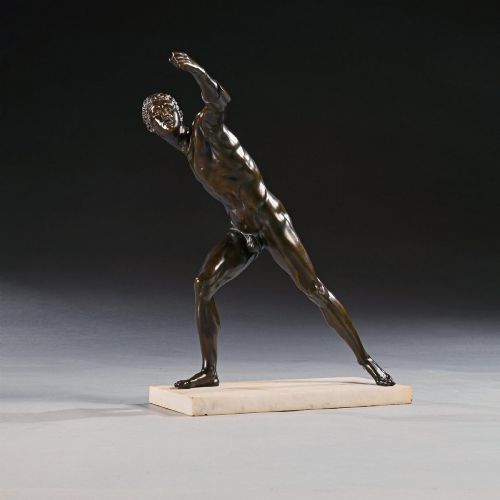
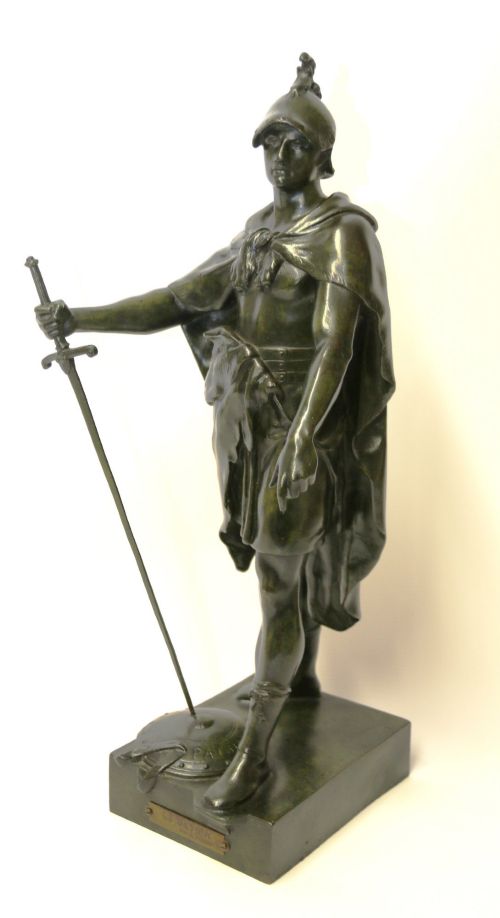
An antique bronze warrior stands as a monument to past conflicts, capturing figures from classical antiquity, Renaissance history, and global myth in metal.
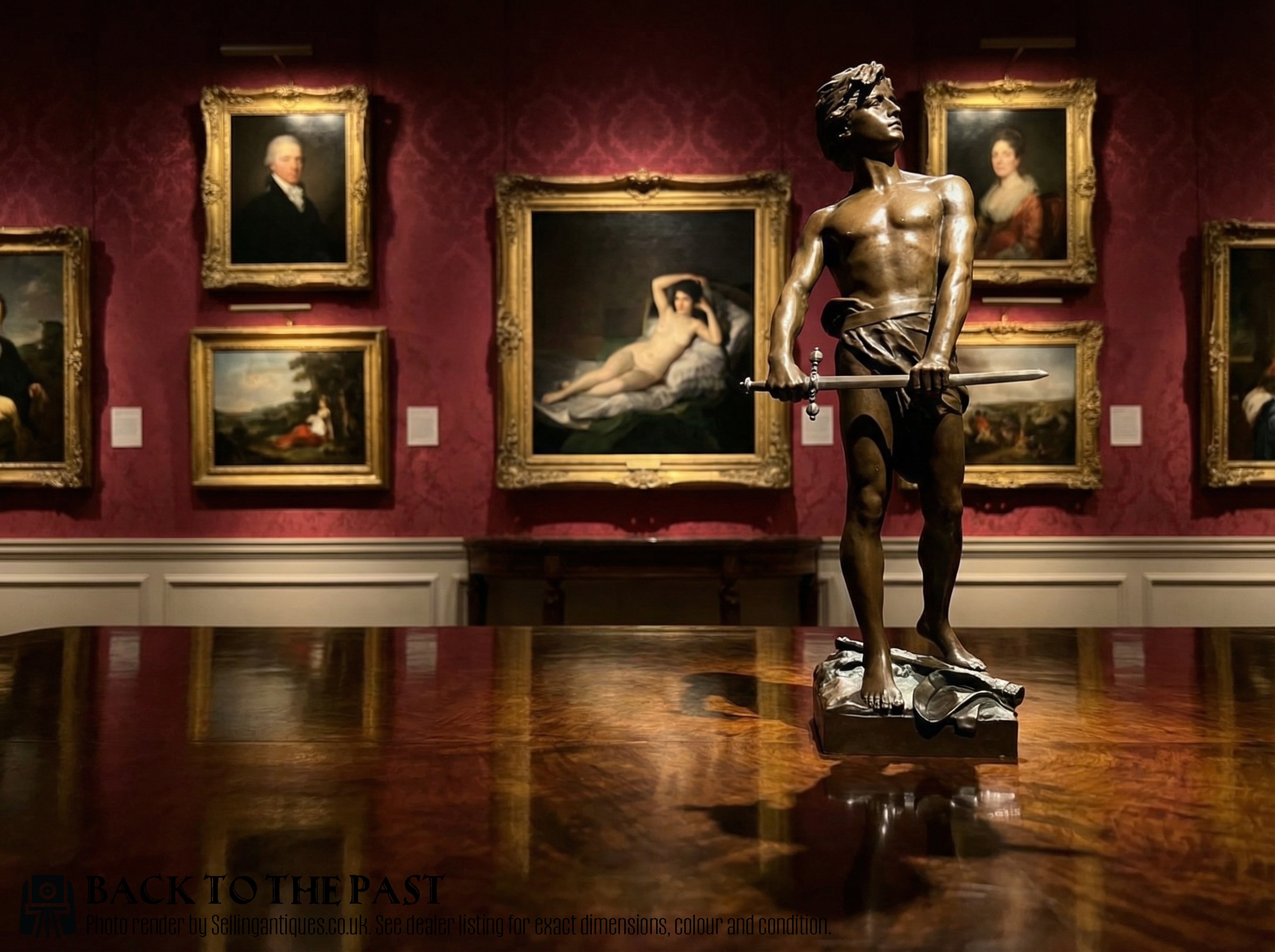
Antique Bronze Warrior
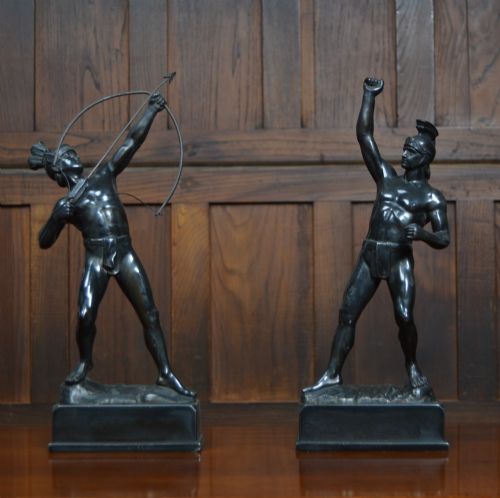
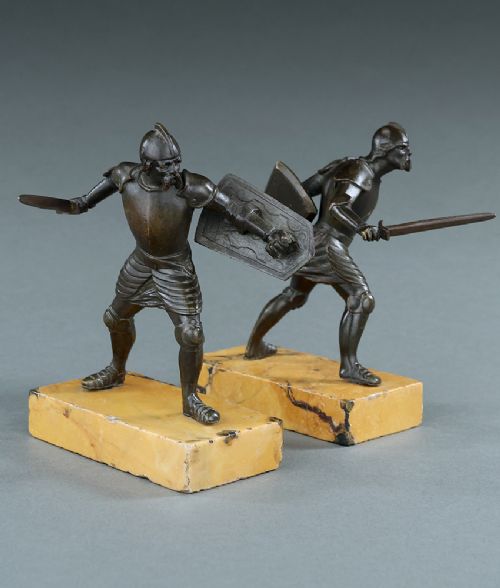
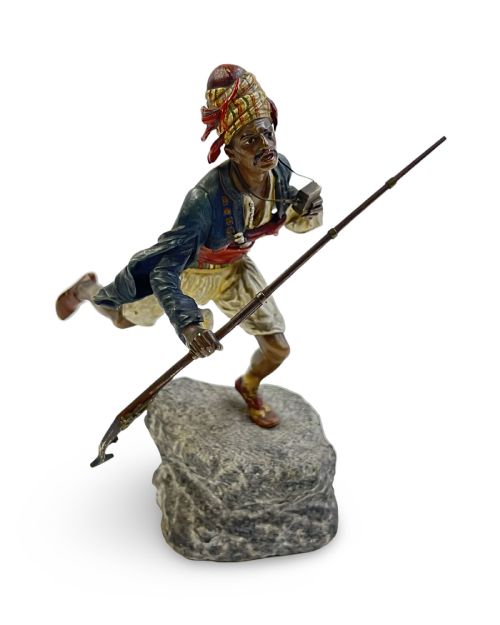
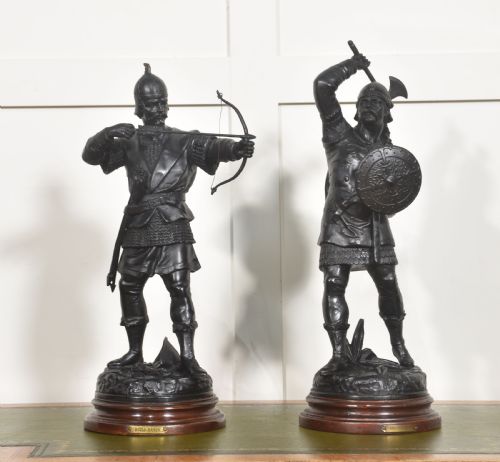
When a buyer investigates the category of antique bronze warrior, they encounter sculptures and statues representing historical soldiers, mythological combatants, and cultural fighters from various global traditions. These figures span the nineteenth and early twentieth centuries, drawing heavily on Neoclassical, Renaissance Revival, and Orientalist artistic movements. The most common manifestations on this page include French and Austrian cabinet bronzes depicting Roman gladiators, Greek archers, and Arab sentinels cast during the Victorian era.
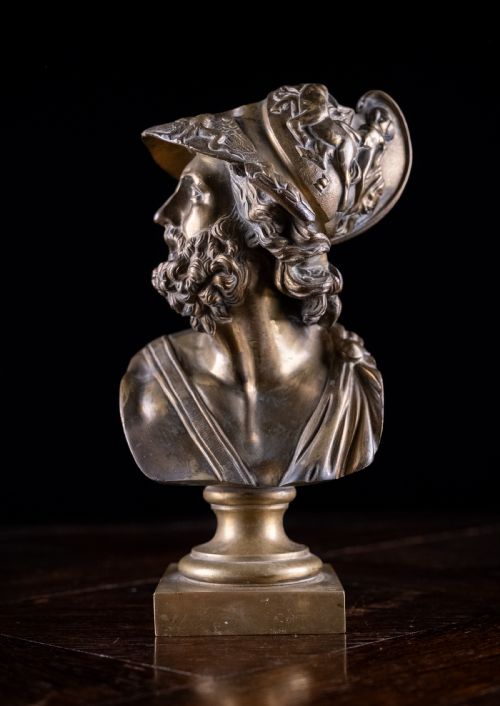
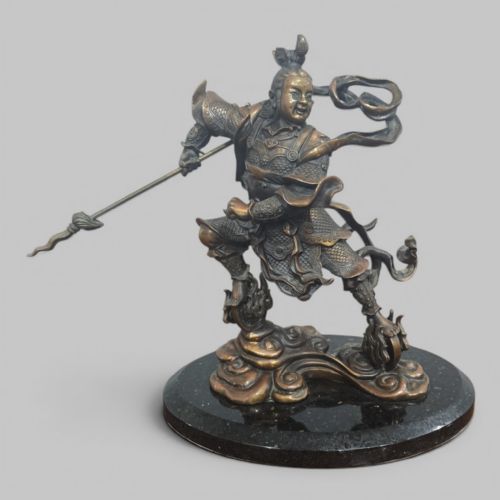
The subjects range widely across centuries and civilisations, encompassing figures like Ajax, Spartan kings, and medieval knights alongside African horsemen and Japanese Meiji period examples. Grand Tour souvenirs from Italy also feature prominently, offering reductions of classical statuary intended for nineteenth-century travellers. Buyers will find both small cabinet-sized figures and large scale sculptures intended as focal points for a room.

Materials and Casting Techniques
The primary material for these sculptures is bronze, an alloy of copper and tin that allows for fine detail and develops a rich patination over time. Founders frequently utilised the lost-wax casting method for complex figures, ensuring intricate armour, drapery, and weaponry were rendered sharply. Alternative metals such as spelter and zinc alloy appear in more economical nineteenth-century productions, often given a bronze-coloured finish to mimic the genuine alloy.
Surface finishes vary significantly across the period, ranging from traditional dark brown and green patinas to cold-painted polychrome treatments seen in Viennese workshops. Gilt bronze or ormolu appears on select busts and decorative mounts, while marble frequently serves as a heavy, contrasting base for standing figures.
Antique Bronze Warrior Retail Price Guide 2026
Typical asking prices for bronze warrior among the pieces listed under this phrase on Sellingantiques today, from the lower quarter to the upper quarter. They describe what is for sale here now, not the wider market.
The documented pieces span from the early nineteenth century through the Art Deco period of the 1930s.
Distinctions in Quality
Quality in these figures rests primarily upon the crispness of the chasing and the fidelity of the cast to the original model. Finer pieces display sharply defined facial expressions, individually rendered chainmail or armour links, and realistic musculature without the softening often found in secondary casts. The weight and density of the metal, along with the stability and material of the base, further distinguish superior studio output from mass-market alternatives.
The reputation of the foundry and the distinct signature of a known sculptor add tangible weight to a piece's artistic standing. Superior examples maintain their original patination intact, showing thoughtful hand-finishing rather than modern repainting or excessive cleaning that strips away historical surface character.
Émile Louis Picault·Franz Xaver Bergman·Eugene Barillot·Raoul Francois Larche·Franz Iffland·Emile Laporte·Richard Aurili
The Antique Bronze Warrior Glossary
- Patina
- The surface sheen and coloration developed naturally over time or applied chemically by the foundry. It protects the metal and adds depth to the sculptural details.
- Spelter
- A zinc alloy commonly used as a less expensive substitute for bronze during the nineteenth century. It is softer and lighter than genuine bronze.
- Cold-painted
- A method where paint is applied to a bronze sculpture without subsequent firing or heat treatment. This technique is particularly characteristic of Viennese animal and figure bronzes.
- Grand Tour
- A cultural journey undertaken by nineteenth-century Europeans to classical sites in Italy. Travellers purchased bronze souvenirs and reductions of famous ancient statues.
- Lost-wax
- A casting process where a wax model is melted out from a mould to create a cavity for molten metal. This allows for intricate undercut details in sculptural work.
Antique Bronze Warrior: Frequently Asked Questions
What is a Grand Tour bronze warrior?
Grand Tour bronzes were smaller scale reductions of classical or Renaissance sculptures purchased by travellers in Italy during the nineteenth century. These pieces served as scholarly souvenirs of educational journeys across Europe.
They allowed collectors to bring miniature versions of famous museum statues into their private studies and libraries.
How do I tell bronze from spelter?
Bronze is heavier, colder to the touch, and rings with a clear tone when tapped gently, whereas spelter feels lighter and softer. Spelter also tends to show grey or white metal beneath worn areas of its surface coating.
Examining the underside or areas of natural wear often reveals the distinct base metal underneath the patina.
Where were cold-painted bronzes made?
Cold-painted warrior figures were primarily produced in Vienna during the late nineteenth and early twentieth centuries. These workshops specialised in vibrant, detailed polychrome surface treatments.
Artists in these Austrian foundries applied pigment by hand to create exotic costumes and realistic military regalia.
How should I clean an antique bronze?
Antique bronzes require very little maintenance beyond gentle dusting with a soft, dry brush. Harsh chemical cleaners or polishes will strip away the historical patina and diminish the value of the piece.
Applying a light microcrystalline wax can protect the surface metal from atmospheric moisture and handling.