


Bronze Warrior Figure
When you search for a bronze warrior figure, you enter a world of gladiators, knights, and mythical heroes captured in metal.
Bronze Warrior Figure
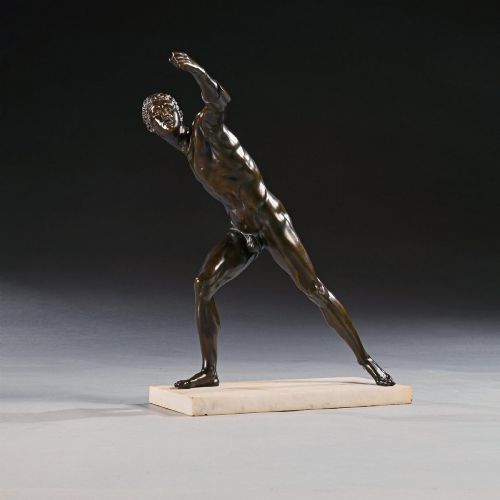
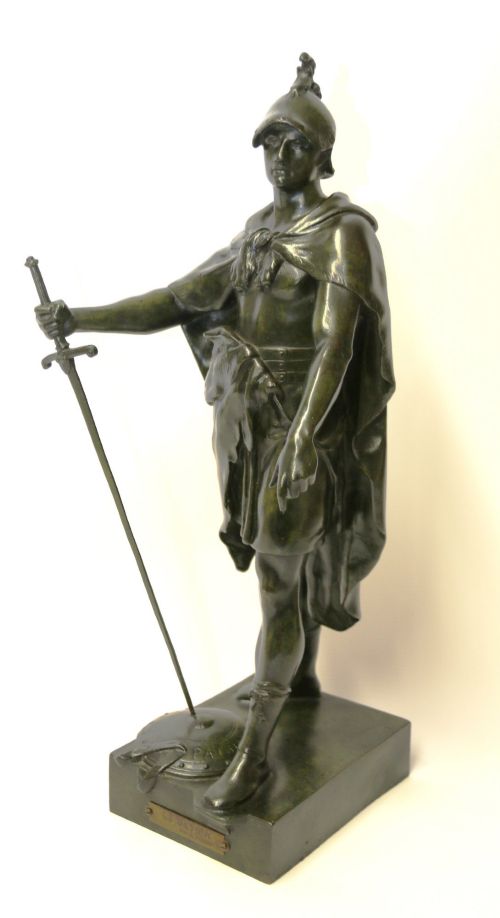
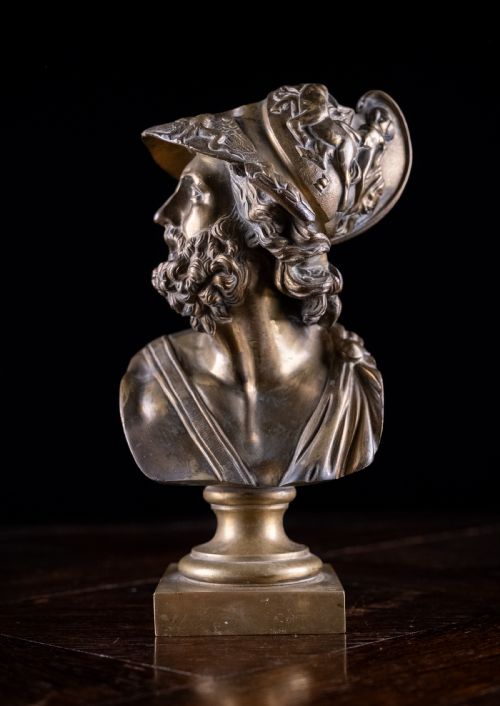
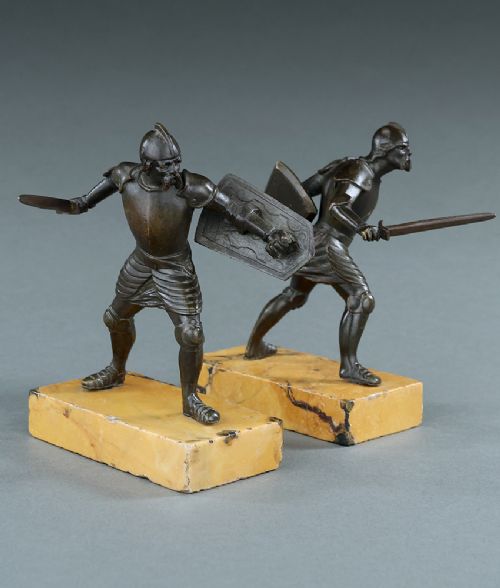
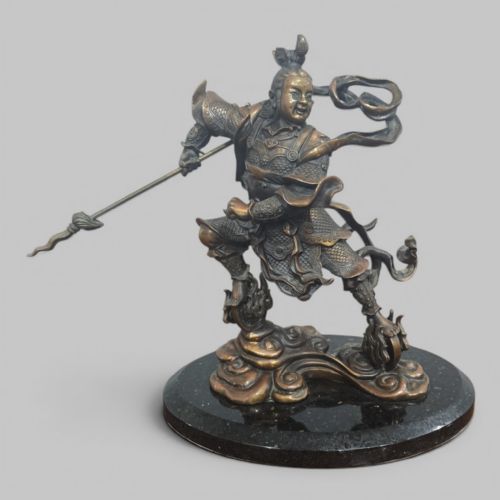
A bronze warrior figure embodies historical heroism, mythological might, and exotic romanticism through sculptural form. These pieces depict figures ranging from ancient Roman gladiators and Greek archers to Renaissance knights, African horsemen, and Moorish sentinels.
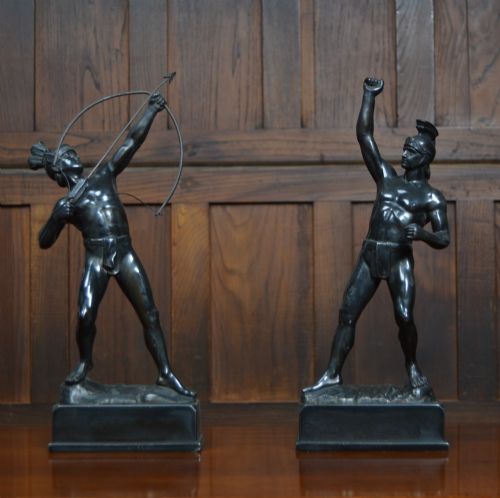
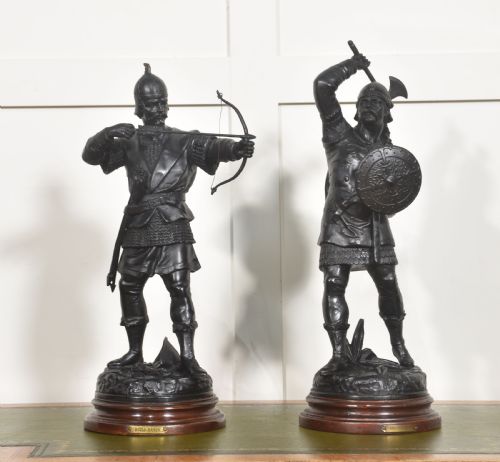
The most common examples encountered on this page date from the nineteenth century, reflecting a fervent Victorian appetite for classical revival, grand tour souvenirs, and orientalist subjects. Sculptors drew upon antiquity, medieval history, and global exploration to create statues, busts, and pairs of figures.
Subjects vary widely from named historical commanders like Hannibal, Saladin, and Vercingetorix to anonymous soldiers, archers, and hunters. Whether cast as monumental works or smaller cabinet bronzes, these objects serve as dramatic focal points rooted in historical narratives.
Materials and casting methods
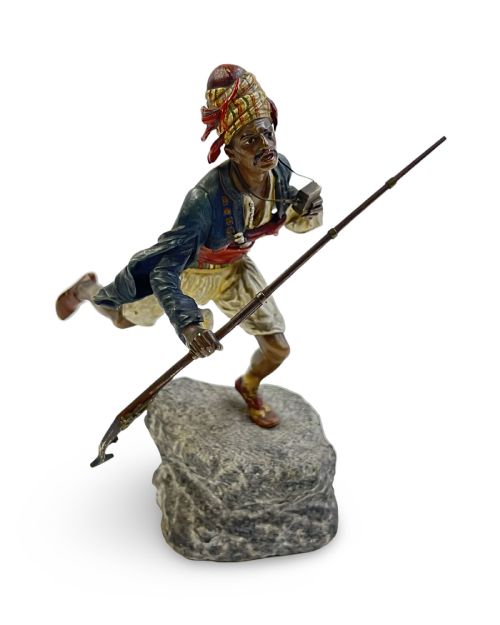
Foundry work relies heavily on traditional casting methods to capture intricate details in metal, often utilising bronze or alternative alloys like spelter and brass. Many nineteenth-century and early twentieth-century pieces employ patinated bronze to create deep, dark tones, occasionally enhanced by cold-painted polychrome details or partial gilding.
Surfaces frequently rest on heavy bases made of marble, providing stability and visual contrast to the metallic figures. Artisans chased and finished the metal surfaces by hand, ensuring that armour, weapons, and musculature display sharp definition and realistic texture.
Periods represented span from the nineteenth century through the 1950s, encompassing Victorian and Art Deco eras.
Distinctions in craftsmanship and finish
Quality in these sculptures rests primarily on the sharpness of the casting and the precision of the hand-chasing applied after the metal cools. Superior examples exhibit finely articulated chain mail, realistic facial expressions, and well-proportioned anatomy without surface pitting or obscured details.
The sophistication of the patina and the integrity of the secondary materials, such as genuine marble plinths or cold-painted pigments, separate master foundry output from commercial production. Signed works by recognised sculptors command attention through superior compositional balance and expressive vigour.
Émile Louis Picault·Franz Xaver Bergman·Raoul Francois Larche·Franz Iffland·Richard Aurili
The Bronze Warrior Figure Glossary
- Patina
- The surface coloration or sheen developed on bronze over time or applied chemically by the foundry. It protects the metal and defines the sculptural contours.
- Spelter
- A zinc alloy commonly used as a cheaper alternative to bronze during the nineteenth and twentieth centuries. It is softer and typically shows a applied bronze-like finish.
- Grand Tour
- A cultural journey undertaken by wealthy Europeans in the nineteenth century, resulting in the acquisition of small-scale bronze replicas of classical antiquities.
- Cold-painted
- A technique where paint is applied to a metal sculpture without firing, popular in Vienna during the late nineteenth and early twentieth centuries.
- Chasing
- The manual finishing process where a metalworker refines the surface of a cast bronze using hammers and punches to clear out details.
Bronze Warrior Figure: Frequently Asked Questions
What is a cold-painted bronze?
Cold-painted bronzes feature polychrome painted details applied directly to the metal surface without high-temperature firing. This technique gained immense popularity in Vienna workshops around nineteen hundred.
Such pieces often depict exotic orientalist subjects, warriors, and animals with vibrant, lifelike colour schemes that require careful handling to preserve the delicate paint.
How do I distinguish bronze from spelter?
Bronze is a heavy, durable copper alloy that rings slightly when struck and accepts rich chemical patinas. Spelter is a zinc-based metal that feels lighter, appears softer, and often reveals a greyish base metal where the surface coating has worn away.
Many nineteenth-century decorative figures were cast in spelter as an affordable alternative to solid bronze.
What are Grand Tour bronzes?
Grand Tour bronzes are reduced-scale replicas of famous classical sculptures, ruins, and monuments collected by travellers exploring Italy and Greece during the eighteenth and nineteenth centuries.
These souvenir pieces allowed collectors to bring classical antiquity and heroic figures back into their nineteenth-century homes.
Where should I display a large warrior sculpture?
Large bronze and spelter figures require sturdy support such as heavy wooden consoles, marble-topped pedestals, or robust sideboards due to their substantial weight. Placing them away from direct moisture prevents patina degradation.
Their commanding vertical presence makes them ideal focal points in studies, libraries, or entrance halls.