


Asian Bronze Deity
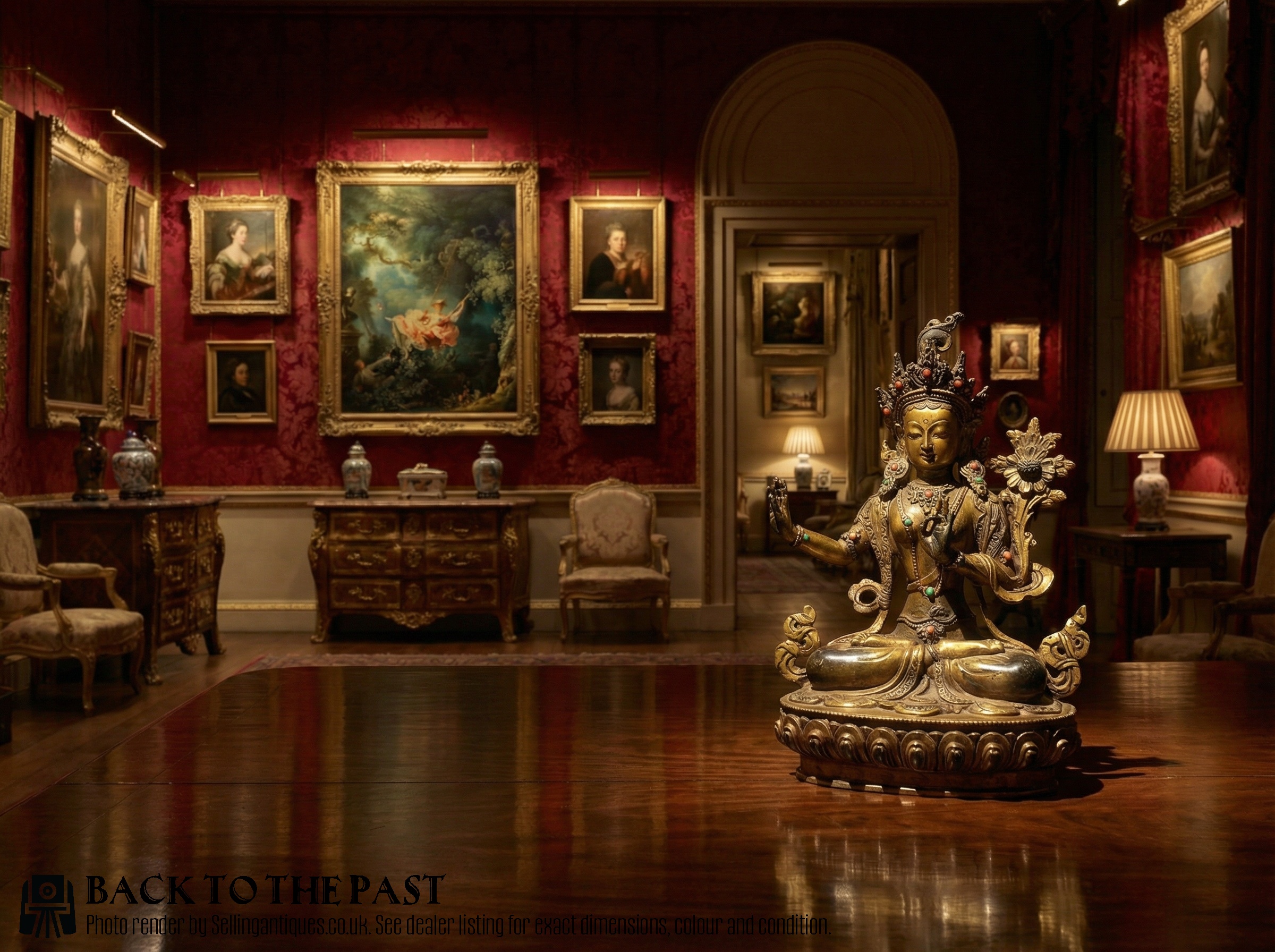
An asian bronze deity brings centuries of ritual history and sculptural devotion directly into a room.
Asian Bronze Deity
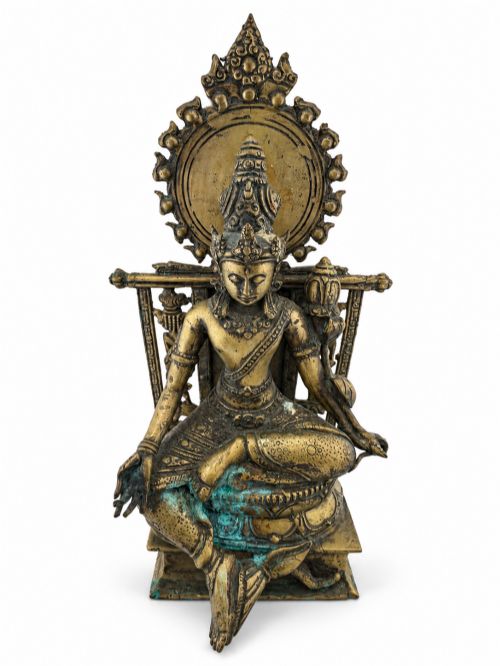
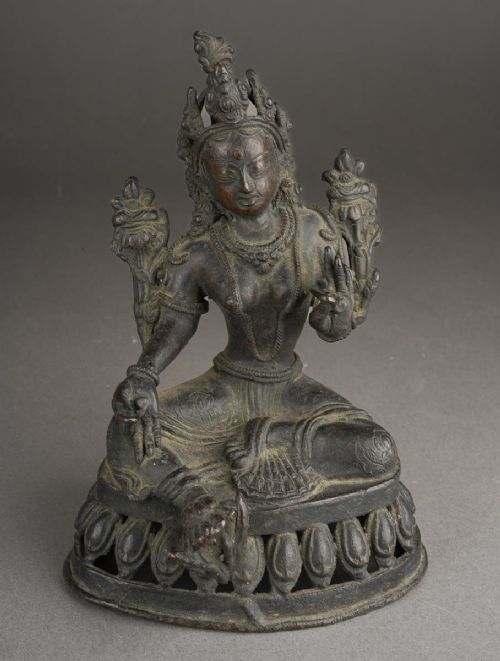
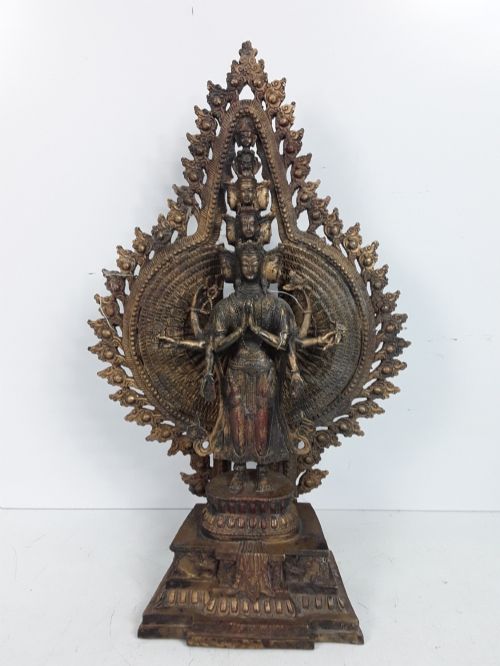
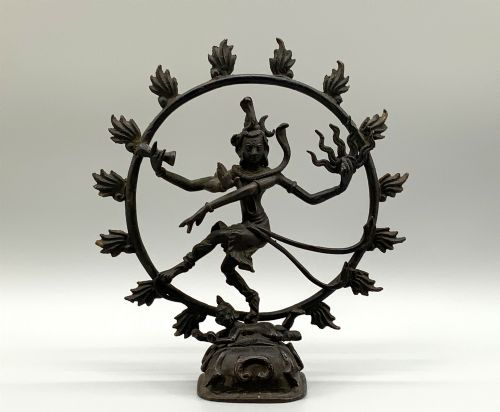
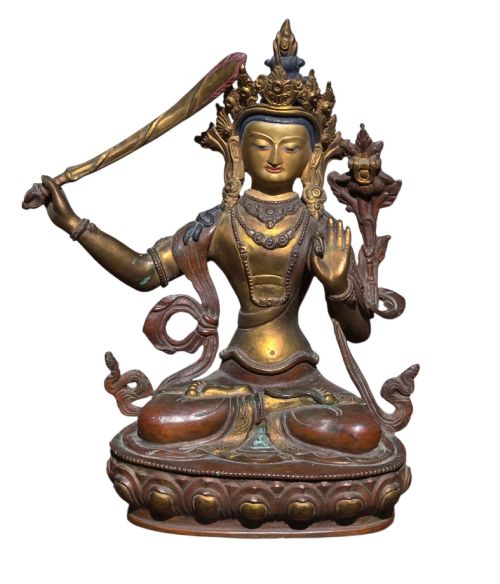
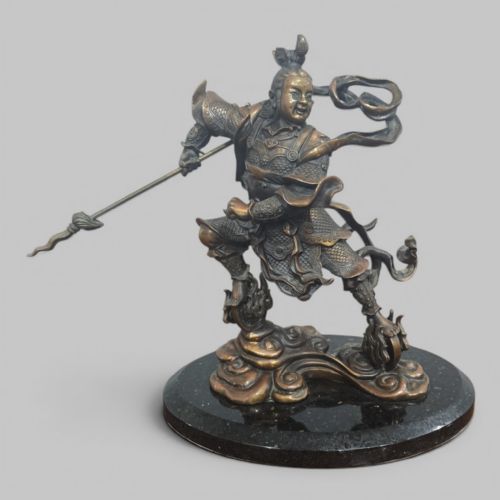
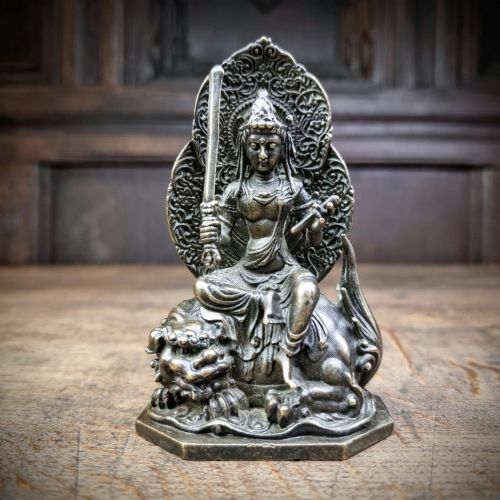
When you search for an asian bronze deity, you encounter cast metal figures spanning centuries of religious and artistic traditions across the continent. These sculptures depict revered spiritual figures including Buddha, Tara, Avalokiteshvara, Shiva, and various bodhisattvas originating from Tibet, Nepal, India, China, Java, Burma, and Thailand.
You are most likely to meet nineteenth-century bronzes on this page, alongside earlier pieces from the sixteenth and seventeenth centuries and occasional pre-sixteenth century examples from Java. The forms range from small shrine statues measuring fourteen centimetres to substantial figures reaching fifty-seven centimetres in height.
The regional styles vary distinctly, encompassing Sino-Tibetan Buddhist iconography, Javanese classical sculpture, and Hindu deities such as Shiva Nataraja and Vishnu. These statues function simultaneously as devotional icons, ritual objects, and significant works of Asian metalwork art.
Quality Variations
Material application also dictates quality, particularly the evenness and retention of fire gilding or the careful placement of mineral inlays and turquoise. Greater artistic expression in the posture and expression of the deity elevates a sculpture above standard workshop production.
Materials documented across the inventory include bronze, copper alloy, gilt bronze, brass, pigment, marble, mineral inlays, and turquoise.
The Asian Bronze Deity Glossary
- Bodhisattva
- An enlightened being who defers Buddhahood to assist others on the spiritual path. These figures are typically adorned with princely garments, crowns, and jewellery.
- Gilt Bronze
- Metal coated with a thin layer of gold, often applied using a mercury amalgamation technique in traditional Asian manufacturing. This treatment creates a durable, radiant finish that survives centuries.
- Lost-wax casting
- A metalworking method where a wax model is encased in clay, melted out, and replaced with molten bronze. This technique permits complex undercuts and delicate anatomical rendering.
- Copper Alloy
- A broad metallurgical term covering various mixtures of copper combined with tin, zinc, or other metals. Many early Javanese and Himalayan sculptures are cast in these dense metallic compositions.
- Tara
- A female buddha in Tibetan Buddhism who embodies the virtues of compassion and liberation. She appears in various forms, most commonly seated or standing upon a lotus base.
Asian Bronze Deity: Frequently Asked Questions
How do I identify a Tibetan bronze?
Tibetan bronzes typically display distinct regional iconography such as lotus pedestals, specific hand mudras, and localized crown styles associated with Buddhist practice.
They often incorporate cold-painted pigments on the face or turquoise inlay within the jewellery and ornaments.
What is the difference between a Buddha and a Bodhisattva?
A Buddha has achieved full enlightenment and wears simple monastic robes without elaborate jewellery or crowns. A Bodhisattva remains in the earthly realm to guide others and is depicted wearing princely garments, necklaces, and diadems.
Both forms appear frequently among Asian metal sculptures.
How should I clean an antique bronze?
You should generally leave antique bronzes uncleaned to preserve their historical patination and surface integrity. Dusting with a soft, dry brush is sufficient for routine maintenance.
Avoid commercial metal polishes or liquids, which strip away valuable age-related surfaces.
Why do some figures have coloured pigments?
Pigments were applied to the faces and hair of sculptures as part of traditional consecration rituals in temples and household shrines. Traces of these mineral colours remain visible on many Himalayan and Tibetan pieces.
These additions indicate active ritual use rather than decorative later alterations.