


Gold Bronze Deity
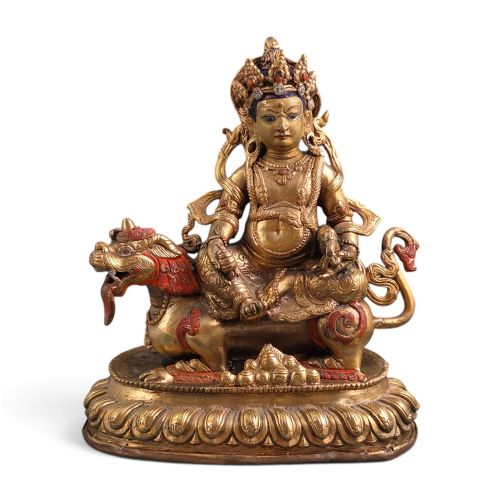
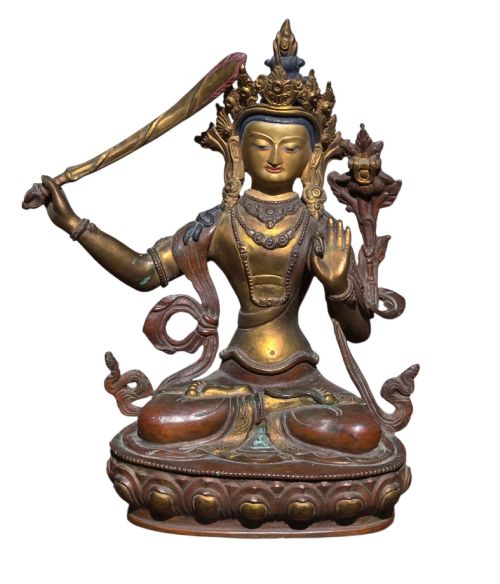
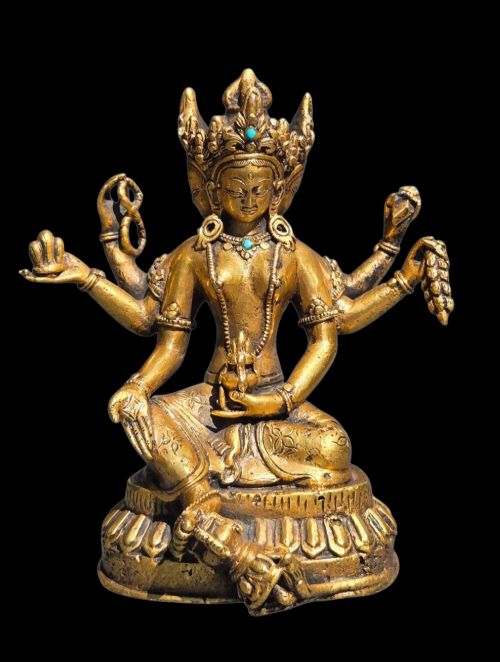
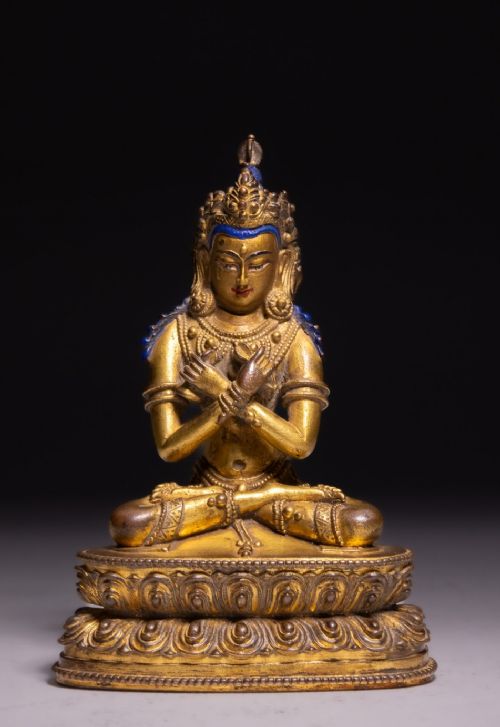
These gold bronze deity sculptures bring centuries of ritual craftsmanship into the home, offering striking devotional forms from Himalayan, Southeast Asian and Javanese traditions.
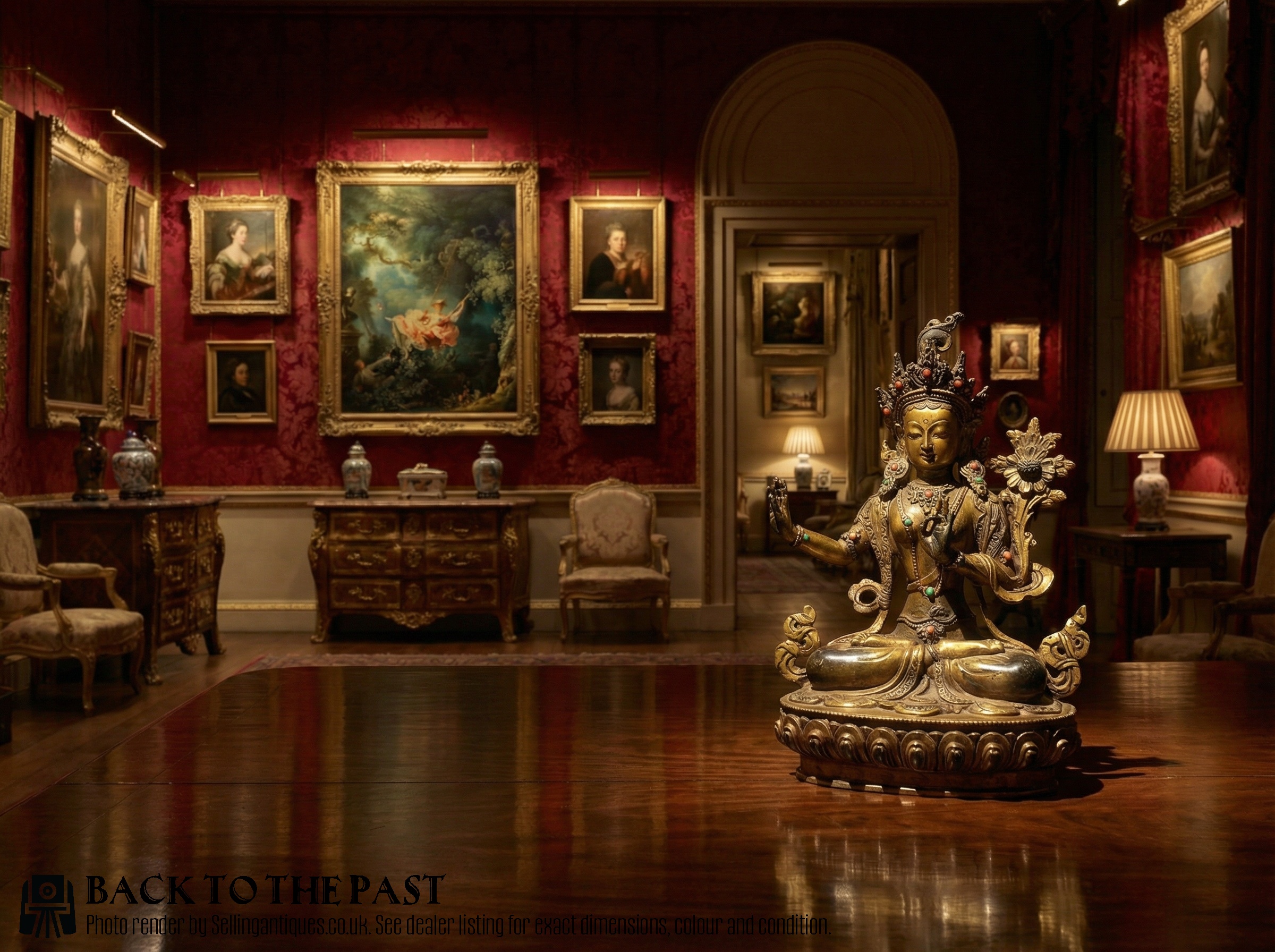
Gold Bronze Deity
When you search for gold bronze deity, you are looking at cast metal devotional sculptures spanning Tibetan, Sino-Tibetan, Javanese Classical and Thai traditions. These figures represent revered spiritual beings including Buddhas, Bodhisattvas, and protective deities like Mahakala.
The pieces on this page are most commonly found in gilt bronze, copper alloy, and brass, often enriched with mineral inlays such as turquoise and coral, or traces of pigment. Forms range from seated figures on lions and lotus bases to intricate multi-armed deities and incense burners.
Originating from periods stretching from pre-sixteenth century Javanese works up to early twentieth-century Sino-Tibetan and Chinese pieces, these sculptures vary widely in regional style. Buyers will encounter both refined gilt metal statuettes and solid polished bronze ritual objects.
What varies in quality
The refinement of the casting and the crispness of the chased details separate finer sculptural work from simpler production. Masterful modeling in the facial expressions, flowing garments, and anatomical proportions indicates a higher level of artisan skill.
The preservation of original gilding and the quality of mineral inlays heavily influence the visual impact of a piece. Intact pigment remains and secure, well-matched turquoise or coral stones contribute significantly to the integrity of the object.
Materials recorded across the selection include gilt bronze, brass, copper alloy, turquoise, coral, and applied pigment.
The Gold Bronze Deity Glossary
- Gilt Bronze
- Bronze metal that has been coated with a thin layer of gold or gold leaf. This finish provides a warm, reflective surface that highlights the sculptural details.
- Bodhisattva
- An enlightened being who defers nirvana to help others achieve salvation. These figures are typically depicted with elaborate jewellery and crown ornaments.
- Copper Alloy
- A mixture of copper combined with other metals such as tin or zinc to form bronze or brass. It serves as the primary structural base for the majority of these devotional figures.
- Mineral Inlays
- Small stones or mineral fragments, most frequently turquoise or coral, embedded into the metal surface. They are used to adorn jewellery, crowns, and ritual attributes.
- Sino-Tibetan
- A stylistic classification representing the artistic cross-pollination between Chinese imperial workshops and Tibetan Buddhist traditions. Pieces in this style often feature rich gilding and formal decorative borders.
Gold Bronze Deity: Frequently Asked Questions
How do I care for a gilt bronze deity?
Dust the surface gently with a soft, dry brush to prevent the accumulation of particles within the chased recesses. Avoid liquid cleaners or chemical polishes, as these can strip away delicate traces of original gilding or historical pigment.
Keep the sculpture in a stable environment away from high humidity and direct sunlight. Sudden temperature fluctuations can destabilise mineral inlays like turquoise and stress the underlying metal.
What is the difference between Tibetan and Thai bronzes?
Tibetan and Sino-Tibetan sculptures frequently employ fire gilding, complex multi-armed iconography, and mineral inlays such as turquoise. They often depict wrathful protectors or elaborate Bodhisattvas seated on lotus thrones.
Thai bronzes tend to focus on different stylistic lineages, showing polished solid metal surfaces and serene facial expressions. Their aesthetic emphasises smooth contours and distinct regional crown designs.
How can I tell the age of a bronze sculpture?
Dating relies on examining the casting technique, the wear patterns on the gilding, and the specific stylistic conventions of the region. Earlier pieces often display hand-finished chasing work and characteristic patination developed over centuries.
Comparing the iconographic details, such as the shape of the lotus base and the cut of the garments, against known period examples helps narrow down the century of origin.
Are these pieces from active religious use?
Many historical sculptures were created for shrines, monasteries, or private devotional altars where they played a central role in ritual practices. Over time, these objects entered collections and the broader market.
Traces of pigment and ritual wear often indicate past handling and devotional offerings. These physical markers connect the sculptures to their historical context.