


Edwardian Bronze Sculpture
An Edwardian bronze sculpture brings heavy metal weight and patinated depth to a room, capturing birds, animals and human figures with tactile realism.
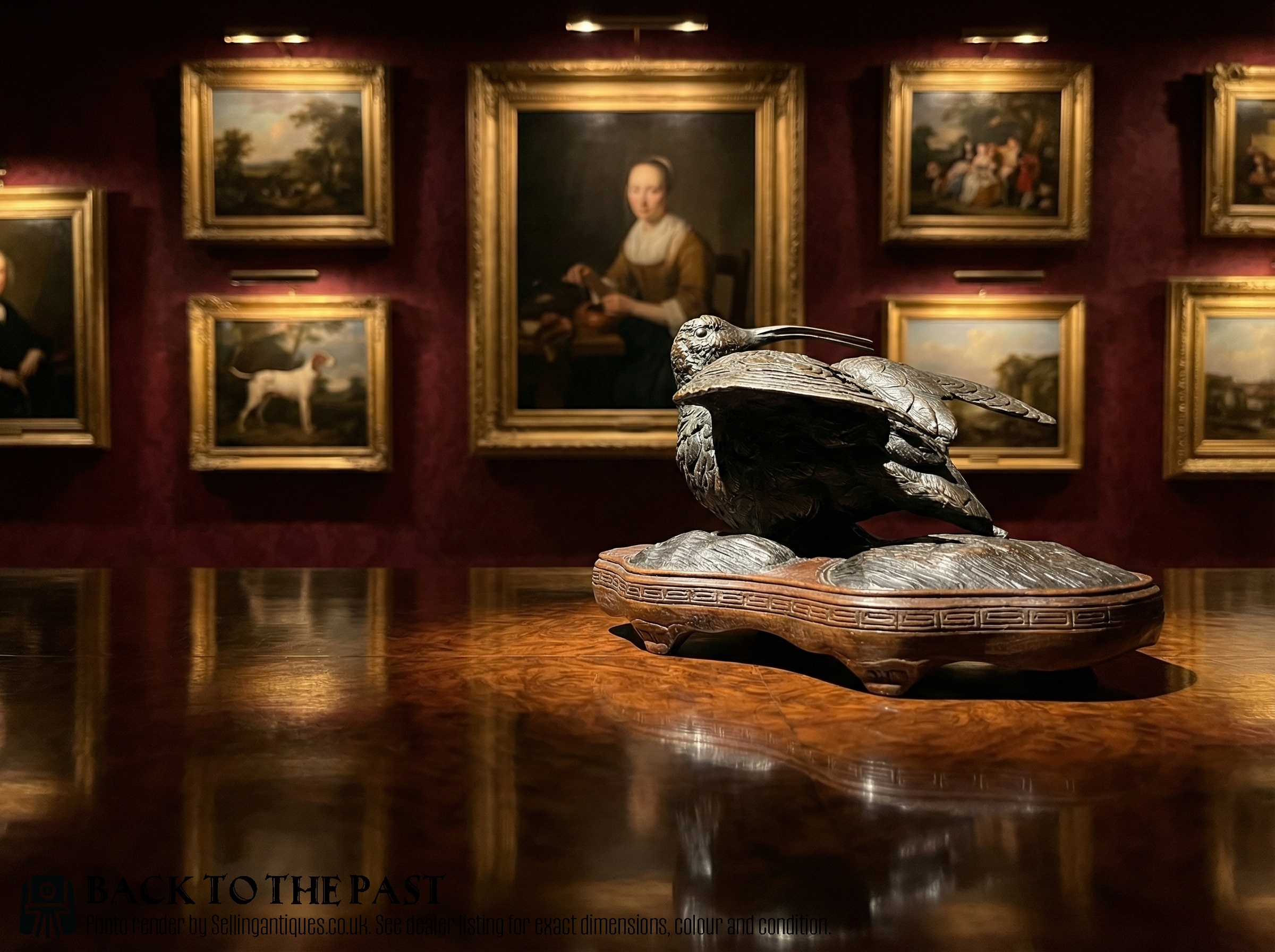
Edwardian bronze sculpture
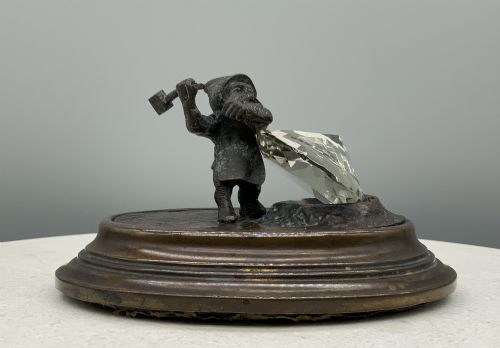
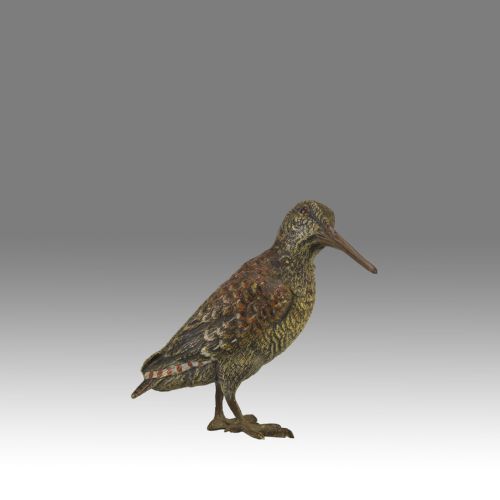
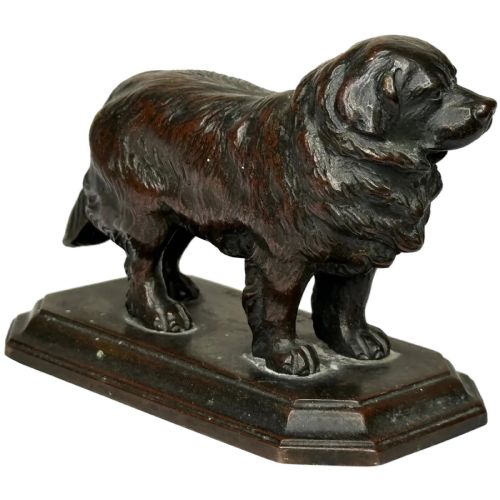
An Edwardian bronze sculpture sits at the intersection of late nineteenth-century realism and early twentieth-century decorative arts. When you search for this phrase, you encounter subjects ranging from domestic dogs and wild birds to human figures and chivalric knights.
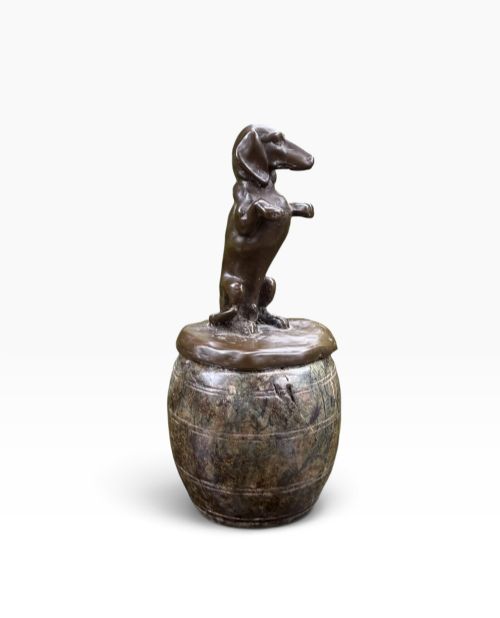
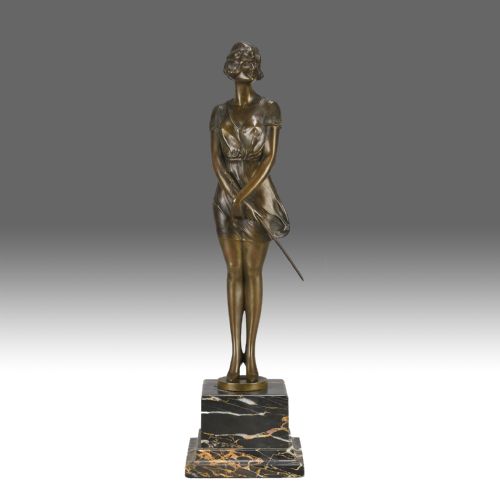
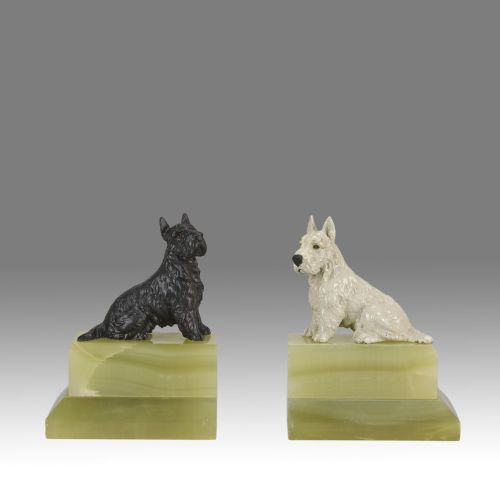
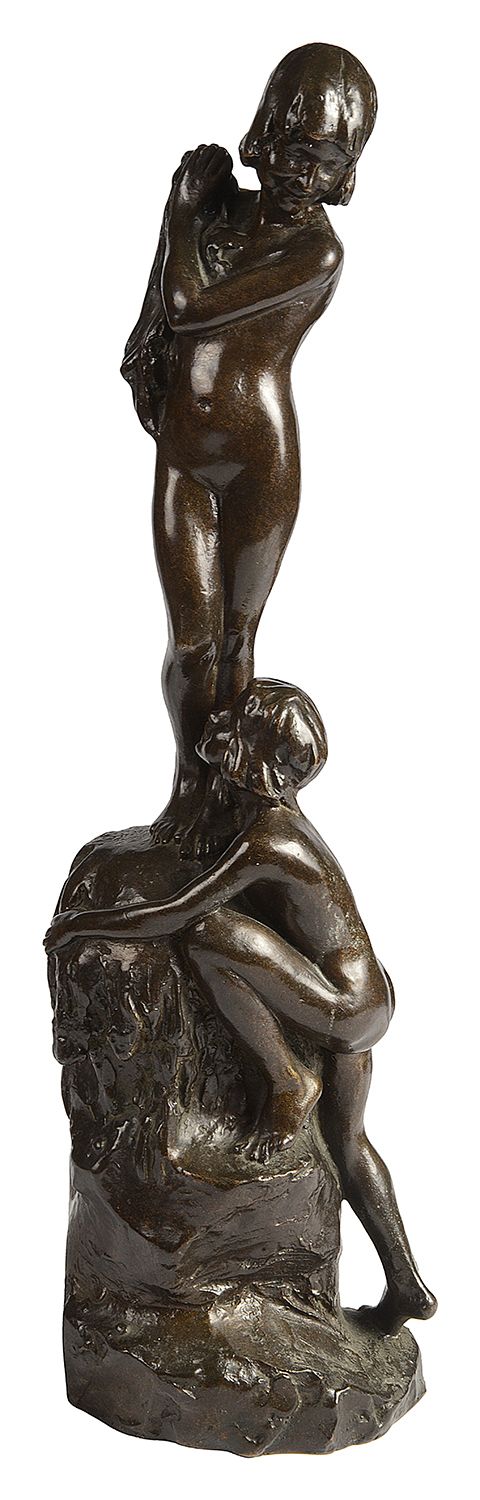
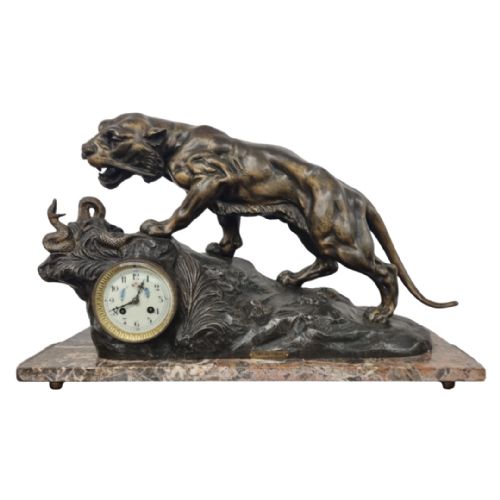
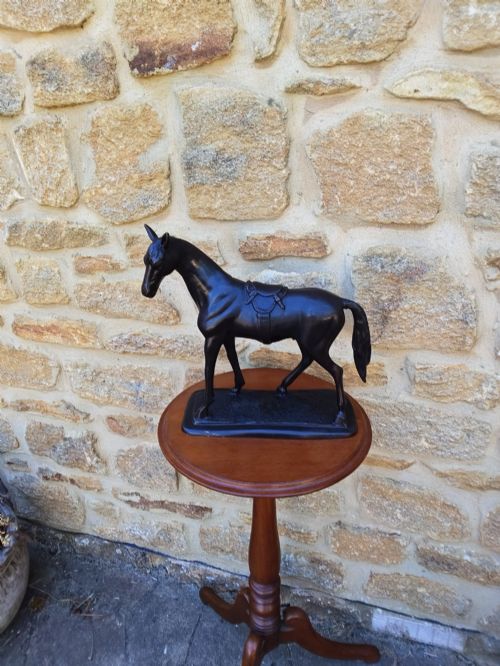
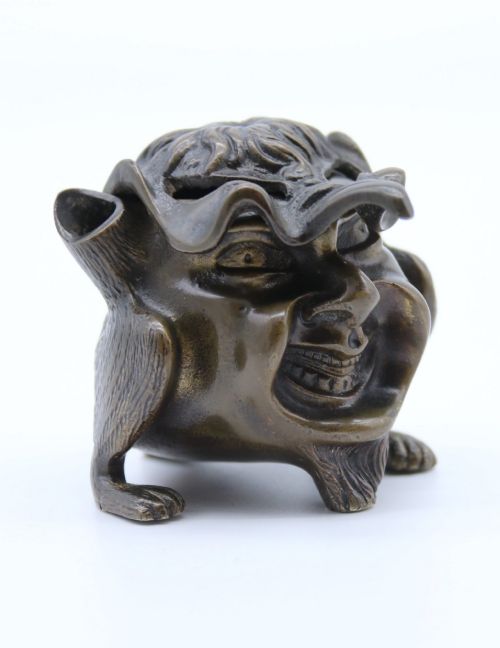
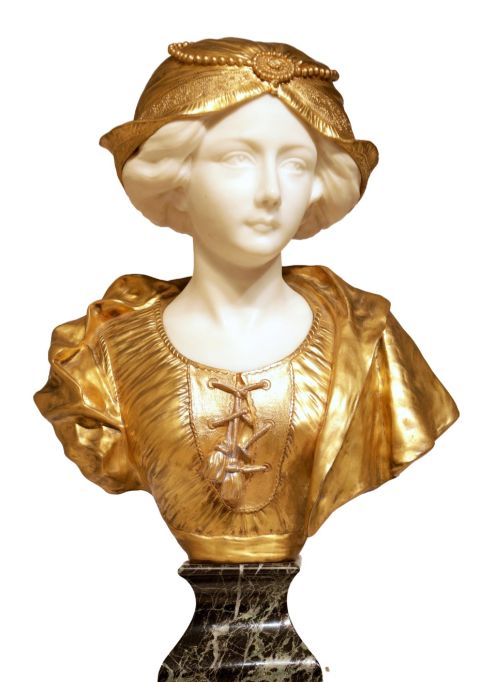
The pieces appearing on this page span the turn of the century into the 1920s, with origins crossing British, Austrian and Oriental workshops. Forms vary from small tabletop studies of dachshunds and owls to substantial figures mounted on marble and mahogany bases.
How they were made
These sculptures utilise traditional cast metal techniques, pouring molten alloy into moulds to capture fine anatomical and textural detail. The resulting bronze surfaces frequently receive chemical treatments to build up dark patinas or subtle tonal shifts.
Many works incorporate secondary materials to provide stability or aesthetic contrast. Sculptures are frequently mounted on heavy bases of polished marble or rich mahogany, anchoring the metal forms securely.
Retail Price Guide 2026
Typical UK retail prices for edwardian bronze sculpture, calculated from the Sellingantiques database of over a million retail prices indexed since 2003. This retail price guide relies exclusively on Sellingantiques data; no external sources or auction records are used, so the figures do not describe the wider market.
A tiny bronze owl perched on a log keeps silent watch over the desk.
What varies in quality
The distinction between ordinary and exceptional pieces lies entirely in the crispness of the casting and the sensitivity of the hand-finishing. Superior examples retain sharp feather and fur texture without losing definition in the softer contours.
The choice and integration of the base material also dictate overall merit. High-grade pieces feature dense, unblemished marble or finely grained mahogany that complements the metallic tone rather than merely supporting it.
E.A.Clapp
The Edwardian Bronze Sculpture Glossary
- Bronze
- An alloy primarily composed of copper and tin, valued for its tensile strength and ability to take fine detail during casting. It develops a stable surface oxide over decades.
- Patina
- The surface coloration and sheen acquired by bronze through natural ageing or chemical treatment by the founder. It adds visual depth to the metal.
- Base
- The plinth or support beneath the sculpture, commonly fashioned from marble or mahogany. It provides physical stability and visual framing.
- Study
- An artwork created as a detailed observation of a specific subject, such as an animal or bird. These pieces often focus intensely on naturalistic posture.
Frequently Asked Questions
What subjects do these bronzes show?
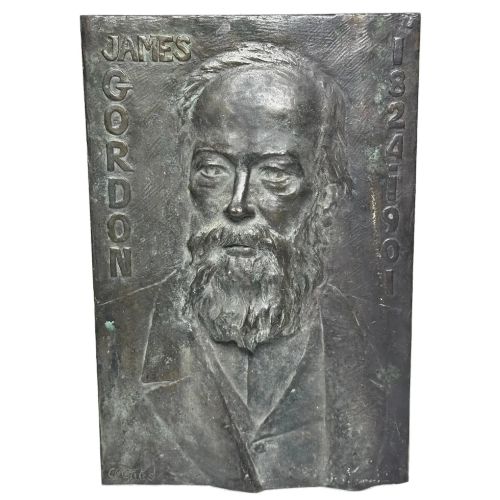
These sculptures depict a diverse range of subjects, including domestic dogs, wild birds like owls and curlews, children, and historical figures such as knights.
Artists of this era drew inspiration from both natural observation and narrative themes, resulting in varied sculptural forms.
How should I display a bronze sculpture?
Place the sculpture on a stable surface where its weight and tactile surface can be appreciated up close. Ensure it sits away from direct moisture to protect the metal patina and any wooden or stone base.
Good placement highlights the contrast between the dark metal and its mounting materials.
Are all these pieces from the Edwardian period?
The pieces span the late nineteenth century, the Edwardian era strictly defined, and slightly beyond into the nineteen-twenties. stylistic overlaps remain common across this timeframe.
Makers continued utilising similar foundry techniques and naturalist aesthetics through these decades.
What materials accompany the bronze?
Sculptures in this category frequently incorporate additional materials such as dense marble and polished mahogany for their structural bases.
These secondary materials provide both physical balance and an aesthetic contrast to the dark metal.