

Antique Bird Statue
An antique bird statue brings the observation of nature into domestic rooms through metal, ceramic or carved timber.
Antique Bird Statue
When you search for an antique bird statue, you enter a field populated by sculptures, figurines and garden ornaments spanning the nineteenth and early twentieth centuries. The pieces on this page encompass works rendered in styles ranging from Animalier realism to Art Deco and Vienna Bronze.
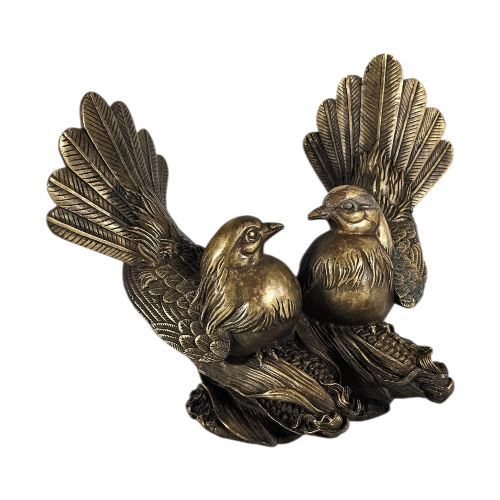
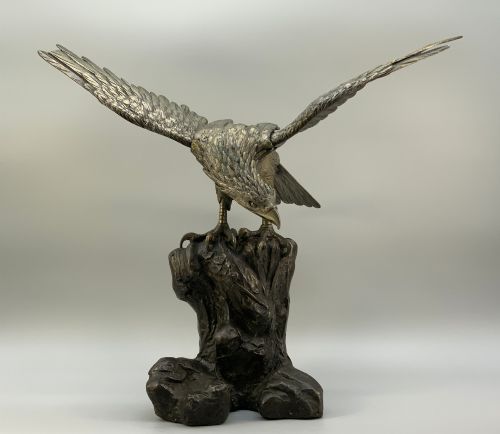
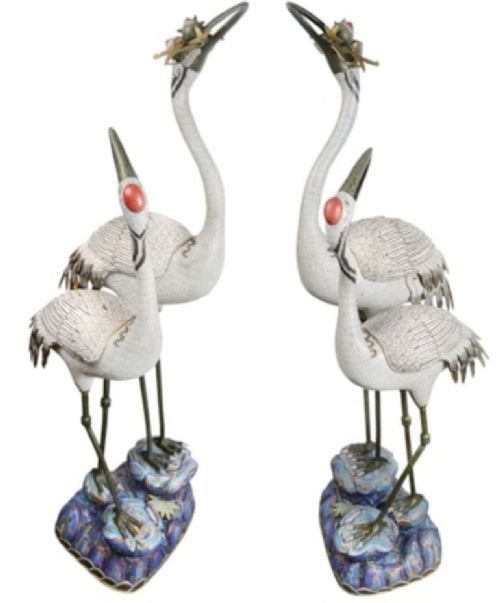
You are most likely to meet subjects from the natural world, including parrots, eagles, pigeons and pheasants, alongside decoy ducks and decorative garden statues. These figures appear as single standing studies, pairs on branches, or complex groups involving multiple birds.
Origins stretch across Europe and Asia, taking in French bronze founders, German porcelain factories, Austrian cold-painted workshops and Japanese Meiji period carvers. Each geographic tradition brings specific materials and rendering techniques to the representation of avian subjects.
Materials and Technique
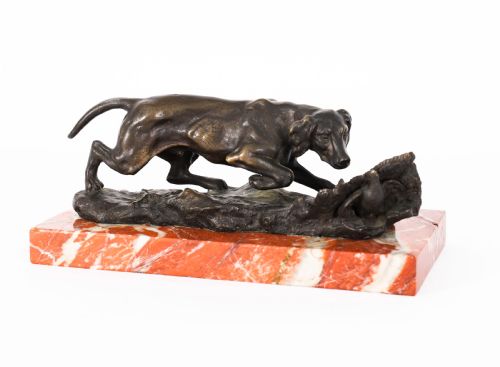
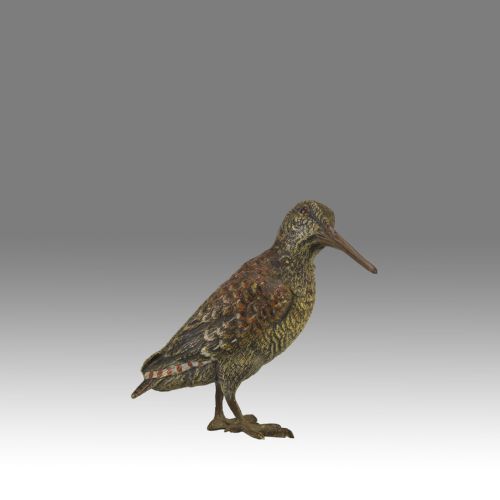
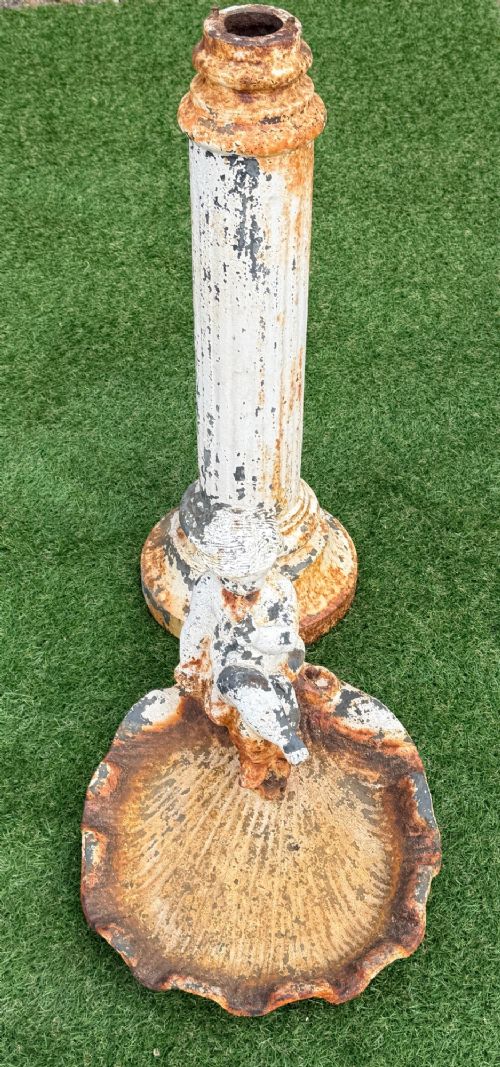
Metals form a substantial portion of these works, utilising bronze, silver plating, nickel bronze and cast iron. Many bronze pieces employ cold-painted enamel finishes, requiring precise application of colour onto the metal surface by hand.
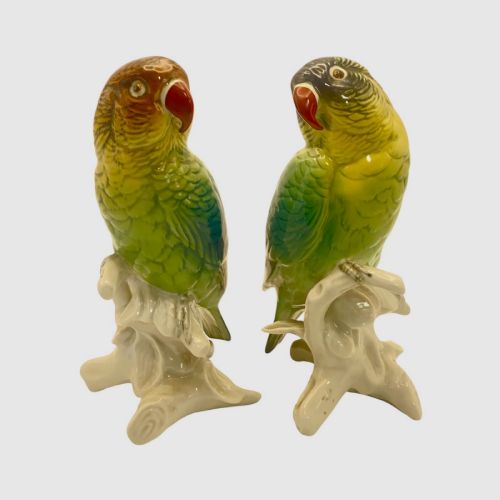
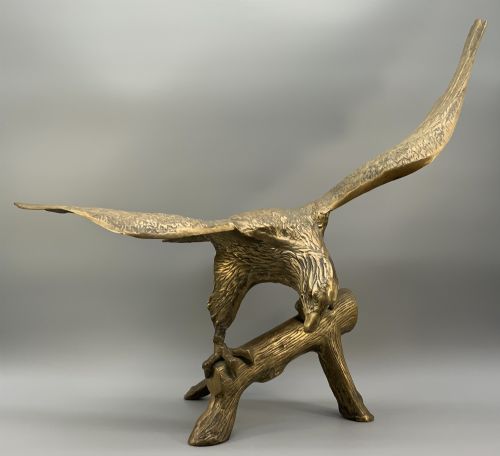
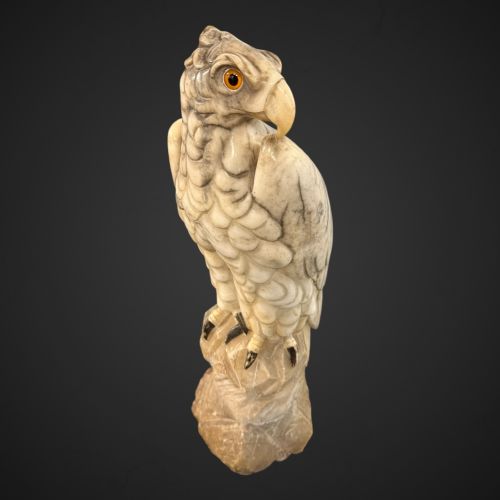
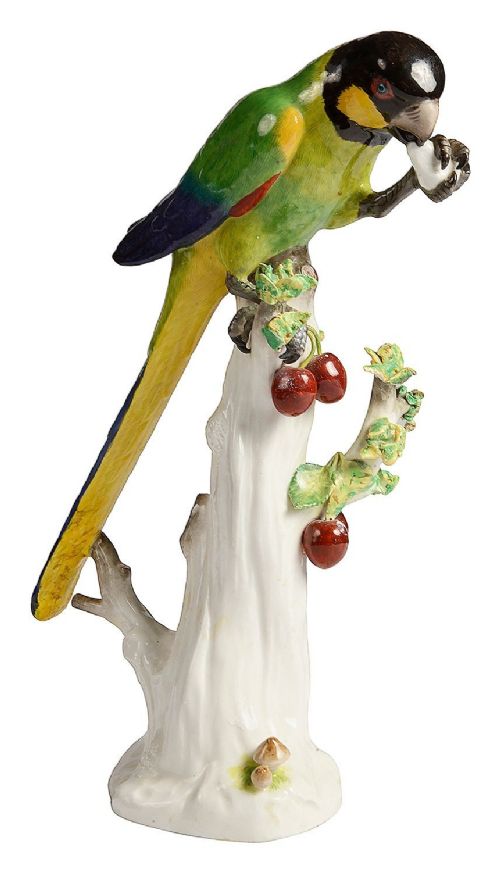
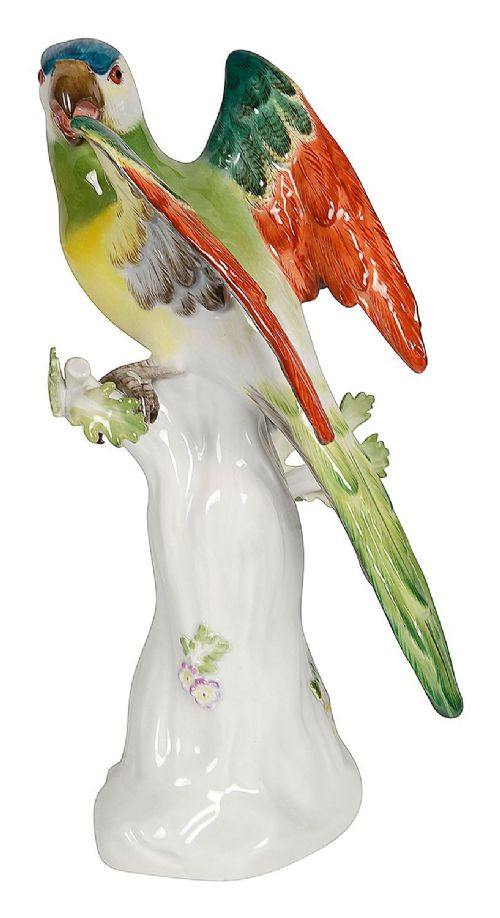
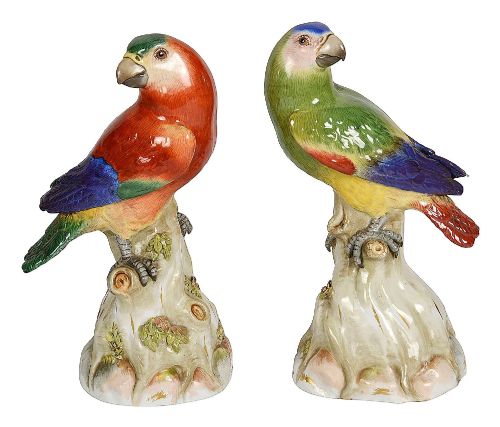
Ceramic and stone versions rely on porcelain, stoneware, terracotta, marble and composite stone. Factories like Meissen shape porcelain into detailed parrots perched on tree trunks, while sculptors carve Carrara marble into monumental eagles.
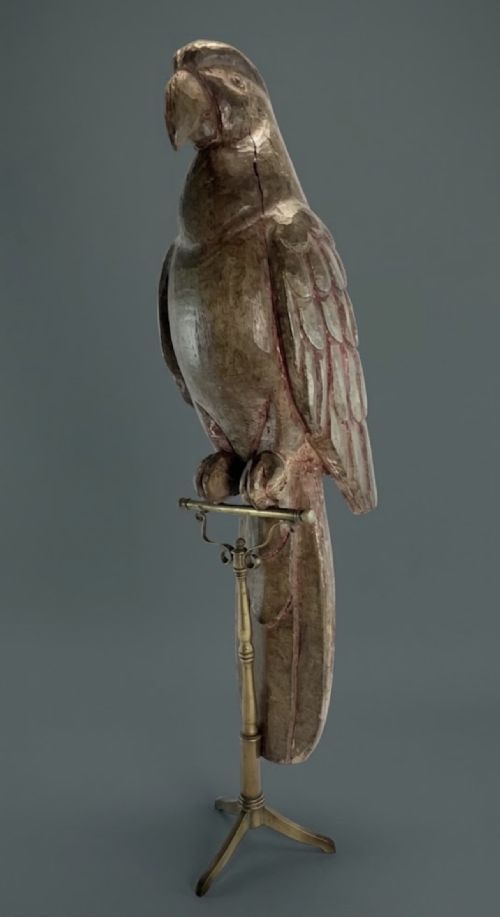
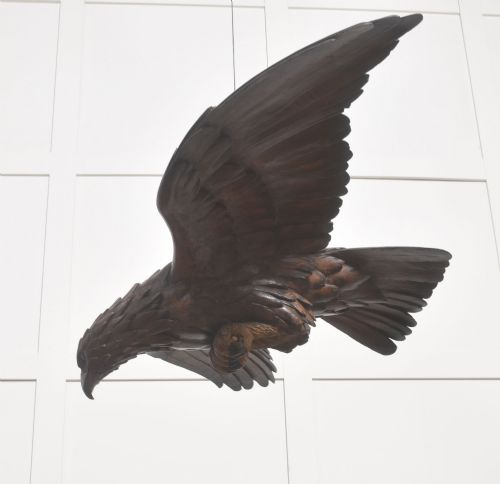
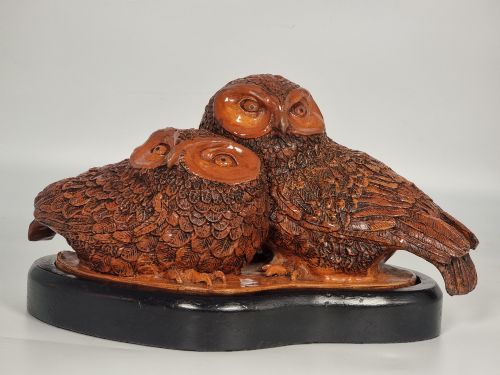
Organic materials receive equal attention through carved wood, papier-mâché and straw. Artisans shape timber into folk art decoy ducks and heavy Black Forest eagles, utilising traditional hand tools to define feathers and anatomical posture.
Object forms include garden statues, decorative figurines, architectural finials and small cabinet bronzes representing numerous bird species.
Distinctions in Execution
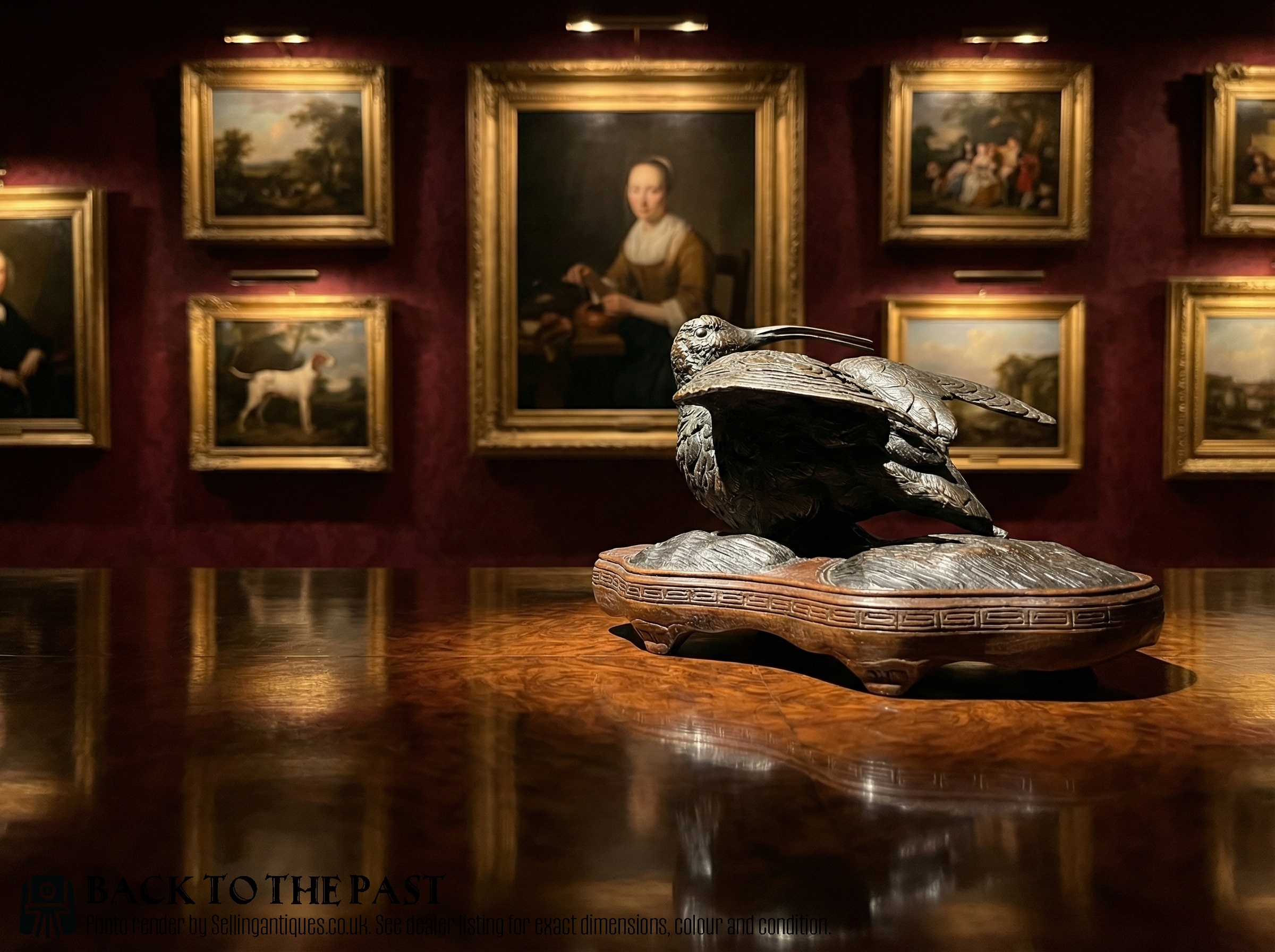
The division between standard production and superior execution rests upon anatomical precision and the vitality of the pose. Finer sculptures capture the tension in a bird's wing or the specific alert posture of a woodcock rather than relying on generic outlines.
Surface finish dictates much of the visual success in painted and patinated works. Hand-applied cold-painted enamel retains subtle gradations of colour and minimal losses, whereas lesser examples show flat tones or heavy touch-ups that obscure the underlying metalwork.
Carl Kauba·Franz Bergman·Karl Ens·Meissen·Antoine Louis Barye
The Antique Bird Statue Glossary
- Animalier
- A nineteenth-century artistic movement dedicated to the realistic portrayal of animals. Sculptors in this tradition focused on anatomical accuracy and dynamic movement.
- Cold-painted bronze
- Metal sculpture painted with natural pigments after casting rather than fired in a kiln. This technique allows for high detail but requires careful handling to preserve the surface.
- Vienna Bronze
- Small, highly detailed Austrian metal sculptures produced around the turn of the twentieth century. They are particularly known for naturalistic bird and animal subjects.
- Okimono
- A Japanese decorative carving intended for display in a traditional home interior. These objects showcase exceptional skill in materials like bronze or ivory.
- Pier finial
- An architectural ornament placed on top of a gate pier or wall post. Stoneware and composite stone versions often depict eagles or heraldic animals.
Antique Bird Statue: Frequently Asked Questions
How do I clean bronze birds?
Dust surfaces gently with a soft, dry brush to prevent accumulation. Avoid abrasive cleaners or liquids that might damage patinas or cold-painted surfaces.
For stubborn marks, consult a professional conservator rather than attempting chemical restoration at home. Protecting the object from direct sunlight preserves the original pigments.
Where were Vienna bronzes made?
These small sculptures originated in workshops across Austria during the late nineteenth and early twentieth centuries. Artisans cast the pieces in bronze before applying multiple layers of cold enamel by hand.
Signatures or stamps from specific foundries occasionally appear on the underside or base. Popular subjects included native birds, exotic parrots and sporting game.
How are porcelain birds marked?
European porcelain factories typically applied underglaze blue marks or impressed numbers to the base of each figure. These symbols indicate the specific kiln, model number and sometimes the individual decorator.
Matching pairs often share corresponding production numbers stamped into the clay before firing. Examining these marks helps confirm nineteenth-century manufacturing periods.