


Oriental Bronze Bird
An oriental bronze bird brings the natural world indoors through enduring metalwork shaped by master craftsmen.
Oriental Bronze Bird
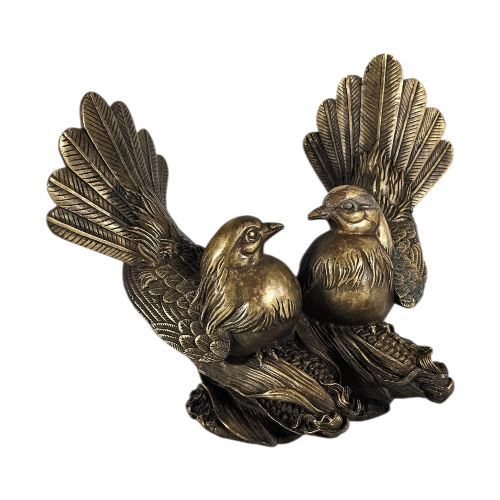
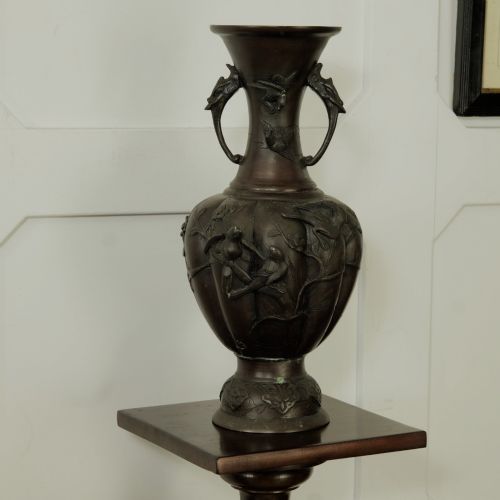
When searching for an oriental bronze bird, collectors encounter sculptural figures and vessel decorations created during the Meiji period and the late Qing dynasty.
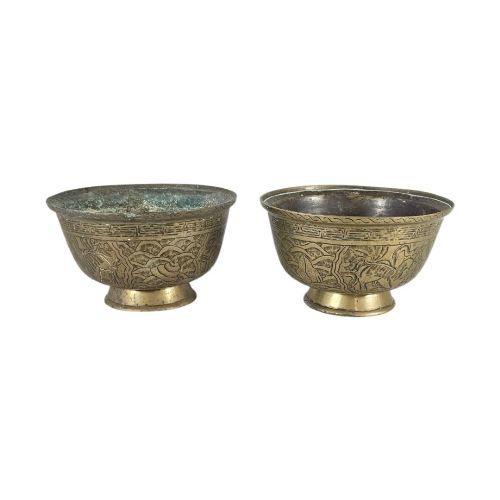
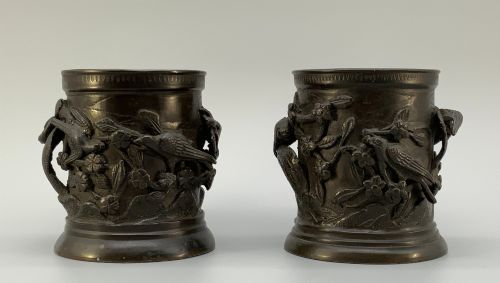
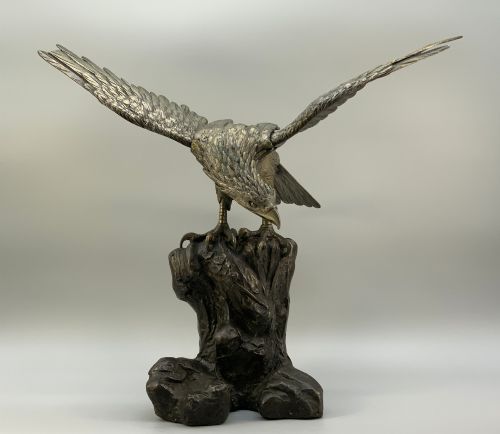
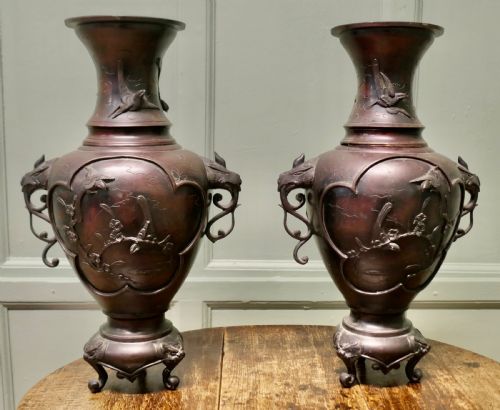
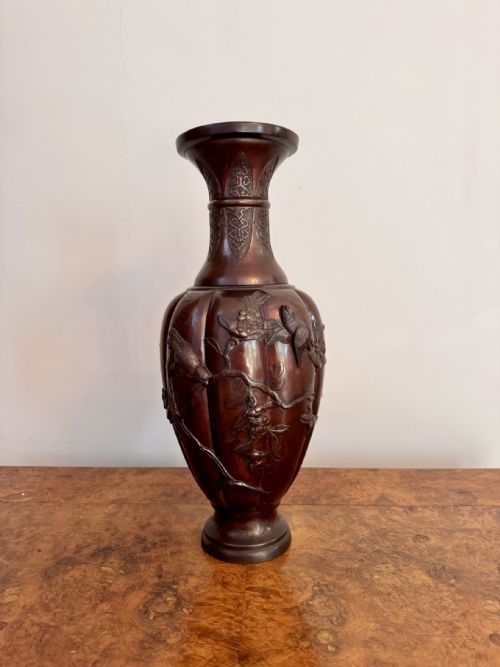
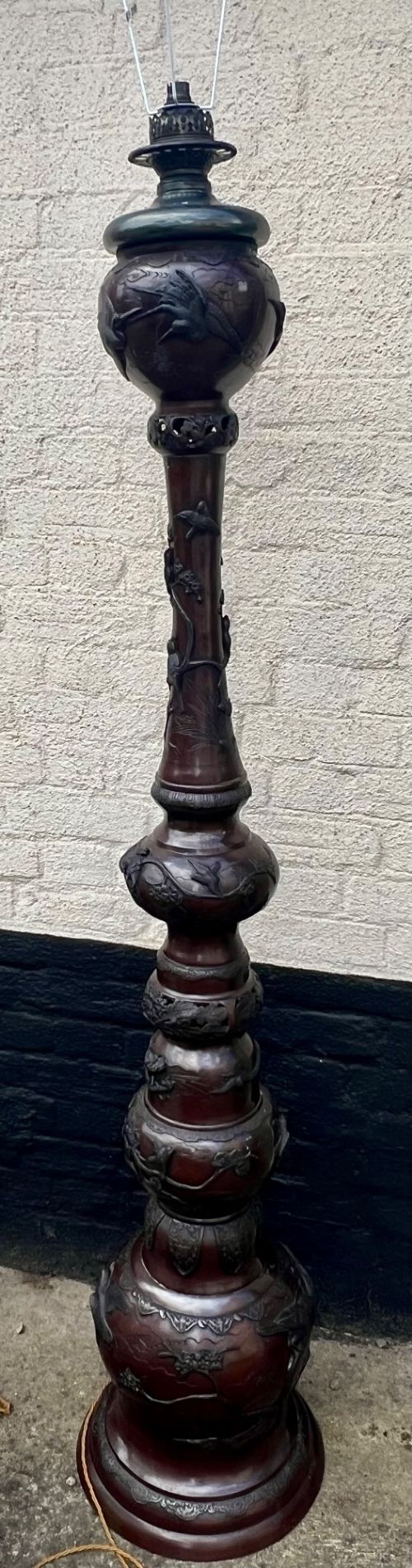
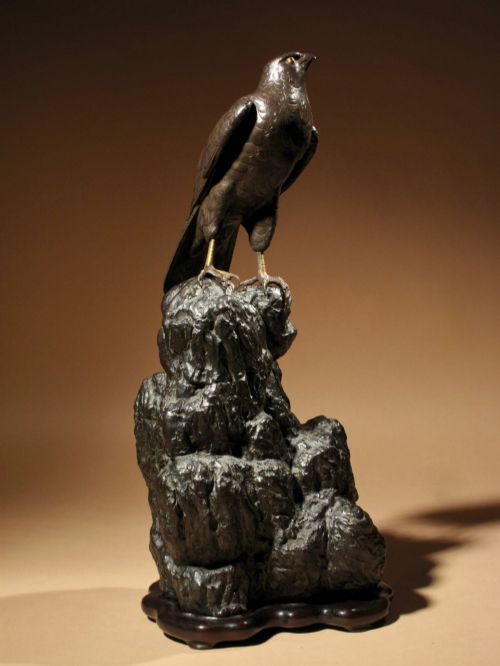
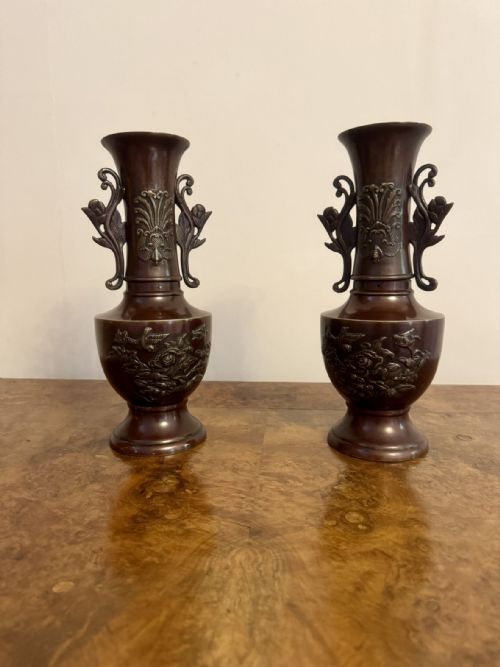
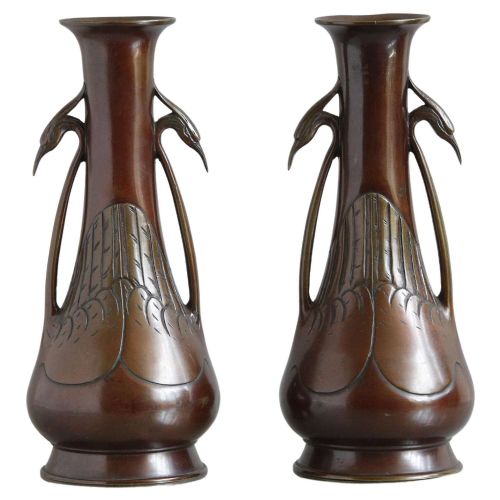
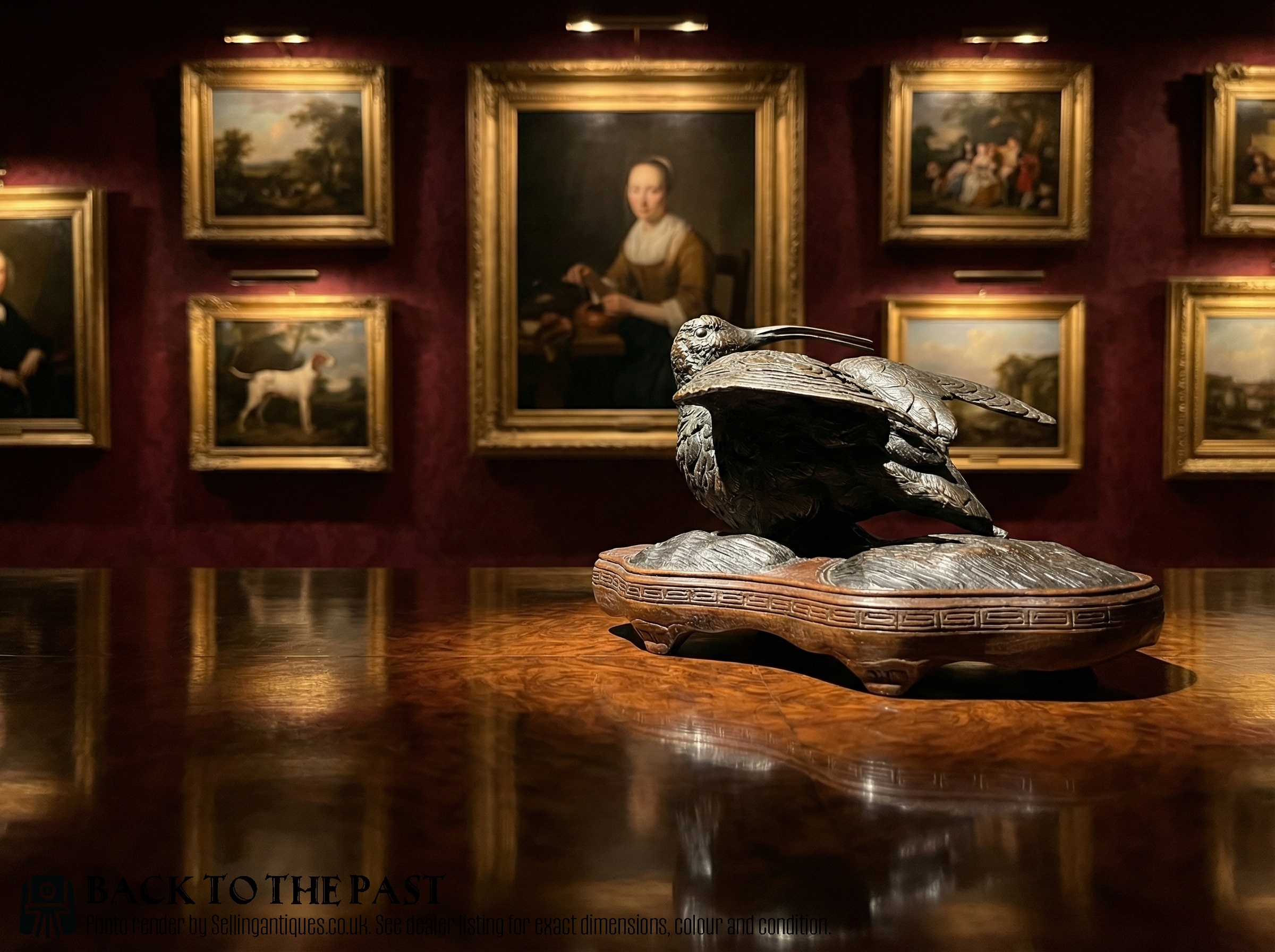
The objects on this page range from freestanding statues of hawks, eagles, and geese to vases, bowls, and incense burners decorated with raised depictions of birds, lotus, and blossom.
Japanese Meiji examples and Chinese imperial style pieces dominate the selection, spanning the late nineteenth century into the early twentieth century.
Materials and Construction
Artisans utilised bronze, brass, and copper as the foundational metals, often applying a dark patinated finish to enhance the depth of the forms.
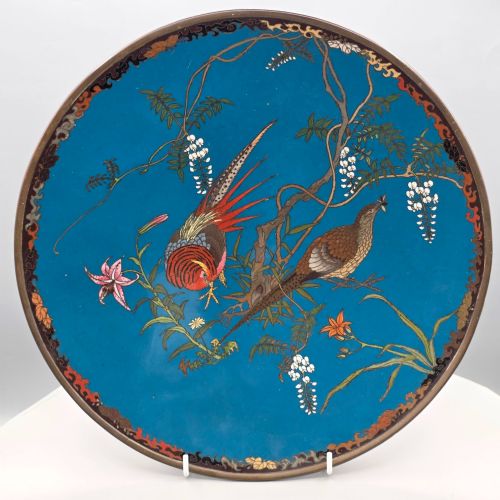
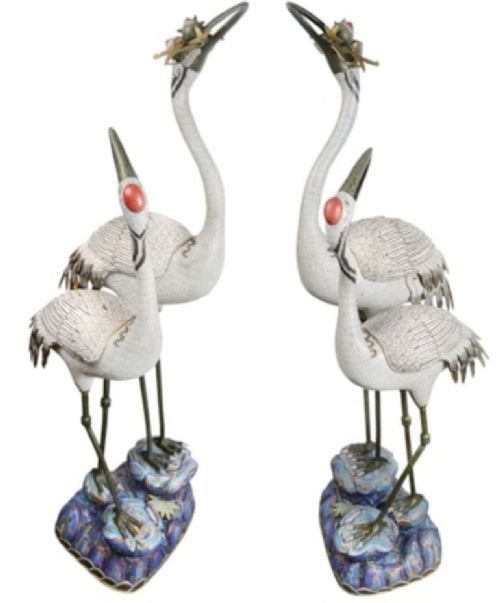
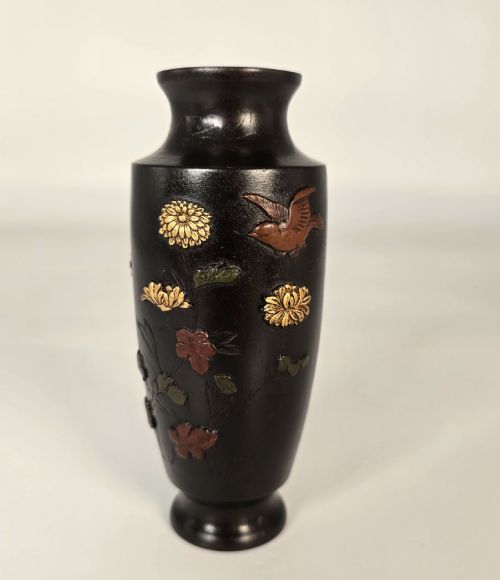
Many items incorporate mixed metal elements, gold inlay, or silver, alongside colourful cloisonne enamel to create contrasting plumage and floral backgrounds.
Some bronze geese stand at such a massive scale that they command the room entirely on their own webbed feet.
Determining Quality and Execution
The distinction between standard production and exceptional work lies in the sharpness of the casting and the fidelity of the bird's anatomy.
Subtleties such as finely chiselled feather detailing, secure mounting on craggy rock bases, and the precise application of mixed metal inlay separate superior pieces from simpler decorative items.
The Oriental Bronze Bird Glossary
- Patinated bronze
- Bronze that has been chemically treated to produce a specific surface colour or dark aged finish. This process protects the metal while accentuating sculptural details.
- Meiji period
- The era of Japanese history lasting from 1868 to 1912. Metalwork from this time achieved remarkable technical precision.
- Cloisonne
- A technique where enamel is applied within compartments created by soldering flat metal wires to a metal base. Finished pieces are fired and polished.
- Okimono
- A Japanese term for a freestanding decorative ornament designed for display on a shelf or tokonoma.
- Koro
- A traditional Japanese incense burner, often featuring a pierced lid to allow scented smoke to escape.
Oriental Bronze Bird: Frequently Asked Questions
What are oriental bronze birds made of?
These pieces are constructed primarily from cast bronze, brass, or copper. Artisans frequently added mixed metal elements, silver, and gold inlay to highlight the natural colours of the birds.
Enamel is also common in cloisonne sections, adding vibrant tones to surrounding floral motifs.
How do I date a Meiji bronze bird?
Dating relies on stylistic markers associated with the late nineteenth and early twentieth centuries. The Meiji period spans from 1868 to 1912, aligning with many detailed sculptures and vases.
Evidence of traditional casting techniques and mixed metal usage further points toward this productive era of Japanese artistry.
Where were these bronze sculptures displayed?
Sculptural figures of hawks, eagles, and geese were designed as okimono to sit independently on flat surfaces or wooden stands. Vases and incense burners served as decorative vessels within traditional interiors.
Larger items such as jardiniere planters integrated bird motifs into functional household furnishings.
What is the difference between Chinese and Japanese pieces?
Chinese pieces often reference imperial styles and historical dynasties, such as late Qing examples bearing Xuande marks or imposing cloisonne cranes. Japanese items frequently date from the Meiji era and emphasise naturalistic bird studies like egrets, doves, and goshawks.
Both traditions showcase advanced metalworking skills but utilise distinct decorative vocabularies.