


Chinese Bronze Bird
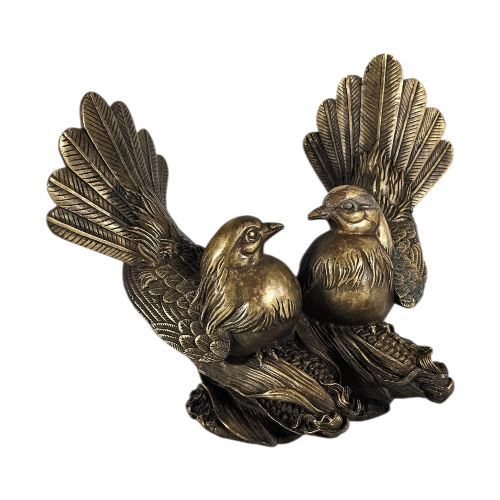
A Chinese bronze bird brings weight and presence to a room, cast in metal and shaped as cranes, phoenixes, pigeons, doves, or curlews.
Chinese Bronze Bird
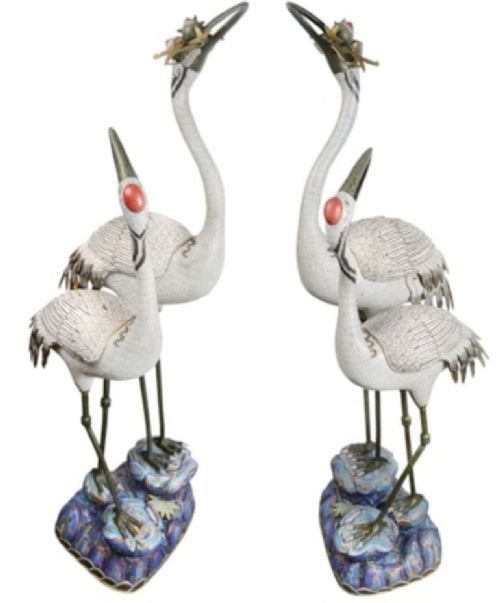
A Chinese bronze bird encompasses sculptural figures, statues, and decorative pieces fashioned from metal, often appearing as pairs of cranes or pigeons. These items emerge from the nineteenth century, including the late Qing period and the early twentieth century.
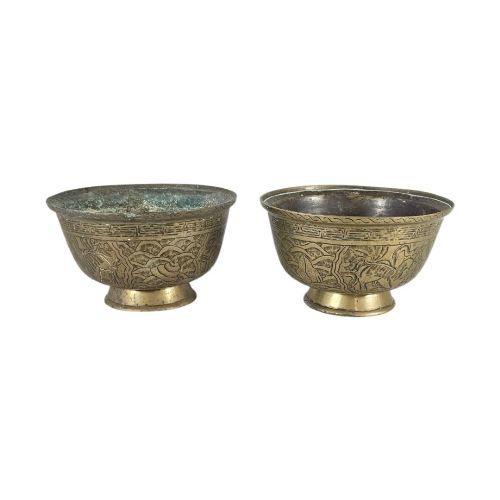
Buyers searching for a Chinese bronze bird frequently encounter sculptural forms alongside vessels adorned with avian motifs, such as bowls bearing Xuande marks and lotus designs. The selection spans domestic decorative items and imposing imperial style works.
Originating primarily from the nineteenth century and the decades around nineteen hundred, these pieces reflect traditional craftsmanship through enduring metallic forms. The range includes small ornamental birds mounted on mahogany alongside heavy sculptural pairs.
What varies in quality
Quality rests in the precision of the casting and the crispness of detail visible in the feathers, form, and surface decoration. Weight also signals substance, as heavier statues and vessels demonstrate a more generous use of metal.
The refinement of surface finishes, whether through smooth patination or carefully applied cloisonne enamel, distinguishes standard decorative items from more ambitious imperial style works.
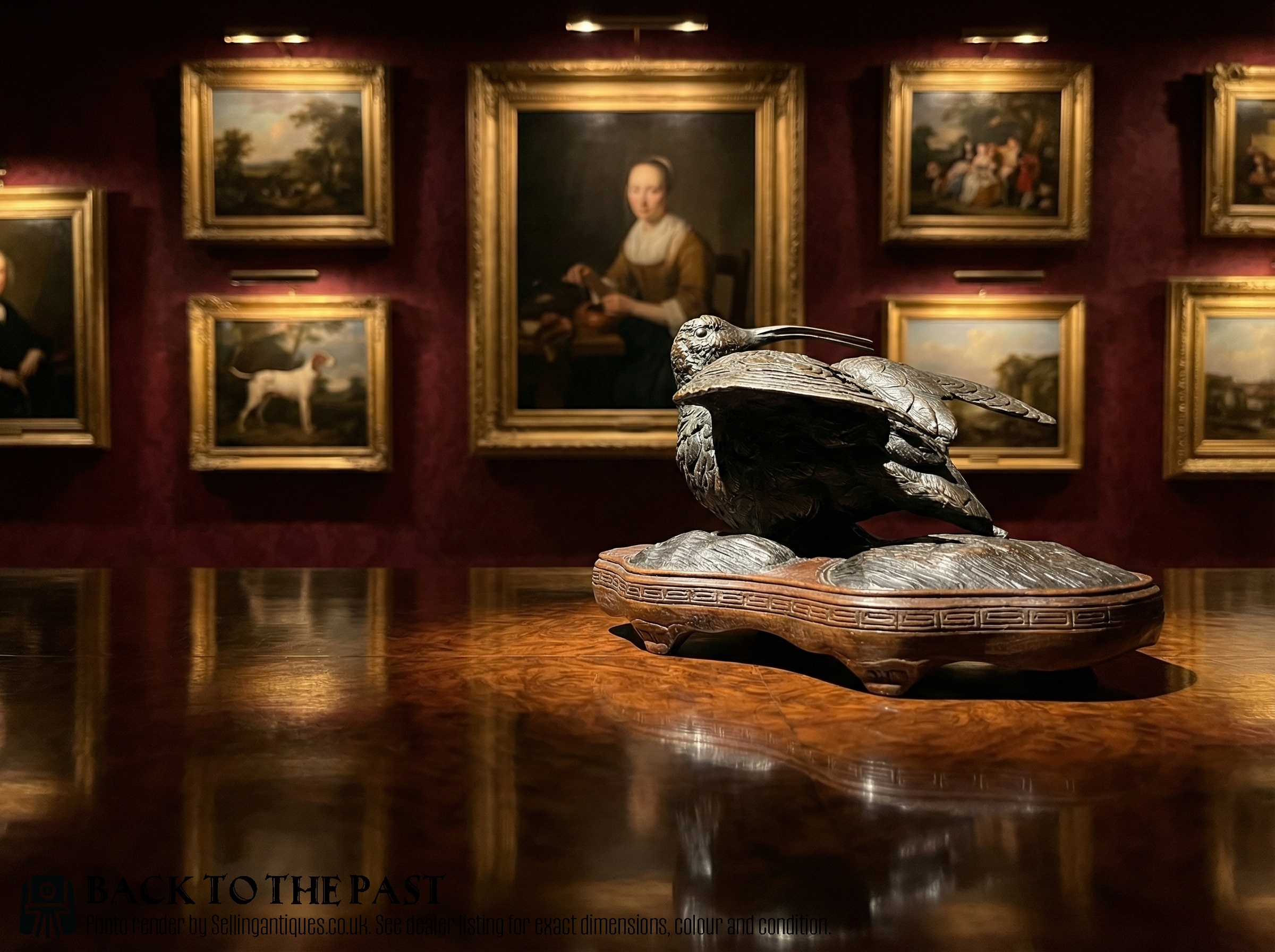
Among the heavier metal fauna, a lone curlew stands quietly on a mahogany base, proving that not every antique bird requires an imperial throne.
The Chinese Bronze Bird Glossary
- Bronze
- An alloy consisting primarily of copper, traditionally used in Chinese metalworking for its durability and capacity for fine casting detail. It develops a characteristic patina over time.
- Cloisonne
- A decorative metalwork technique where enamel is applied to compartments bounded by soldered wires. This method creates colourful patterns across vessels and sculptural surfaces.
- Xuande mark
- A stamped or engraved reign mark referencing the early Ming emperor, frequently placed on later Qing dynasty bronzes as a mark of respect rather than a literal date of manufacture.
- Qing Dynasty
- The final imperial dynasty of China, spanning from sixteen forty-four to nineteen twelve, encompassing the late period when many of these metal birds and vessels were produced.
Chinese Bronze Bird: Frequently Asked Questions
Are these bronze birds solid metal?
Many of these pieces possess a notable weight, often spanning several kilograms, indicating substantial metal construction. The casting techniques employed create solid forms or heavy walled vessels suitable for display.
Smaller decorative elements may incorporate other materials such as mahogany for mounting, while the primary bird figures remain cast in bronze, brass, or copper.
How do I date a Chinese bronze bird?
Dating relies upon stylistic indicators, material composition, and any associated marks recorded across nineteenth and early twentieth century examples. Pieces from the late Qing period often exhibit specific casting textures and decorative conventions.
Reign marks such as the Xuande stamp appear on items from later decades as traditional tributes, meaning the mark itself does not restrict the piece to the original imperial reign.
Where were these bronze figures placed?
Statues and sculptural pairs served as decorative works within traditional interiors, often displayed on tables or altars alongside vases and bowls. Figures of cranes and phoenixes carried symbolic meanings within Chinese art.
Smaller depictions, including curlews and doves, functioned as ornamental items designed to be appreciated up close on desk surfaces or within display cabinets.
What is cloisonne enamel on these pieces?
Cloisonne enamel involves filling wire enclosures on a metal base with vitreous paste before firing, creating colourful patterns across the surface. This technique appears on imposing imperial style crane sculptures.
The coloured enamel contrasts with the exposed bronze or brass elements, adding visual depth and traditional decorative detail to the sculptural form.