


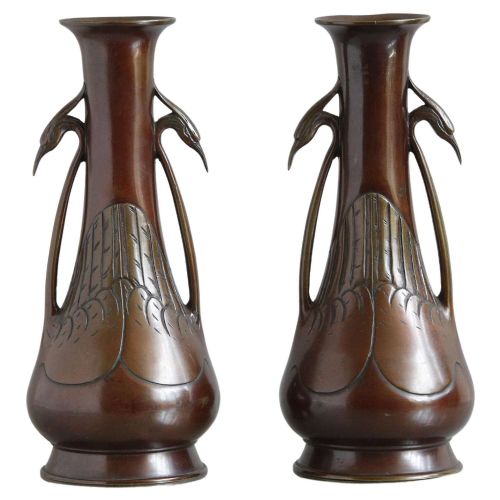
Dark Bronze Bird
A dark bronze bird brings the natural world indoors through the substantial weight and enduring warmth of metal sculpture.
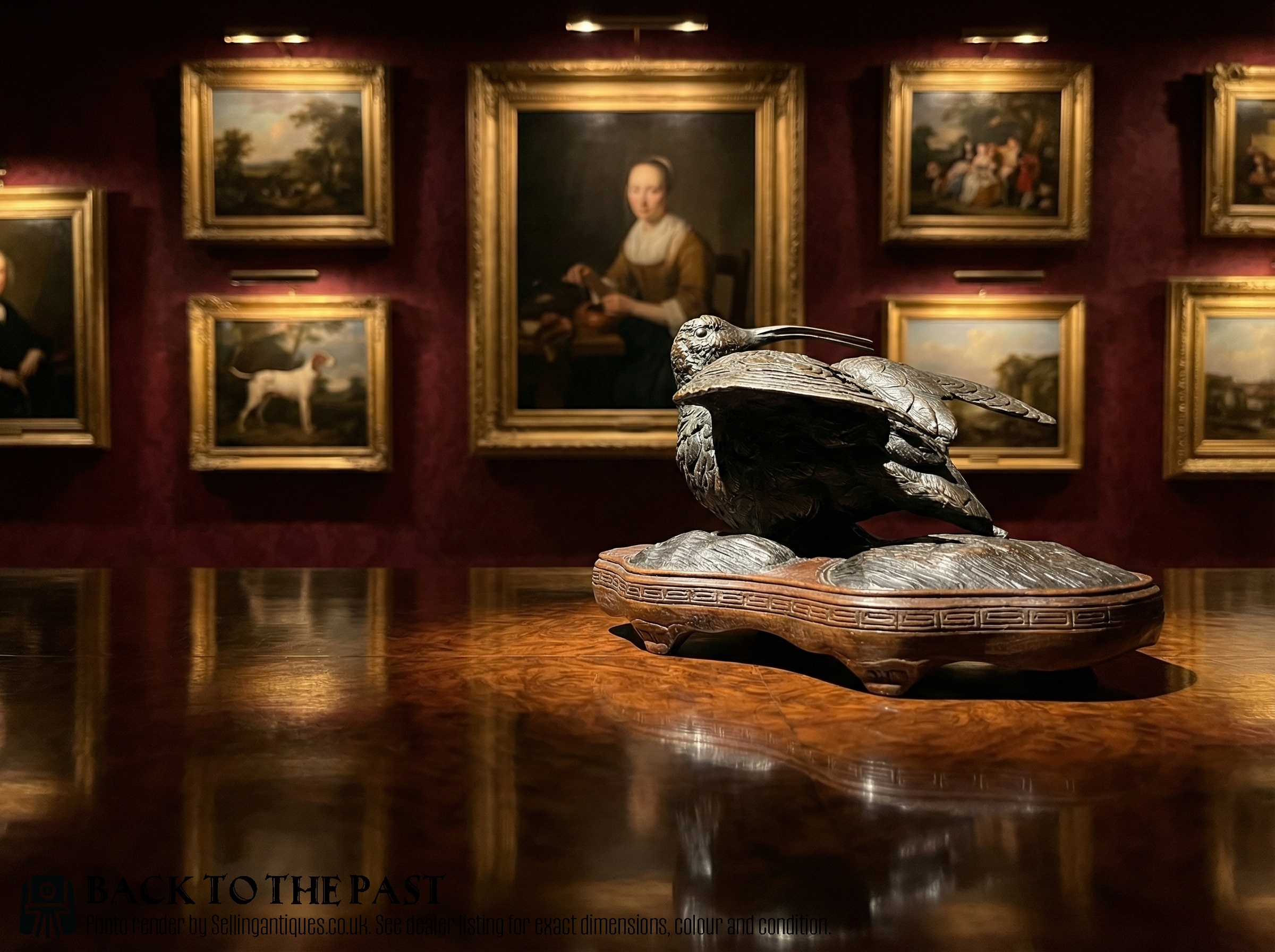
Dark Bronze Bird
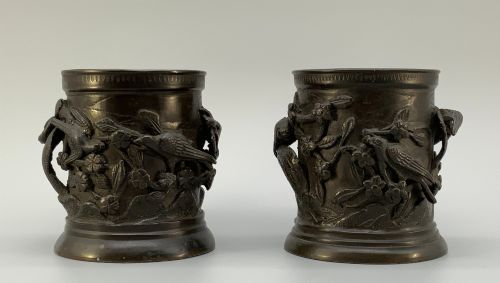
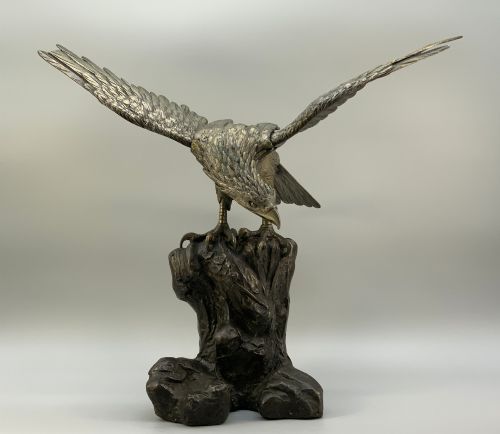
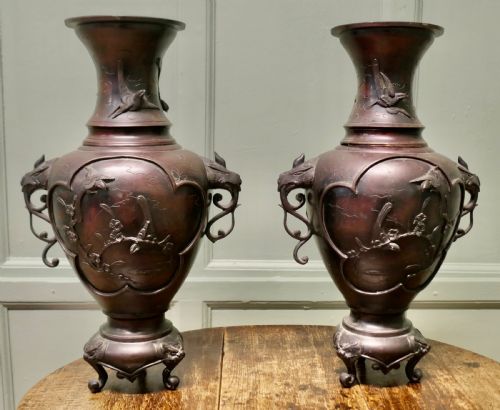
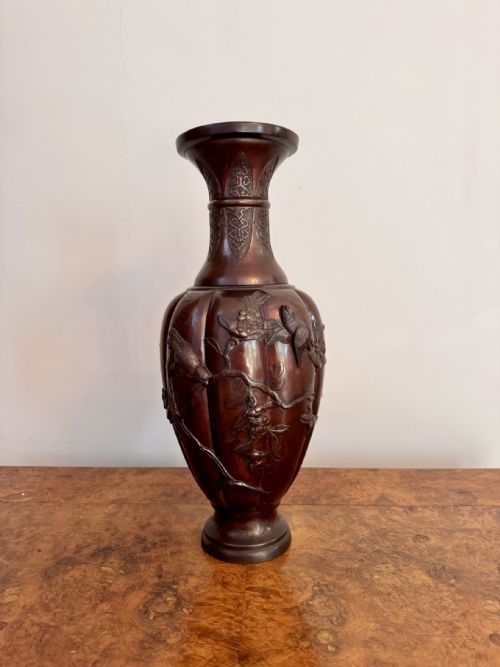
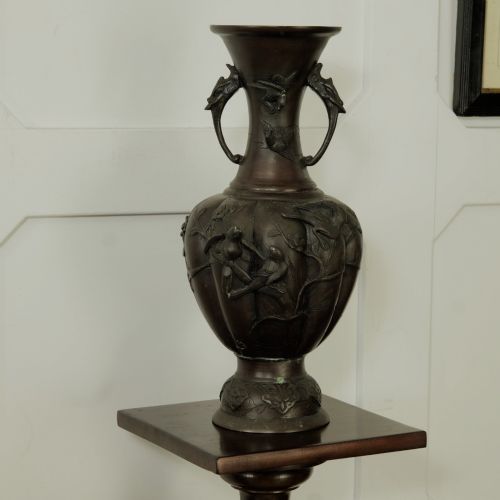
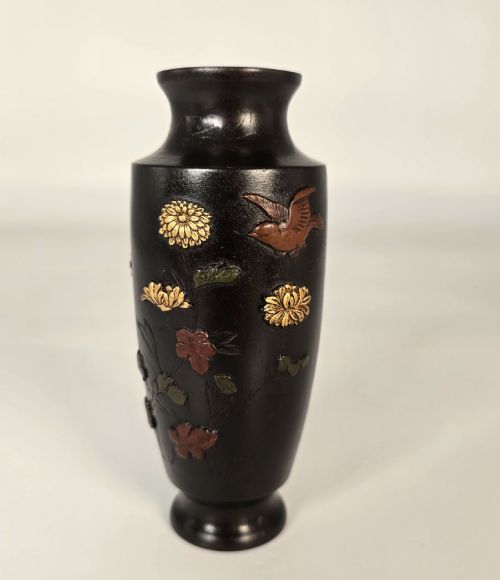
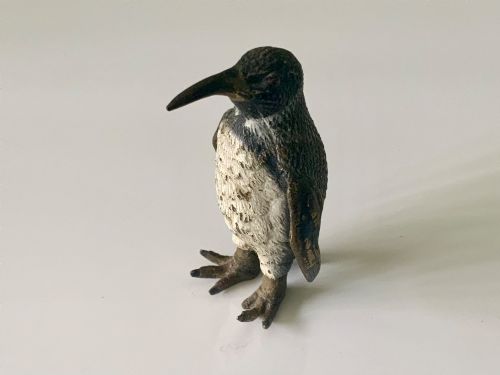
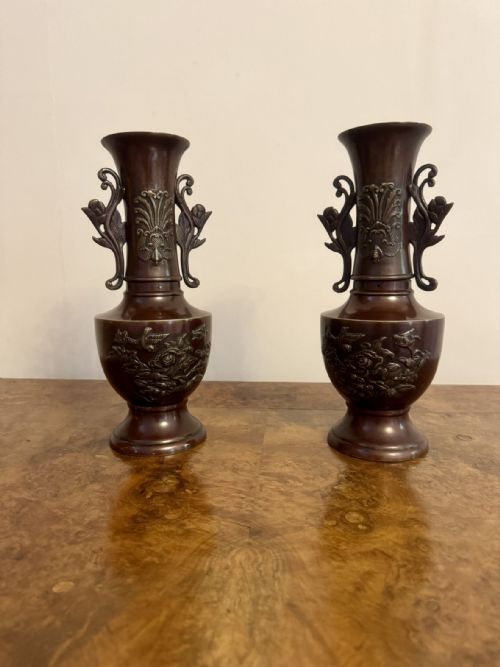
A dark bronze bird appears in several distinct forms across this selection, ranging from sculptural figures of hawks, eagles, and penguins to decorative accents on vases and candlesticks. These pieces span the nineteenth century into the early twentieth century, drawing on European animalier traditions and Japanese Meiji period metalwork.
The domestic display of these objects is varied, with smaller cold-painted figures designed for tabletops alongside monumental sculptures and pairs of vases decorated with avian motifs. Buyers encounter both naturalistic studies of birds in native habitats and more stylised representations from continental workshops.
Materials and methods
Foundries utilised bronze, patinated bronze, and occasionally mixed metals or gold inlay to create depth and texture across feathers and foliage. Surface finishes range from natural dark patination to cold-painted pigments applied directly onto the metal surface.
Many Japanese Meiji period examples and Austrian cold-painted sculptures relied on meticulous hand-finishing, capturing fine details in plumage, beaks, and talons. Supporting elements such as root wood bases or marble plinths were frequently integrated to anchor the heavier sculptures.
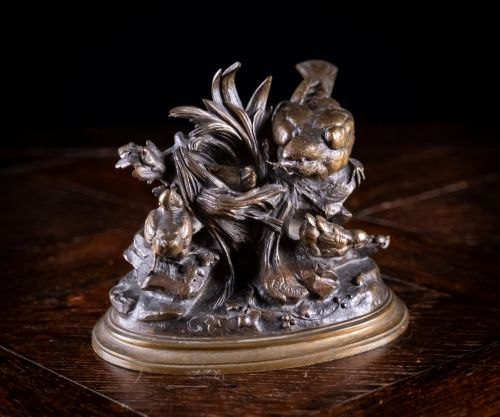
Some nineteenth-century makers could not resist dressing birds in theatrical costumes, creating permanent bronze caricatures.
Assessing quality and craftsmanship
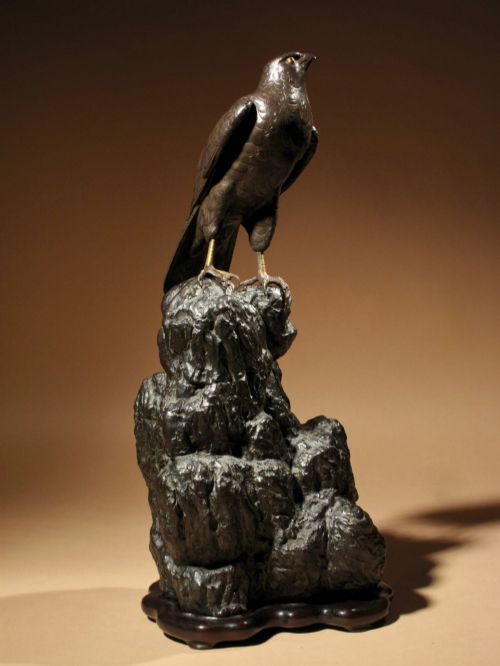
The standard of a dark bronze bird rests primarily on the sharpness of the casting and the sensitivity of the hand-chasing applied to the plumage. Superior examples display anatomical precision in the bird's posture, whether depicting a raptor perched on a craggy rock or geese in formation.
The richness and stability of the dark patina or the preservation of the original cold-painted colours distinguish masterworks from standard commercial production. Signature marks from known makers or workshops further elevate the standing of individual pieces.
Franz Bergman·Antoine Louis Barye·Barbedienne·P J Mêne·Maurice Bouval·Gyoko
The Dark Bronze Bird Glossary
- Animalier
- A nineteenth-century artistic movement focused on the realistic depiction of animals. Sculptors in this tradition studied anatomy closely to capture creatures in motion or repose.
- Cold-painted bronze
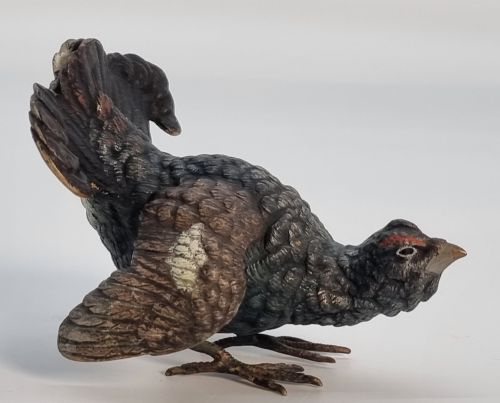
- A technique where bronze figures are painted with oil or enamel paints after casting, rather than firing the pigment in a kiln. This method allowed for vibrant plumage on small decorative birds.
- Okimono
- A Japanese term for a traditional decorative object designed for display on a shelf or in a room alcove. These sculptures often depict animals, birds, or figures with high levels of craftsmanship.
- Patination
- The chemical process or artificial treatment applied to the surface of bronze to alter its colour. A dark patina protects the underlying metal while giving the sculpture its characteristic tone.
Dark Bronze Bird: Frequently Asked Questions
What is a cold-painted bronze bird?
A cold-painted bronze bird is a metal sculpture finished with non-fired paint applied directly to the surface after casting. This technique was widely utilised by Austrian workshops to render the natural colours of feathers.
Buyers find these pieces in forms ranging from penguins to capercaillies, often preserved with varying degrees of the original pigment intact.
How do I care for antique bronze birds?
Antique bronze birds require minimal intervention, needing only gentle dusting with a soft, dry cloth to protect the surface patination. Avoid using liquid cleaners or chemical polishes, which can strip away the historical finish.
Keeping the sculptures away from direct moisture and extreme temperature fluctuations ensures the metal and any applied paint remain stable.
What periods do these bronze birds come from?
The pieces predominantly date from the nineteenth century through to the early twentieth century, encompassing the Victorian era and the Japanese Meiji period. European animalier bronzes share this timeline with Asian decorative arts.
Exact dates rely on stylistic evidence, foundry marks, or signatures recorded in the individual item descriptions.
Where were these bronze sculptures displayed?
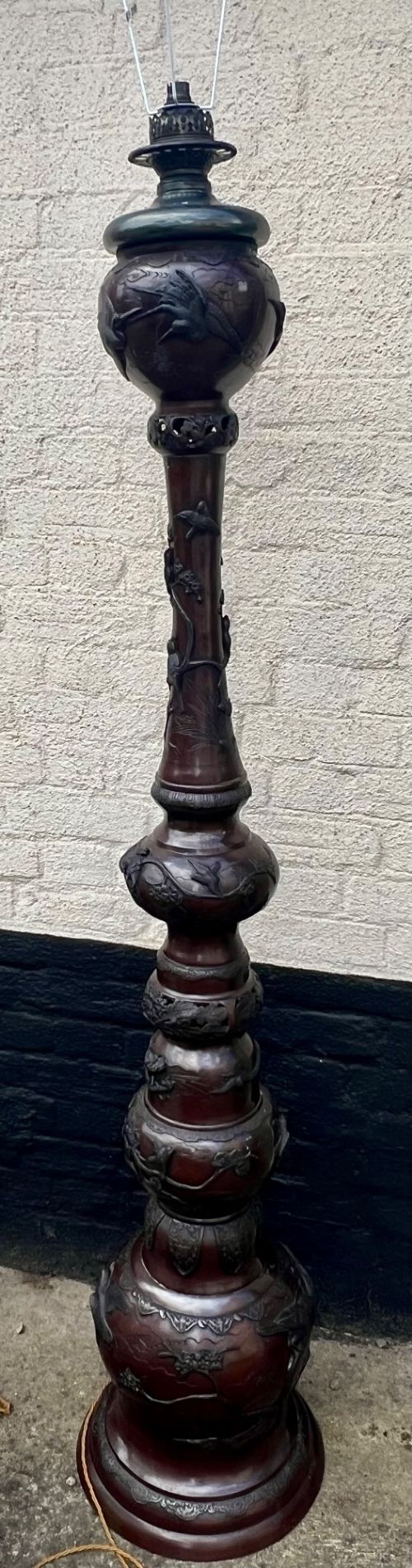
These sculptures served as decorative table ornaments, mantelpiece focal points, or integrated components of vases and candlesticks. Larger pieces, such as floor lamps or monumental figures, were positioned directly on the floor or on dedicated wooden bases.
Their placement reflected the Victorian and Meiji taste for bringing natural history and exotic craftsmanship into domestic interiors.