



Japanese Bronze Bird
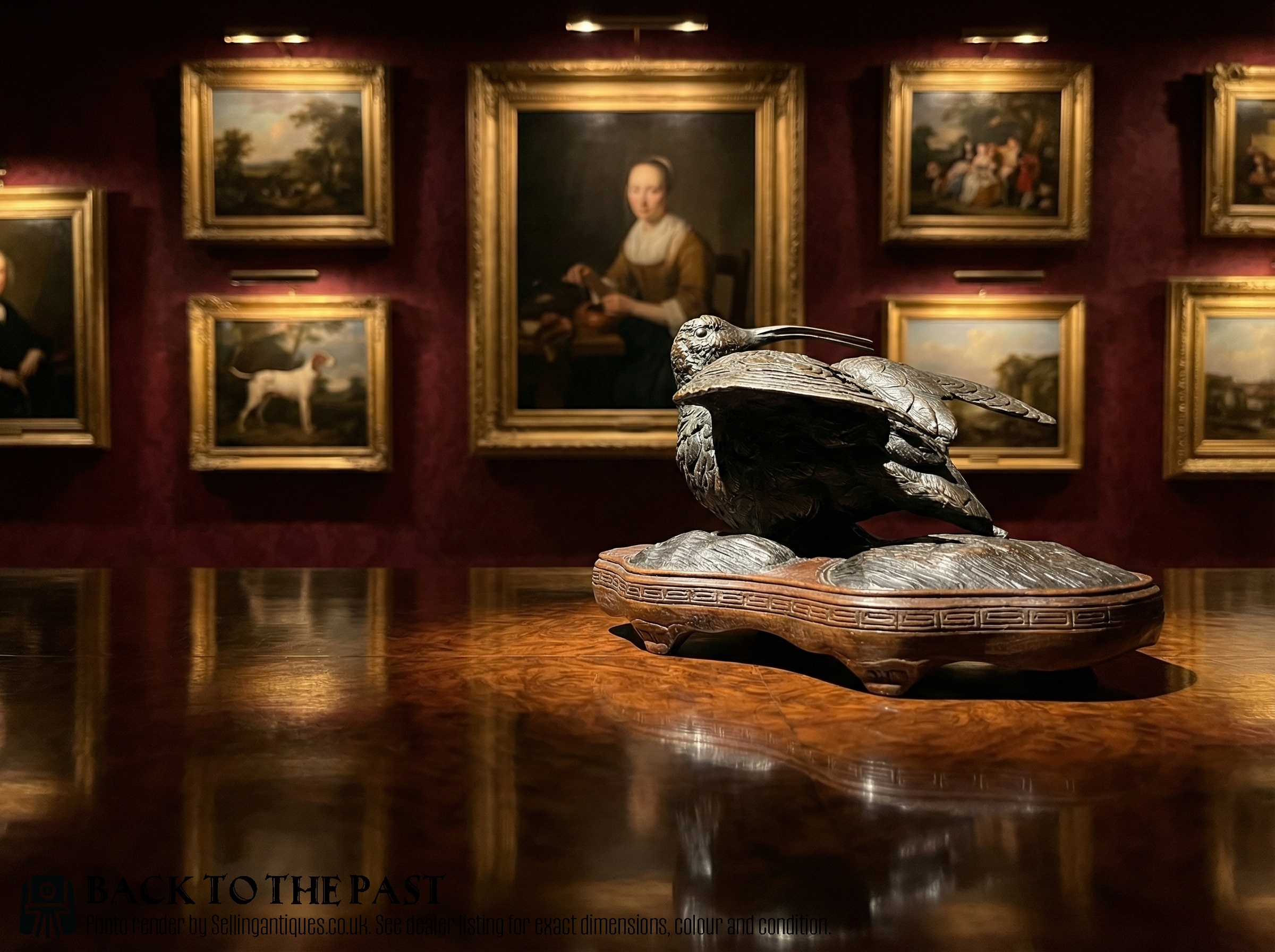
When you search for a japanese bronze bird, you find cast metal sculptures and vessels decorated with avian motifs from the nineteenth and early twentieth centuries.
Japanese Bronze Bird
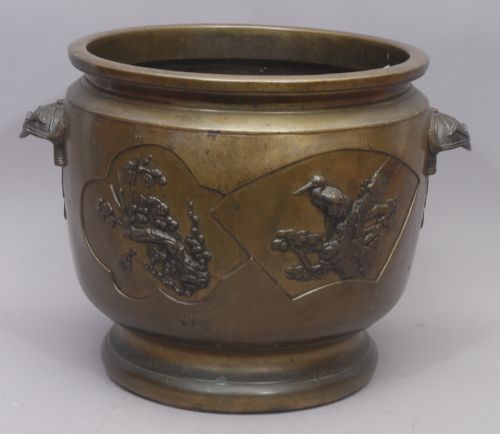
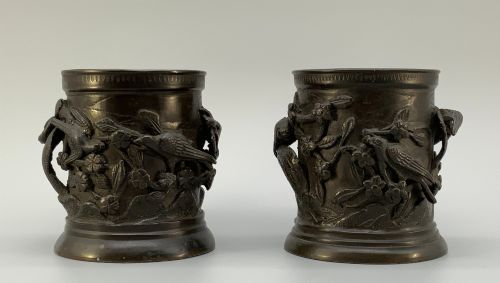
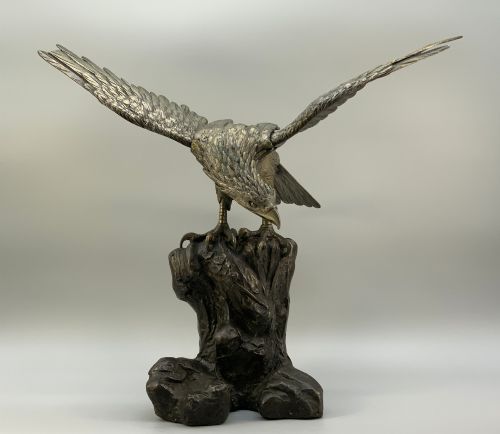
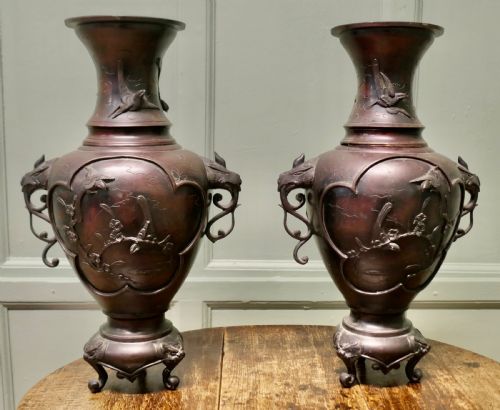
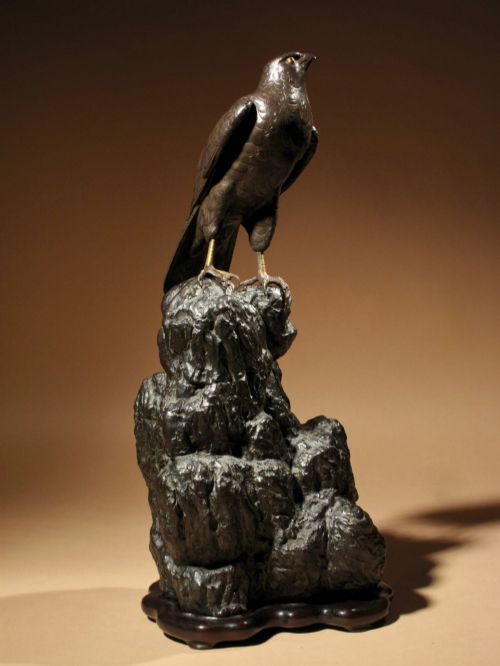
The category of japanese bronze bird spans several distinct forms including sculptural okimono of eagles, hawks, and geese alongside vessels such as vases, censers, and jardiniere planters. Many of these items originate from the Meiji period, reflecting a rich history of metalworking artistry that continued into the twentieth century.
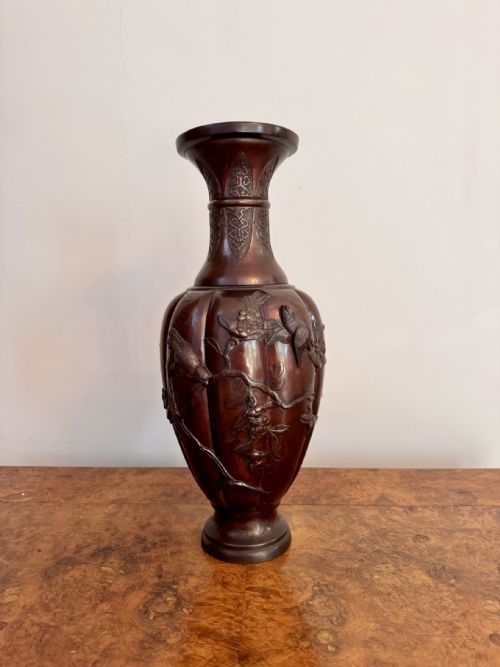
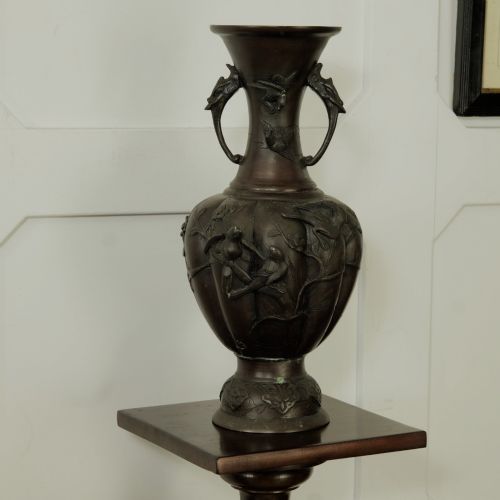
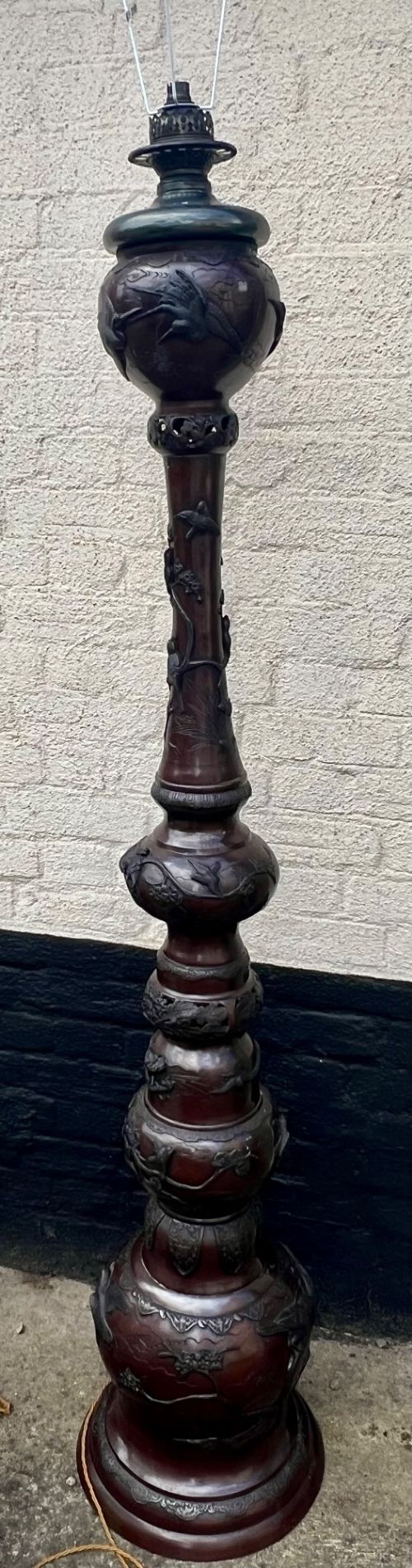
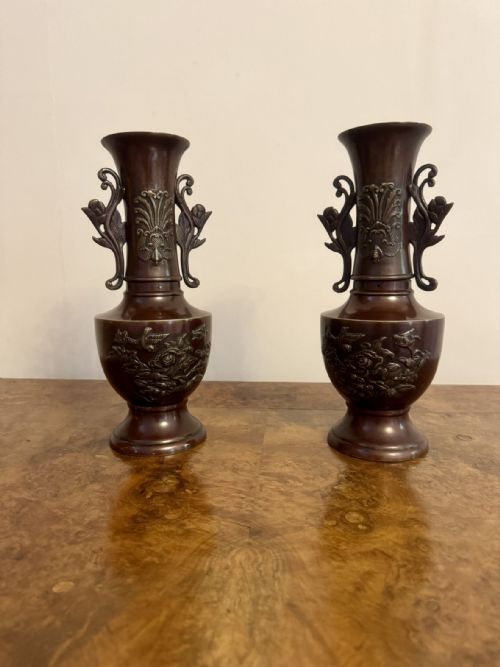
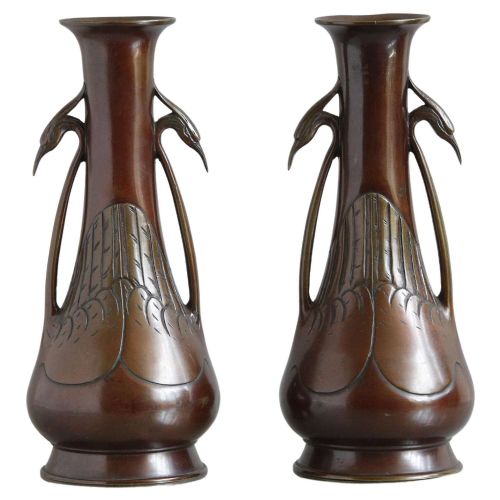
Vessels feature birds cast in relief, applied as mixed metal elements, or rendered as handles, while standalone sculptures depict creatures perched upon rocks or displayed at lifesize scale. Collectors encounter items ranging from miniature depictions to large garden ornaments.
The selection reflects production from the Edo period through to the Showa era, with the majority belonging to the late nineteenth and early twentieth centuries. These works incorporate varied finishes including patinated bronze, silvered bronze, and enamel highlights.
How they were made
Artisans employed traditional lost-wax casting techniques to shape the bronze, copper, and brass into intricate animal forms and vessel bodies. This process allowed for the creation of fine details such as feather textures and craggy rock bases.
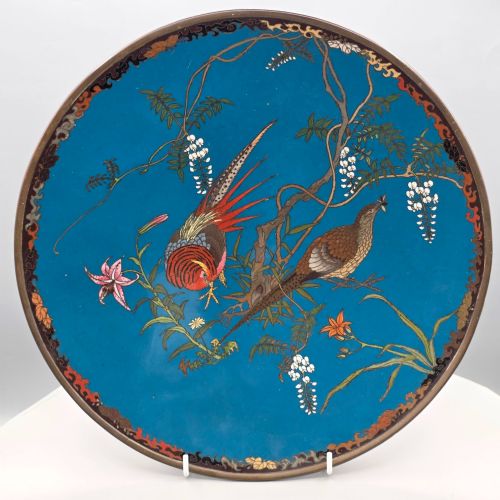
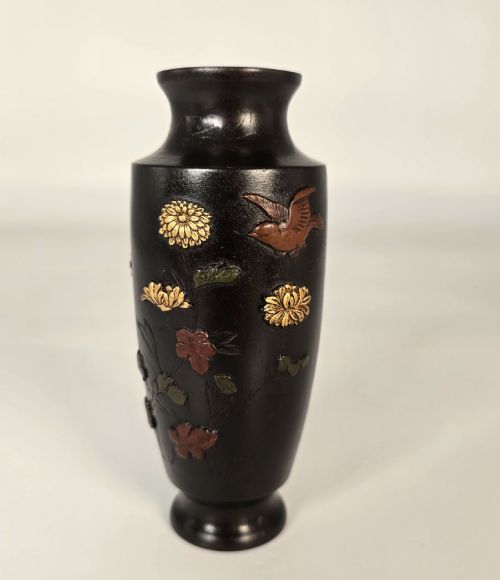
Many items incorporate mixed metal elements, utilising gold inlay, silver, and copper highlights to contrast with the dark patinated bronze surfaces. Enamel and cloisonne techniques also appear on select vessels and chargers to add colour and pattern alongside the avian subjects.
Form variations range from small posy vases and hanging boat koro to lifesize garden geese and large jardiniere planters.
What varies in quality
The degree of hand-finishing and anatomical precision separates standard production from exceptional work, particularly in the rendering of plumage, beaks, and talons on sculptural figures. Master metalworkers achieved lifelike postures and subtle depth through careful chisel work and varied patination.
Mixed metal detailing and inlay work demonstrate the maker's skill, with cleaner integration of gold and silver elements indicating superior craftsmanship. The weight, scale, and casting clarity of the bronze bodies also distinguish finer vases and jardiniere planters from simpler utilitarian pieces.
Gyoko
The Japanese Bronze Bird Glossary
- Okimono
- A Japanese ornamental statue or sculpture designed for display on a shelf or in a tokonoma alcove. These freestanding figures often depict animals such as eagles, hawks, and geese.
- Meiji Period
- The era in Japanese history spanning from 1868 to 1912, characterised by extensive artistic output and the opening of trade with the West. Much of the metalwork available originates from this time.
- Koro
- A traditional Japanese incense burner, often featuring a pierced lid to allow scented smoke to escape. They are frequently cast in bronze and decorated with animal or floral motifs.
- Jardiniere
- A large decorative pot or planter designed to hold growing plants. Examples in this category are cast in bronze and ornamented with raised bird and floral details.
- Mixed Metal
- A decorative technique involving the combination of different metals such as copper, brass, silver, and gold applied to a bronze base. This method creates contrasting colours and tactile surface patterns.
Japanese Bronze Bird: Frequently Asked Questions
What are Japanese bronze bird sculptures called?
Sculptural figures of birds are commonly referred to as okimono, which translates as置物 or placing object. These decorative carvings and castings were intended for display within traditional Japanese interiors.
Larger scale animal figures for gardens are also grouped under this term, representing realistic forms of eagles, hawks, and geese cast in patinated bronze.
How can I tell the Meiji period pieces apart?
Meiji period items typically exhibit detailed casting, mixed metal elements, and rich patination developed during the late nineteenth and early twentieth centuries. Signature marks and seals on the underside or base often provide clues to the maker and workshop.
Earlier Edo period examples tend to show different stylistic conventions in their form and surface decoration, while later Showa pieces reflect twentieth-century manufacturing shifts.
Were these bronze birds used indoors or outdoors?
Most of the vases, censers, and smaller okimono were designed for interior display on furniture or within alcoves. Miniature models and table sculptures served as decorative art objects for collectors.
Larger scale works, such as lifesize geese and heavy jardiniere planters, were suited for placement in grand reception rooms or sheltered garden settings.
What is mixed metal decoration on bronze?
Mixed metal work involves applying contrasting metallic materials like gold, silver, and copper onto a primary bronze surface. Artisans used inlay and overlay techniques to highlight feathers, foliage, and background details.
This method adds depth and colour variation to the dark patinated bronze bodies of vases, chargers, and sculptural vessels.