






Bronze Bird Figurine
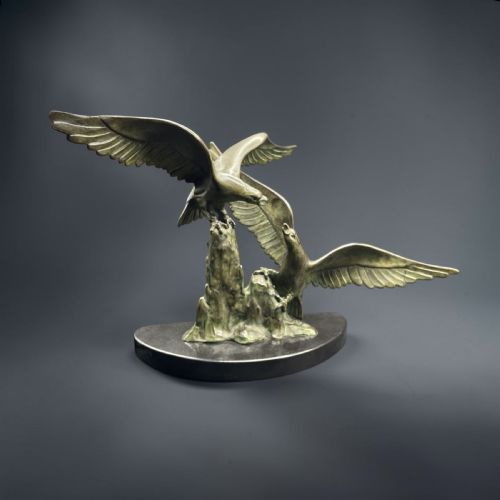
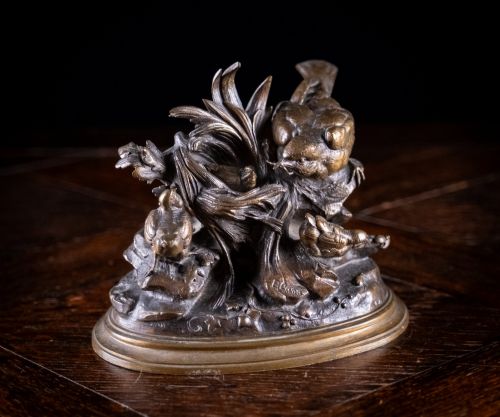
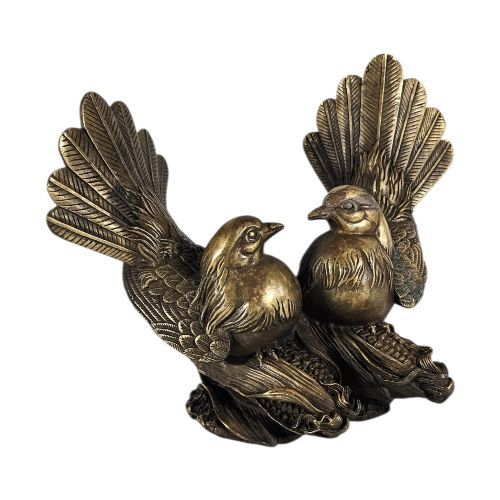
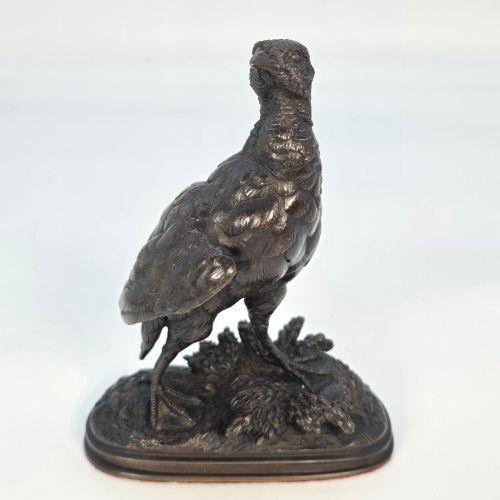
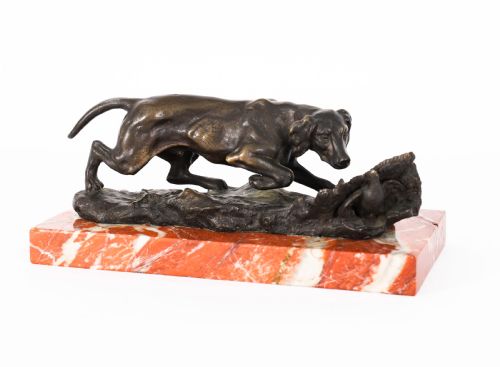
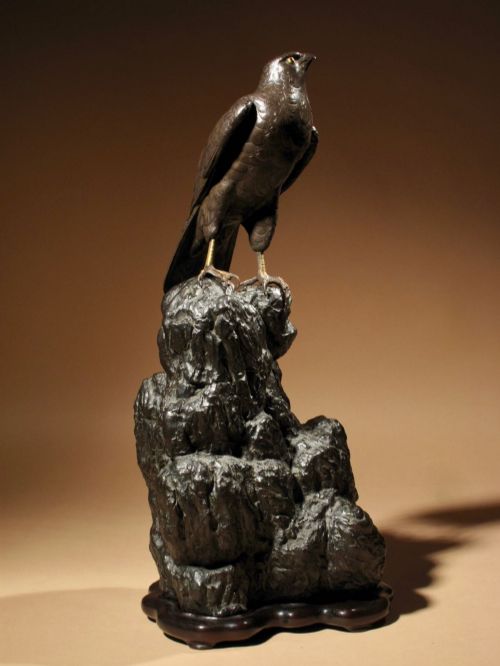
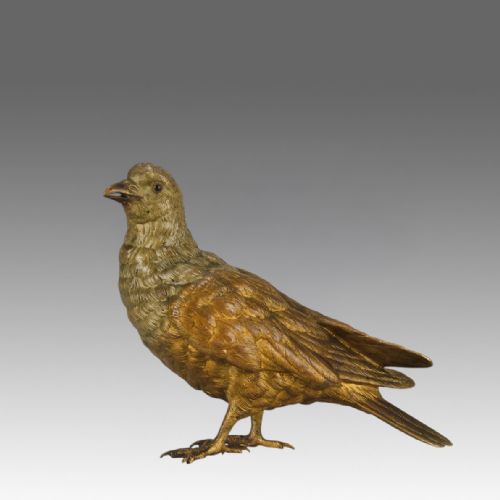
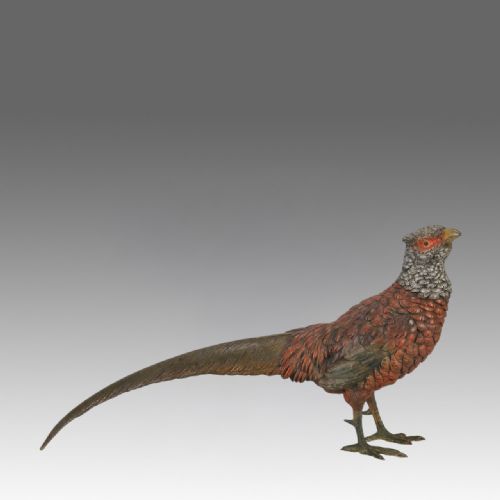
When you search for a bronze bird figurine, you are looking at small metal sculptures shaped into pigeons, owls, pheasants, and exotic fowl.
Bronze Bird Figurine
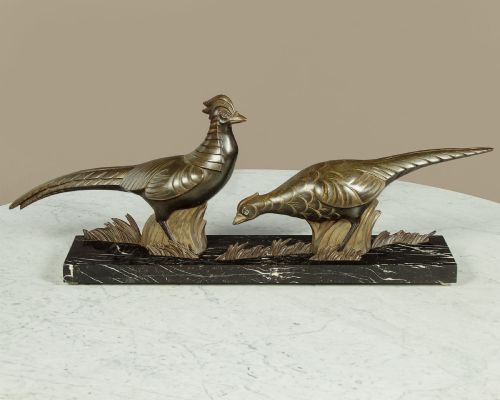
A bronze bird figurine captures avian forms in metal, ranging from realistic studies of native game birds to stylised Art Deco compositions. You will frequently find works produced in Austria and France during the late nineteenth and early twentieth centuries, spanning periods from the Victorian era through the 1930s.
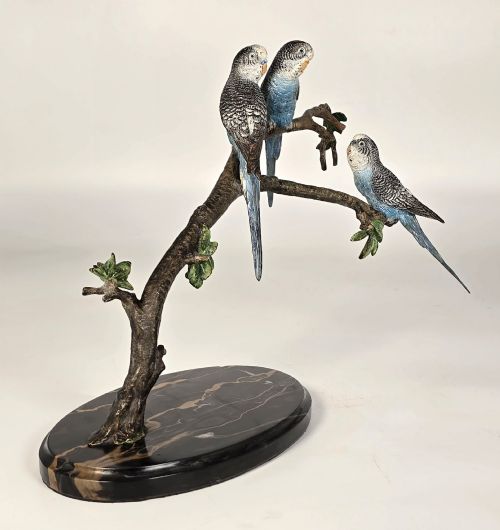
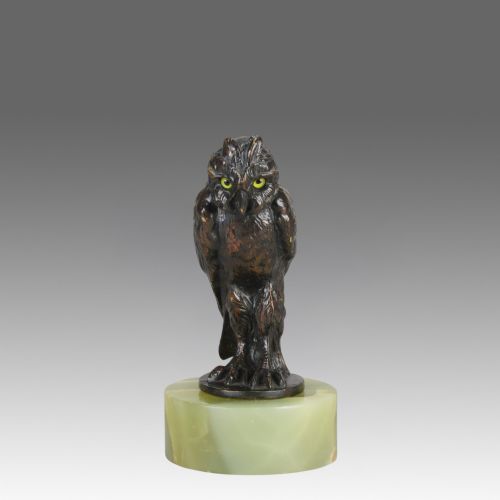
The objects take many practical and decorative shapes, appearing as standalone desk ornaments, lidded inkwells paired with marble or onyx bases, and whimsical caricature groups. Pigeons, owls, pheasants, and songbirds dominate the subjects, modelled either singly or in pairs perched upon branches and rocks.
How they were made
The foundational forms are cast in bronze or brass using traditional foundry methods, often set onto heavy plinths made of marble, onyx, or carved wood. Many Austrian examples employ cold-painting techniques, where vibrant enamel colours are applied directly onto the metal surface without subsequent firing.
Details are finished through manual chasing and engraving to render feathers, beaks, and foliage with tactile precision. Gilt bronze and ormolu variants receive a thin layer of gold or mercury gilding to impart a luminous metallic sheen.
Bronze Bird Figurine Retail Price Guide 2026
Typical asking prices for bronze bird figurine among the pieces listed under this phrase on Sellingantiques today, from the lower quarter to the upper quarter. They describe what is for sale here now, not the wider market.
The selection includes animalier studies, Art Deco compositions, and Austrian cold-painted sculptures of pigeons, pheasants, and owls.
What varies in quality
The fidelity of the casting and the crispness of the chisel work dictate the initial quality of the sculpture. Master founders capture subtle anatomical transitions in plumage and muscle, whereas inferior pieces rely on softer, generalised outlines.
The preservation of the original cold-painted enamel surfaces heavily influences desirability. Intact pigment without extensive flaking demonstrates proper historical care and heightens the visual impact of Vienna bronzes.
Franz Bergman·Carl Kauba·P J Mêne·Antoine Bofill·Maurice Bouval·Barbedienne
The Bronze Bird Figurine Glossary
- Cold-painted bronze
- Metal figures painted with unheated oil or enamel paints after casting. This technique was widely utilised by Austrian foundries.
- Animalier
- A nineteenth-century artistic movement dedicated to the realistic representation of animals. Sculptors in this tradition focused closely on natural posture and anatomy.
- Vienna bronze
- Small, highly detailed metal sculptures produced in Austrian workshops during the late nineteenth and early twentieth centuries. These pieces often depict birds, human caricatures, and orientalist subjects.
- Ormolu
- Gilded bronze ornamentation mounted onto furniture or used for decorative objects. The process involves applying a mercury and gold amalgam to the metal surface.
Bronze Bird Figurine: Frequently Asked Questions
Were these figures meant for desks?
Many smaller bronze birds served functional roles as desk accessories, paperweights, or inkwells with hinged lids. Others were designed strictly as cabinet sculptures or mantelpiece ornaments.
Heavier versions mounted on marble or onyx plinths provided a stable base for everyday use. Hollow interior spaces often indicate a functional receptacle component.
How can I tell a Vienna bronze from other types?
Vienna bronzes typically feature intricate hand-applied polychrome paint over detailed cast metal. They often portray whimsical subjects or naturalistic birds with expressive postures.
Many bear small stamped foundry marks, registered numbers, or the pitcher stamp associated with the Bergman workshop. The casting quality remains exceptionally fine even on miniature scales.
Why do some birds sit on marble bases?
Marble and onyx plinths added weight, balance, and visual contrast to the dark metal sculptures. These stone mounts became particularly popular during the Art Deco period and the late nineteenth century.
The natural veining in the stone complemented the earthy tones of the bronze plumage. Plinths also protected fine furniture surfaces from direct metal contact.