

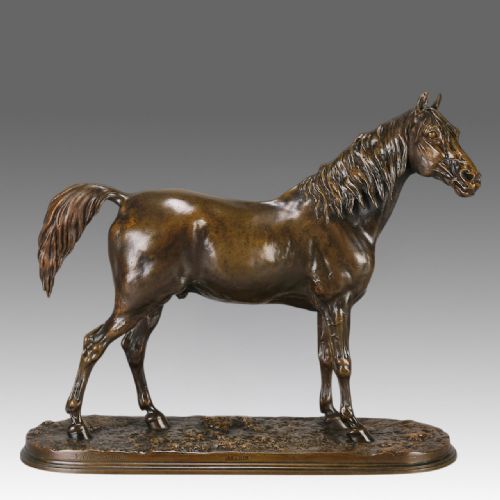


French Bronze Animal
When you handle a french bronze animal, you touch a century of realistic sculpture that captures the muscular tension and movement of wildlife and domestic beasts alike.
French Bronze Animal
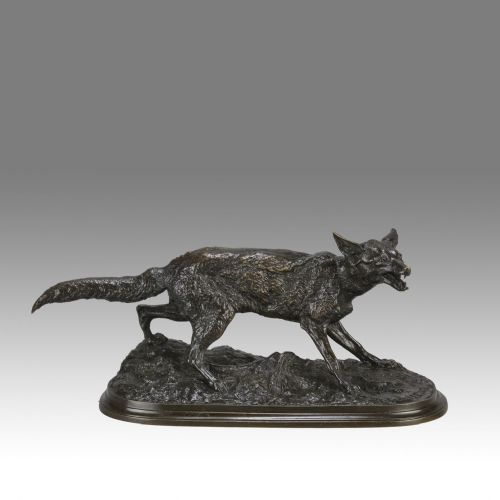
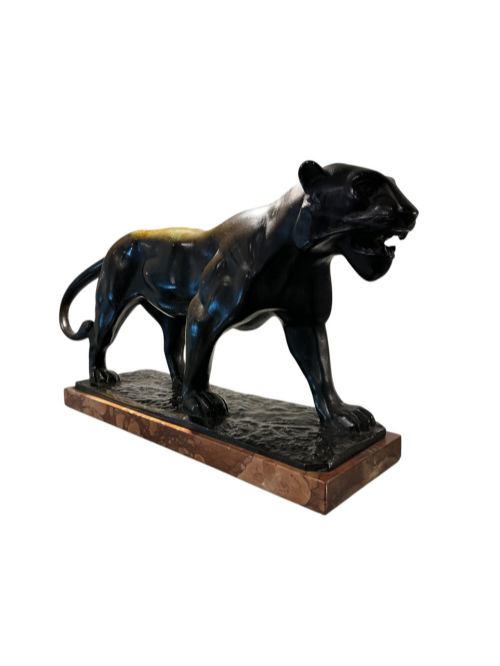
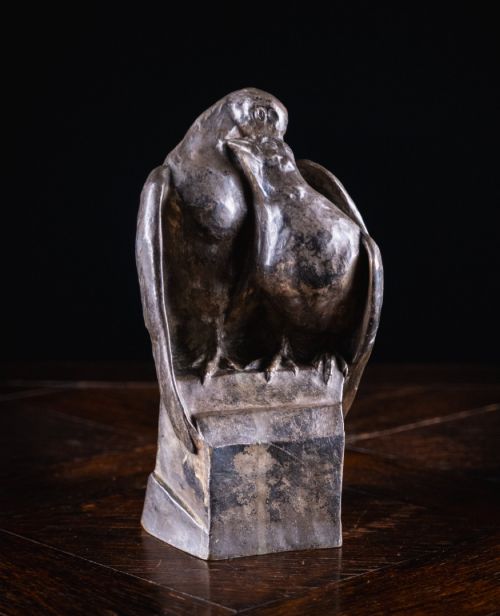
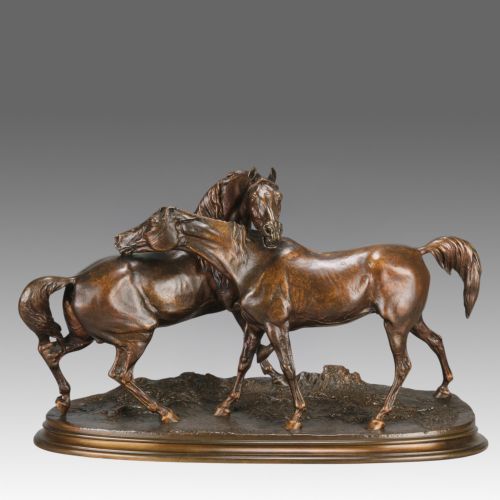
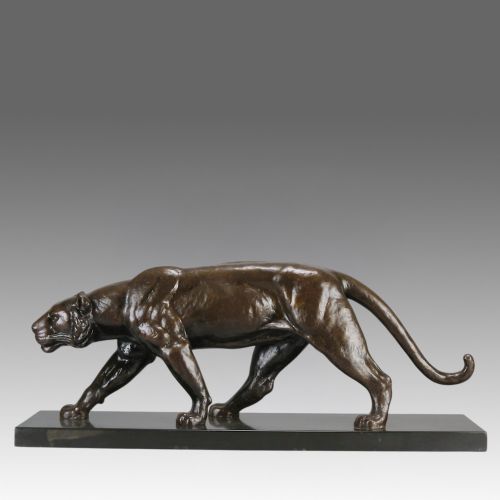
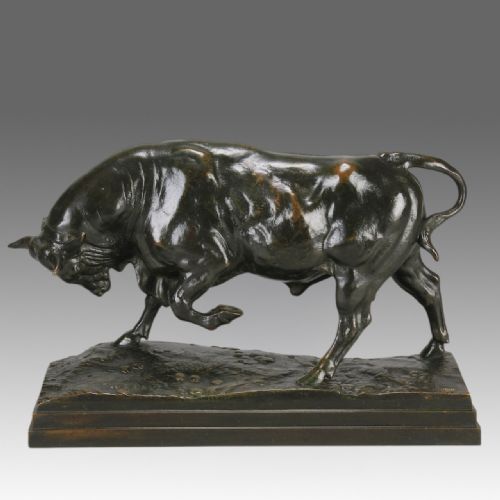
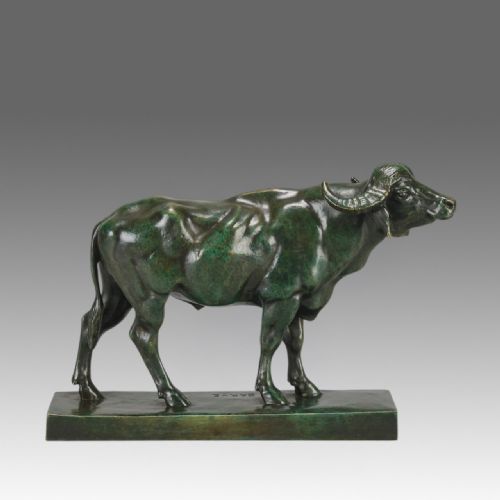
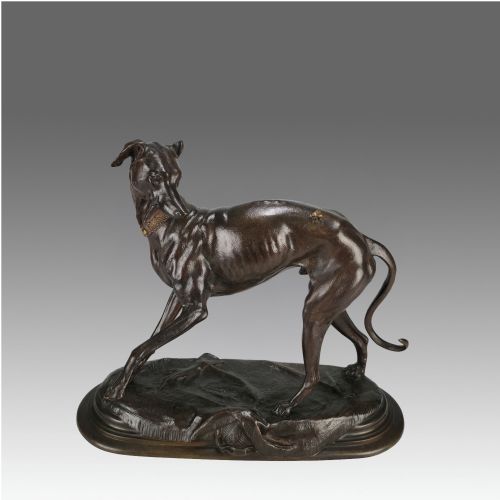
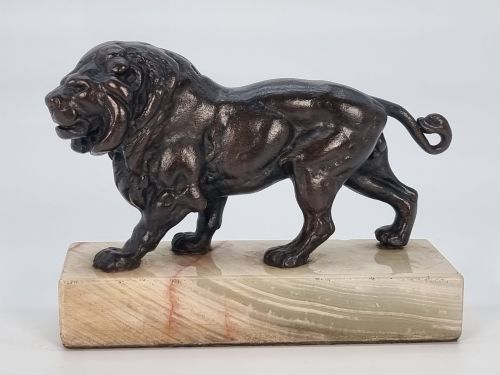
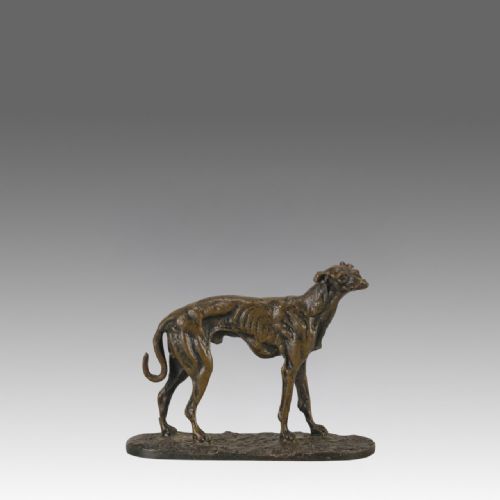
A french bronze animal represents the culmination of the nineteenth-century Animalier school, depicting dogs, big cats, horses, and birds with anatomical precision. You encounter these sculptures mounted on heavy plinths or functioning as practical items such as bookends and table lamps.
The objects span from romantic nineteenth-century realism to sleek modernist lines, reflecting changing tastes across the Victorian era and the interwar period. Most surviving examples derive from Parisian foundries and bear the signatures of prominent realist sculptors.
Domestic hounds, fierce predators, and farmyard species dominate the forms, rendered in active poses or resting stances. These works translate the untamed energy of nature into solid metal figures suited for nineteenth-century studies and twentieth-century interiors.
Materials and foundry technique
Foundries utilised traditional lost-wax casting and sand-casting methods to capture fine textures in molten metal, producing dense sculptures finished with rich chemical patinas. Bronze remains the primary medium, supported by variations in gilt bronze, nickel bronze, and patinated bronze.
Many sculptures incorporate substantial natural stone bases, utilising veined marble, dense onyx, and slate to support the weight of the metal figures. Spelter appears as a frequent alternative base metal in modernist groups, mimicking the appearance of heavier bronze.
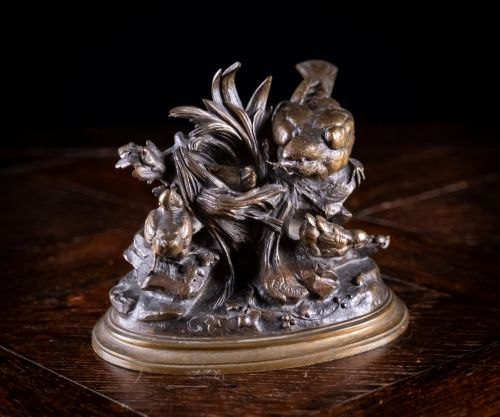
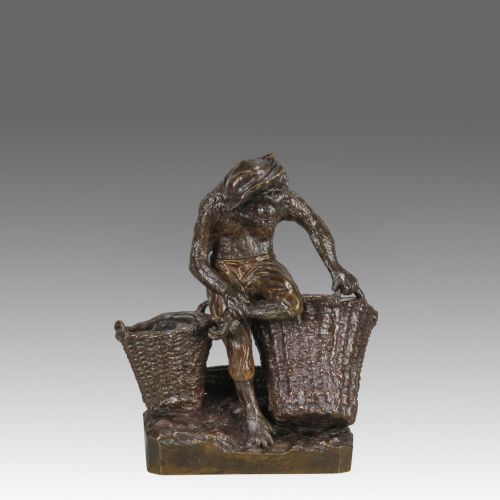
Some models depict frogs and tiny birds frozen in moments of quiet mischief beneath heavy bronze paws.
Distinctions in craftsmanship
The distinction between standard works and master castings lies in the crispness of the chasing, where master chisellers manually refined the cooled metal to define fur, feathers, and musculature. Sharp casting detail ensures the anatomy of a hound or panther remains legible and true to life.
Foundry signatures and patination depth heavily influence the standing of a piece, with layered chemical finishes surviving better on superior alloys. The integration between metal figure and stone base demonstrates the care taken during assembly.
P J Mêne·Antoine Louis Barye·Christophe Fratin·Alexandre Ouline·Alfred Dubucand·Prosper Lecourtier·Isidore Bonheur·Paul Édouard Delabrierre·Auguste Nicholas Cain·Jules Moigniez·Charles Valton
The French Bronze Animal Glossary
- Animalier
- A nineteenth-century artistic movement dedicated to the realistic portrayal of animals. Sculptors in this tradition focused on the accurate observation of wildlife and domestic beasts in motion.
- Patinated bronze
- A bronze sculpture treated with chemical solutions to produce a specific surface colour and tone. This finish protects the metal and accentuates sculptural details.
- Spelter
- A zinc alloy commonly utilised as a less expensive alternative to bronze during the art deco period. It often received a bronze-coloured coating to simulate true metal castings.
- Ormolu
- Gilded bronze produced by applying a mercury-gold amalgam to the metal surface. This technique creates a bright, rich golden finish characteristic of decorative objects.
French Bronze Animal: Frequently Asked Questions
How do I identify an authentic animalier bronze?
Authentic figures exhibit sharp anatomical definition and bear foundry marks or artist signatures cast directly into the metal surface.
Heavier weight and cold-to-the-touch metal distinguish true bronze from substitute alloys like spelter.
Were these sculptures meant for desks or displays?
Nineteenth-century animalier sculptures served as ornamental cabinet pieces, paperweights, and mantel decorations for studies and drawing rooms.
Later twentieth-century versions often combined sculpture with utility, serving as bookends or table lamps.
How should I clean a patinated bronze figure?
Dust the surface gently with a soft, dry cloth to prevent the accumulation of grit within the recessed details of the casting.
Avoid commercial metal polishes or water, as moisture and abrasive compounds strip away the historical patina.
What separates nineteenth-century casts from art deco pieces?
Nineteenth-century pieces focus on naturalistic anatomical accuracy, dynamic movement, and deep, dark patination characteristic of the romantic period.
Art deco works favour stylised geometry, sleek contours, and combinations with marble or onyx bases.