
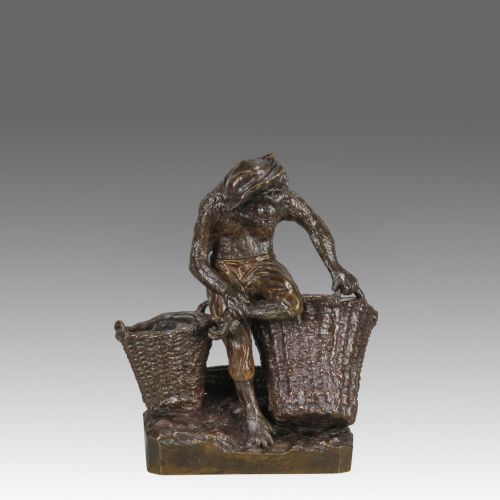
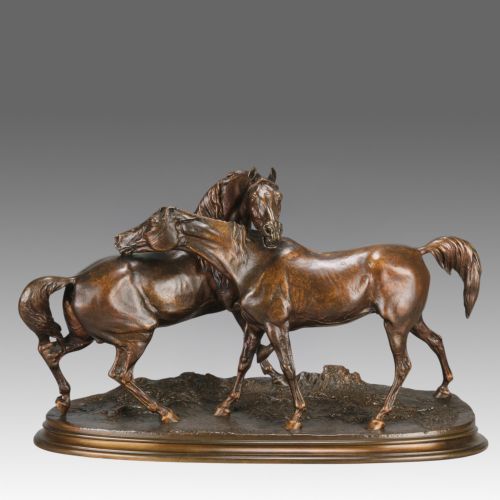
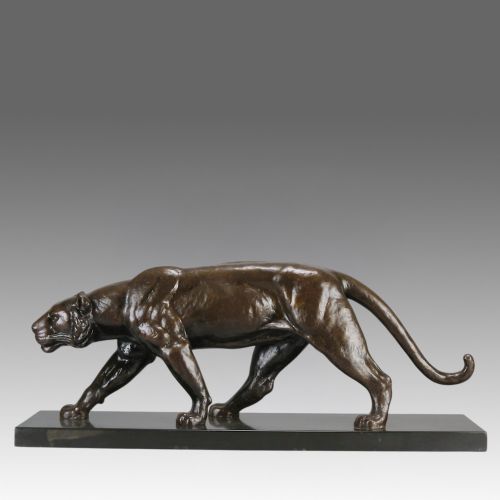
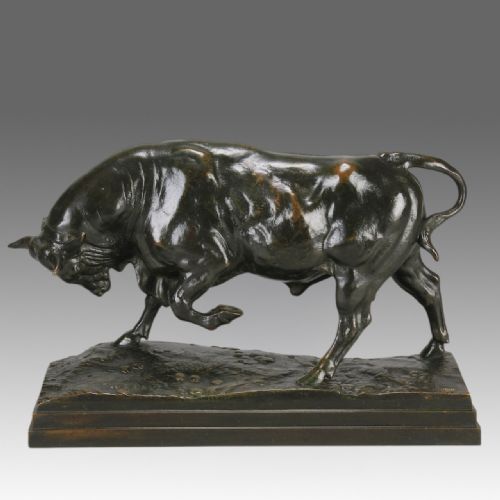

French Animal Sculpture
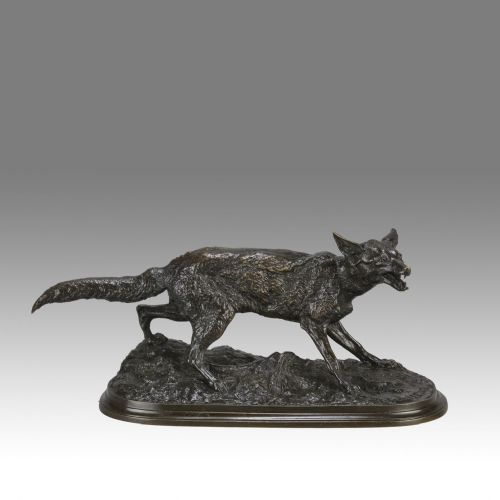
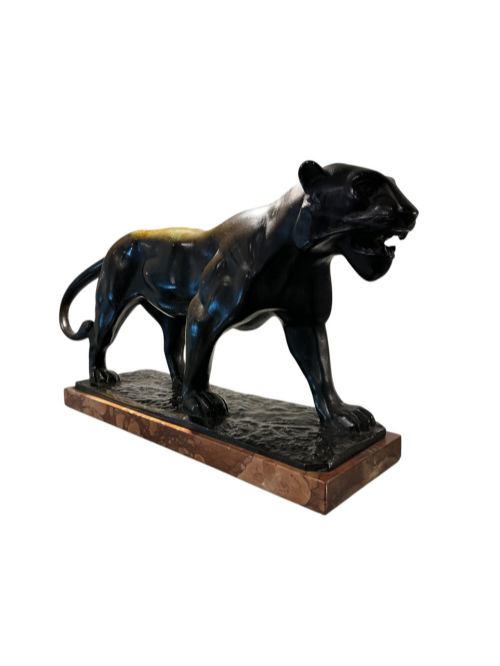
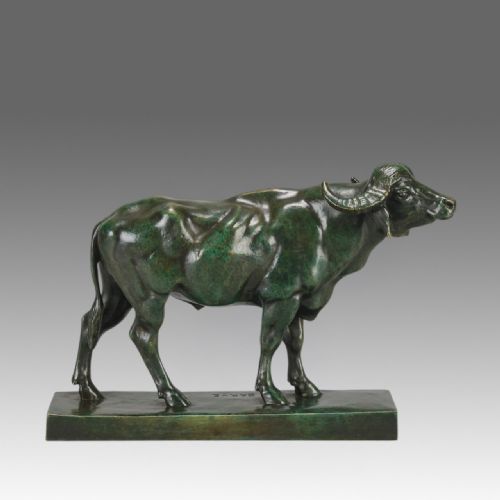
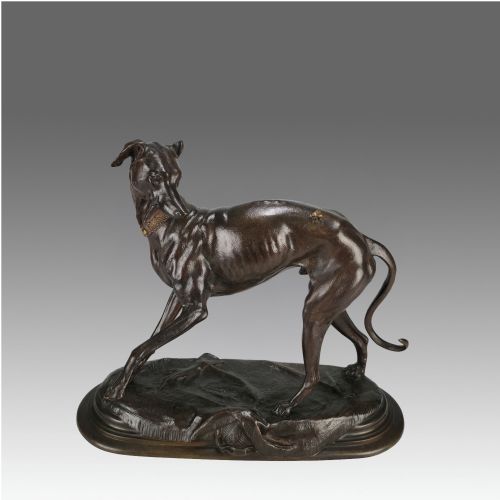
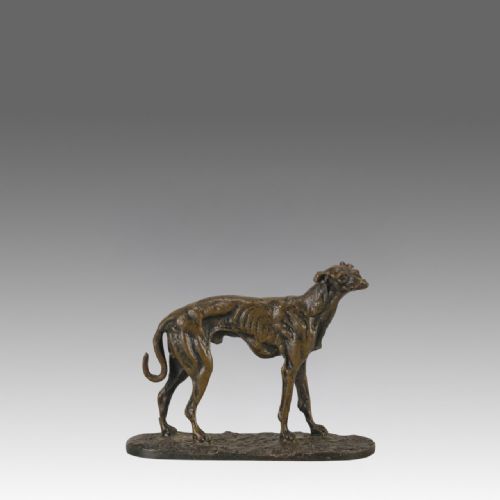
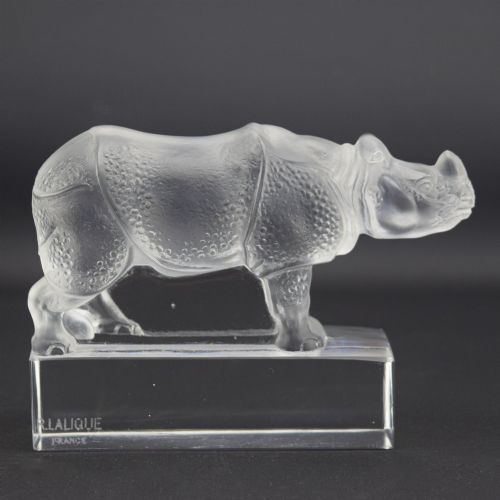
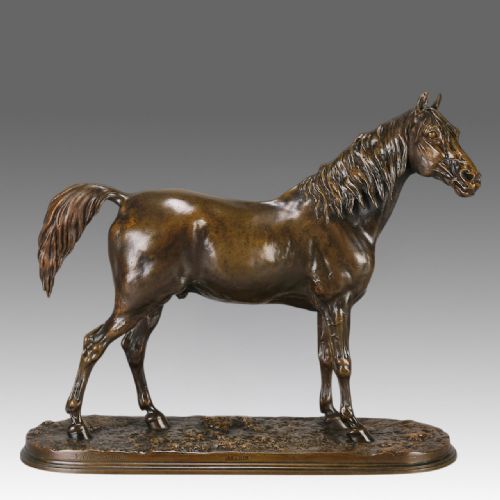
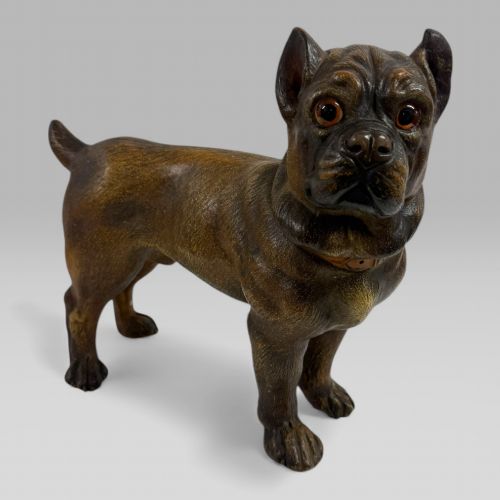
French animal sculpture captures the vitality of wildlife through bronze, spelter, and wood across the nineteenth and twentieth centuries.
French Animal Sculpture
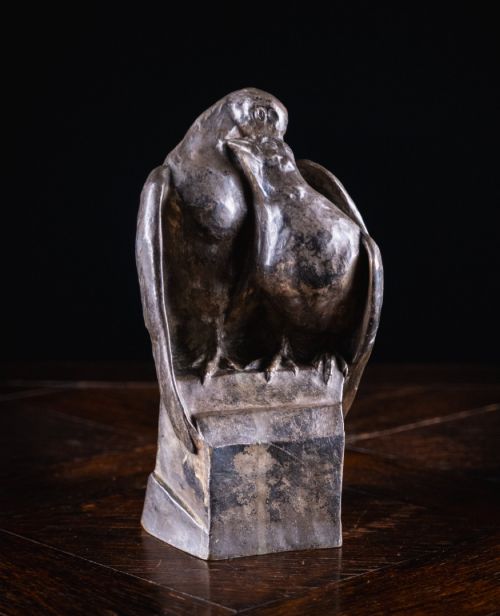
French animal sculpture brings naturalism and stylised movement into domestic spaces through figures of dogs, big cats, and birds. These works encompass nineteenth-century animalier studies alongside sleek twentieth-century Art Deco interpretations.
The pieces you encounter here range from cabinet-size bronze casts and paperweights to carved wooden animals and spelter groups. Most examples date from the Victorian era up through the nineteen-thirties, reflecting shifting tastes in animal representation.
How They Were Made
Foundry casters utilised both sand casting and the lost-wax method to produce bronze sculptures, capturing fine musculature and fur texture. Artisans applied chemical patination or gilding to finish the metal surfaces.
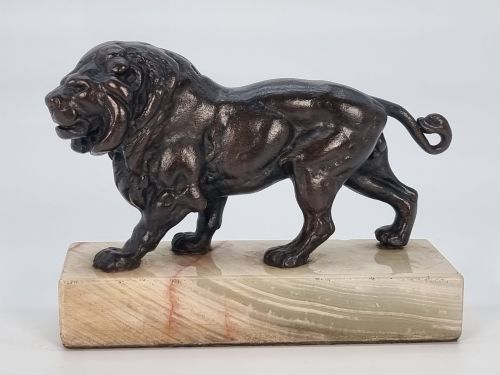
Alternative materials include spelter for twentieth-century figures, carved wood for folk art pieces, and marble or onyx utilised for substantial display bases.
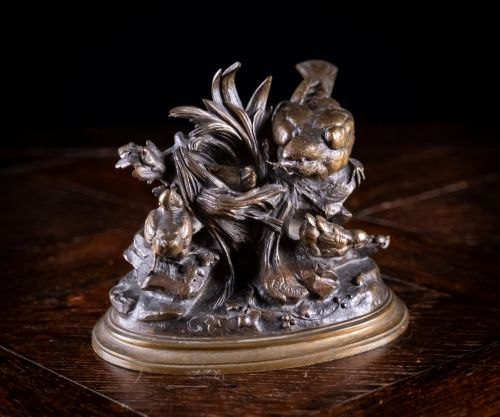
Several pieces double as functional objects, including a heavy brass toad serving as a desk paperweight.
What Varies in Quality
Casting sharpness separates superior foundry work from softer secondary editions, particularly where anatomical detail and fur texture are concerned. The nuance of the patination layer also dictates the visual depth of the metal.
Base material choice influences overall substance, with genuine marble and onyx mounting elevating the presentation compared to simpler wooden blocks.
P J Mêne·Antoine Louis Barye·Christophe Fratin·Alexandre Ouline·Isadore Bonheur·Prosper Lecourtier
The French Animal Sculpture Glossary
- Animalier
- A nineteenth-century artistic movement focused on the realistic depiction of animals, particularly predators and domestic beasts.
- Spelter
- A zinc alloy frequently utilised as a cost-effective substitute for bronze in decorative sculptures, especially during the Art Deco period.
- Patination
- The chemical treatment applied to metal surfaces to produce colouration and protect against oxidation.
- Lost-wax casting
- A traditional method of metal casting where a wax model is melted out of a mould to receive molten bronze.
French Animal Sculpture: Frequently Asked Questions
What is an animalier sculpture?
An animalier sculpture is a nineteenth-century work that portrays animals with anatomical accuracy and observational realism. These pieces often capture wildlife in moments of tension, rest, or predation.
Artists within this movement studied live subjects extensively in menageries to understand natural posture and movement.
How do I distinguish bronze from spelter?
Bronze is heavier, colder to the touch, and yields a resonant tone when gently tapped, whereas spelter is softer and more brittle. Spelter pieces often display a painted finish rather than a chemical patina.
Examining the underside of the sculpture frequently reveals the underlying grey metal of spelter where the surface finish has worn.
Where were these sculptures displayed?
Nineteenth-century animalier bronzes were designed as desktop ornaments, cabinet pieces, or library decorations for affluent homes. Later Art Deco figures often served as mantelpiece centrepieces or decorative focal points.
Many smaller examples functioned as paperweights or decorative bookends in studies and offices.
How should I clean a bronze sculpture?
Dust bronze sculptures gently with a soft, dry brush to prevent accumulation in recessed areas. Avoid harsh chemical cleaners or abrasive cloths that can strip the patination.
Occasional application of microcrystalline wax helps protect the surface metal from atmospheric moisture.