
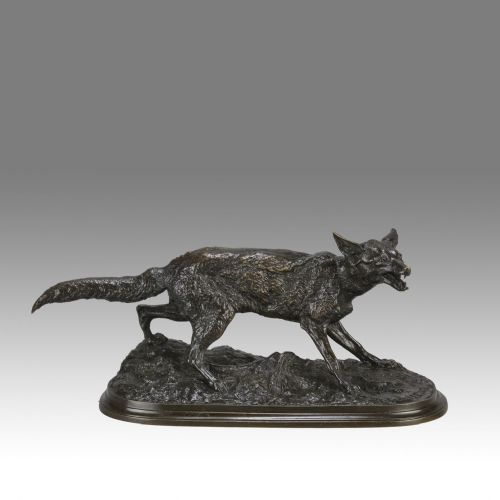
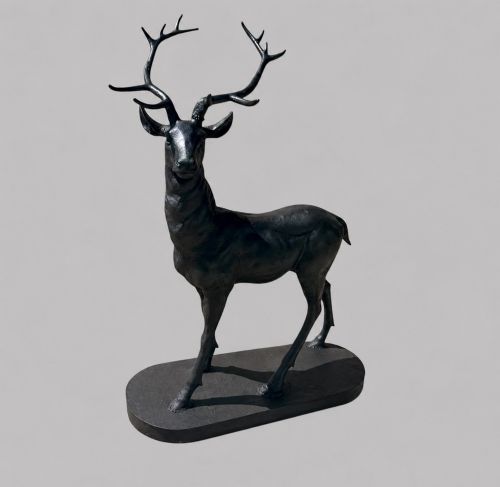



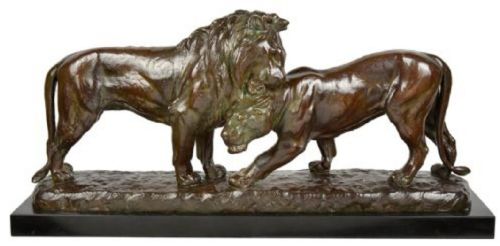
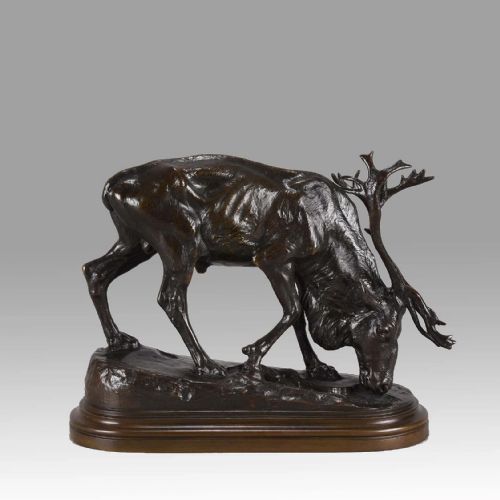


Cast Bronze Wildlife Figurine
A cast bronze wildlife figurine brings the untamed natural world indoors with a weight and permanence that modern casting simply cannot replicate.
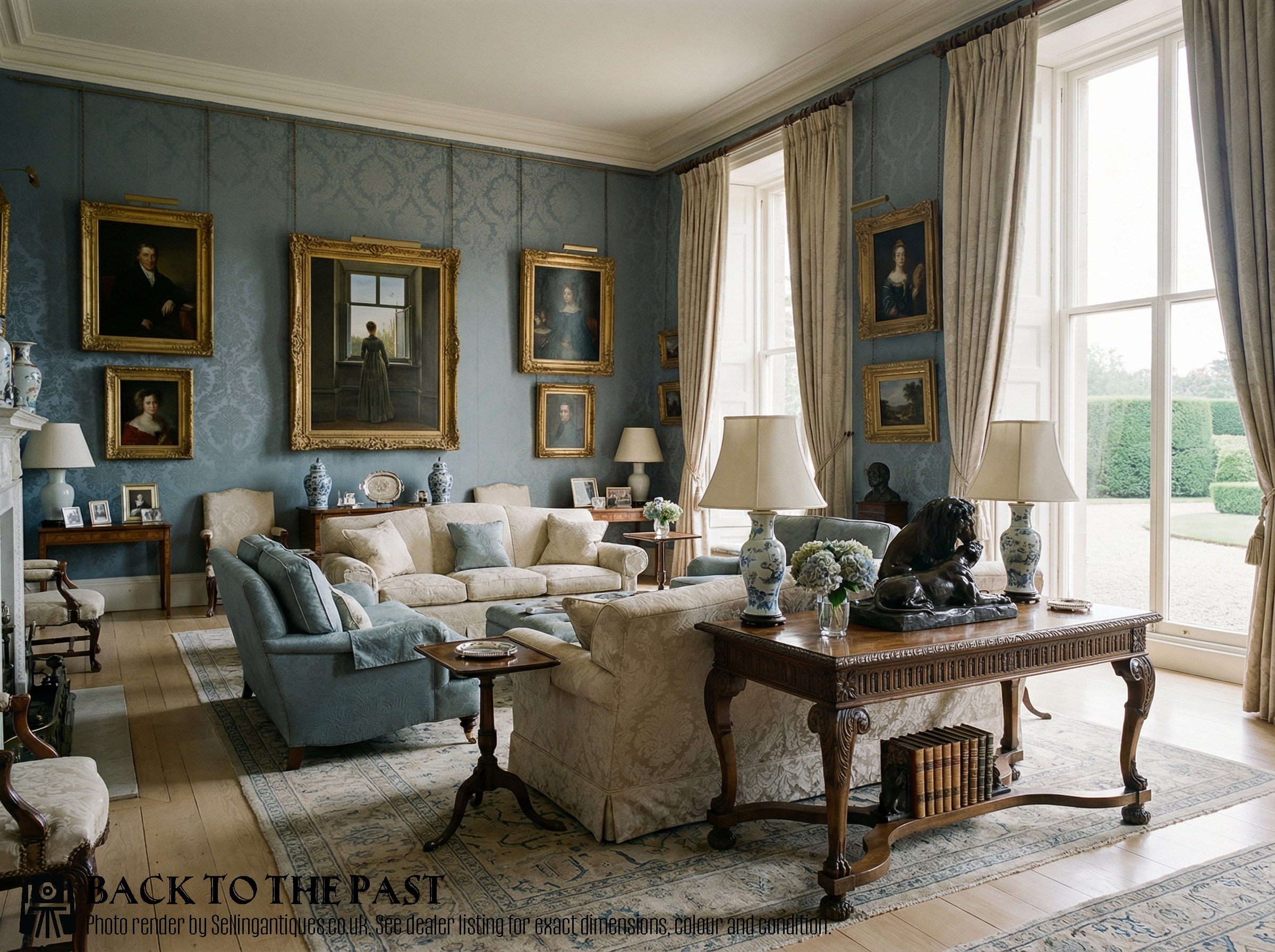
Cast Bronze Wildlife Figurine
When you search for a cast bronze wildlife figurine, you are examining metal depictions of animals shaped across the nineteenth and early twentieth centuries. These works emerge from European and Japanese foundries, capturing creatures from native foxes and hares to exotic lions, tigers, and elephants.
The version you are most likely to meet on this page belongs to the Animalier movement or the Vienna School, often mounted upon marble bases. These pieces portray animals in motion or repose, reflecting a Victorian and Edwardian fascination with natural history and realism.
How they were made
Foundries utilised the lost-wax casting technique to translate detailed clay or wax models into molten metal. This method allowed artisans to render fur, muscle, and feather texture with striking fidelity.
Many surfaces received chemical patination to produce deep brown, black, or green tones, whilst others were finished with cold-painted polychrome pigments applied over metallic grounds.
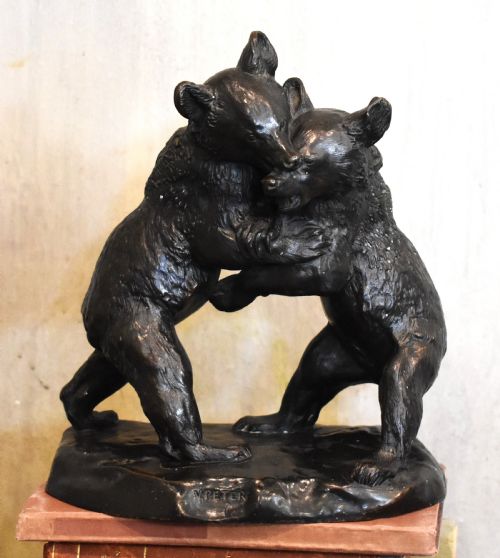
Several bears are caught in mid-fight, proving that even heavy metal sculptures occasionally need a time-out.
What varies in quality
The quality of the mount and the depth of the patina further distinguish the pieces, as does the reputation of the founder or sculptor associated with the signature.
P J Mêne·Franz Bergman·Paul-Édouard Delabrièrre·A L Barye·G.GARDET·Alfred Dubucand·Louis Riche·Isidore Bonheur·Jules Moigniez·Ferdinand Pautrot
The Cast Bronze Wildlife Figurine Glossary
- Animalier
- A nineteenth-century artistic movement dedicated to the realistic portrayal of animals, particularly in sculpture. Practitioners focused on anatomical precision and dynamic movement.
- Cold-painted bronze
- A method where vibrant oil paints are applied to a cold bronze surface rather than fired in a kiln. This technique is closely associated with Austrian foundries.
- Patina
- The chemical colouration developed on the surface of bronze through age or deliberate treatment by the maker. It protects the metal and defines the visual depth of the sculpture.
- Lost-wax casting
- A process where a wax model is melted out of a ceramic mould to create a cavity for molten metal. It permits complex undercuts and intricate surface textures.
- Foundry mark
- A stamp or signature left by the casting workshop that executed the metalwork. These marks help identify the commercial origin and period of the object.
Cast Bronze Wildlife Figurine: Frequently Asked Questions
How do I clean a bronze figurine?
Dust the surface gently with a soft, dry brush to prevent particulate buildup in the crevices. Avoid water, soap, or chemical polishes, which strip the patination and damage the underlying metal.
Apply a very light microcrystalline wax occasionally if the surface appears dry, buffing it off completely with a clean cloth.
Why are some figures cold-painted?
Vienna workshops utilised cold-painting to introduce vivid, lifelike colour to exotic animals and birds. This finish mimics the natural plumage or fur of the creature.
Because the paint is unbaked, these pieces require careful handling to prevent chipping or flaking over time.
How do I date a bronze animal sculpture?
Examine the signature, foundry stamps, and the style of the base to establish a chronological anchor. Nineteenth-century casts often feature deeper, hand-chased surface details and heavier green or black marble plinths.
Compare the patina composition and casting seams with documented examples from known sculptors of the period.
Are marble bases original to the bronzes?
Many nineteenth and early twentieth-century sculptures were cast with integrated metal plinths or fitted directly onto bespoke marble bases by the foundry. Green and black marble varieties were standard choices to elevate the visual weight of the piece.
Subsequent framing or replacement of bases occurred frequently, so check the fit and fixing screws for signs of later alteration.