




Cast Bronze Bird Figurine
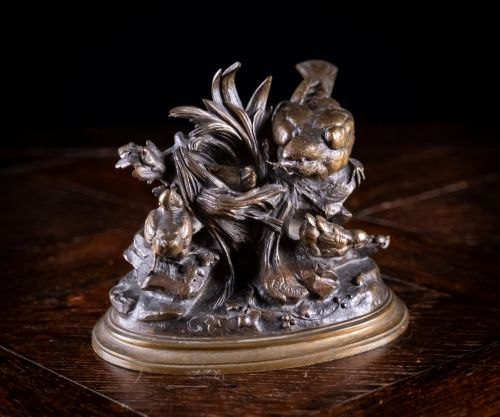
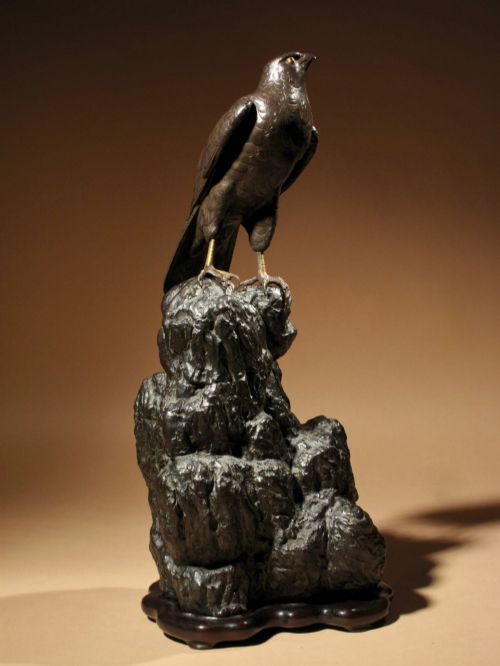
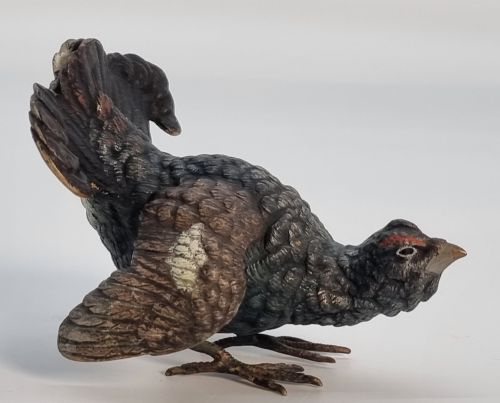
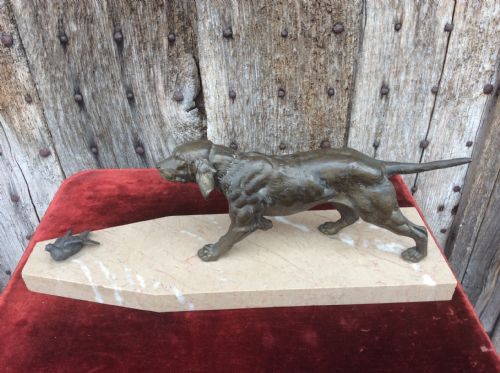
These cast bronze bird figurine examples capture fine feathered detail in metal, offering lasting charm for the desk or cabinet.
Cast Bronze Bird Figurine
When you search for a cast bronze bird figurine, you encounter sculptural works depicting avian subjects rendered in metal across the nineteenth and early twentieth centuries. These pieces encompass various styles including Animalier and Vienna Bronze, capturing birds from hawks and capercaillies to grouse, pheasants, ostriches, and sparrows.
The selections on this page are most commonly rooted in nineteenth-century and early twentieth-century European foundries. They frequently depict realistic or decorative bird forms, sometimes paired with natural elements like rocks or branches, or mounted upon marble plinths.
How they were made
Makers utilised traditional casting methods to shape the metal into complex avian forms, employing bronze or cast brass as the primary medium. Molten metal poured into moulds captured intricate feather textures and anatomical contours.
Surface finishes applied to these sculptures include cold painting, patination, and gilt highlights. Cold painting involved applying pigment directly to the cured bronze without high-temperature firing, bringing lifelike colour to species like the capercaillie and golden pheasant.
Listings feature works spanning the nineteenth century up to the nineteen-twenties, incorporating materials such as bronze, paint, wood, cold paint, patina, marble, gilt brass, and cast brass.
What varies in quality
The standard of a cast bronze bird figurine depends upon the sharpness of the underlying metalwork and the nuance of the surface finishing. Finer examples display crisp feather definition and naturalistic postures that reflect close observation of the living subject.
Preservation of surface treatments, such as original cold paint or patination, distinguishes superior items from those with heavy wear. The integration of supporting elements, whether a craggy rock base, a naturalistic branch, or a fitted marble plinth, contributes to the overall presence of the sculpture.
Louis Emile Cana·Franz Bergman·Antoine Bofill·Barye·Ferdinand Pautrot
The Cast Bronze Bird Figurine Glossary
- Cold-painted bronze
- Metal sculpture decorated with non-fired paint applied after casting. This technique was notably utilised by Austrian foundries to render vibrant bird plumage.
- Animalier
- A nineteenth-century artistic movement focused on the realistic portrayal of animals. Sculptors in this style studied anatomical precision closely.
- Patina
- A chemical or natural surface alteration on bronze that develops over time or is applied by the maker. It enhances the depth and tone of the metal.
- Gilt brass
- Brass treated with a thin layer of gold or gold-coloured finish. This material provides a bright, reflective surface appearance.
Cast Bronze Bird Figurine: Frequently Asked Questions
What is a cold-painted bronze bird?
A cold-painted bronze bird is a metal sculpture decorated with paint applied after the casting process rather than fired at high temperatures. This method allows for intricate and colourful depictions of various bird species.
Such pieces are frequently associated with Austrian workshops from the late nineteenth and early twentieth centuries. They were designed primarily for decorative display on desks or mantelpieces.
How do I identify an Animalier bronze?
An Animalier bronze is characterised by a strong focus on the realistic anatomy and behaviour of animals, including birds and hounds. These sculptures emerged strongly in nineteenth-century France and Europe.
Look for dynamic postures and detailed surface textures that mimic feathers or fur. Many bear signatures or foundry marks from the period's prominent sculptors.
Where were Vienna bronzes made?
Vienna bronzes were produced in workshops located in Vienna, Austria, during the late nineteenth and early twentieth centuries. These small-scale sculptures gained international popularity for their whimsical or highly realistic animal subjects.
They are particularly recognised for their detailed cold-painted finishes. Collectors value them for their charming representation of wildlife.
How should I clean a bronze figurine?
Cleaning a bronze figurine requires gentle dusting with a soft, dry cloth to prevent the accumulation of grit. Avoid using water, chemical polishes, or abrasive materials that might strip away the original patina or cold-painted surface.
Preserving the existing finish maintains the historical integrity of the piece. Professional conservation advice should be sought if deeper cleaning is required.