
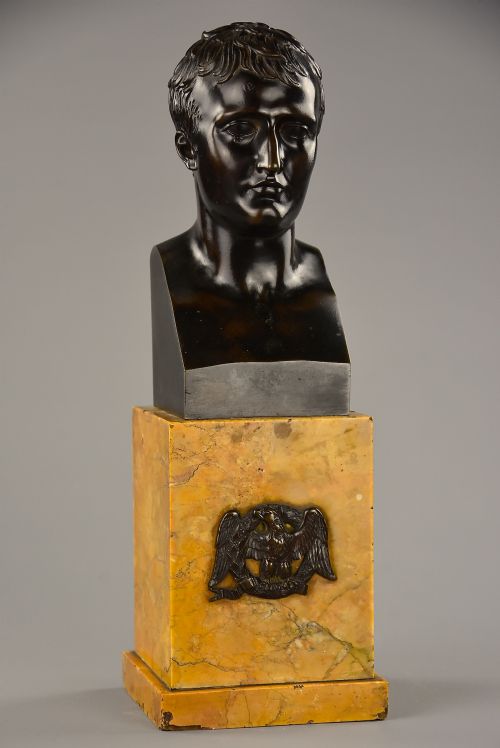


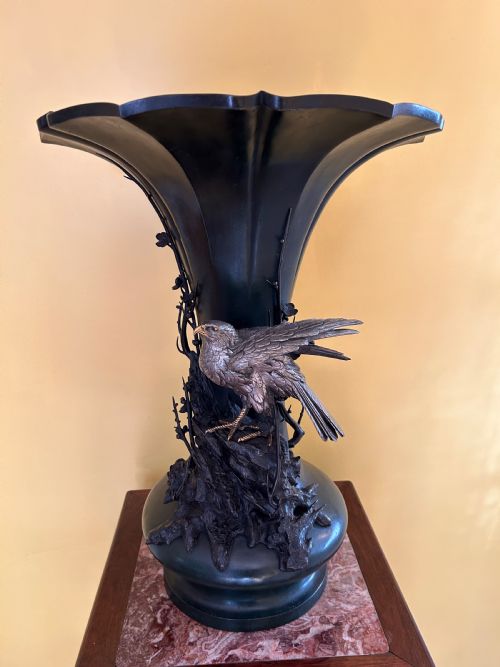


Bronze Eagle Sculpture
A bronze eagle sculpture brings the fierce power of the king of birds into a room through solid metal cast by master hands.
Bronze Eagle Sculpture
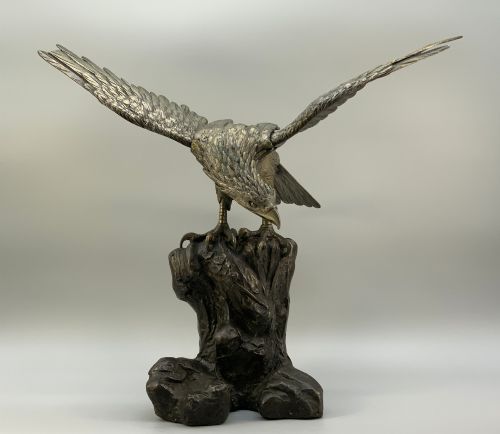
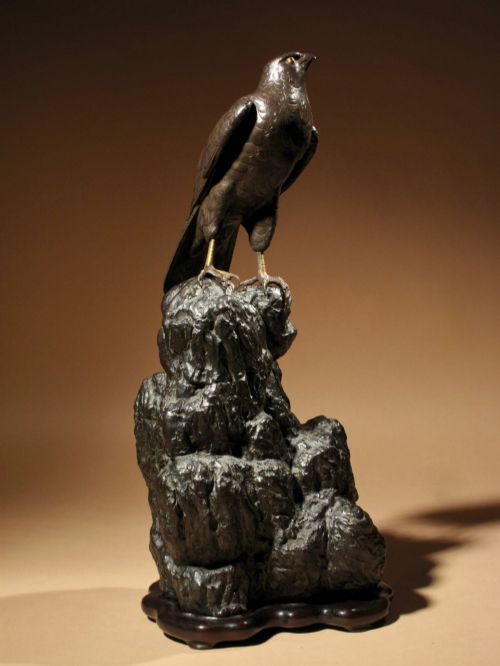
A bronze eagle sculpture encompasses depictions of birds of prey rendered in cast metal across various historical periods and international traditions. When you search for this phrase, you encounter forms ranging from Japanese Meiji period okimono and French animalier studies to Italian Grand Tour objects and Victorian decorative works.
The versions most commonly met on this page include Japanese bronze and mixed metal eagles and hawks from the late nineteenth century, often perched on root wood bases or craggy rocks. Alongside these, French animalier sculptures capture the bird in dramatic moments, such as devouring a heron or resting with powerful wings folded.
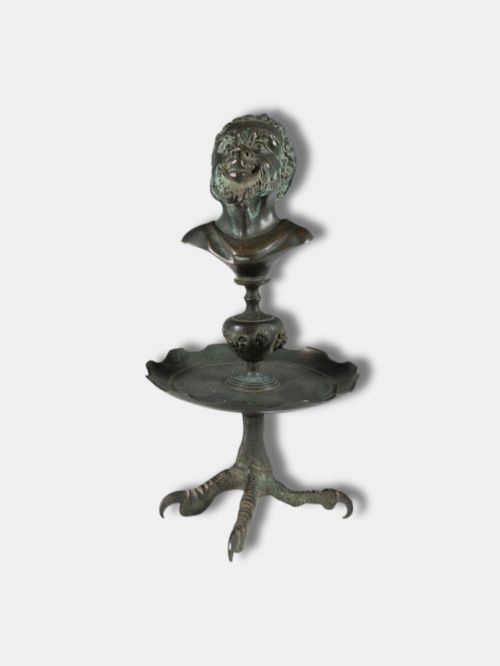
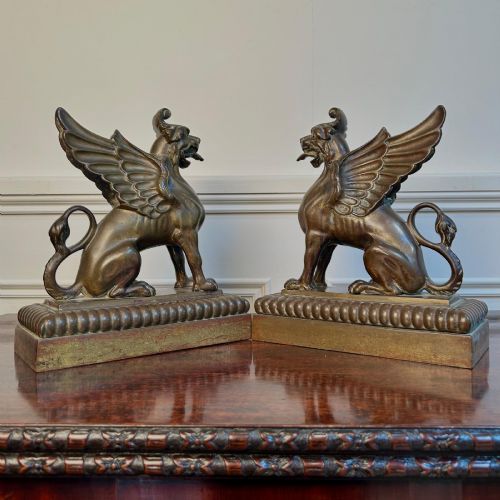
Beyond standalone figures, the evidence shows eagles integrated into functional or decorative items, including oil lamps with eagle claw designs and vases featuring metal birds. These pieces reflect diverse stylistic impulses, spanning from French Empire and Victorian Gothic Revival aesthetics to the detailed realism of Meiji period Japanese metalwork.
What varies in quality
The distinction between standard works and finer examples lies in the sharpness of the chasing and the fidelity of the feather detail. Superior casts display deep, crisp articulation in the plumage and talons, whereas lesser versions lose definition in the texture.
Surface finish and patina depth separate the ordinary from the exceptional. A carefully managed dark or patinated bronze surface brings out the anatomical tension of the bird, while flat or uniform colouring diminishes the sculptural presence.
Antoine Louis Barye·Barbedienne·Gyoko·Christophe Fratin·Claude Mirval
The Bronze Eagle Sculpture Glossary
- Animalier
- A nineteenth-century artistic movement focused on the realistic depiction of animals, particularly in bronze. Sculptors in this tradition studied anatomy closely to capture creatures in motion or repose.
- Meiji Period
- The era in Japanese history spanning from 1868 to 1912, known for extraordinary technical mastery in metalwork and decorative arts. Works from this time often feature signature carvings and mixed metal accents.
- Patina
- The surface coloration and sheen developed naturally over time or applied chemically by a founder. It protects the metal and defines the visual texture of the sculpture.
- Okimono
- A Japanese decorative object intended for display in an alcove or on a shelf. These standalone carvings and metal figures show exceptional attention to naturalistic detail.
- Grand Tour
- A cultural journey undertaken by wealthy young Europeans in the eighteenth and nineteenth centuries to collect classical art and small-scale bronzes. These items served as souvenirs of classical sites.
Bronze Eagle Sculpture: Frequently Asked Questions
What periods do these sculptures come from?
The pieces originate primarily from the nineteenth century, encompassing Victorian and Meiji period examples.
Craftsmen across Europe and Japan produced these works using traditional metalcasting methods characteristic of the era.
How were bronze eagle sculptures displayed?
Owners typically placed these figures on mantelpieces, desks, or specialised wooden stands within studies and libraries.
Larger sculptures often stood on dedicated marble bases or natural root wood supports to elevate the piece.
What is the difference between bronze and mixed metal?
Pure bronze consists primarily of copper alloyed with tin, while mixed metal incorporates various metallic elements to create contrasting colour tones within a single piece.
Japanese metalwork frequently utilised mixed metals to highlight different parts of the sculpture, such as the beak or talons.
How do I care for a patinated bronze sculpture?
Dust the surface gently with a soft, dry cloth to prevent particulate buildup without disturbing the underlying patina.
Avoid using liquid cleaners or polishes, which can strip away the historical finish applied by the maker.