





Decorative Bronze Bird
A decorative bronze bird brings life to a room, capturing feathers and form in lasting metal.
Decorative Bronze Bird
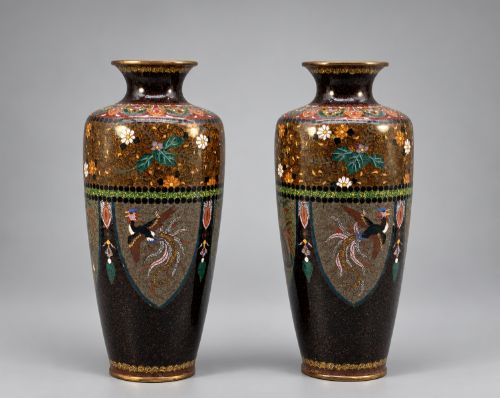
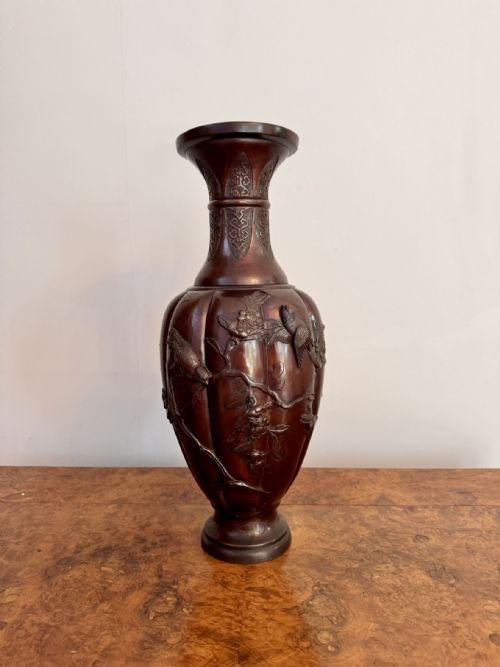
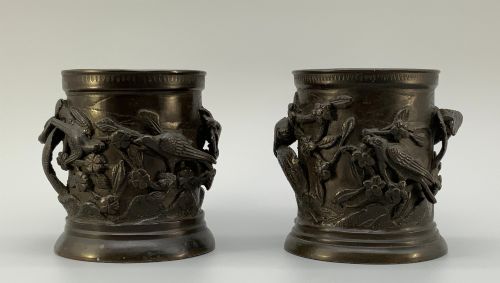
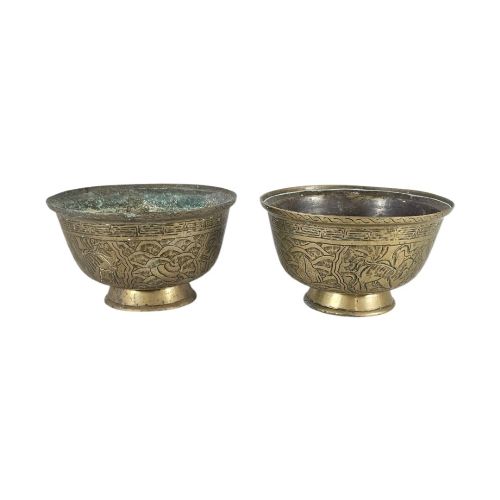
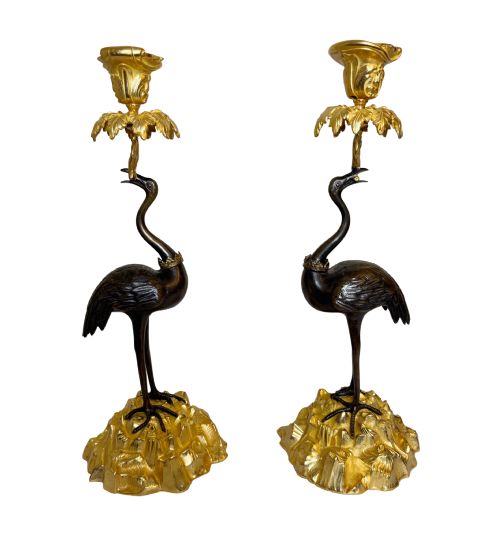
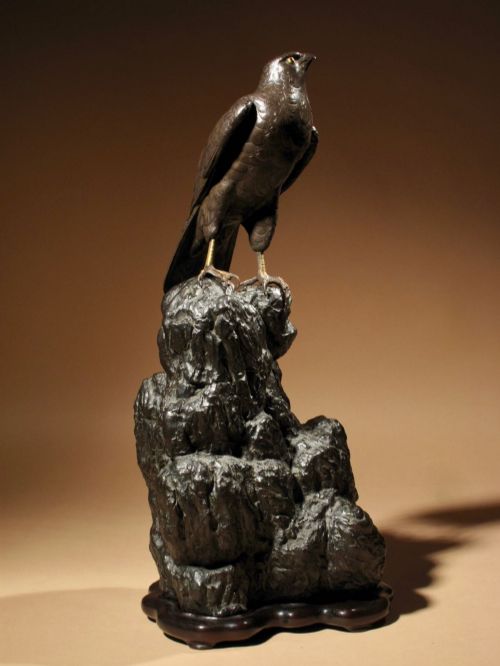
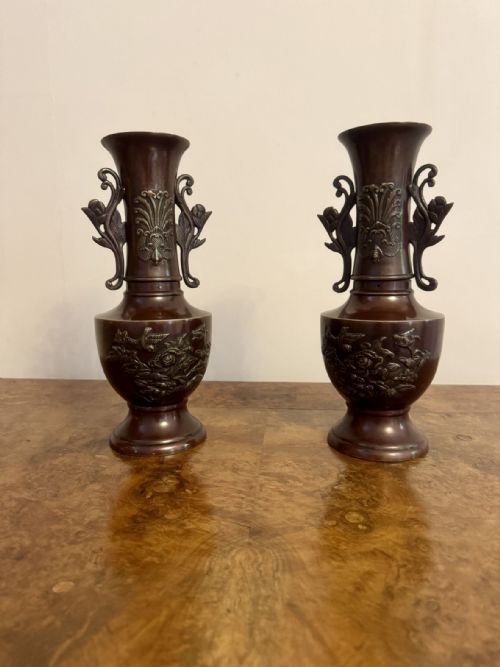
A decorative bronze bird takes many forms across the selection, from sculptural hawks and cranes to birds integrated into vases, clocks, and bookends. Buyers searching for a decorative bronze bird will encounter examples spanning the nineteenth and early twentieth centuries, reflecting diverse global traditions.
Japanese Meiji period works and Chinese pieces form a strong presence among the listings, often featuring birds alongside blossoms and lotus motifs. European items, including French mantel clocks, candlesticks, and Art Nouveau sculptures, add another dimension to the available forms.
How they were made
Foundries utilised traditional casting methods to shape bronze, brass, and copper into detailed animal and plant subjects. Molten metal filled moulds to create substantial figures, altar vases, and mantel ornaments.
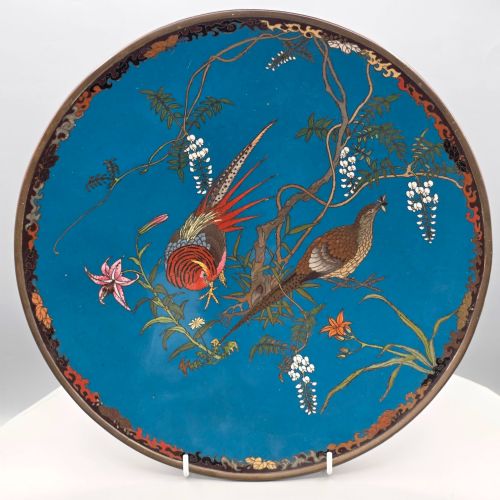
Surface finishes complete the construction, with patinated bronze, gilt bronze, ormolu, and vibrant cloisonné enamel adding colour and texture to the metallic bodies. Marble bases and mahogany mounts occasionally provide weight and support for the cast figures.
Decorative Bronze Bird Retail Price Guide 2026
Typical asking prices for decorative bronze bird among the pieces listed under this phrase on Sellingantiques today, from the lower quarter to the upper quarter. They describe what is for sale here now, not the wider market.
Materials appearing across the inventory include bronze, brass, enamel, copper, patinated bronze, gilt bronze, marble, and cloisonné enamel.
What varies in quality
The refinement of the casting dictates the sharpness of feathers, beaks, and surrounding natural details such as rocks and foliage. Greater skill produces more lifelike postures and distinct separation in grouped subjects.
Application of surface decoration, whether through hand-applied enamelling, gilding, or patination, distinguishes standard items from superior examples. The weight of the metal and the integration of auxiliary materials like marble further influence the character of each piece.
The Decorative Bronze Bird Glossary
- Bronze
- An alloy primarily composed of copper and tin, valued for its strength and suitability for casting detailed sculptural forms. It develops a natural patina over time.
- Cloisonné
- A technique where enamel paste is applied within compartments created by soldered wire on a metal base. This method produces intricate coloured patterns across chargers and vases.
- Ormolu
- Finely ground high-carat gold applied to a bronze object, commonly used in French decorative arts to create a brilliant golden finish. It protects the metal underneath while adding visual warmth.
- Patination
- The surface coloration achieved through chemical treatment, age, or deliberate heating of bronze. It enhances depth and highlights modelled details.
- Spelter
- A zinc alloy frequently utilised as a substitute for bronze in nineteenth-century decorative items such as bookends. It is lighter in weight and softer than true bronze.
Decorative Bronze Bird: Frequently Asked Questions
What periods do these birds come from?
The pieces span the nineteenth century and the early decades of the twentieth century. Examples include Victorian creations alongside Meiji period Japanese works and later Art Deco designs.
Dates are determined by stylistic markers, manufacturing techniques, and period stamps associated with specific regional workshops.
How were these bronze birds used?
Many served as standalone sculptures, mantel ornaments, or bookends in period interiors. Others functioned as practical vessels, including vases, altar urns, and candlesticks incorporating bird motifs.
They functioned primarily as decorative interior objects designed to display craftsmanship and taste in a domestic setting.
Are these pieces solid bronze?
Most sculptural figures and vessels are cast in bronze, brass, or gilt bronze using traditional foundry methods. Some items combine metal with marble bases, mahogany mounts, or enamel work.
Occasional pieces utilise spelter as a substitute metal, which is typically identified by its lighter weight and softer surface properties.
How do I care for a bronze bird?
Dust the surface regularly with a soft, dry cloth to prevent accumulation in detailed recesses. Avoid harsh chemical cleaners or polishes that can strip away original patination or gilding.
Keep the metal away from damp environments to preserve the stability of the alloy and any accompanying enamel or stone elements.