


19th Century Italian Bronze
When you handle 19th century italian bronze pieces, you touch the tangible souvenirs brought home by travellers who walked the classical sites of Rome and Florence.

19th Century Italian Bronze
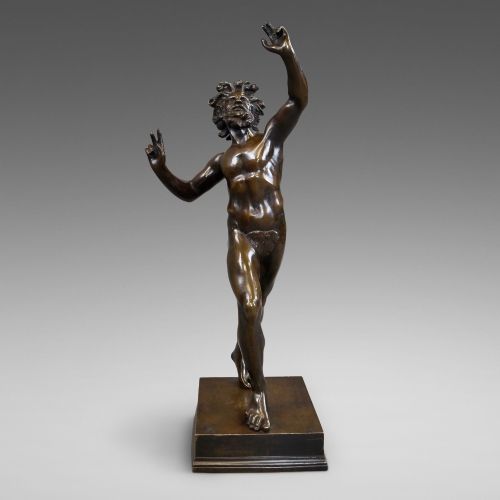
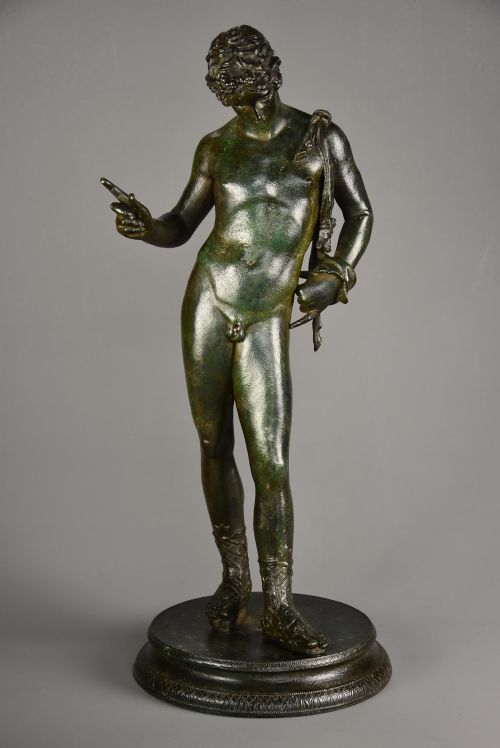
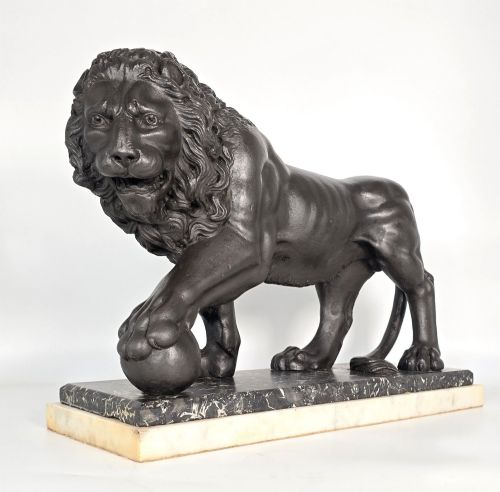
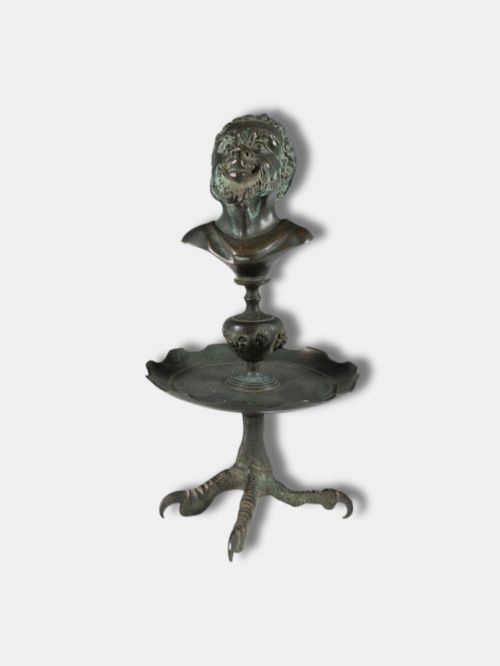
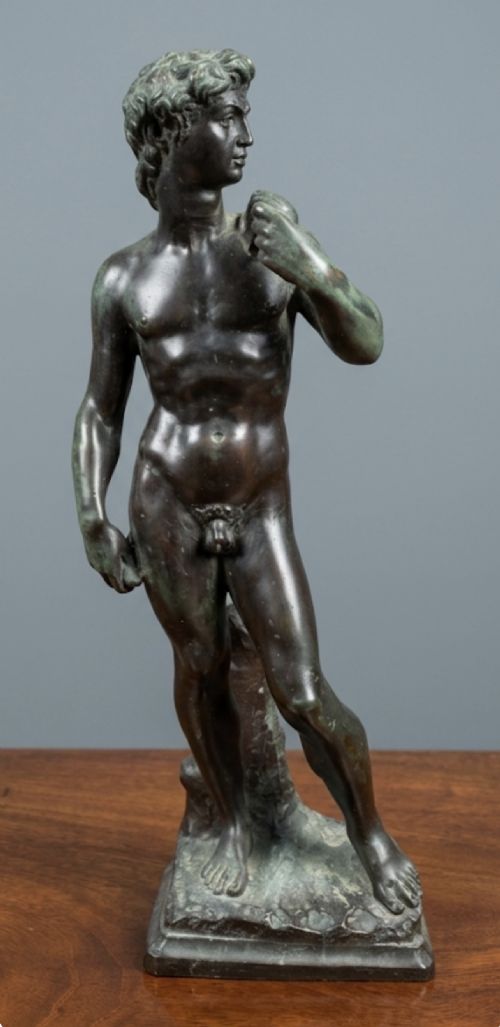
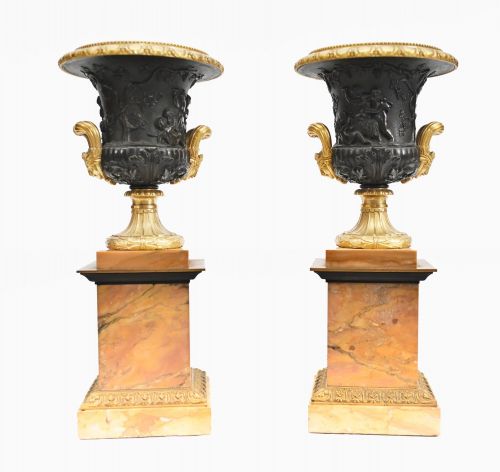
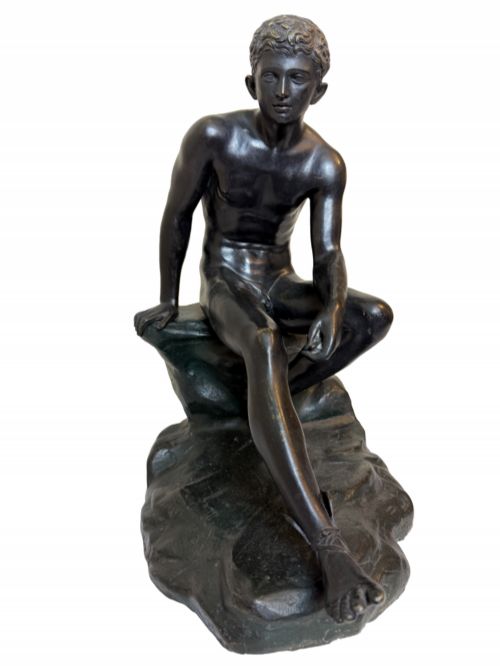
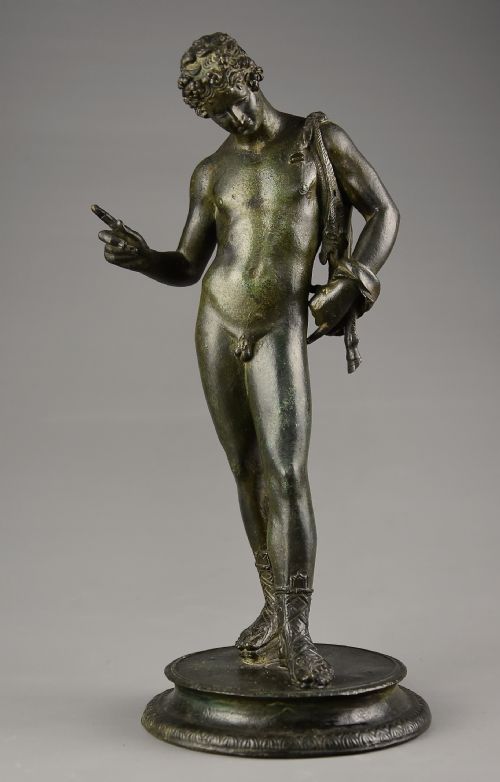
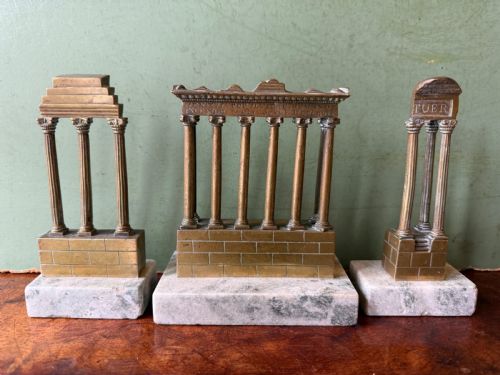
A buyer examining 19th century italian bronze encounters objects created as souvenirs for travellers on the Grand Tour, alongside decorative items cast in Italian foundries. The selection encompasses sculptural reductions of classical antiquities, architectural ruin models, and decorative urns derived from Renaissance and Roman prototypes.
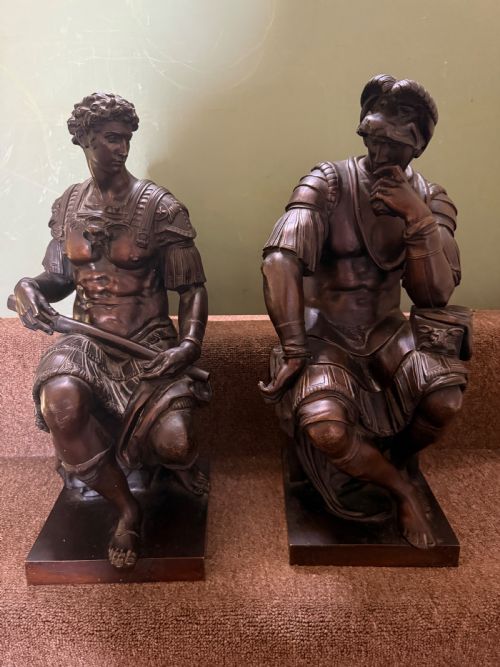
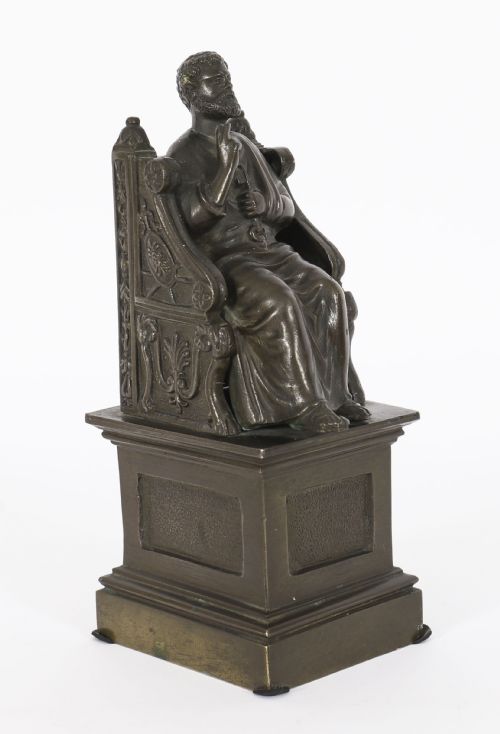
Most pieces date from the Victorian era down to the turn of the twentieth century, reflecting a sustained European appetite for classical antiquity and Renaissance sculpture. These works frequently depict mythological figures, ancient rulers, or famous monuments modelled after canonical sculptures preserved in Italian museums.
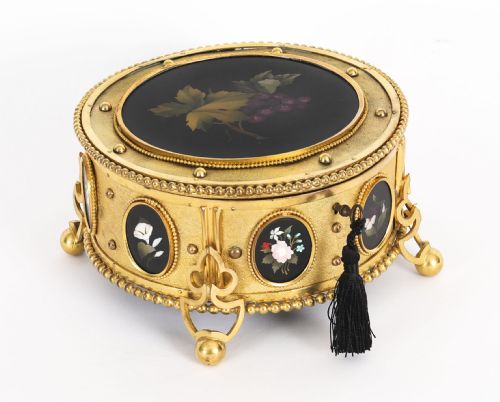
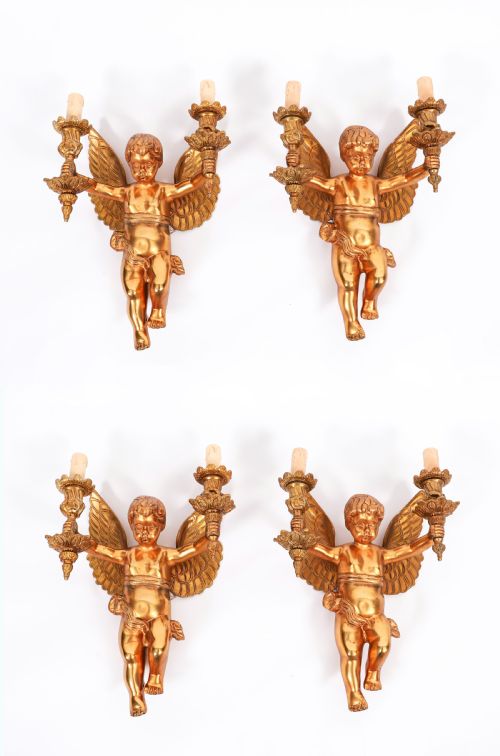
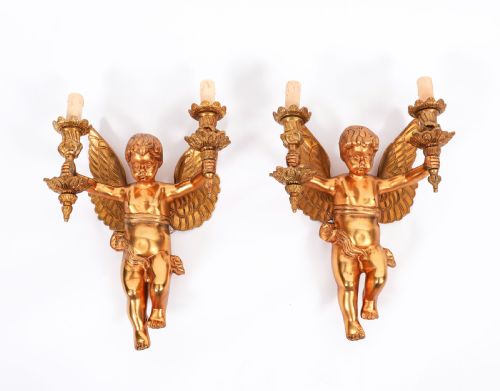
Beyond standalone figures, the category includes functional or ornamental items such as oil lamps, wall sconces, jewellery caskets, and decorative ewers. Many incorporate subsidiary materials like marble plinths, ormolu mounts, and pietra dura panels to enhance their display appeal.
How They Were Made
Foundries utilised the lost-wax casting technique or sand casting to reproduce intricate anatomical details and ornamentation from established models. Bronze alloy composition varied, yielding surfaces that makers finished with deliberate patination, ranging from deep dark green tones to polished bronze highlights.
Sculptures and decorative objects were frequently mounted upon turned marble bases, slate plinths, or wooden supports using threaded brass fixings. Ormolu and gilt bronze elements underwent mercury gilding or brass plating to provide contrasting metallic brilliance against dark patinated surfaces.
Listings feature 19th century Italian bronze works spanning diverse forms, from architectural temple ruin models of the Foro Romano to figural reductions after Michelangelo and Canova.
What Varies in Quality
The integration of secondary materials such as multi-coloured marble bases and intricate pietra dura inlays indicates a more ambitious commission. Heavier casting weight and careful assembly without visible structural gaps also signal superior craftsmanship.
Luigi Secchi·Augusto Rivalta·Giuseppe Renda·Vincenzo Gemito·Zoffoli
The 19th Century Italian Bronze Glossary
- Grand Tour
- A traditional journey through Europe, undertaken by upper-class European young men of means, which generated a demand for bronze souvenirs modelled on classical antiquities. These pieces served as tangible proof of cultural education and travel.
- Patination
- The chemical treatment or natural ageing process applied to the surface of the bronze to produce specific coloration. Dark green and brown patination styles were favoured to emulate ancient buried metalwork.
- Ormolu
- Gilt bronze applied to decorative mounts, light fittings, and furniture ornaments. The technique involves fusing a gold-mercury amalgam onto a bronze base.
- Pietra Dura
- An artistic technique utilising cut and fitted polished coloured stones to create geometric or pictorial designs. It appears on jewellery caskets and cabinet panels alongside bronze mounts.
- Campana
- A classical bell-shaped form derived from ancient Roman pottery and stone vases. These urns appear frequently in Grand Tour decorative metalwork.
19th Century Italian Bronze: Frequently Asked Questions
What is a Grand Tour bronze?
A Grand Tour bronze is a miniature or reduction sculpture cast in Italy during the eighteenth and nineteenth centuries, reproducing famous classical statues or architectural ruins for travelling collectors.
These objects allowed visitors to transport portable versions of major museum sculptures back to their home residences across Europe.
How do I identify the subject of a bronze figure?
Subjects are typically drawn from classical mythology, ancient history, or Renaissance masterworks, often identified by specific attributes such as lion skins, musical instruments, or distinctive physical postures.
Inscribed titles on bases or records comparing the pose to known museum antiquities help confirm the exact classical prototype.
Why are some bronzes mounted on marble?
Foundries mounted bronzes on marble plinths, columns, or bases to elevate the visual presentation and provide stability for taller or heavier sculptures.
Different marble types, such as Verde Genova or white varieties, reflect the regional materials accessible to Italian workshops during the nineteenth century.
How should I clean a patinated bronze?
Dusting gently with a soft, dry brush or microfiber cloth is sufficient for routine maintenance, avoiding any liquid cleaners that might strip the historic surface patination.
Harsh chemical polishes must be avoided entirely because they remove the intentional chemical or aged coloration created by the foundry.