
After the Bronze
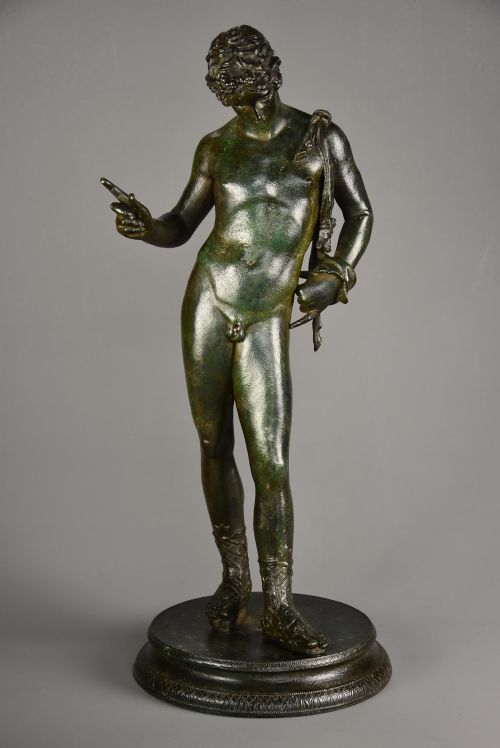
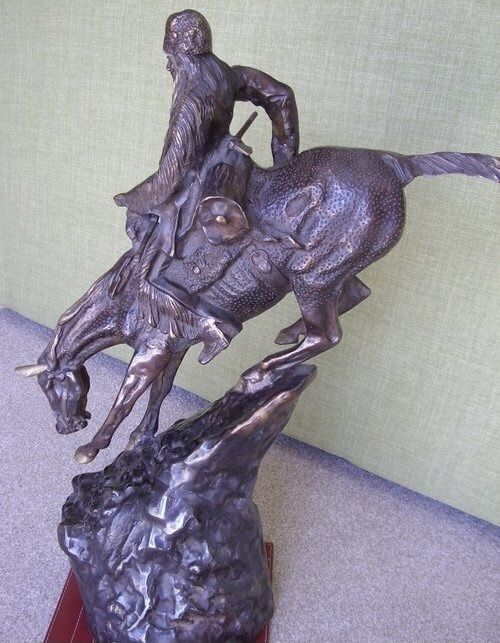
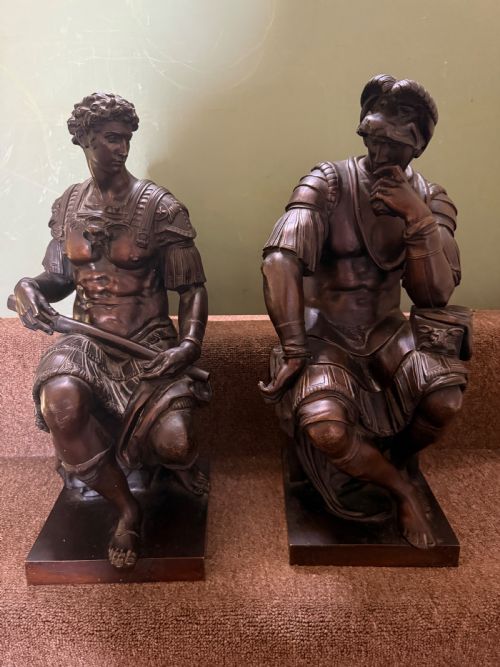
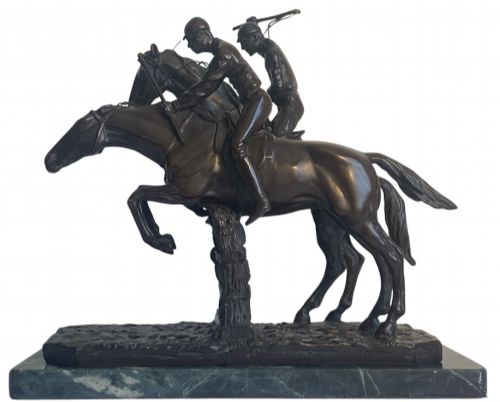
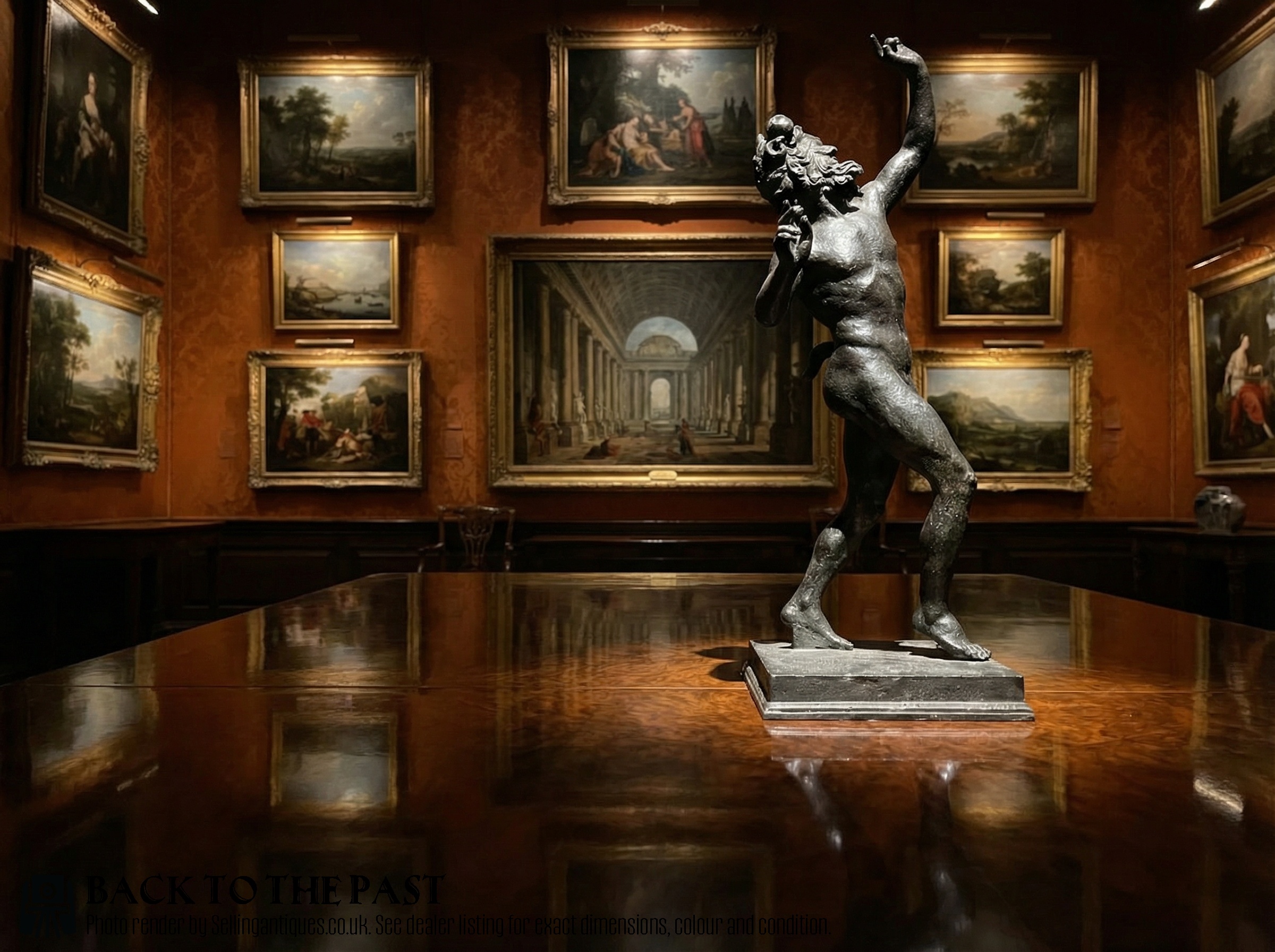
When you explore after the antique bronze, you find reduced-scale sculptures and decorative objects modelled on classical and Renaissance masterpieces brought home by travellers.
After the Bronze
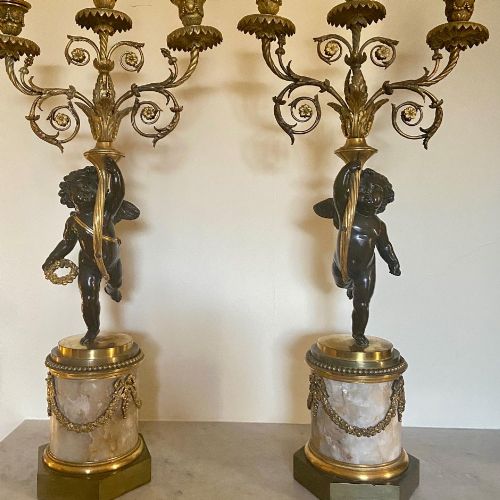
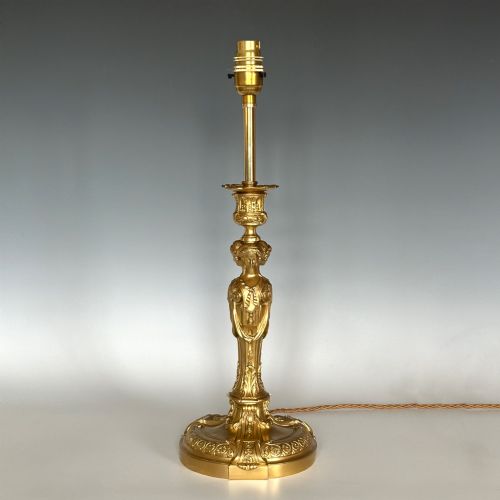
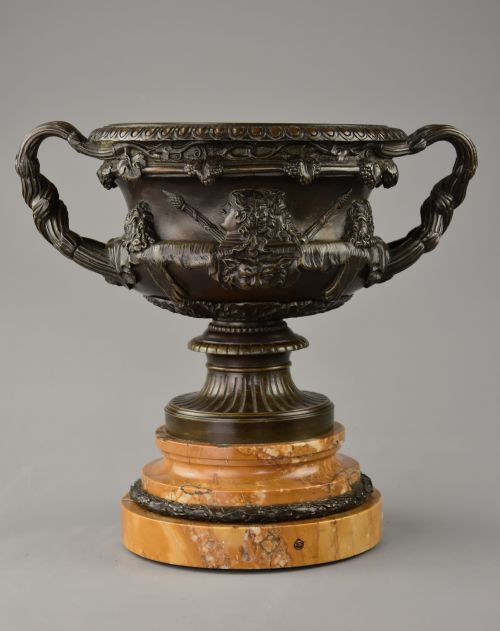
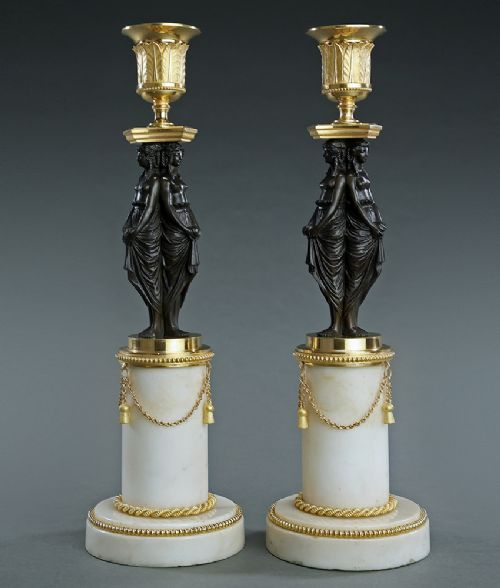
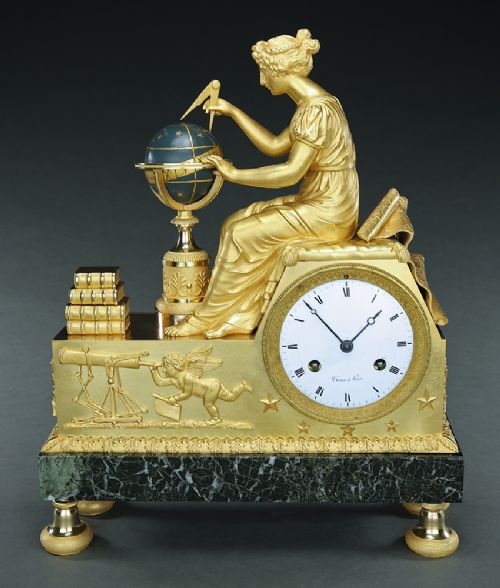
These pieces encompass sculptural reductions, decorative urns, candelabra, and mantel clocks created to replicate renowned classical, Renaissance, and neoclassical artworks. Buyers encounter numerous Grand Tour souvenirs alongside cabinet bronzes and furniture mounts produced in French and Italian workshops.
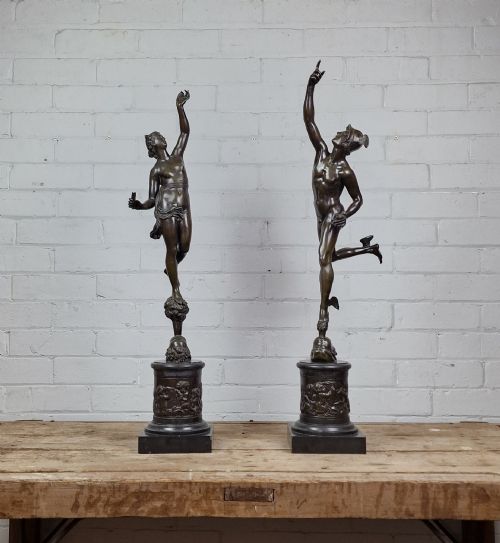
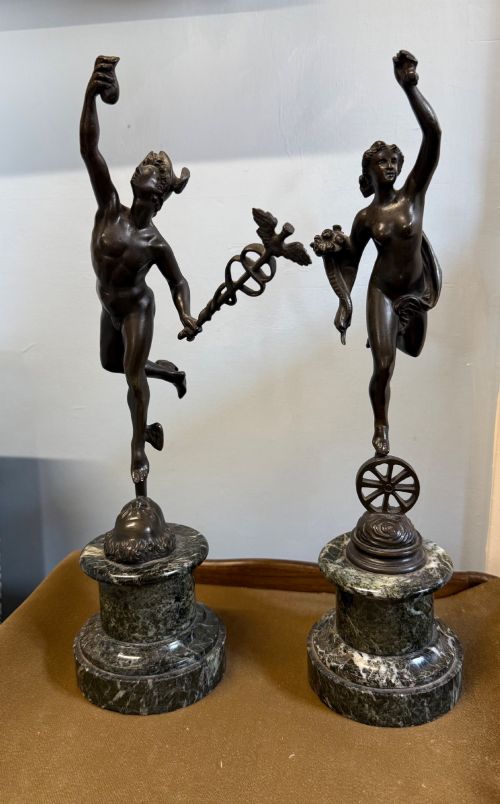
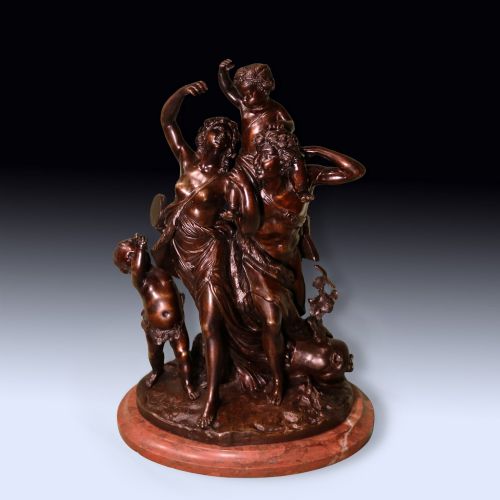
The selections span figures of mythological deities, athletes, and historic rulers derived from ancient sculptures housed in European museums. Nineteenth-century examples dominate the offerings, reflecting a period of intense enthusiasm for classical antiquity and scholarly travel.

How They Were Made
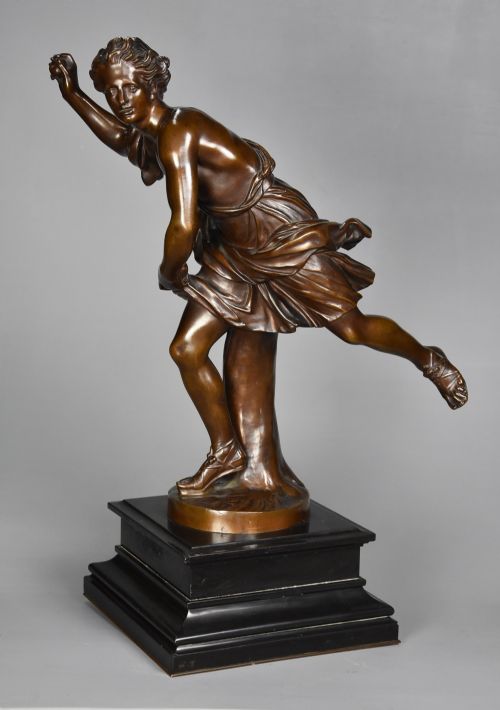
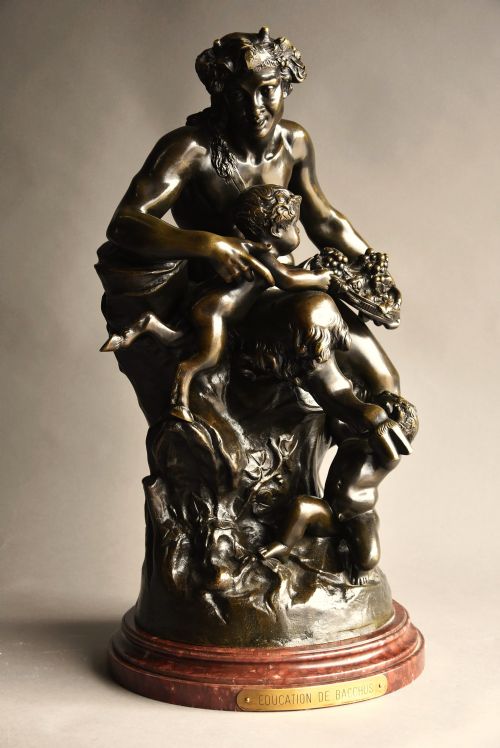
Foundries utilised the lost-wax method or sand-casting techniques to achieve precise metallic reproductions of complex marble and stone originals. Artisans applied varied chemical patinations, ranging from deep brown to green finishes, to simulate the surface appearance of buried antiquities.
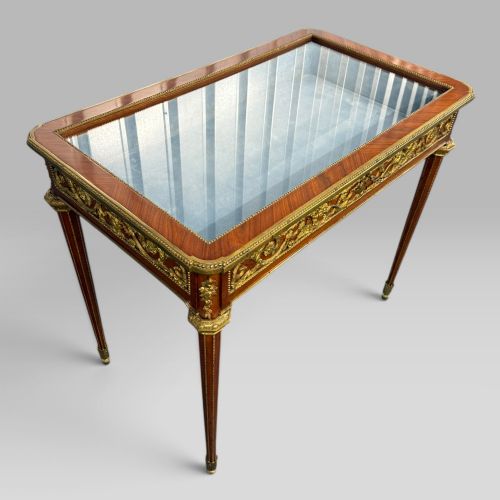
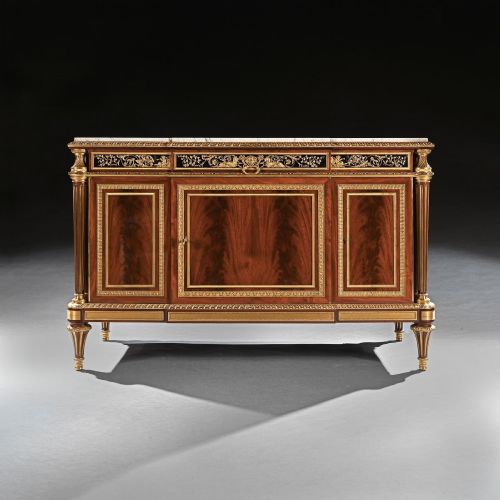
Many sculptures incorporate moulded marble bases, ormolu mounts, and gilt bronze highlights to elevate the decorative impact of the cast metal. Cabinet pieces frequently combine mahogany or kingwood carcasses with detailed bronze and ormolu fittings.
Nineteenth-century travellers packed their trunks with miniature bronze gladiators and weeping fauns, hoping customs officers would not mistake their luggage for a museum.
What Varies in Quality
The fidelity of the reduction separates standard commercial castings from exceptional works produced by noted founders and makers. Sharpness in facial expressions, musculature, and chased surface details indicates the level of craftsmanship invested in the individual cast.
The weight, density, and stability of the bronze itself, together with the quality of the patination and the integration of marble plinths, dictate the overall standing of the object within the medium.
Francois Redmond·Barbedienne·Coustou·Giambologna·Dugourc·Henry Dasson·Weisweiler·Claude Michel Clodian·Michelangelo·Jules Bonheur·Emile Guillemin·Jean-Baptiste Carpeaux·Jean Antoine Houdon·Isidore Jules Bonheur·Remington·Lerolle Fres·Auguste Moreau·Duchemin·Verrocchio·Cellini·Meissen·Aristide Maillol·Linke·Canova·Francoise Linke
The After the Bronze Glossary
- Grand Tour
- A traditional educational journey of Europe undertaken by upper-class young men in the eighteenth and nineteenth centuries. Travellers collected small-scale bronze sculptures and antiquities as tangible proof of their cultural pursuits.
- Reduction
- A scaled-down copy of a larger sculpture, usually executed in bronze. Foundries used specialised reducing machines to maintain exact proportional accuracy while shrinking monumental statues to cabinet size.
- Patination
- The chemical treatment or natural weathering applied to the surface of a bronze sculpture. Artisans used specific acids and heat to produce deliberate colour variations, from polished gold to dark brown and verdigris.
- Ormolu
- Gilt bronze created by applying a finely ground high-carat gold and mercury amalgam to a cast brass or bronze object. The piece was then heated to vaporise the mercury, leaving a durable gold coating.
- Animalier
- A nineteenth-century artistic style focusing on the realistic depiction of animals, particularly horses, dogs, and wildlife. French sculptors specialised in dynamic bronze groups capturing beasts in motion.
After the Bronze: Frequently Asked Questions
What is a Grand Tour bronze?
A Grand Tour bronze is a small-scale souvenir cast during the eighteenth or nineteenth century to replicate famous classical statues seen by travellers in Italy. These reductions allowed collectors to display museum-scale masterpieces within private home interiors.
Such pieces range from figures of classical deities to architectural models and vases, all cast in bronze with various patinations.
How do I identify cast bronze from electrotype?
Cast bronze is poured into moulds as molten metal, resulting in substantial weight, solid construction, and thick walls. Electrotype pieces involve copper deposited over a form via an electrical bath, yielding a lighter, hollow shell.
Close inspection of the underside or interior typically reveals the heavier mass of true casting compared to the thin copper layer of an electrotype.
Where were these nineteenth century bronzes made?
The majority of these sculptures and decorative items were produced in specialised foundries located in Paris and various Italian cities such as Florence and Naples. Prominent workshops employed skilled modellers and chasers to recreate antique forms.
Foundry marks or signatures stamped directly into the bronze often identify the specific Parisian establishment or Italian studio responsible for the edition.
How should I care for antique bronze?
Antique bronze requires minimal intervention beyond gentle dusting with a soft, dry cloth to prevent airborne grit accumulation. Avoid using liquid polishes, abrasive cleaners, or chemical solvents, as these substances can strip the original historical patination.
Maintaining a stable indoor humidity level protects any integrated marble bases and prevents surface oxidation or corrosion of the metal.