
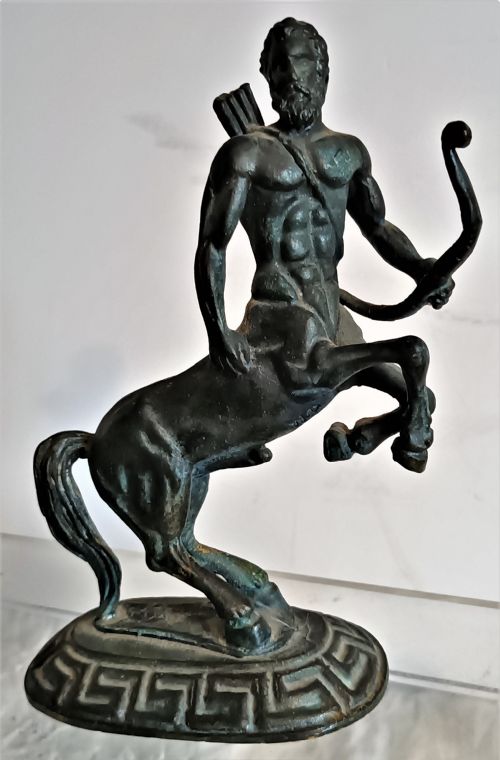
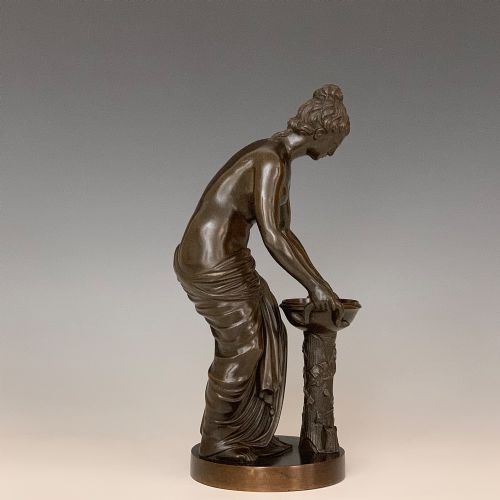


Classical Mythological Sculpture
Classical mythological sculpture brings the ancient world into the home through enduring figures cast in bronze and carved in marble.
Understanding classical mythological sculpture
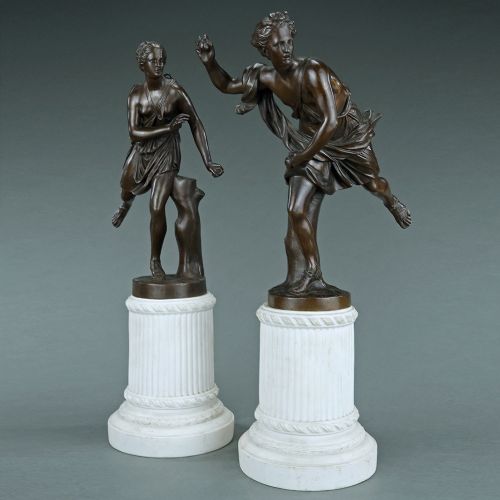
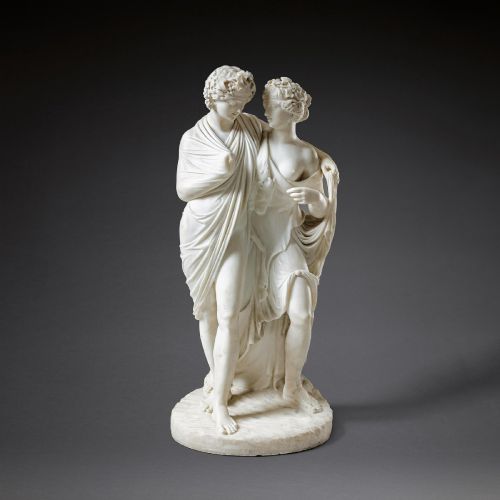
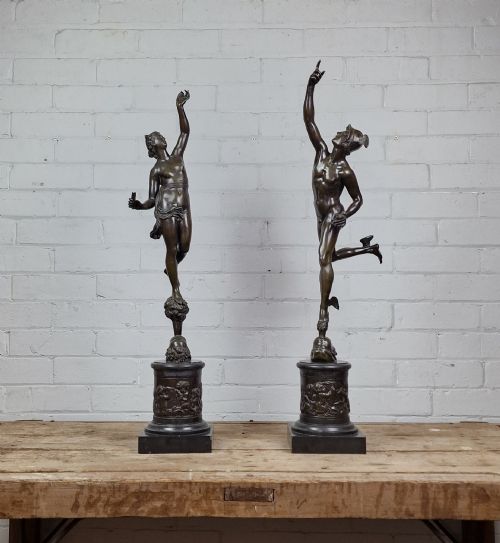
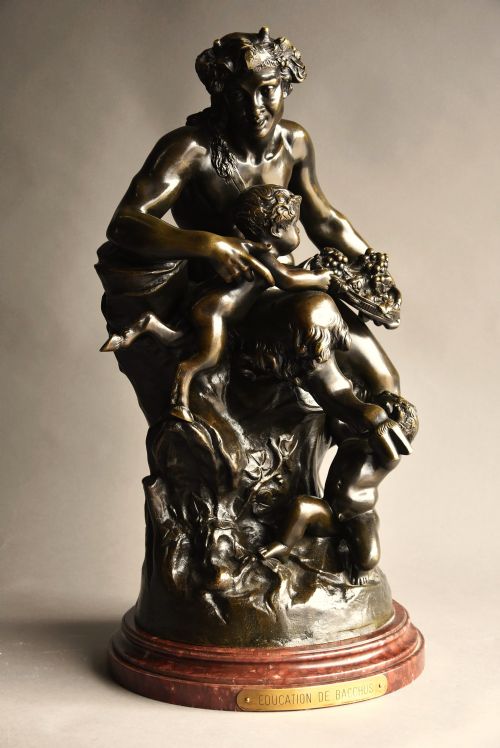
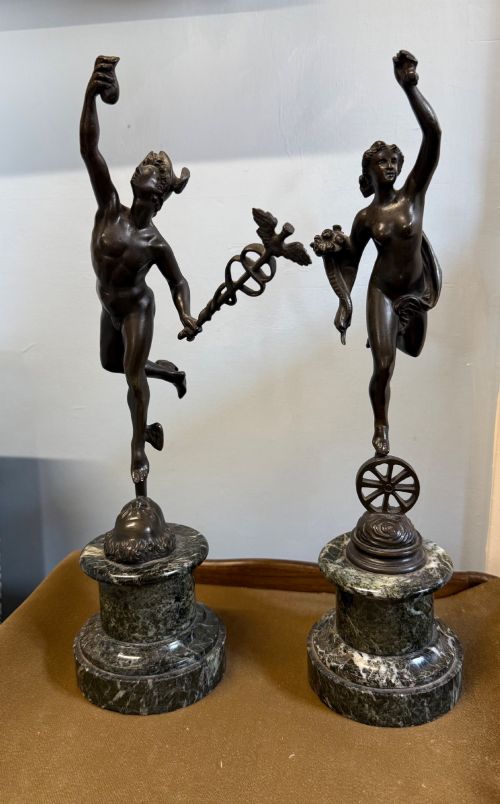
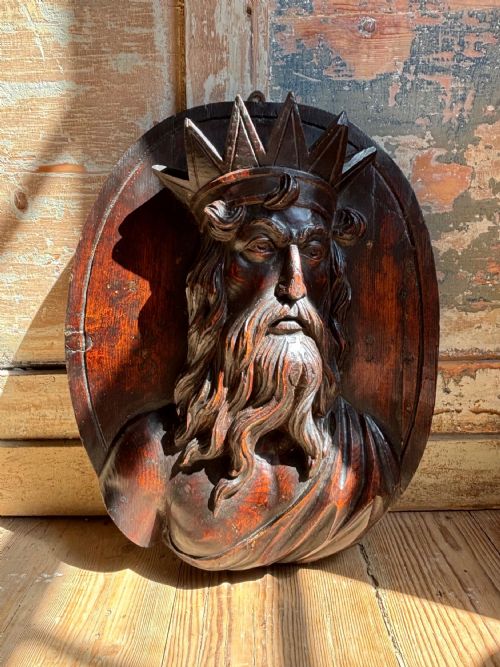
Classical mythological sculpture encompasses figures drawn from ancient tales, presented in forms ranging from cabinet bronzes to larger display statues.
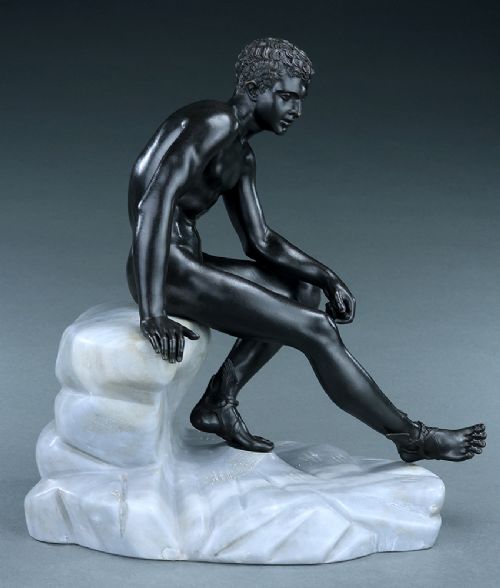
Collectors searching for classical mythological sculpture encounter pieces originating from the eighteenth and nineteenth centuries, including Grand Tour souvenirs and foundry casts.
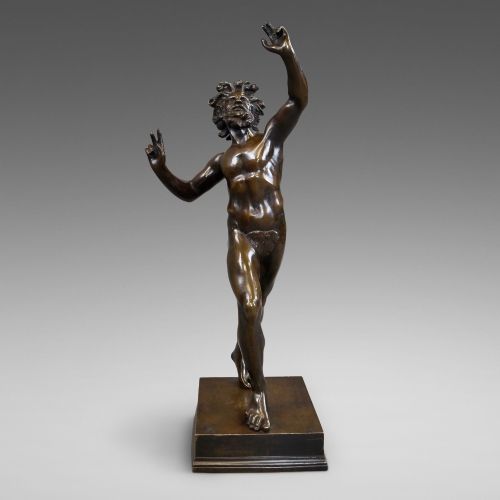
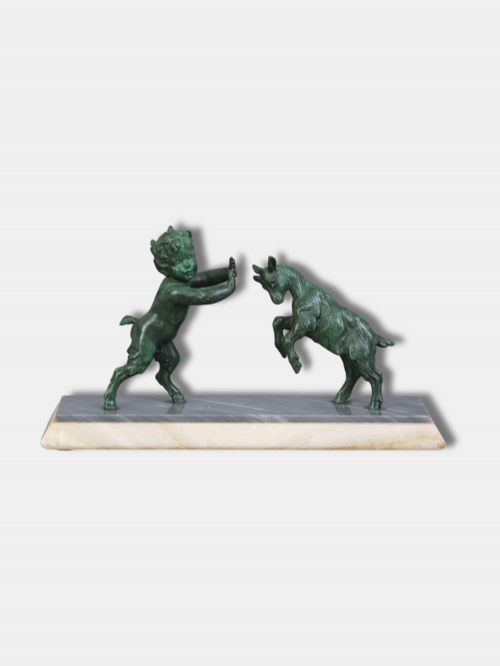
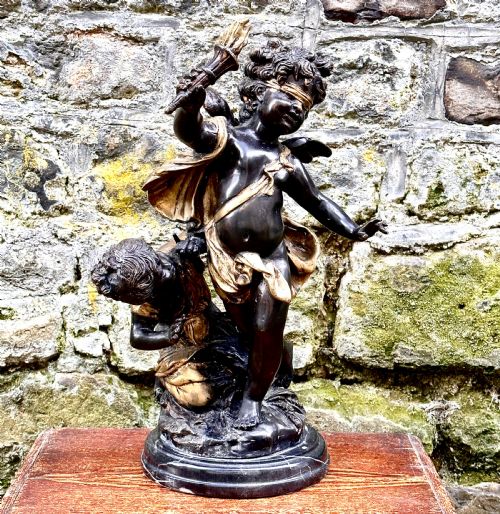
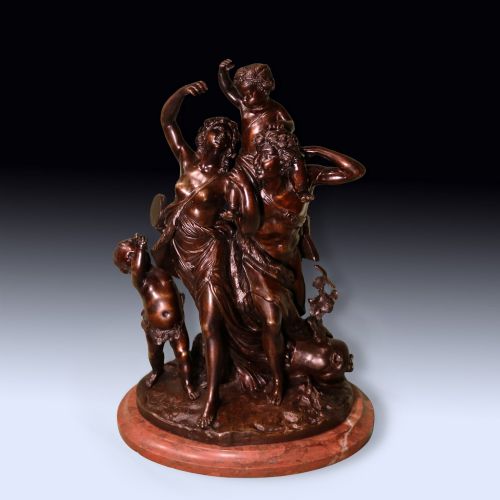
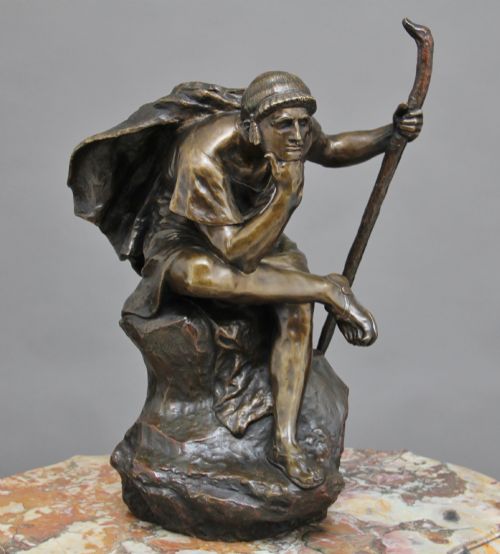
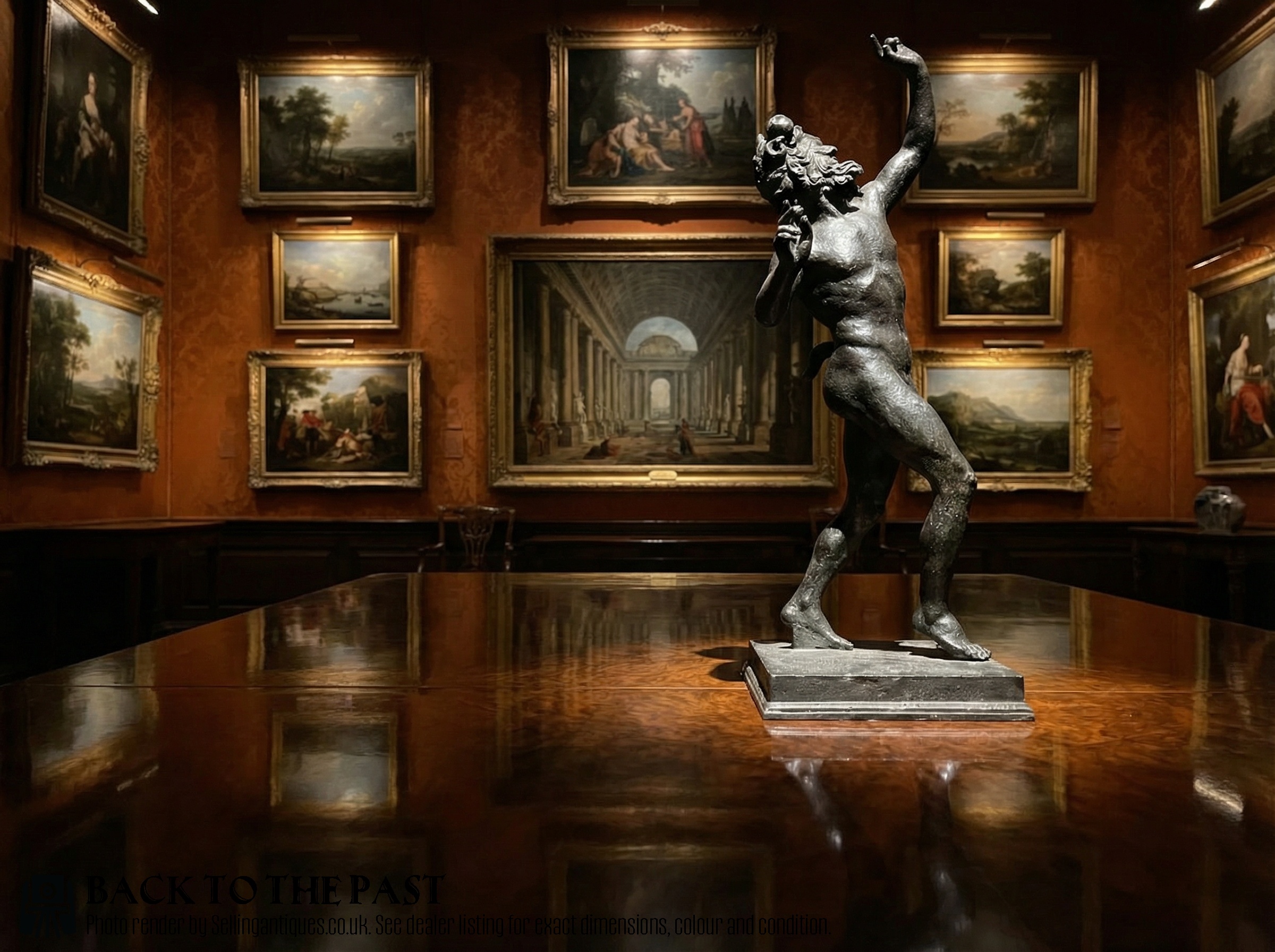
Subjects include heroic infants, dancing fauns, and legendary figures such as Diana and Sappho, reflecting lasting fascination with antiquity.
Materials and methods
Pieces rely on traditional cast metals, utilising bronze, gilt bronze, and patinated bronze to achieve varied surface finishes and tonal depth.
Sculptures are shaped from stone and cast metal, sometimes combining materials to highlight specific details of costume and form.
Retail Price Guide 2026
Typical UK retail prices for classical mythological sculpture, calculated from the Sellingantiques database of over a million retail prices indexed since 2003. This retail price guide relies exclusively on Sellingantiques data; no external sources or auction records are used, so the figures do not describe the wider market.
Current listings feature bronzes from the eighteenth and nineteenth centuries, including Italian Neapolitan souvenirs and French foundry works.
Judging the work
Quality rests in the crispness of the chase work and the subtlety of the patina, distinguishing carefully finished foundry pieces from simpler souvenirs.
The precision of the casting and the fidelity to antique models separate standard decorative objects from works carrying named foundry or artist signatures.
Jean Jacques Pradier·Victor Paillard·Louis Ernest Barrias
The Classical Mythological Sculpture Glossary
- Grand Tour souvenir
- A portable artwork acquired by travellers touring the cultural sites of Italy during the eighteenth and nineteenth centuries. These smaller bronzes and marbles allowed collectors to bring classical antiquity back to their domestic interiors.
- Patinated bronze
- Metal treated with chemical solutions to produce a controlled surface colour, ranging from deep brown to greenish tones. This technique protects the metal while enhancing visual depth.
- Gilt bronze
- Base metal coated with a thin layer of gold, often using mercury gilding techniques common in nineteenth-century French workshops. The finish creates a bright, reflective surface that highlights sculptural contours.
- Neoclassical
- A style spanning the eighteenth and nineteenth centuries that revived the aesthetic and structural principles of ancient Greek and Roman art. It prioritises clean lines, balanced proportions, and direct references to classical mythology.
Frequently Asked Questions
What is a Grand Tour sculpture?
A Grand Tour sculpture is a period reduction or copy of a famous ancient monument, made in Italy or France for travellers.
These pieces served as educated mementos of cultural travel across Europe.
How do I identify bronze patination?
Patination is the intentional surface coloration applied to bronze through chemical treatment or natural ageing.
It protects the underlying metal and defines the sculptural shadows.
Are these pieces from antiquity?
The pieces available are later interpretations, typically originating in the eighteenth or nineteenth centuries.
They reflect the period's deep engagement with classical archaeology and sculpture.
How should I display bronze sculpture?
Bronze sculptures require stable indoor environments away from excessive moisture and direct heat sources.
Dusting with a dry, soft cloth maintains the surface without harming the patina.