

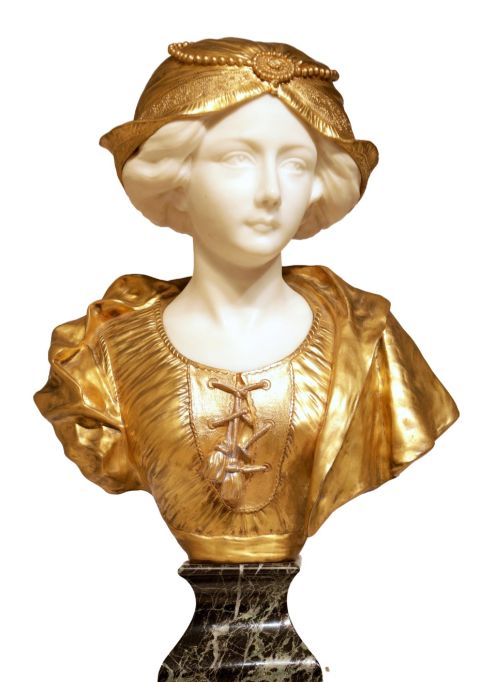
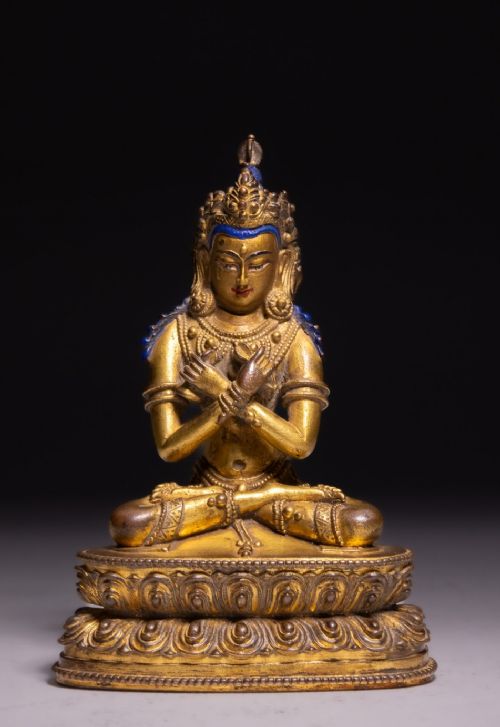
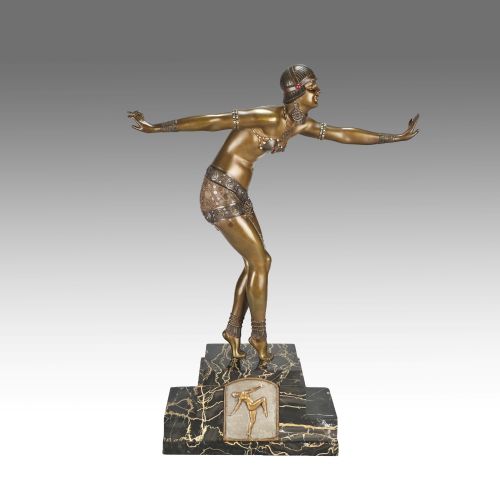
Gold Bronze Sculpture
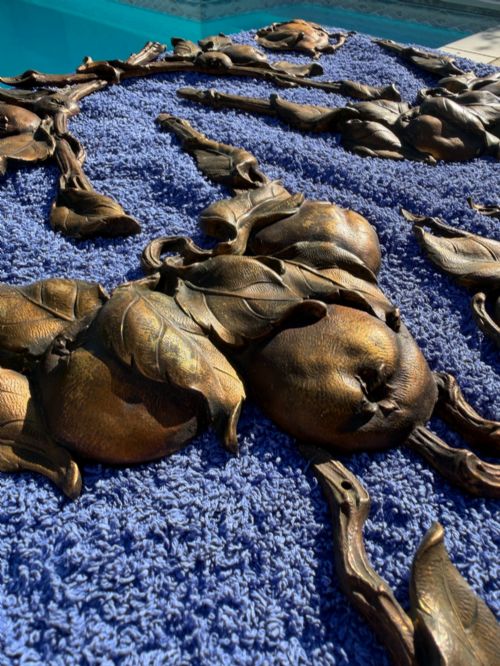
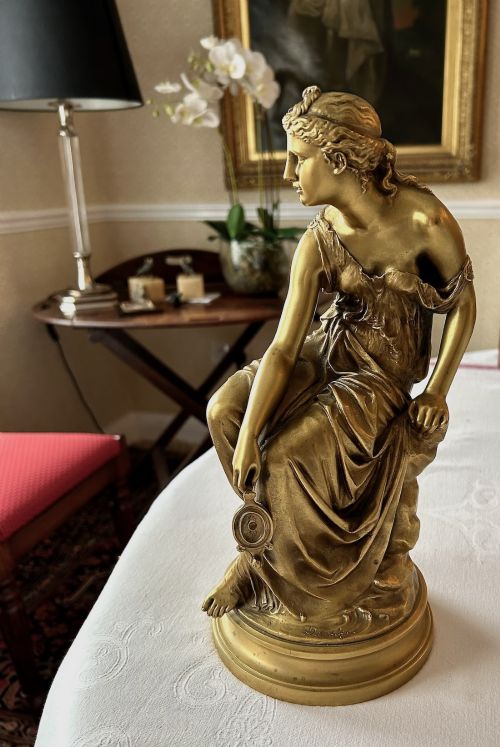
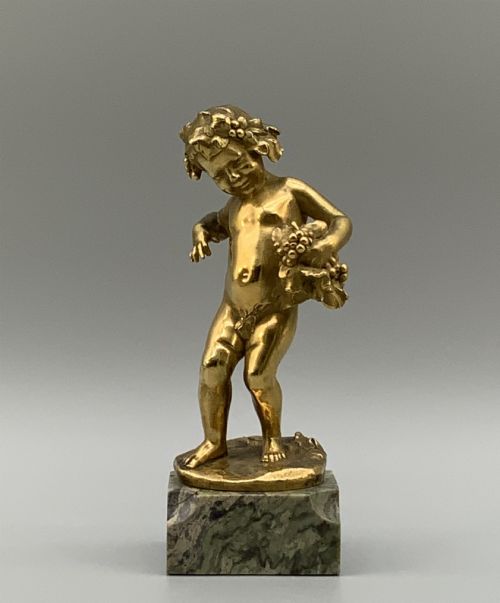
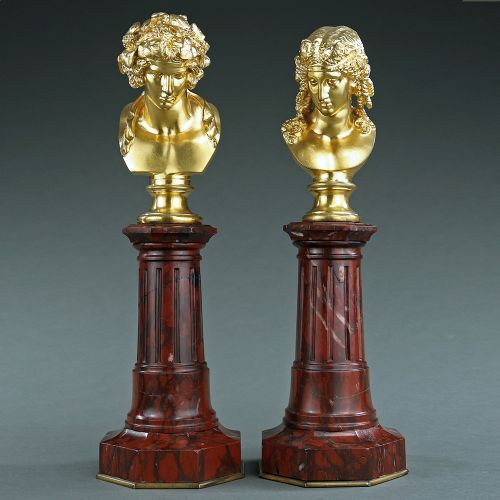
A gold bronze sculpture brings classical elegance and intricate metalwork into a room, offering tactile warmth through gilded and patinated surfaces.
What these pieces are
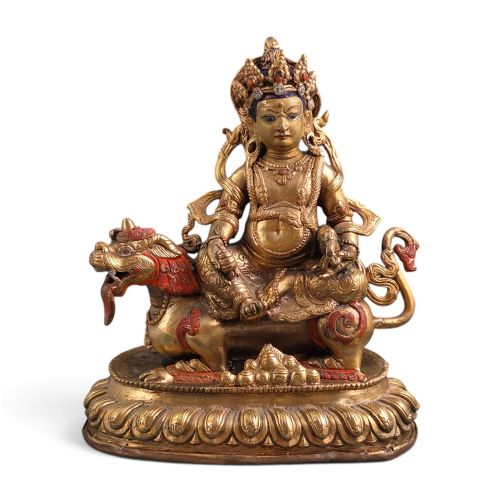
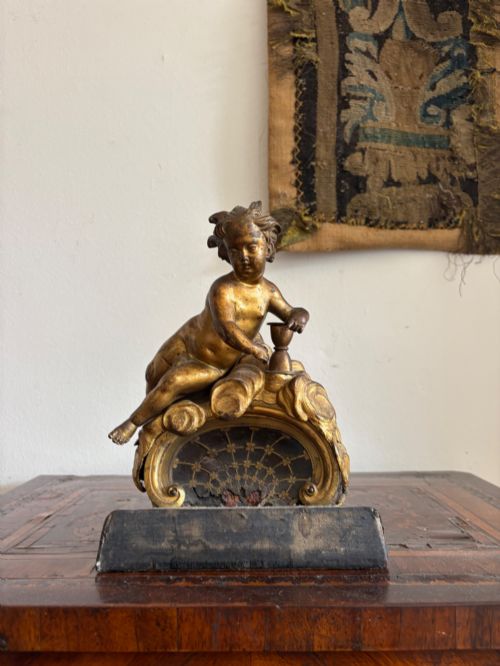
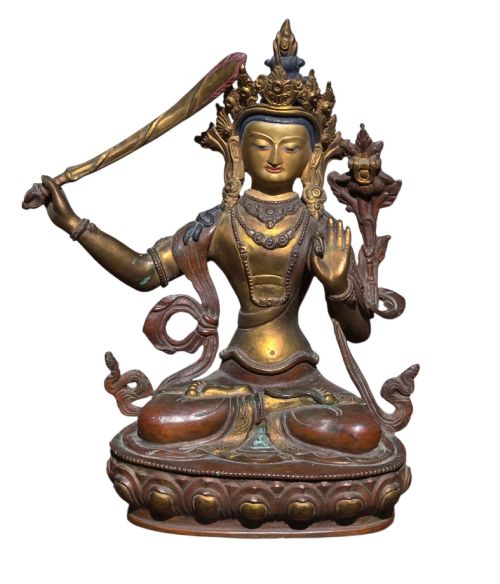
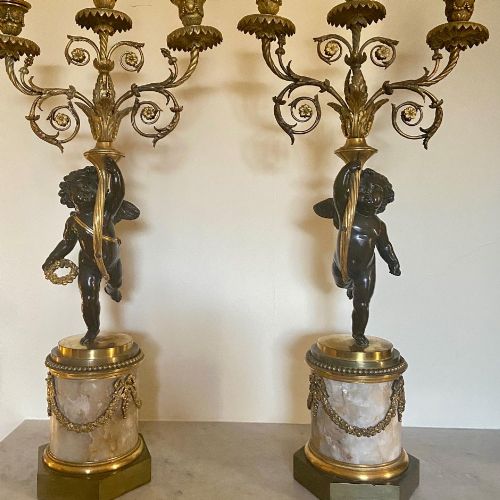
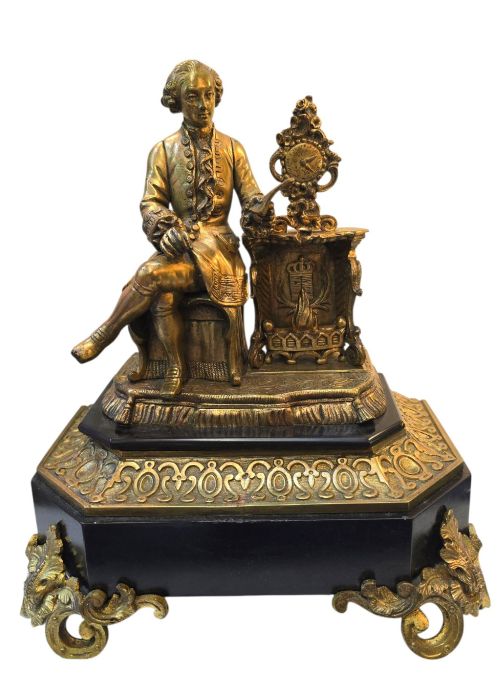
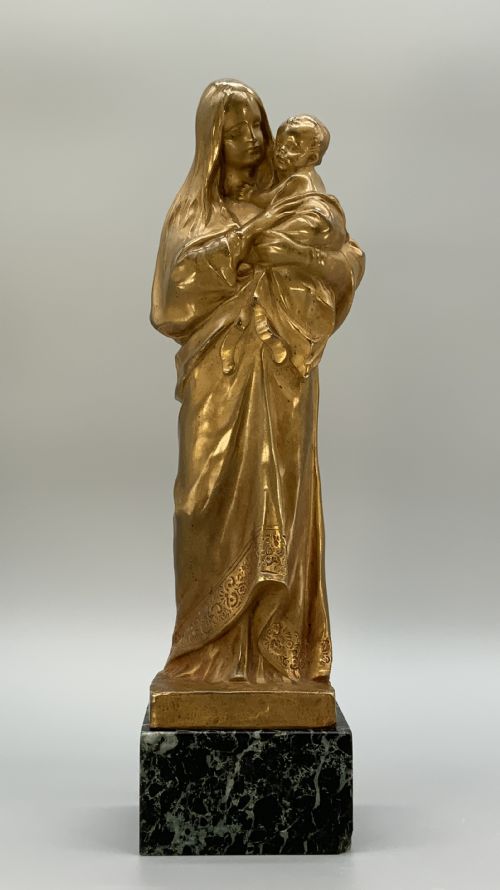
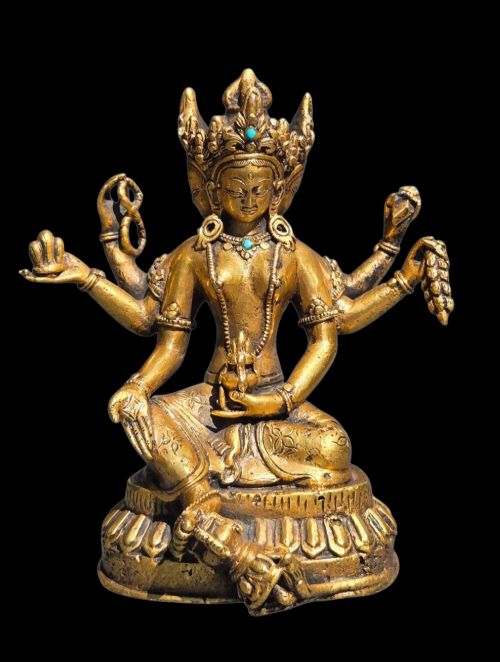
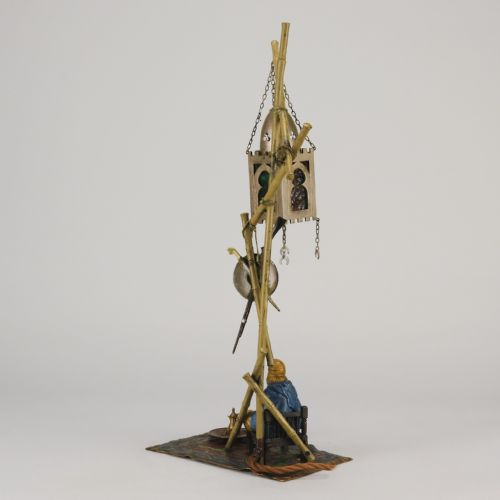
A gold bronze sculpture encompasses works shaped from copper alloy, bronze, or ormolu, frequently finished with gilding, gold patina, or cold-painting. These figures and studies range from classical maidens and mythological deities to animalier subjects and Art Deco studies.
The pieces appearing on this page span the 18th century, the 19th century, and the early 20th century. Buyers encounter French salon bronzes, Sino-Tibetan religious figures, and Grand Tour souvenirs.
Makers and casters represented include Etienne-Henri Dumaige, Antoine Louis Barye, Josef Lorenzl, Jean Jacques Pradier, Victor Paillard, and Olof Ahlberg. Their works demonstrate the enduring appeal of cast metal sculpture across various European and Asian traditions.
How they were made
Sculptures of this type were produced using metal casting techniques with copper alloys, bronze, or brass, subsequently finished with applied gold treatments. Artisans employed mercury gilding, ormolu, or gold patination to enrich the metallic surfaces.
Detailing was achieved through chased finishing on the bronze and, in certain periods, applied pigment or cold-painting directly onto the metal. Bases of marble or onyx frequently accompanied the metal figures to provide stability and visual contrast.
Retail Price Guide 2026
Typical UK retail prices for gold bronze sculpture, calculated from the Sellingantiques database of over a million retail prices indexed since 2003. This retail price guide relies exclusively on Sellingantiques data; no external sources or auction records are used, so the figures do not describe the wider market.
Several animals captured in these metal studies, including a gilt bronze rabbit, managed to sit still for centuries without nibbling the furniture.
What varies in quality
The refinement of the cast dictates the fidelity of small details such as drapery folds, facial expressions, and anatomical definition. Finer examples retain crisp lines and smooth transitions without blurring from secondary casting generations.
The depth and preservation of the gilding or gold patina determine the visual richness of the surface. Original fire gilding or careful patination maintains a warm luminosity that lesser or later treatments lack.
Etienne-Henri Dumaige·Antoine Louis Barye·Josef Lorenzl·Jean Jacques Pradier·Victor Paillard·Olof Ahlberg
The Gold Bronze Sculpture Glossary
- Gilt bronze
- Bronze treated with a gold-coloured surface finish or actual gold leaf. This method provides the warm, metallic gleam seen on many classical and decorative figures.
- Ormolu
- Finely ground high-carat gold applied to a bronze object using a mercury amalgamation process. It creates a rich, durable golden surface typical of high-status French decorative arts.
- Cold-painted bronze
- A technique where paint is applied to a bronze sculpture after casting, without subsequent firing. This method allows for colourful details on garments and natural elements.
- Animalier
- A 19th-century artistic genre focusing on realistic depictions of animals. Sculptors in this style studied animal anatomy closely.
- Grand Tour
- Souvenirs purchased by travellers touring European cultural sites during the 18th and 19th centuries. These often included small bronze replicas of classical antiquities.
Frequently Asked Questions
What is a gold bronze sculpture?
A gold bronze sculpture is a cast metal figure or study finished with gilding, ormolu, or gold patination. These objects utilise copper alloys and bronze as a base for intricate sculptural forms.
They reflect diverse artistic movements, including Neoclassical, Animalier, and Art Deco traditions, often mounted on stone bases like marble or onyx.
How do I care for a gilt bronze piece?
Gilt bronze requires gentle dusting with a soft, dry brush to prevent the accumulation of debris in intricate crevices. Avoid chemical cleaners or abrasive cloths, which can strip fragile surface gilding.
Keep the sculpture away from direct sunlight and high humidity to preserve the stability of both the metal and any associated stone mounts.
How do I distinguish 19th century bronzes?
Nineteenth-century bronzes often exhibit specific patination methods, foundry marks, and stylistic traits associated with the Romantic and academic movements of the period. Examining the underside and mounting screws can also reveal period-appropriate construction techniques.
Comparing the crispness of the chasing work with known examples by makers like Barye or Pradier helps confirm the era of production.
Where were these sculptures displayed?
Historically, these sculptures served as decorative ornaments in 18th and 19th-century drawing rooms, libraries, and studies. Grand Tour souvenirs were often brought home to decorate domestic mantelpieces and display cabinets.
Today, collectors place them on desks, side tables, or specialised pedestals where light can catch the gilded surfaces.