





Bronze Figure Study
A bronze figure study captures human and animal forms with precision, offering collectors enduring metalwork shaped by nineteenth and twentieth-century European and Asian traditions.
Bronze Figure Study
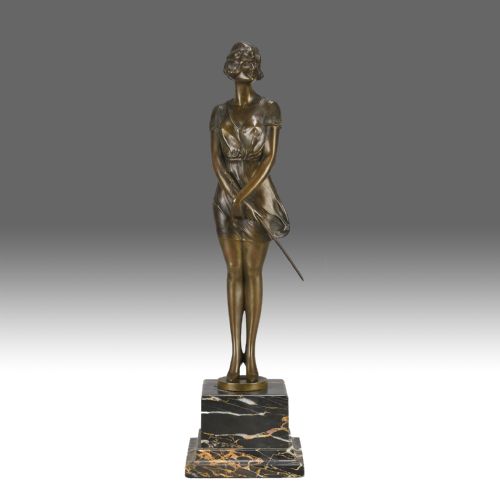
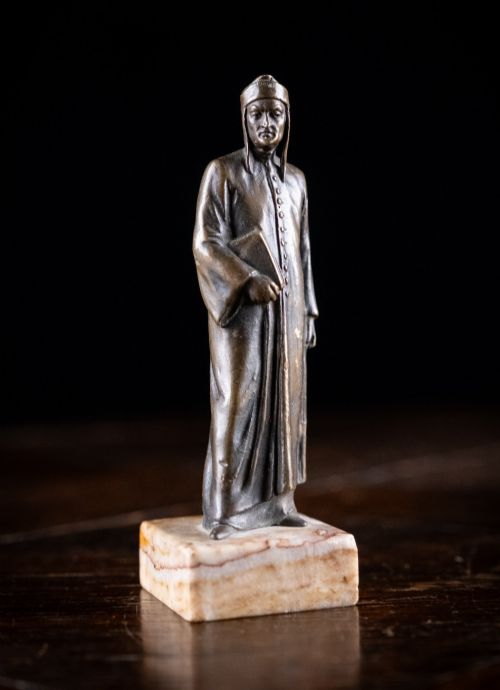
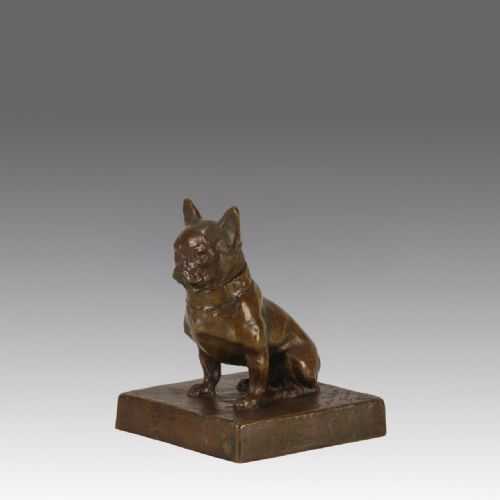
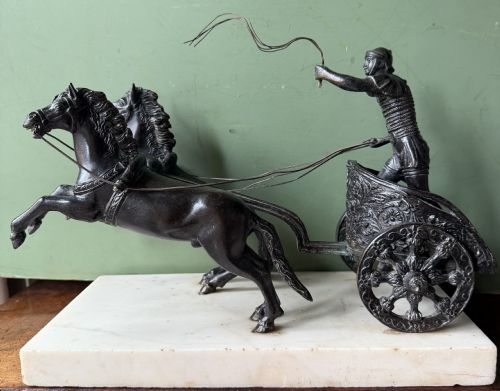
A bronze figure study represents a focused sculptural work in metal, often concentrating on a single animal, human figure, or classical subject. These pieces range from small Grand Tour souvenirs acquired by travellers in Italy to dynamic Animalier studies of wildlife and modernist Art Deco figures.
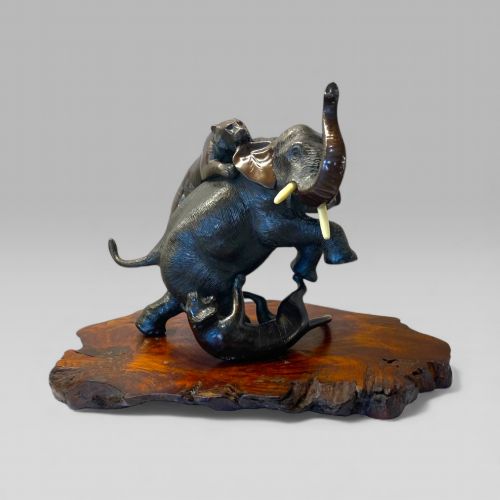
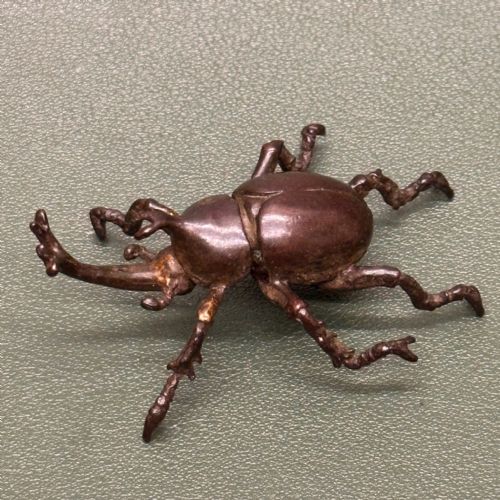
The selection commonly includes nineteenth-century French and Italian foundry pieces alongside early twentieth-century Austrian cold-painted works and Japanese Meiji period metalwork. Subjects vary widely from mythological characters and historical poets to domestic dogs, big cats, and athletic human forms.
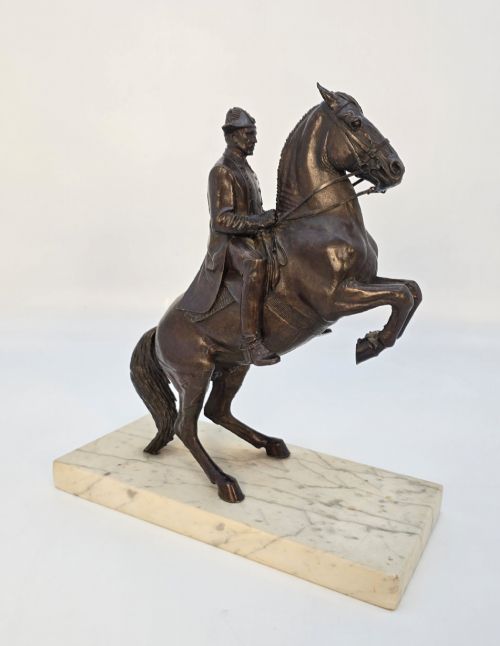
Many of these studies serve as cabinet bronzes designed for desktop display, while others incorporate integral stone plinths such as marble, onyx, or green onyx. Collectors encounter both patinated and silvered surfaces that reflect the stylistic shifts from academic realism through to Art Nouveau and Art Deco.
Materials and methods
Figures were frequently mounted onto heavier natural stone bases including black marble, white marble, and banded onyx, secured by threaded pins or bolts. This combination of cast metal and polished mineral plinths provided both stability and aesthetic contrast during the nineteenth and twentieth centuries.
Listings incorporate multiple periods from the mid-nineteenth century through the 1930s, featuring bronze, marble, onyx, and bone materials.
Factors of distinction
The distinction between ordinary and superior pieces lies in the crispness of the chasing and the subtlety of the patination, where skilled hand-finishing defines anatomy, drapery, and expression without obscuring the underlying metal. Weaker examples often exhibit softened surface details and uniform, muddy chemical treatments that lack tonal depth.
The integration between the bronze figure and its stone base also indicates grade, as superior works feature tightly fitted mounts using premium materials like green onyx or veined marble. Lesser pieces may show careless joining or simpler timber supports that diminish the overall sculptural balance.
Bruno Zach·Dora Heber·Alfred Dubucand·Hector Lemaire·Jean Jules Salmson·A L Barye·Emmanuel Villanis·Jennings Brothers·Ferdinand Preiss·Josef Lorenzl·Carl Kauba·Louis Riche·Marcel Debut·P J Mêne
The Bronze Figure Study Glossary
- Animalier
- A nineteenth-century sculptural genre focusing on realistic depictions of animals, particularly predators, horses, and domestic beasts in active or natural poses.
- Cold-painted bronze
- A technique where the metal sculpture is painted with polychrome oil or enamel colours after casting, rather than being fired in a kiln.
- Grand Tour
- Souvenirs purchased by wealthy travellers in Europe during the eighteenth and nineteenth centuries, often miniature bronze copies of classical antiquities.
- Lost-wax casting
- A historic process where a molten metal is poured into a mould created by melting away a wax model, allowing for extreme surface detail.
- Patination
- The intentional chemical treatment of a bronze surface to alter its colour, producing rich browns, greens, or blacks through oxidation.
Bronze Figure Study: Frequently Asked Questions
What is a bronze figure study?
A bronze figure study is a cast metal sculpture created as an independent artistic exploration of a human, animal, or mythological subject. These works were produced in various sizes for display in domestic interiors.
They reflect the shifting tastes of nineteenth and twentieth-century ateliers, ranging from classical revivals to realistic wildlife studies.
What does cold-painted bronze mean?
Cold-painted bronze refers to metal sculptures decorated with un-fired paints, usually oil or enamel mediums applied over a prepared surface. This technique was especially popular in Austrian workshops during the late nineteenth and early twentieth centuries.
Such pieces often depict exotic human figures, birds, or animals in vibrant naturalistic colours.
How should I care for a bronze study?
Bronze requires minimal maintenance, needing only occasional dusting with a soft, dry cloth to prevent particulate accumulation. Avoid using commercial metal polishes, which can strip away the historical chemical patination.
Keeping the piece away from direct moisture and extreme temperature fluctuations helps preserve both the metal and any attached stone plinth.