

Brown Patinated Bronze
Brown patinated bronze brings together cast metal figures and vessels carrying deep, modulated tones from the nineteenth and early twentieth centuries.
Brown Patinated Bronze
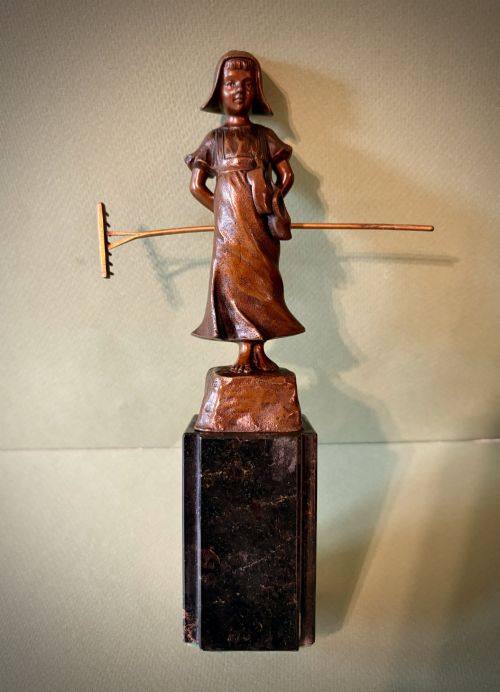
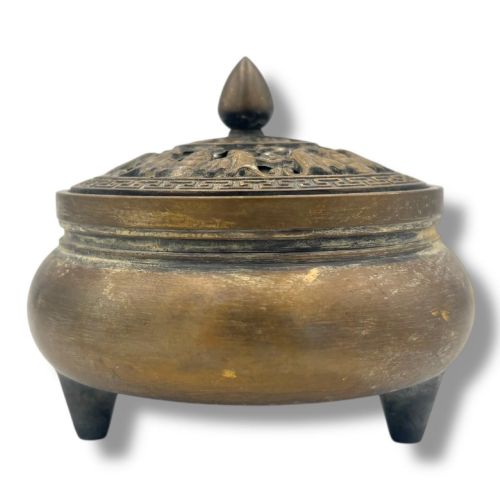
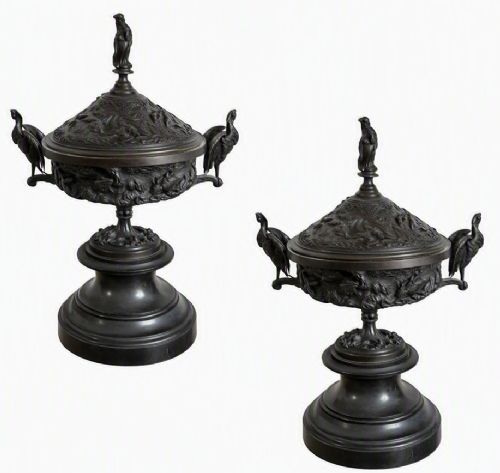
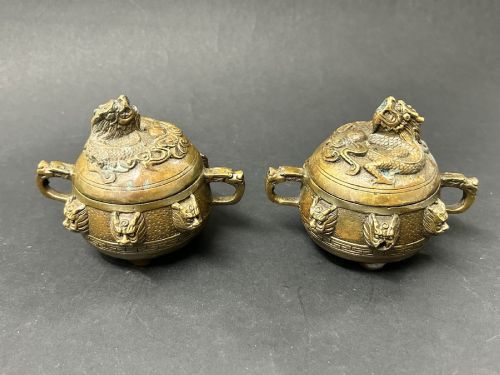
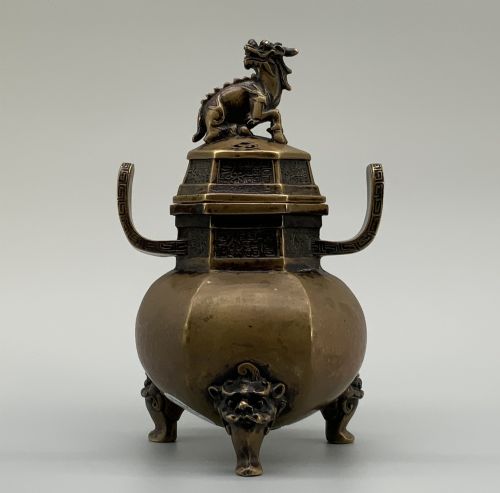
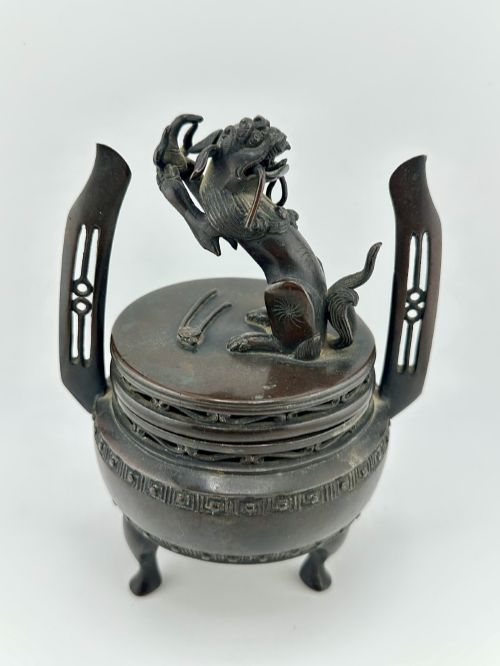
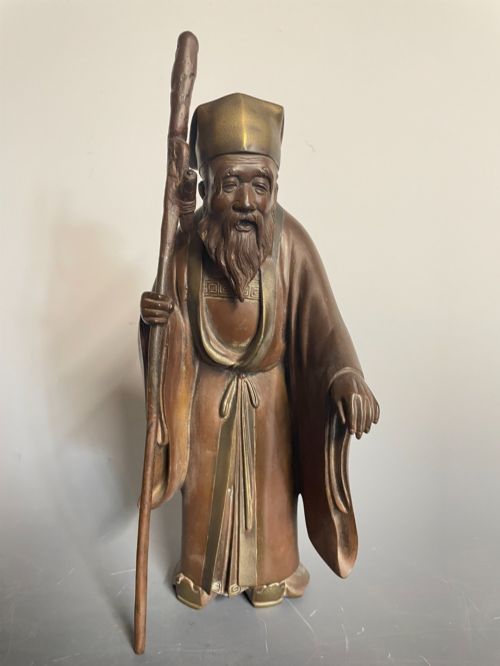
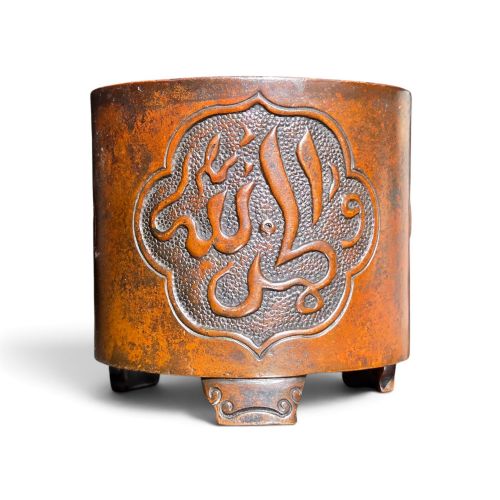
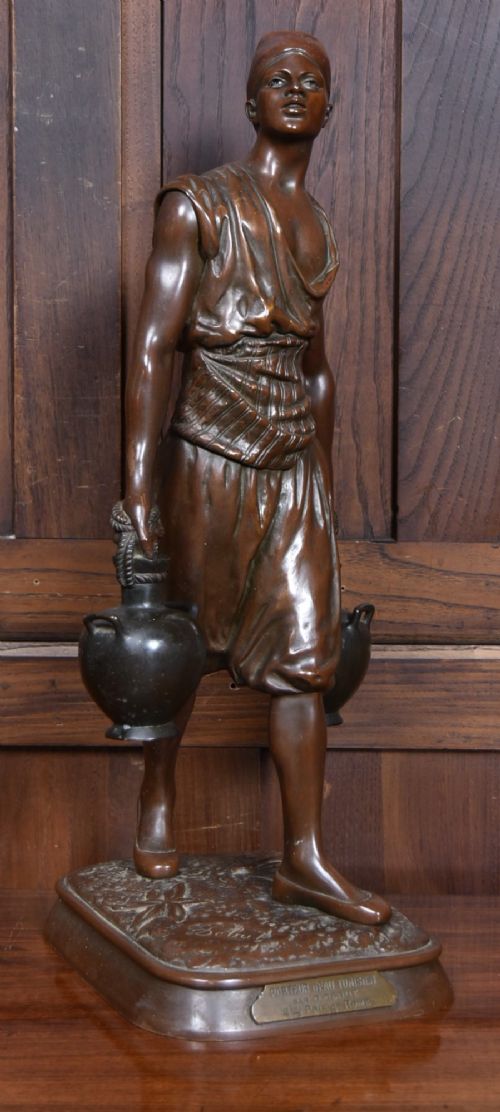
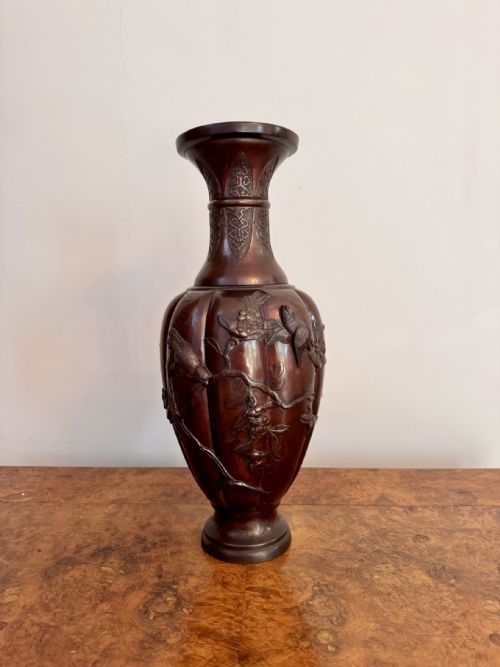
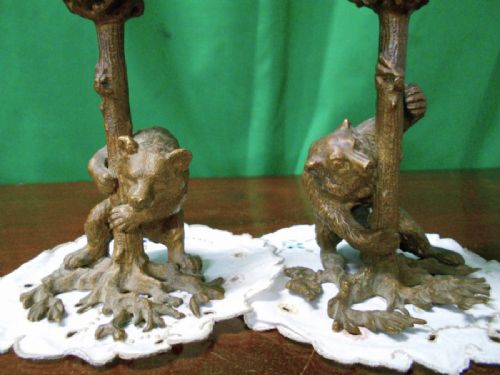
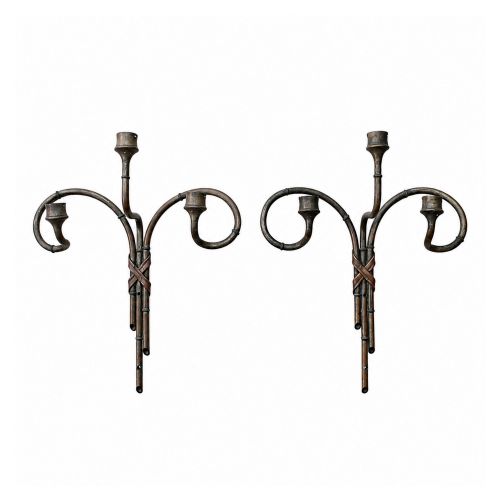
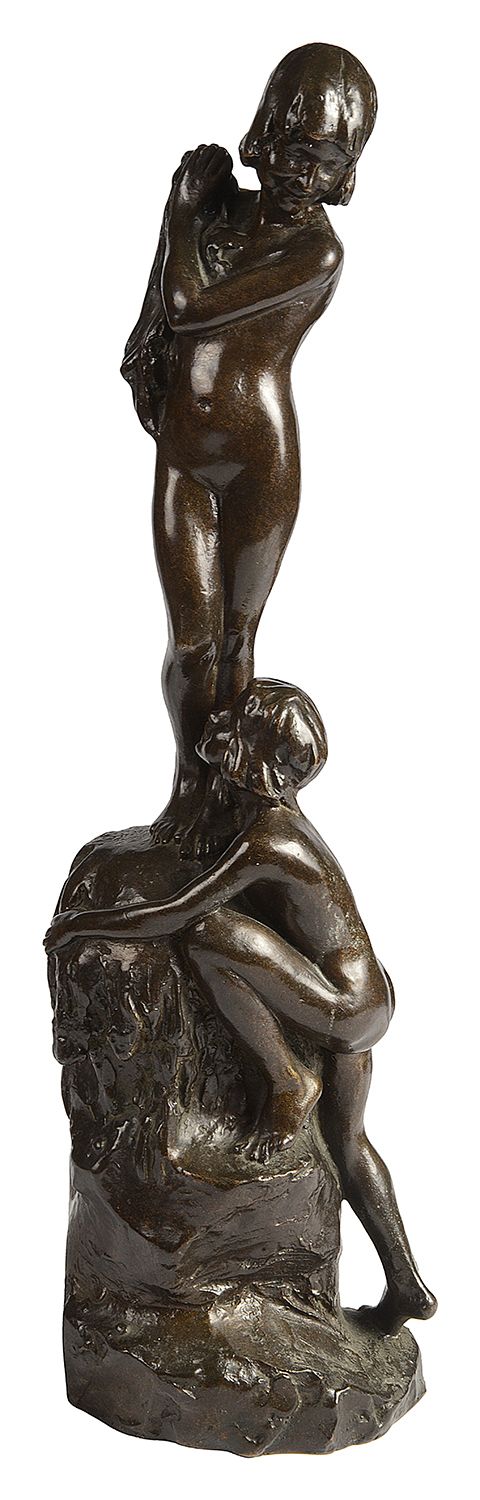
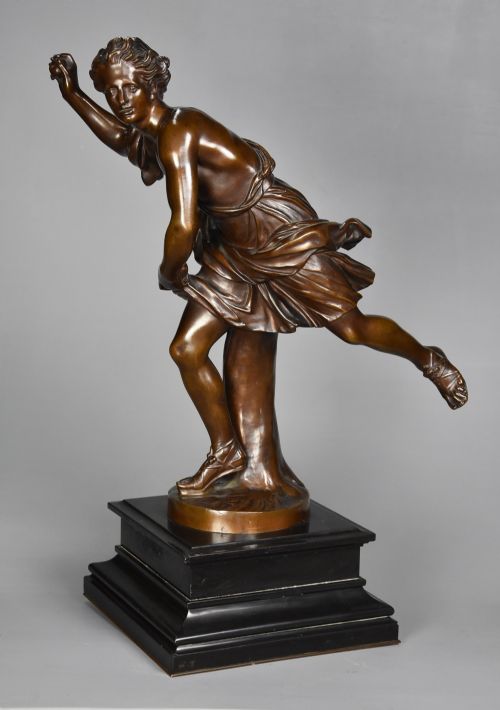
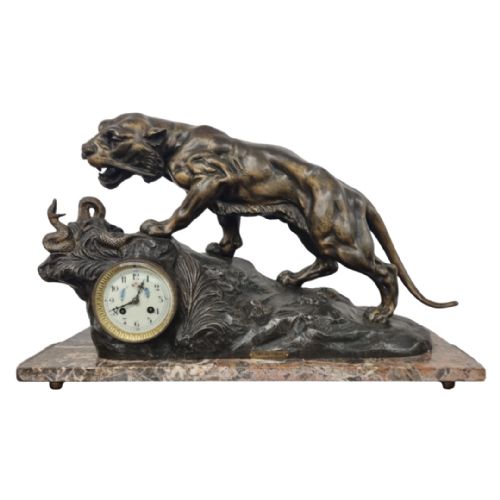
When you search for brown patinated bronze, you encounter cast metal sculptures, vessels, and decorative objects created across the nineteenth and early twentieth centuries. The selection on this page leans heavily toward French animalier figures, Japanese Meiji period bronzes, and Chinese censers from the late Qing period.
Makers and casters from these eras utilised copper alloys to produce everything from domestic mantel clocks and table lamps to grand animal sculptures. These objects span diverse cultural traditions, uniting European neoclassical subjects with Asian decorative arts through the medium of dark metal casting.
How they were made
These works rely on traditional metal casting techniques, primarily utilising bronze, brass, and copper alloy combined with patination chemicals to achieve rich brown surfaces. Founders often mounted completed metal casts onto bases of marble, wood, or patinated metal to complete the composition.
Surface finishes received meticulous attention through chemical patination, creating the characteristic brown tones seen across the pieces. Artisans sometimes incorporated contrasting materials like brass or applied gilding to highlight specific details on the cast metal bodies.
The documented forms range from Chinese tripod censers and Japanese Meiji vases to French animalier groups and Art Nouveau busts.
What varies in quality
The distinction between standard commercial castings and exceptional works lies in the crispness of the chased detail and the depth of the chemical patination. Superior pieces retain sharp anatomical lines in animalier subjects and intricate relief work on vessels without obscuring the underlying metal texture under thick paint or lacquer.
Compositional balance and the quality of the founding signature also separate finer examples from routine workshop production. Well-executed casts demonstrate careful finishing of seams and natural integration between the bronze figure and its stone or metal base.
Barbedienne·Pierre Jules Mène·Jules Moigniez·Emmanuel Villanis·Jules Dalou·Christophe Fratin
The Brown Patinated Bronze Glossary
- Animalier
- A nineteenth-century artistic movement focusing on the realistic portrayal of animals, particularly dogs, horses, and wild beasts in dynamic poses. Sculptors in this tradition studied anatomy closely to capture creatures in motion.
- Patination
- The process of applying chemical treatments to metal surfaces to produce controlled coloration and ageing effects. This technique creates the deep brown, black, or greenish tones characteristic of antique bronzes.
- Censer
- A vessel designed for burning incense, frequently cast in bronze with intricate tripod supports and decorative covers. These objects appear prominently in Chinese decorative arts from the Qing dynasty.
- Grand Tour
- A traditional trip through Europe undertaken by nineteenth-century travellers who collected small classical bronzes and sculptures as souvenirs. These pieces often replicated famous antiquities or Renaissance monuments.
Brown Patinated Bronze: Frequently Asked Questions
What is brown patinated bronze?
Brown patinated bronze refers to cast copper alloy objects treated with chemical solutions to produce warm, dark brown surface tones. This finish protects the underlying metal while enhancing the visual depth of sculptural details.
Found commonly on nineteenth-century European sculptures and Asian vessels, the patination develops naturally over time or through intentional studio application by the founder.
How do I care for bronze figures?
Maintain bronze sculptures by dusting them gently with a soft, dry brush to prevent particle accumulation in recessed details. Avoid using liquid polishes or chemical cleaners that strip the original patination.
Apply a very light coat of microcrystalline wax occasionally if the metal requires protection against atmospheric moisture in a domestic setting.
Where were these bronzes made?
The pieces originate primarily from European foundries in France and Austria, alongside traditional workshops in China and Japan. European examples frequently reflect nineteenth-century academic training or the Grand Tour tradition.
Asian pieces range from late Qing dynasty ritual vessels to Meiji period decorative sculptures created for both domestic and export markets.
How can I identify animalier bronzes?
Animalier bronzes depict animals in naturalistic settings, focusing on accurate anatomy and expressive movement rather than purely decorative symmetry. Look for dynamic postures capturing beasts during hunting or resting.
These sculptures often bear the signature of the modeller or the stamp of the founding house along the edge of the bronze base.