


French Bronze Casting
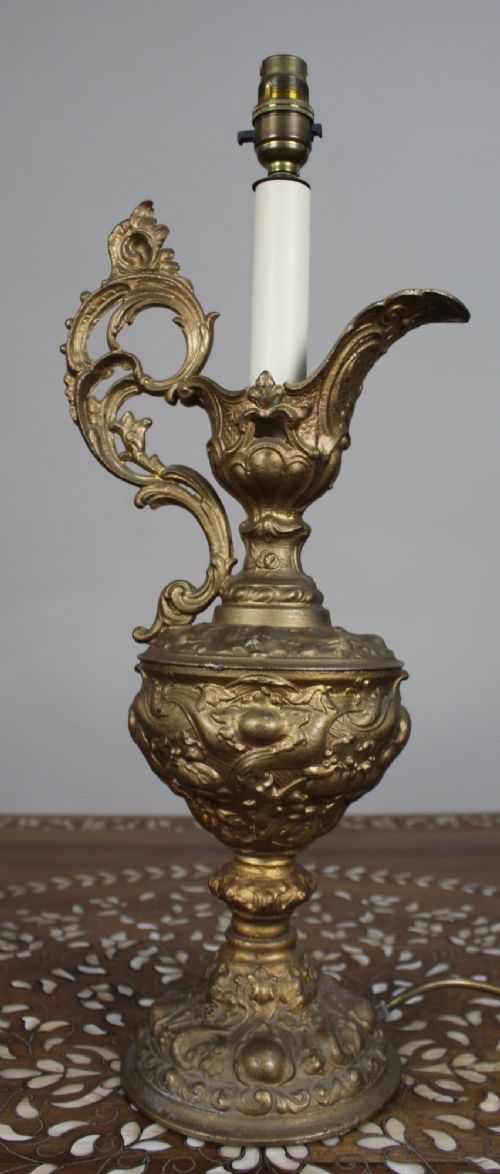
French bronze casting covers metal figures, lamps and mounts shaped in nineteenth-century and early twentieth-century foundries for interiors.
French Bronze Casting
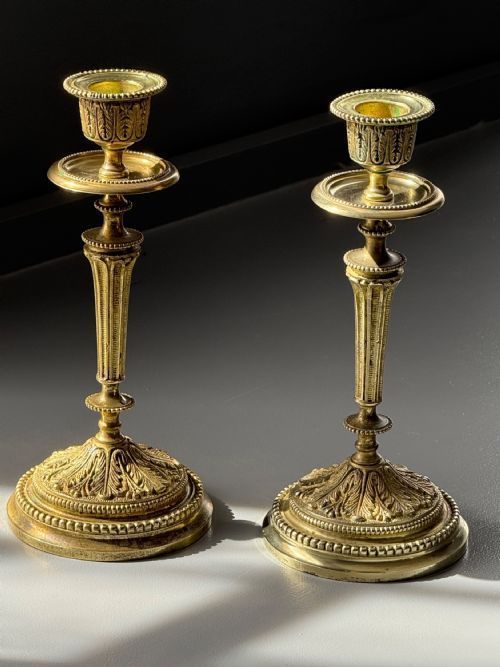
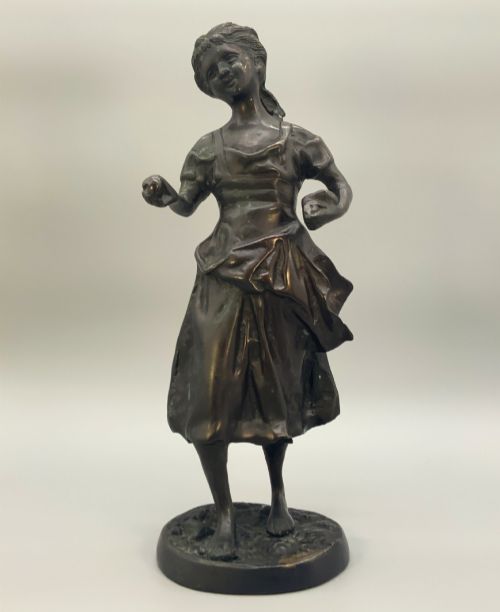
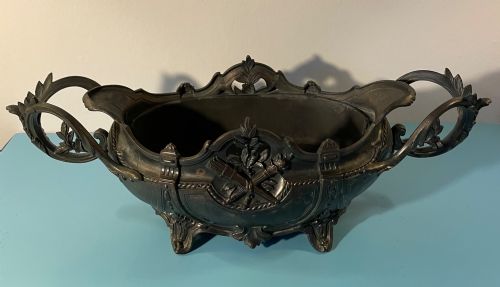
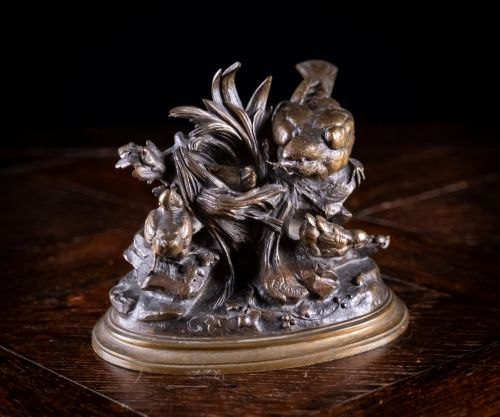
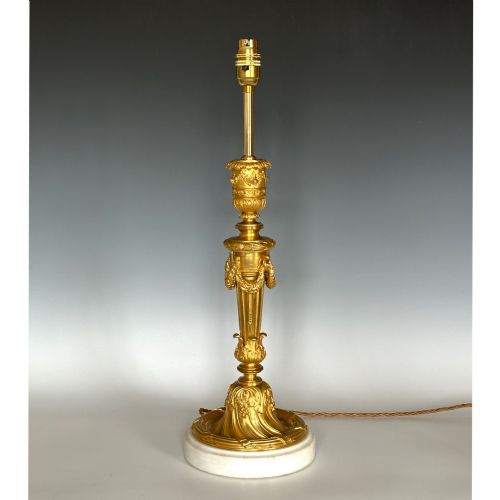
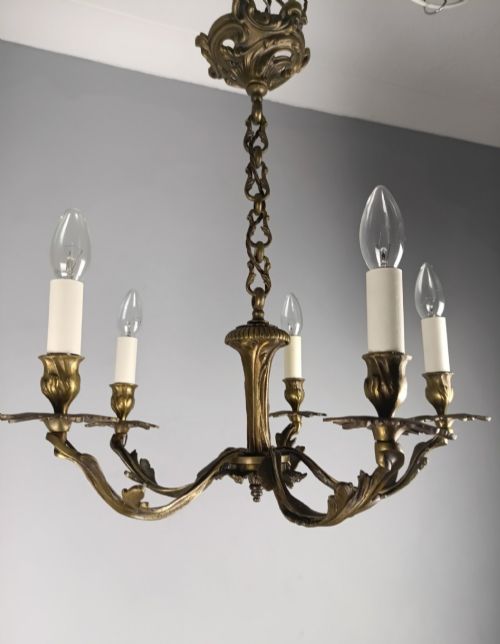
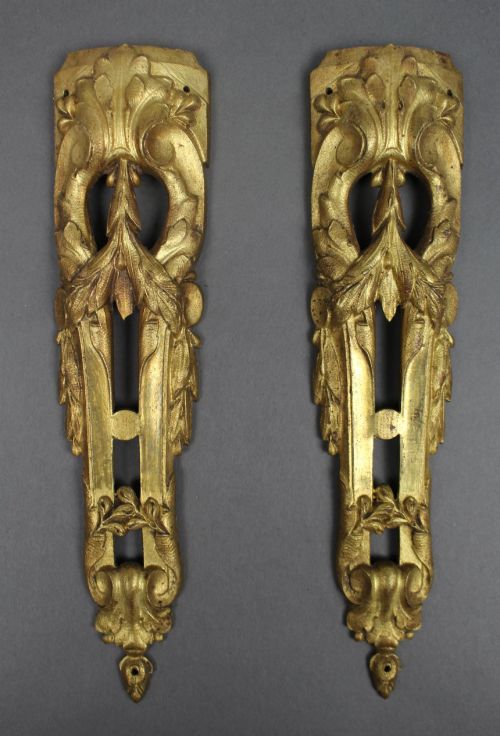
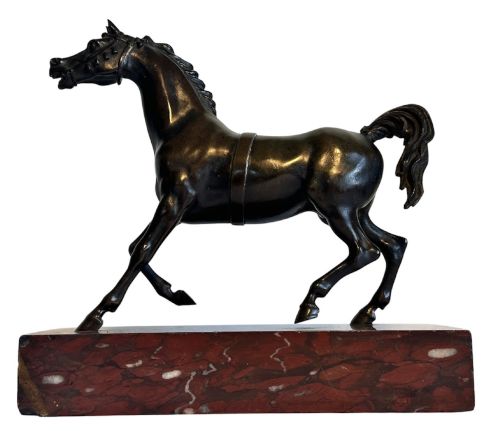
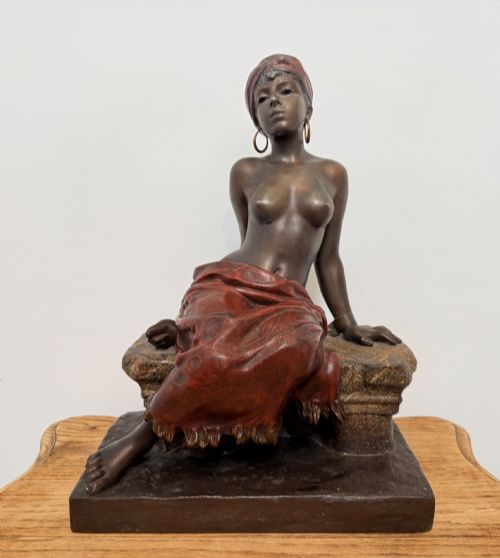
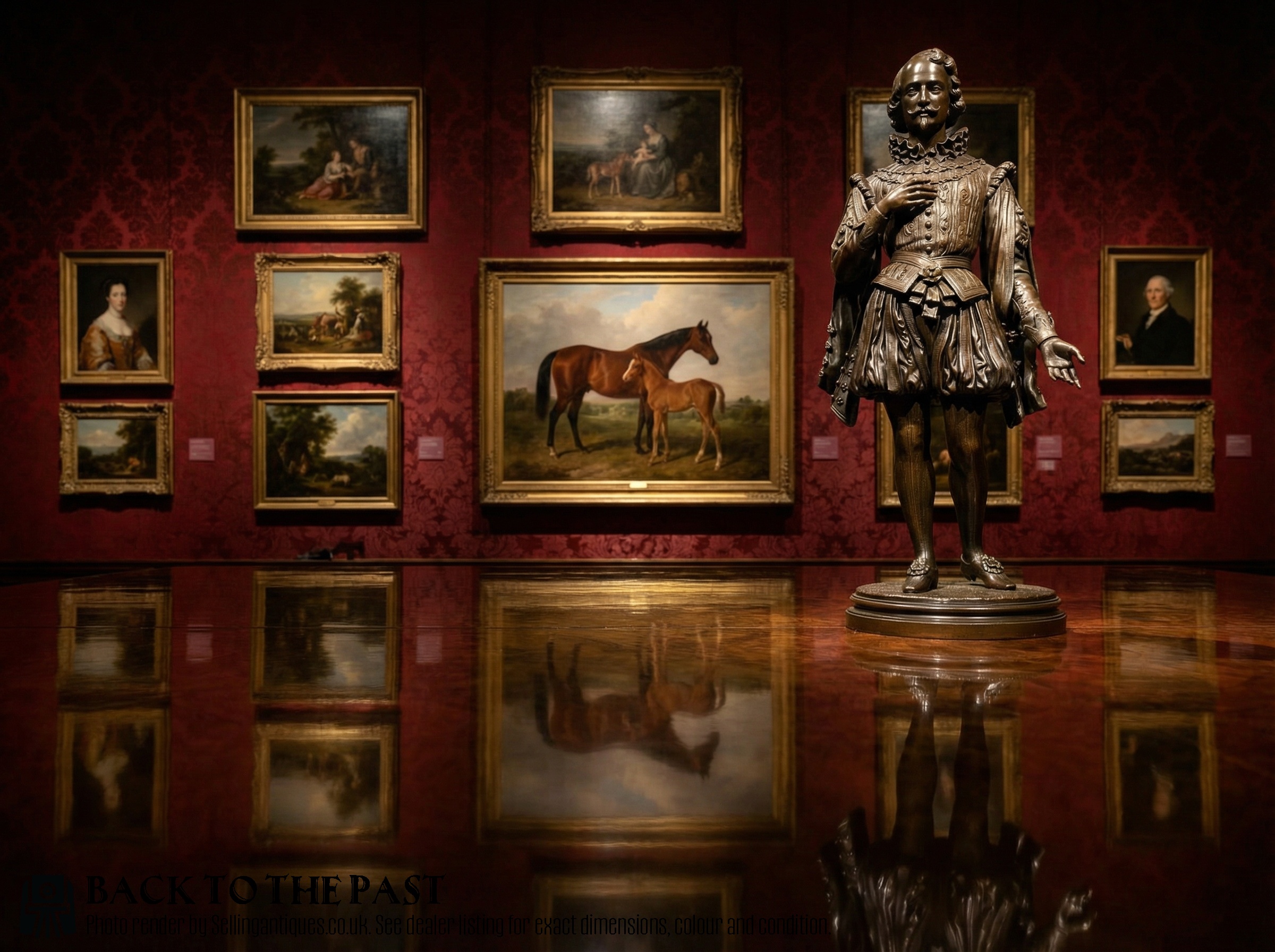
French bronze casting includes nineteenth-century animal figures, figural busts, candlesticks, and decorative fittings created across decades of foundry work. Buyers encounter patinated and gilt metal sculptures, alongside practical household objects mounted on marble bases.
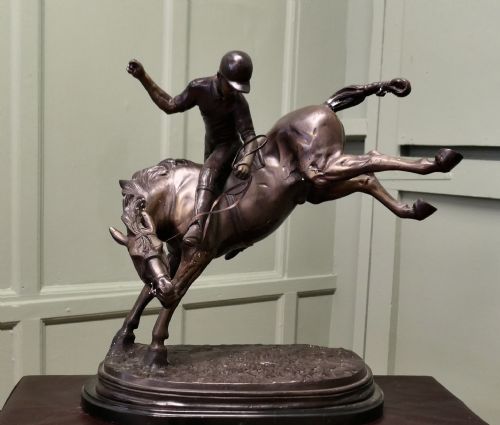
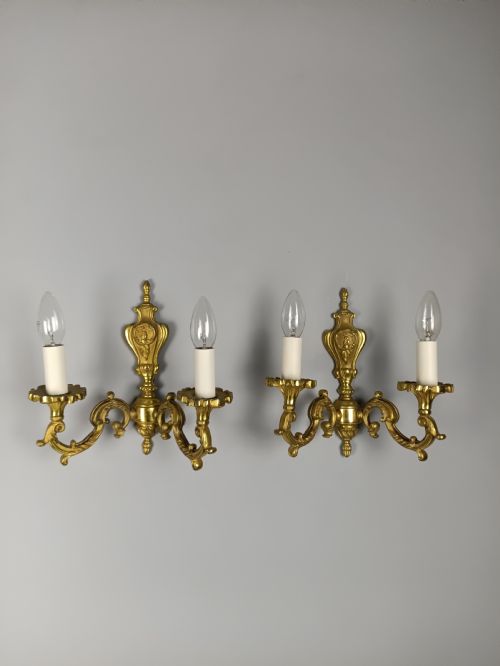
Animalier subjects depicting dogs, horses and stags dominate the sculptural selections, alongside human figures rendered in Art Nouveau and Louis XVI styles. These works range from small desk lamps and furniture mounts to large multi-light chandeliers and wall lights.
How they were made
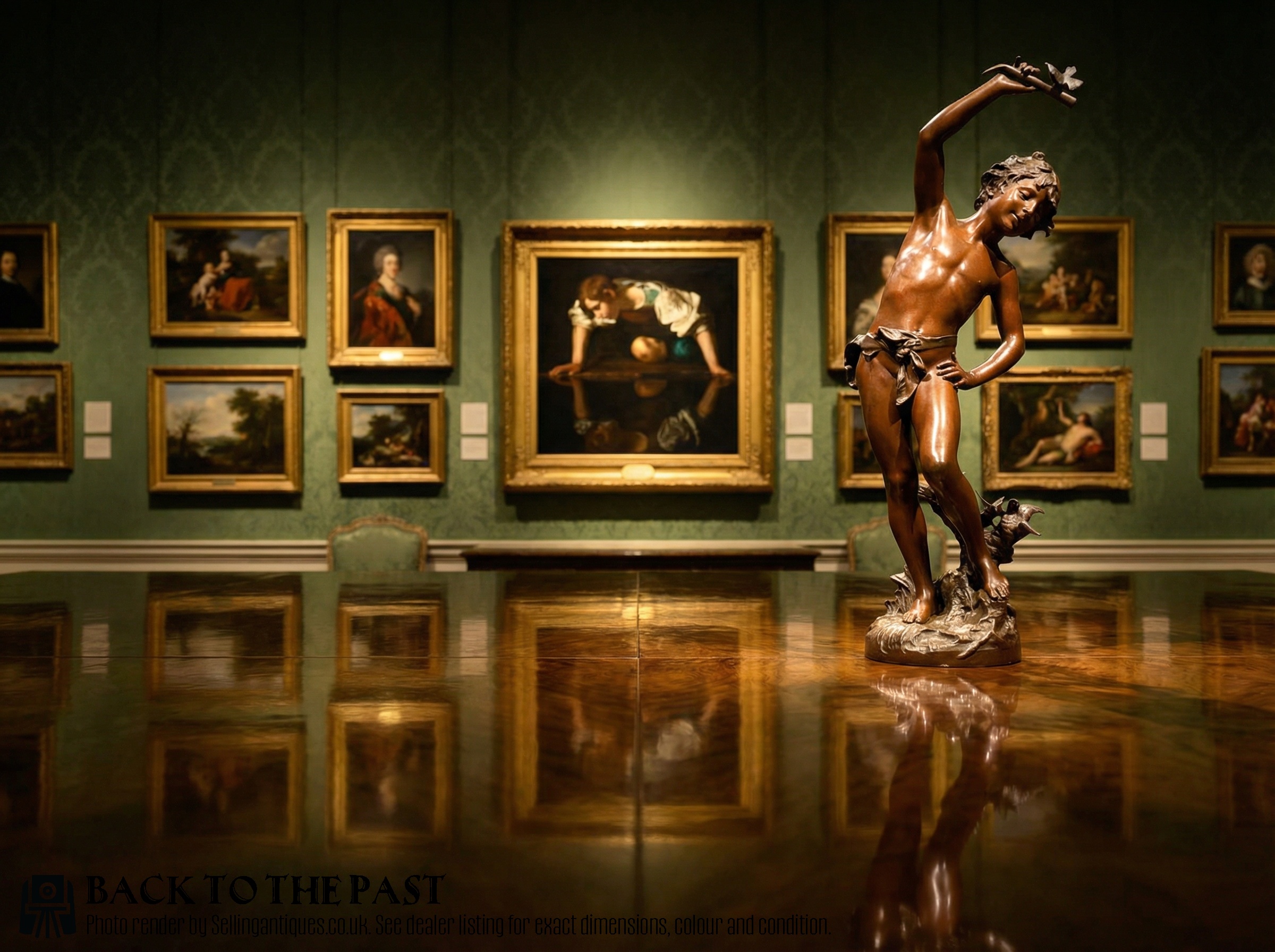
Foundries utilised traditional methods to pour molten metal into moulds, creating solid or hollow forms from bronze, brass, and spelter. Artisans then refined the raw metal through chasing and applied patinas, or added layers of gilt bronze and ormolu.
Many sculptures stand upon fitted marble bases, while functional lighting pieces integrate glass shades and electrical fittings adapted during later periods. Details on figurative works and animal studies rely on precise hand-tooling after the casting process.
Object forms range from small animal sculptures and desk lamps to multi-light chandeliers, girandoles, and architectural furniture mounts.
What varies in quality
Quality rests in the crispness of the metal chasing and the depth of the applied patina or gilding. Superior castings retain sharp muscle definition, fine facial expressions, and clean texture on fur or fabric without losing detail to worn foundry moulds.
The integrity of the signature stamp and the precision of the assembly where separate parts join also distinguish finer works. Heavier bronze weight and carefully fitted marble or metal mounts indicate careful workshop production.
Poix Blin·P J Mêne·Moreau Family·Louis Emile Cana·E Villanis·L & F Moreau·Christophe Fratin·Antoine L Barye·Alfred Dubucand·Alfred Barye·Dora Heber·C J R Colinet·Georges Van Der Straeten·Isidore Jules Bonheur·Leon Bureau
The French Bronze Casting Glossary
- Animalier
- A nineteenth-century artistic movement focusing on the realistic depiction of animals, particularly dogs, horses, and wild beasts. Sculptors in this tradition studied anatomy closely.
- Ormolu
- Gilded bronze produced by applying a mercury and gold amalgam to the metal surface and heating it to drive off the mercury. This technique creates a rich golden finish.
- Patinated Bronze
- Metal treated with chemical solutions to produce a specific surface colour, ranging from deep brown to green. This treatment protects the bronze and enhances visual depth.
- Spelter
- An alloy of zinc and other metals used as a cheaper alternative to bronze for cast figures and lamps. It is lighter and softer than true bronze.
- Appliques
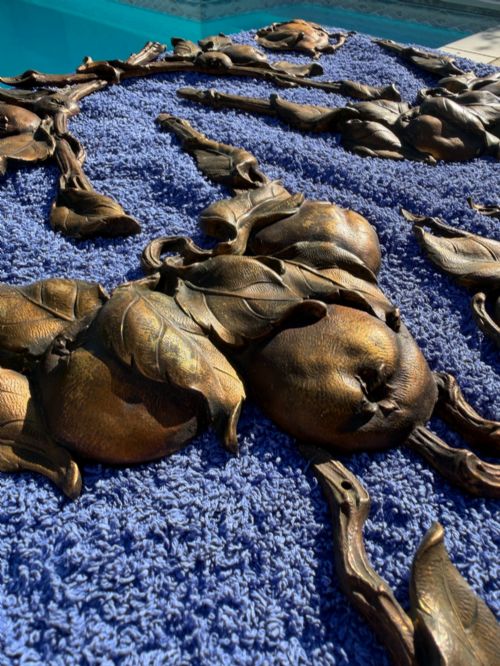
- Decorative wall brackets or sconces designed to hold candles or electric bulbs. They often feature cast scrollwork and floral motifs.
French Bronze Casting: Frequently Asked Questions
How do I identify animalier bronze sculptures?
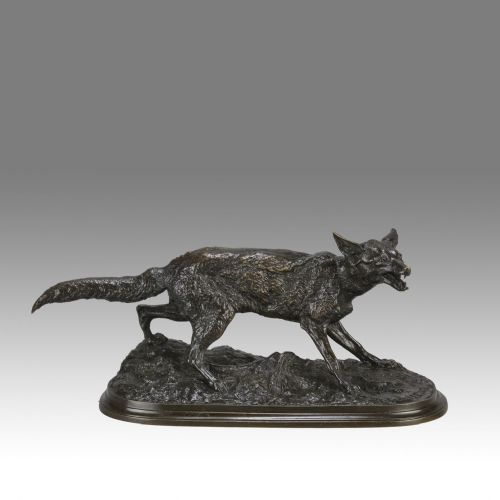
Animalier pieces depict animals in naturalistic poses, often capturing tension or movement in wildlife and domestic species. Look for anatomical accuracy in muscle structure and fur texture.
Signatures of known animal sculptors frequently appear along the natural base of the cast alongside foundry stamps.
What is the difference between bronze and spelter?
Bronze is a heavy copper alloy that accepts fine detail and holds rich patination over centuries of handling. Spelter uses a zinc base that is lighter in weight and softer.
Examination of the underside or worn areas often reveals the paler grey metal beneath a painted bronze-effect finish on spelter pieces.
How should I clean antique bronze?
Dust bronze surfaces gently with a soft brush or dry cloth to prevent the accumulation of grit in recessed details. Avoid using metal polishes on patinated surfaces.
Harsh cleaners strip the original chemical patination and gold gilt, diminishing both the historical integrity and the visual depth of the metal.
Are these lamps wired for modern use?
Many table lamps and wall lights from this selection have received modern electrical rewiring to meet contemporary safety standards. Some retain older fittings.
Buyers should have a qualified electrician inspect any vintage wiring before connecting the piece to a main power supply.