


Bronze Warrior Figurine
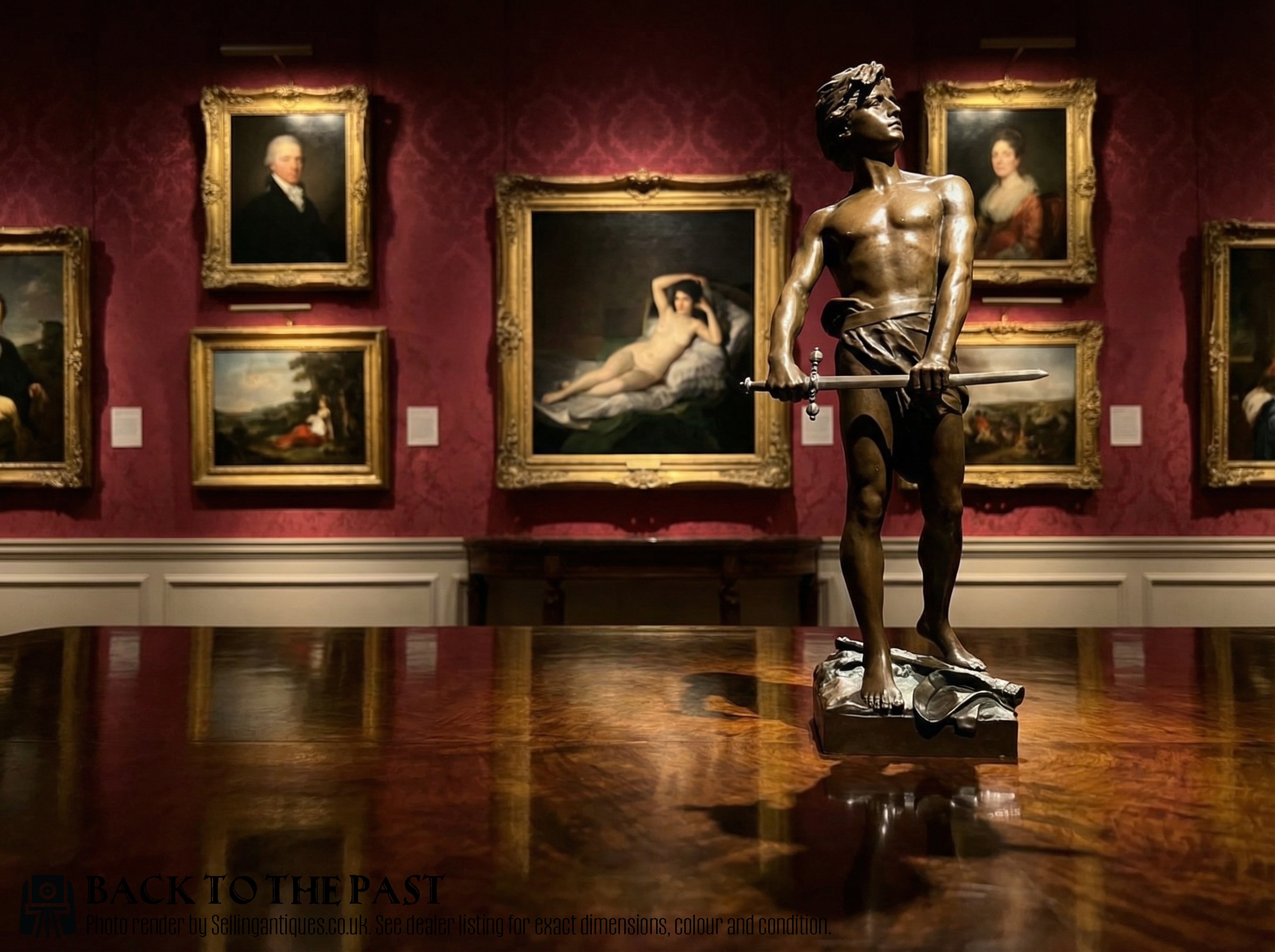
A bronze warrior figurine captures classical heroism and historic combat, offering collectors striking sculptural detail from the nineteenth and early twentieth centuries.
Bronze Warrior Figurine
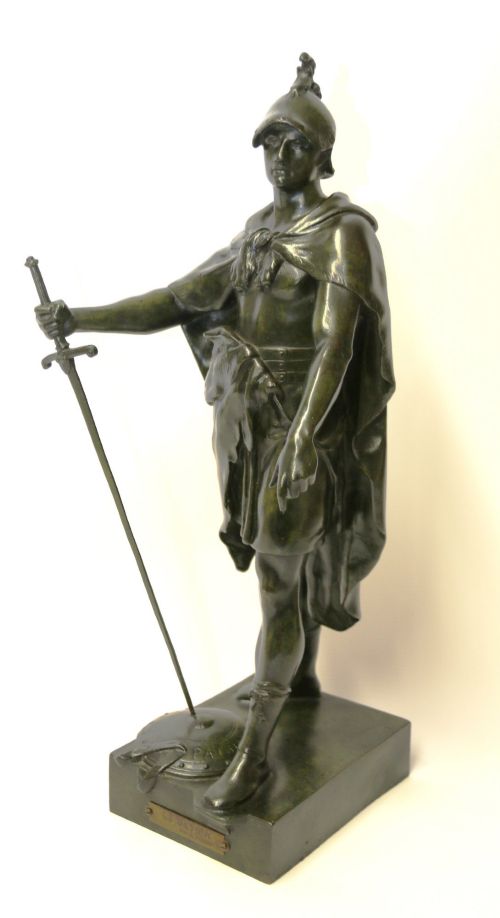
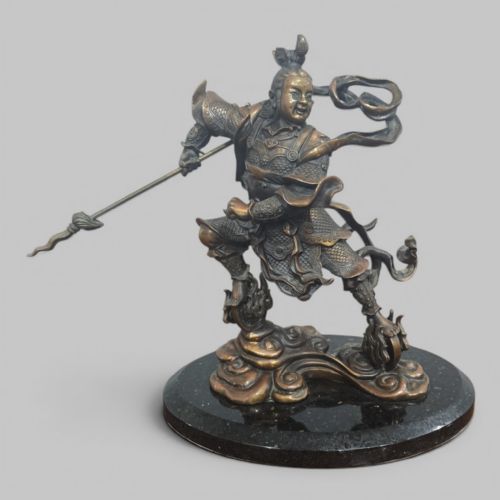
A bronze warrior figurine represents historical, mythological, and classical combatants, ranging from Roman soldiers and Greek heroes to medieval knights and Orientalist figures. When you search this phrase, you encounter sculptural depictions designed primarily for display on desks, mantelpieces, and pedestals.
The selections span the nineteenth century into the twentieth century, encompassing Grand Tour souvenirs, French Academic works, and Art Deco pieces. You are most likely to meet subjects such as Roman gladiators, mythological figures like Ajax and Perseus, and regional warriors cast in metal.
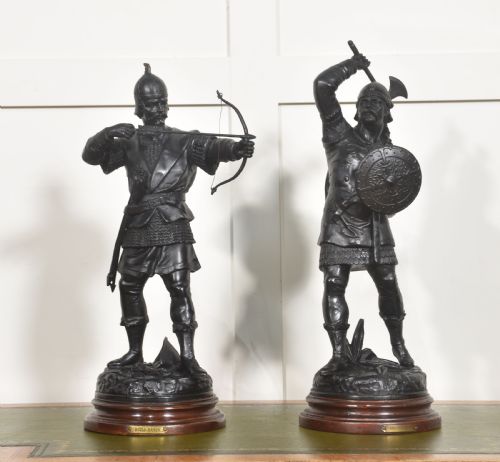
The forms vary from single standing figures to paired statues, utilising stylistic influences from Neoclassical, Orientalist, and Victorian movements. These objects functioned as decorative art, celebrating historical triumphs and literary characters through solid metal casting.
Materials and casting methods
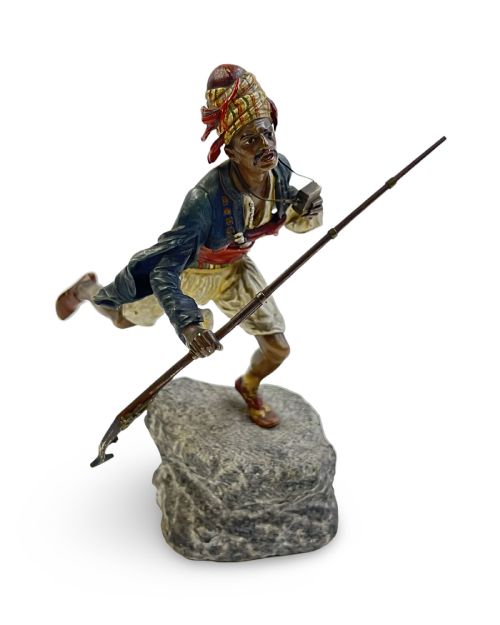
The primary material is bronze, alongside alternative metals such as spelter, which appear frequently in the inventory. Many pieces incorporate patinated surfaces, oil paint, or cold-painted pigment to enhance the visual texture of armour, drapery, and skin.
Distinctions in craftsmanship
The quality of a bronze warrior figurine depends on the sharpness of the casting and the precision of the chasing work done after the metal cooled. Finer pieces retain crisp details in facial expressions, chain mail, weaponry, and musculature, whereas lower-quality casts lose definition in these areas.
Surface treatment significantly separates different tiers of work, with master patination or careful cold-painted pigment showing superior artistry compared to flat or uniform monochrome finishes. The choice of base material, such as substantial fitted marble rather than simple turned wood, also marks the distinction between standard commercial output and high-end sculptural editions.
Émile Louis Picault·Franz Xaver Bergman·Edward Aagaard·Raoul Francois Larche·Franz Iffland
The Bronze Warrior Figurine Glossary
- Patinated bronze
- Bronze treated with chemical solutions to produce a specific surface coloration, ranging from deep brown to verdigris green. This layer protects the metal and accentuates the sculptural contours.
- Cold-painted bronze
- A method where enamel paint is applied to a cold bronze surface without subsequent firing. This technique is especially characteristic of Viennese workshops producing vibrant warrior figures.
- Grand Tour souvenir
- A small-scale sculpture or artefact purchased by nineteenth-century travellers visiting cultural sites in Italy and Greece. These reductions were cast after famous classical antiquities.
- Spelter
- A zinc alloy commonly used as an economical substitute for bronze in decorative figures. It is softer than bronze and typically carries a heavier applied finish to simulate true metal.
- Neoclassical
- An artistic style drawing inspiration from the classical art and culture of ancient Greece and Rome. Figures from this movement emphasise balanced proportions, heroic poses, and historical dignity.
Bronze Warrior Figurine: Frequently Asked Questions
What is a bronze warrior figurine?
A bronze warrior figurine is a sculptural representation of a historical, mythological, or classical combatant cast in metal. These pieces typically depict figures such as Roman soldiers, gladiators, knights, and mythological heroes.
Created primarily during the nineteenth and early twentieth centuries, they served as decorative artworks for homes and studies. They reflect various artistic movements, including Neoclassicism, Orientalism, and Art Deco.
How do I identify the period?
Identifying the period involves examining the casting style, base materials, surface patination, and any artist signatures or foundry marks. Nineteenth-century pieces often reflect Academic, Neoclassical, or Grand Tour influences.
Later works moving into the twentieth century frequently adopt Art Deco styling or detailed cold-painted pigments. Comparing the sculptural stance and costume details to historical art movements helps narrow down the decade of production.
Where were these figures displayed?
These figures were traditionally displayed on library tables, mantelpieces, desks, and dedicated pedestals within nineteenth-century homes. Their subjects inspired intellectual and aesthetic contemplation of history and classical literature.
Today, they function as focal points in studies, living rooms, and specialised sculpture collections. Their compact scale allows them to fit easily onto bookshelves or tabletops.
Are spelter and bronze different?
Spelter and bronze are distinct metals used for sculptural casting, with bronze being a durable alloy of copper and tin. Spelter is a softer zinc-based alloy that was often used as an affordable alternative.
While both materials can achieve similar visual effects through surface patination, bronze offers greater weight, durability, and crispness in fine details. Testing or examining the underside and weight usually reveals which metal was utilised.