
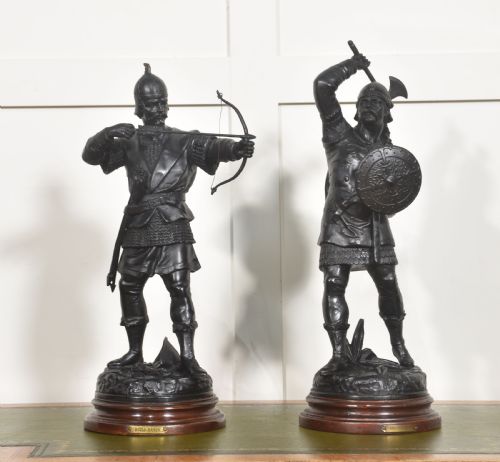


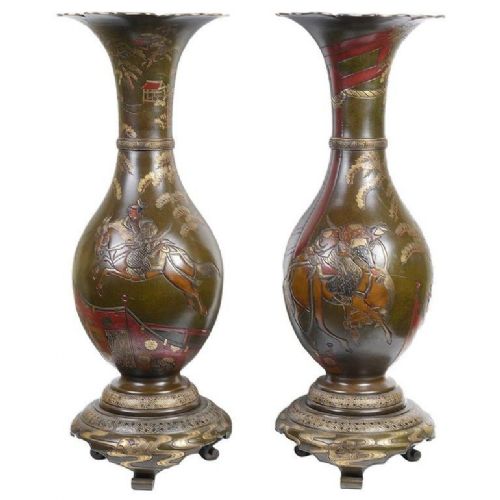


Cast Bronze Warrior
These cast bronze warrior figures and statues span diverse global cultures and centuries, offering striking sculptural presence for any room.
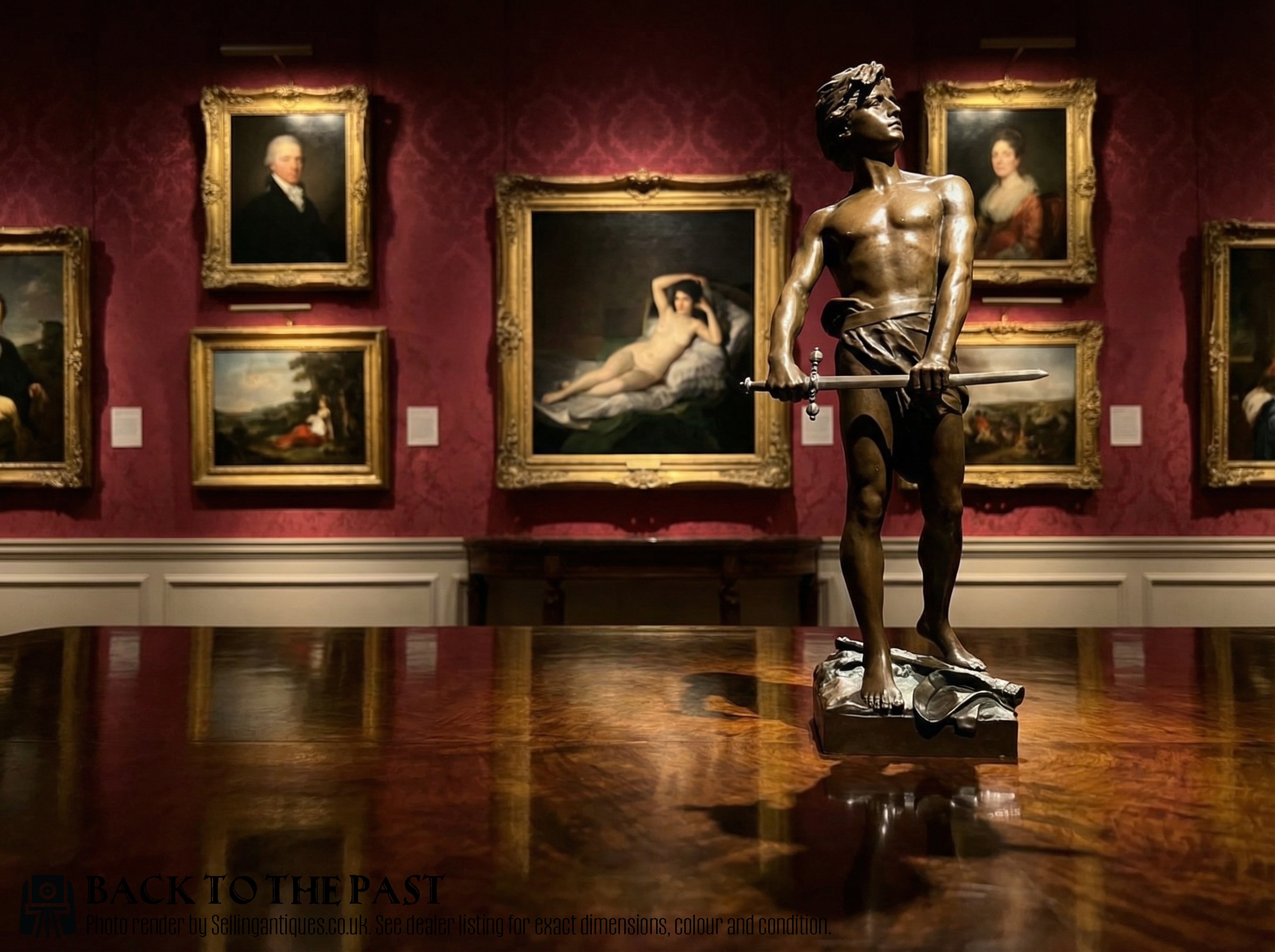
Cast Bronze Warrior
A cast bronze warrior represents historical figures, mythical fighters, or regional soldiers from various global traditions. When browsing this page, you encounter pieces ranging from Victorian historicism and French academic sculpture to African Benin art and Japanese Meiji period works.
The selection includes standing figures, equestrian statues, and pairs of warriors alongside related forms such as large bronze vases. These sculptures appear in nineteenth-century interpretations as well as twentieth-century castings.
Subjects stretch from Anglo-Saxon figures and American red Indians to Saladin, soldiers by French makers, and horsemen. Each piece captures a distinct historical or cultural archetype in cast metal.
How they were made
These pieces utilise traditional casting methods in bronze, brass, and mixed metal to achieve durable and detailed forms. Artisans sometimes applied pigment or gold leaf to enhance specific areas of the sculpture.
Foundries shaped the molten metal into complex figures, from equestrian statues to standing warriors, often mounting them on wood bases. The resulting heavy metal objects display the technical skill of nineteenth and twentieth-century metalworkers.
Listings feature periods from the nineteenth century through the mid-twentieth century, utilising bronze, brass, wood, and gold leaf.
What varies in quality
Artistic attribution and sculptural dynamism separate standard decorative castings from works bearing recognised maker signatures. Proportion, stance, and the handling of the metal surface dictate the visual impact of each figure.
Raoul Francois Larche·Emile Louis Picault
The Cast Bronze Warrior Glossary
- Cast bronze
- Molten alloy poured into a mould to create rigid metal sculptures. This method allows for intricate detail and substantial weight in the final statue.
- Equestrian
- A sculpture depicting a rider on a horse. These large works require advanced foundry skill to balance the weight of both man and animal.
- Patina
- The surface coloration or sheen developed naturally over time or applied chemically by the maker. It protects the metal and adds depth to the sculpture.
- Meiji Period
- The era in Japanese history spanning from 1868 to 1912, noted for highly detailed metalwork and vases exported to the West.
- Victorian Historicism
- A nineteenth-century design movement that drew inspiration from earlier historical periods, producing romanticized warrior figures and revival styles.
Cast Bronze Warrior: Frequently Asked Questions
How heavy are these bronze warrior statues?
These sculptures are made of cast metal and can be quite substantial, with some individual pieces weighing several kilograms. Their solid composition requires sturdy placement surfaces.
Larger figures and equestrian statues demand proper structural support due to their dense bronze construction and overall dimensions.
Where should I place a warrior sculpture?
These pieces suit prominent locations such as mantelpieces, desks, or dedicated pedestals where their sculptural form can be viewed from multiple angles. Pairing them with complementary objects enhances their display.
Placing them away from high-traffic edges prevents accidental knocks, given the considerable weight of cast metal figures.
How do I identify the period of a bronze?
Dating relies on stylistic markers, casting techniques, and any associated signatures or foundry marks inscribed on the metal base. Victorian and Meiji period pieces often reflect the distinct artistic conventions of their origin.
Comparing the garment details, surface finish, and overall subject matter helps differentiate nineteenth-century works from later twentieth-century castings.
What is the difference between a statue and a vase?
Statues and sculptures depict figurative subjects like soldiers, horsemen, and warriors in solid or hollow cast metal forms. They focus entirely on human or animal representation.
Vases serve a functional vessel form while incorporating sculptural relief or decorative motifs from specific cultural periods, such as Japanese Meiji art.