




Traditional African Sculpture
Traditional african sculpture encompasses carved figures, masks, and bronze metalwork originating from the 19th century onwards, offering rich cultural history and visual power.
Traditional African Sculpture
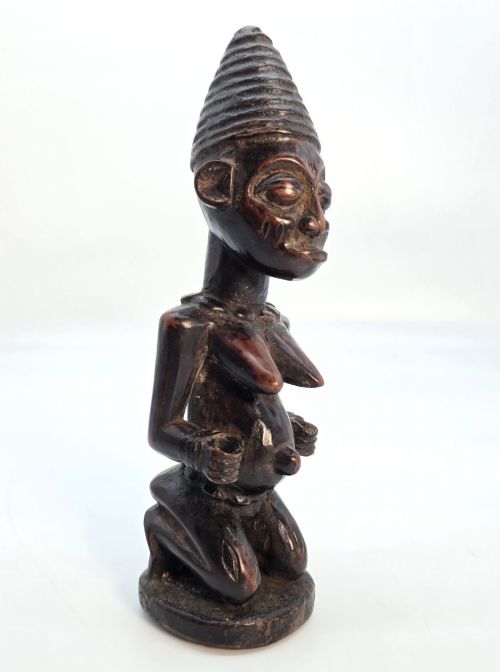
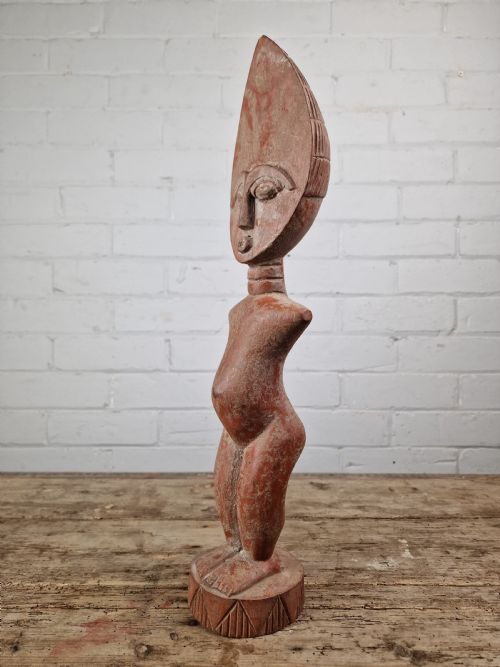
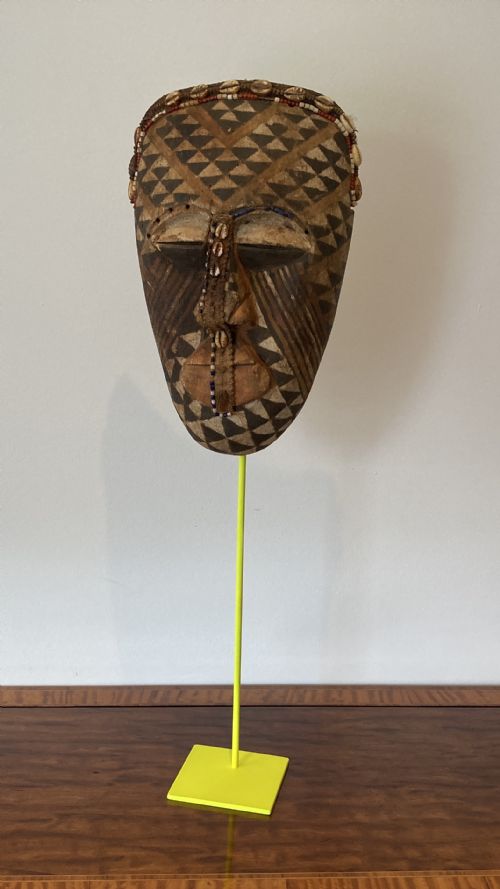
Traditional african sculpture covers a diverse array of items from tribal masks and fertility figures to heavy bronze statues and carved utilitarian objects like headrests and spoons. Collectors encounter works originating from various regions and peoples including the Yoruba, Fante, Baule, Kuba, Punu, and Ashanti.
The objects span periods from the 19th century through the mid-20th century, encompassing Edwardian examples alongside pieces dated from the 1880s to the 1950s. Forms range from wall panels and shields to free-standing equestrian statues and janus figures.
Wooden carvings frequently display remnants of pigment and aged patina, whilst bronze and brass castings demonstrate accomplished metalwork techniques. Each piece reflects the specific ceremonial, social, or decorative traditions of its makers.
Materials and construction
Makers utilised native hardwoods and dense timber for carved figures, masks, panels, and objects like ceremonial spoons and headrests. These wooden pieces often feature applied pigments and developed patinas resulting from age and use.
Metal sculptures, including bust figures and horseman statues, were cast in bronze or brass utilising traditional methods. Bone and ivory elements also appear alongside carved wood in specific regional works.
Materials documented across the inventory include bronze, brass, bone, pigment, and diverse hardwoods.
Evaluating quality and execution
Quality rests in the precision of the carving and the sculptural balance of the form, whether viewing a human figure, mask, or animal subject. Finer examples display confident detailing and deliberate surface finish rather than hasty production.
Yoruba People·Fante Tribe·Baule Tribe·Kuba People·Punu People·Ashanti People·Luba Hemba·Ligbi People
The Traditional African Sculpture Glossary
- Patina
- The surface sheen and colour acquired by wood, metal, or other materials through age and handling. This gradual change provides visual depth and indicates natural ageing.
- Janus figure
- A sculptural representation featuring two faces looking in opposite directions. These figures often appear in traditional bronze work.
- Equestrian statue
- A representation of a rider upon a horse. These metal or wood sculptures record important figures or cultural motifs.
Traditional African Sculpture: Frequently Asked Questions
What materials are used in traditional african sculpture?
Pieces are predominantly fashioned from carved wood and hardwood, frequently accented with pigment or retaining a natural patina.
Metal objects, including heavy statues and busts, are cast in bronze or brass.
How do I identify the age of a piece?
Dating relies on recorded periods spanning the 19th century through to the 1950s, including Edwardian examples.
Physical indicators such as wood dryness, surface wear, and pigment retention help contextualise the age.
What subjects do these sculptures depict?
Representations include human figures such as fertility figures, maternity statues, kings, and warriors.
Other subjects encompass animal forms, ceremonial masks, decorative shields, and functional items like headrests and spoons.
Where do these sculptures originate?
Items originate from various regions across the continent, with specific pieces attributed to West African and Congo traditions.
Named groups include the Ashanti of Ghana, the Baule and Ligbi of the Ivory Coast, and the Punu of Gabon.