




African Wall Art
African wall art encompasses a diverse range of objects from carved masks to oil paintings that bring character and history to any interior scheme.
African Wall Art
When you search for african wall art, you encounter a varied selection of pieces spanning the nineteenth and twentieth centuries, including traditional tribal masks, carved panels and paintings.
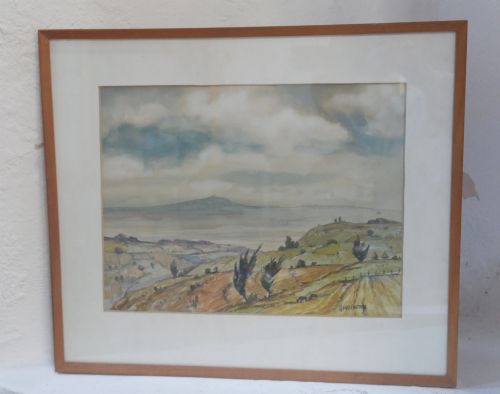
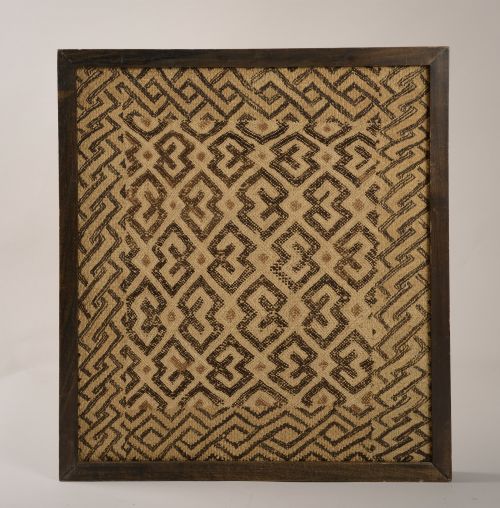
The most common forms you meet on this page are carved wooden sculptures, woven raffia tapestries and framed watercolours or oil paintings depicting landscapes and figures.
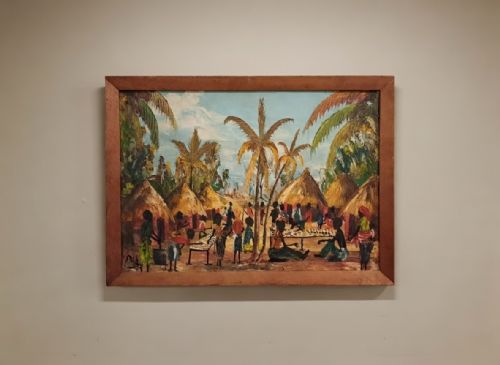
These items originate from multiple periods, ranging from Edwardian and nineteenth-century tribal works to mid-century modernist canvases and post-impressionist village scenes.
How they were made
Makers utilised organic materials such as wood, canvas, paper and raffia, shaping carved masks and panels with traditional hand tools.
Painters applied oil paint, watercolour, charcoal and pencil to canvas, board and paper to create portraits and village scenes.
Textiles incorporated woven plant fibres, while sculptural elements combined carved wood with metal and decorative pigments.
Materials span carved wood, oil paint, watercolour, canvas, paper, glass and raffia across various nineteenth and twentieth-century periods.
What varies in quality
The distinction between standard and superior pieces rests on the precision of the carving, the expressiveness of the portraiture and the preservation of original pigments and materials.
Works attributed to documented artists or specific regional traditions display a higher degree of execution in brushwork and structural balance.
The integrity of the medium, whether stable oil paint on canvas or well-preserved raffia tapestries, determines the enduring appeal of the object.
Anne Dorrien Smith·Cecil Rochfort Doyly John·Ruth Prowse
The African Wall Art Glossary
- Kuba cloth
- A textile woven from raffia palm fibres by the Kuba people, known for geometric patterns. These tapestries are frequently framed for display on walls.
- Tribal mask
- A ceremonial or ritual face covering carved from wood, originating from specific cultural groups such as the Baule, Gouro or Songye. They reflect traditional beliefs and artistic lineages.
- Reliquary guardian
- A carved wooden figure placed above containers holding ancestral relics to protect them. The Mahongwe examples display distinct metal wire wrappings over wood.
- Mid-century modernist
- An artistic style from the mid-twentieth century favouring abstracted forms and bold colour palettes. Paintings from this era capture village scenes and portraits.
- Lithograph
- A print made from a stone or metal plate on which an image has built up using oil-based ink. These reproductive prints capture historical depictions of African figures.
African Wall Art: Frequently Asked Questions
How do I hang heavy carved wooden masks?
Heavy wooden masks and wall sculptures require secure mounting into wall studs or the use of heavy-duty picture hooks rated for the weight of the piece.
Ensure the hanging wire or integrated wall bracket on the back of the artefact is stable before mounting it securely.
How should I clean vintage oil paintings on canvas?
Vintage oil paintings benefit from gentle dusting with a soft, dry brush to remove surface particles without disturbing the paint layer.
Avoid using water, chemical cleaners or abrasive cloths on nineteenth or twentieth-century canvases.
What is the difference between a tribal mask and a wall panel?
Tribal masks are carved representations of faces or spirits intended for ceremonial or cultural use, featuring three-dimensional contours.
Wall panels are flat or low-relief wooden boards carved with figures or narrative scenes designed specifically for decorative display.
How do I care for framed raffia tapestries?
Framed raffia and textile pieces should be kept away from direct sunlight to prevent the natural plant fibres from fading or becoming brittle.
Maintain a stable room humidity to preserve the integrity of both the textiles and the wooden frames.
How can I tell the age of an oil painting?
The age of an oil painting is assessed by examining the type of canvas or board, the cracking pattern in the paint known as craquelure, and the framing style.
Signatures, dates inscribed on the reverse, and historical artist attribution also help establish the period.