




Wooden Tribal Artefact
These wooden tribal artefact pieces carry centuries of ritual use, warfare and ceremony from African, Oceanic, Indigenous Australian and Himalayan traditions.
Wooden Tribal Artefact
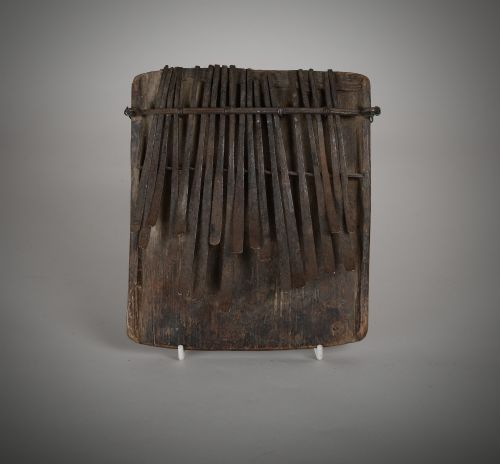
When searching for a wooden tribal artefact, collectors encounter a diverse range of objects spanning ritual items, weaponry, masks and functional pieces. The selection includes items originating from African tribal art traditions, Oceanic islands, Indigenous Australian communities and Himalayan folk art. Objects date from the eighteenth century through to the early twentieth century, reflecting varied cultural practices.
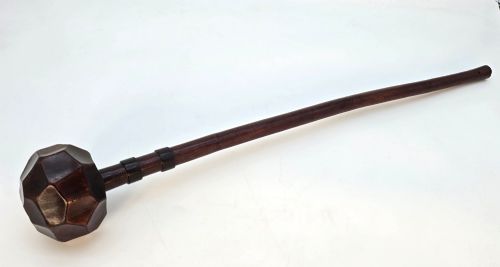
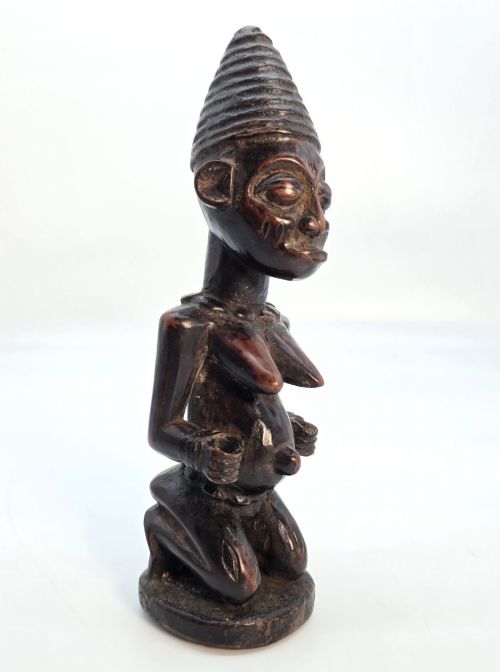
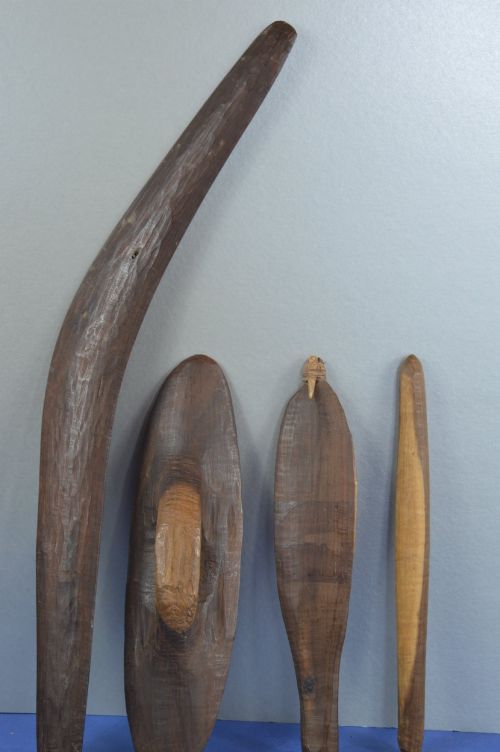
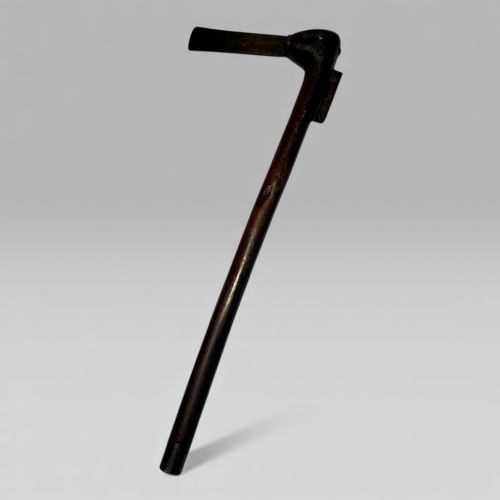
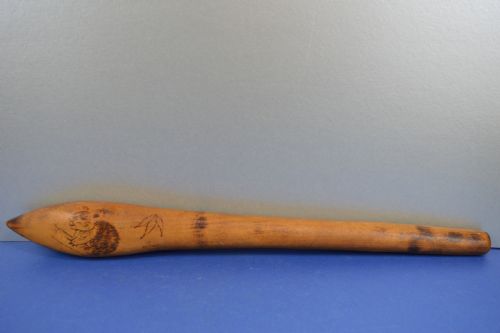
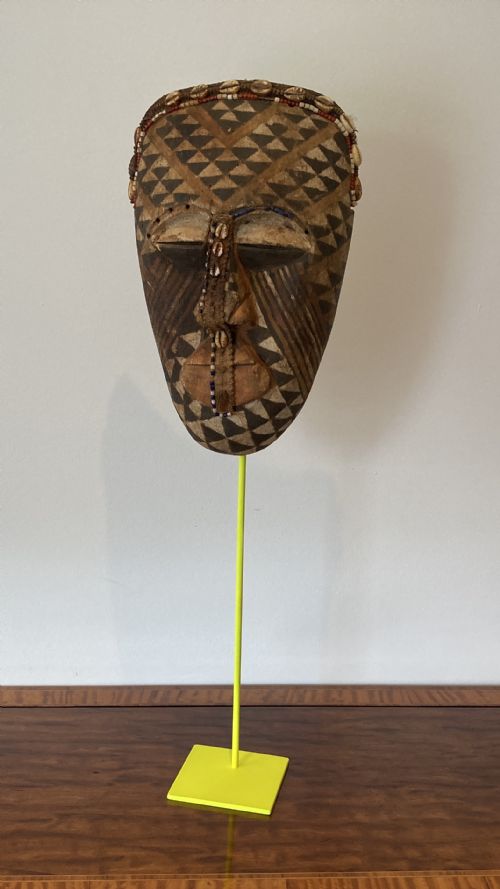
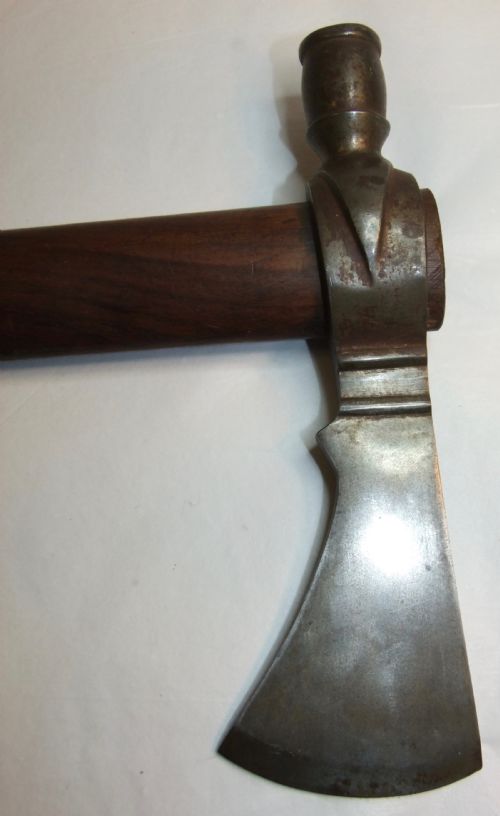
The most common forms appearing here are throwing clubs, war clubs, ceremonial axes and dance masks. Pieces such as Zulu knobkerries, Kanak war clubs, Fijian vunikau clubs and Baule or Punu masks represent the core of the inventory. Functional items like thumb pianos, pipes and woomeras also feature alongside sculptural fertility figures and headdresses.
How they were made
Craftsmen shaped these items predominantly from indigenous hardwood and general wood using traditional hand tools. Many pieces integrate secondary materials such as iron, bone, plant fibre and natural resin to secure components or add structural reinforcement.
Makers applied surface treatments including pigment and accumulated patina to finish the works. Ceremonial and functional objects display carved details, fibre attachments and organic resins developed through regional crafting methods.
Materials recorded in the inventory include indigenous hardwood, iron, pigment, plant fibre, bone and natural resin.
What varies in quality
The presence of genuine tribal use and undisturbed age patination distinguishes better examples from later or heavily restored pieces. Wear patterns that reflect actual handling, ritual deployment or ceremonial function add significant depth to an object's character.
The Wooden Tribal Artefact Glossary
- Knobkerrie
- A traditional southern African wooden club featuring a heavy knob at one end. These were utilised for both hunting and warfare.
- Woomera
- An Australian Aboriginal spear-thrower that increases the velocity and force of a thrown spear. It often doubles as a small carrying vessel or tool.
- Patina
- The surface sheen and colour developed on wood and organic materials over decades of handling and exposure. It serves as an indicator of age and genuine use.
- Récade
- A ceremonial axe associated with the royal court of Dahomey in West Africa. These objects functioned as symbols of authority and status for messengers.
- Plant Fibre
- Organic material derived from vegetation, utilised in tribal pieces for lashings, bindings and decorative attachments on masks and weapons.
Wooden Tribal Artefact: Frequently Asked Questions
How do I identify a genuine tribal club?
Examine the wood for natural wear patterns, tool marks and an authentic surface patina accumulated through handling. Genuine examples display balance and construction methods consistent with traditional regional manufacture.
Check the timber species used, as makers typically selected dense indigenous hardwoods suited to the functional requirements of hunting or combat.
What is the difference between Oceanic and African masks?
Oceanic masks, such as those from Kanak traditions, often incorporate fierce animal or ancestral motifs associated with warfare and island rituals. African masks from regions like the Ivory Coast or Gabon typically feature stylized human forms used in dances and ceremonies.
Both groups utilise native woods and pigments, but their distinct sculptural styles reflect the specific cultural practices of their geographic origins.
How should I care for wooden tribal items?
Keep wooden artefacts away from direct sunlight and sources of extreme heat to prevent the wood from drying out and cracking. Maintain a stable indoor humidity level to preserve organic elements like plant fibre, bone and natural resin.
Avoid applying modern polishes or oils to the surface, as these can alter or damage the historical patina built up over generations.
What periods do these artefacts date from?
The pieces available range primarily from the nineteenth century up to the early twentieth century, including Edwardian examples and items from the 1920s and 1930s. A small number of items extend back to the eighteenth century, such as full-size Fijian war clubs.
Dating relies on recorded collection histories, stylistic analysis of carving techniques and the natural ageing of the materials.