






African Tribal Mask
An african tribal mask brings sculptural power into a room, formed through centuries of ritual carving from regions across the continent.
African Tribal Mask
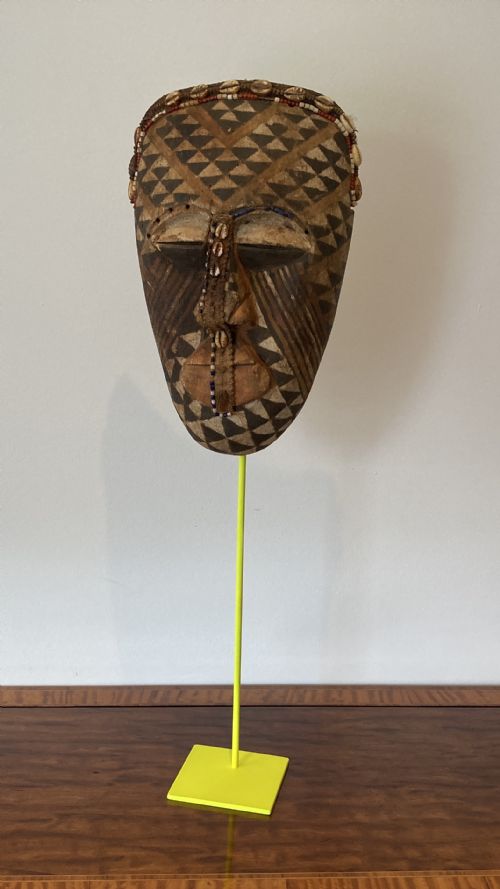
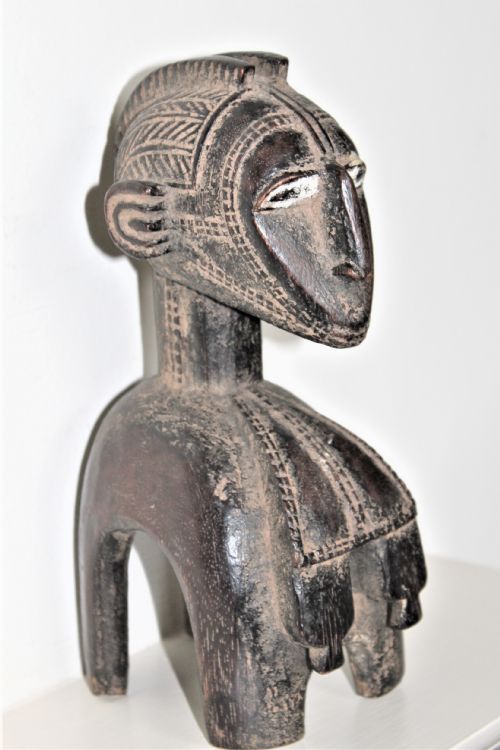
When you search for an african tribal mask, you encounter objects shaped by distinct regional traditions, ranging from the Baule and Gouro of the Ivory Coast to the Songye and Kuba of the Congo. These pieces appear as wall sculptures, face masks, dance masks, and larger shoulder masks, carrying specific cultural roles within their communities.
The versions most commonly met on this page span the nineteenth century through the early twentieth century, including Edwardian examples and pieces dated around nineteen hundred to nineteen thirty. Forms include helmet masks, portrait masks, reliquary guardians, and bronze busts originating from countries such as Gabon, Nigeria, Cameroon, and the Democratic Republic of Congo.
Makers and regional workshops produced these works for masquerades, dances, and ceremonies, utilising traditional iconography particular to each ethnicity. The survival of these objects preserves the visual language of African tribal art, connecting contemporary interiors with historical ethnographic traditions.

Materials and Construction
Metalworking techniques appear in bronze pieces cast through traditional methods, resulting in substantial busts and masks. Organic elements such as natural fibre and applied pigments complete the construction of dance and shoulder masks.
African Tribal Mask Retail Price Guide 2026
Typical asking prices for african tribal mask among the pieces listed under this phrase on Sellingantiques today, from the lower quarter to the upper quarter. They describe what is for sale here now, not the wider market.
Listings feature carved wood, bronze, kaolin pigment, and natural fibres across periods spanning the nineteenth century to nineteen thirty.
Evaluating Quality and Presence
The strength of a carving depends upon the crispness of the tool marks, the symmetry of the facial planes, and the depth of the sculptural relief. Superior examples maintain an authentic surface condition that reflects prolonged handling and ritual use over generations.
Proportion and balance distinguish masterworks from simpler village pieces, while the survival of original pigments and organic attachments adds significantly to the historical integrity of the object.
Ligbi People·Baule·Gouro·Mahongwe·Songye·Kuba·Punu·Yoruba·Bamum·Baga·Chokwe·Ibibio Tribe
The African Tribal Mask Glossary
- Patina
- The surface sheen and coloration developed through handling, age, and exposure to ritual environments. This quality indicates the length of time an object has existed outside of modern production.
- Kaolin
- A fine white clay used traditionally as a pigment to decorate the surfaces of masks. It frequently survives in the recessed carved areas of nineteenth-century pieces.
- Mask
- A carved or cast object worn on the face, head, or shoulders during ceremonies and dances. In this context, it serves both a performative function and a sculptural purpose.
- Reliquary
- A container or guardian figure designed to hold ancestral relics. Mahongwe figures exemplify this form with geometric metalwork over a carved wood core.
- Masquerade
- A ceremonial performance involving masks, music, and costume. These events form the primary cultural context for the creation and use of tribal masks.
African Tribal Mask: Frequently Asked Questions
How were these masks used?
These masks functioned primarily within community ceremonies, agricultural rituals, and masquerades rather than as static decor. Dancers wore them to embody ancestral spirits, forest deities, or idealized community portraits during significant cultural events.
Over time, many pieces transitioned from active ceremonial use into trade and collection, preserving the craftsmanship of specific regions while adapting to new contexts outside their original communities.
How do I identify the region of origin?
Regional attribution relies on distinct stylistic markers, such as the scarification patterns on Baule faces, the angular geometry of Songye Kifwebe masks, or the white-faced aesthetic of Punu examples. Carving techniques and structural forms also point directly to specific groups like the Yoruba or the Chokwe.
Materials provide additional clues, as certain groups favoured specific hardwoods, metal casting, or the inclusion of particular fibre attachments and kaolin pigments native to their local environment.
What is a shoulder mask?
A shoulder mask is a large sculptural form designed to rest directly upon the wearer's shoulders rather than over the face. Baga Nimba masks represent a prominent example of this architectural style, towering above the performer during fertility and harvest ceremonies.
Because of their substantial size and weight, these pieces required immense physical strength to perform, making them some of the most commanding sculptural works produced in West Africa.
How should I display a tribal mask at home?
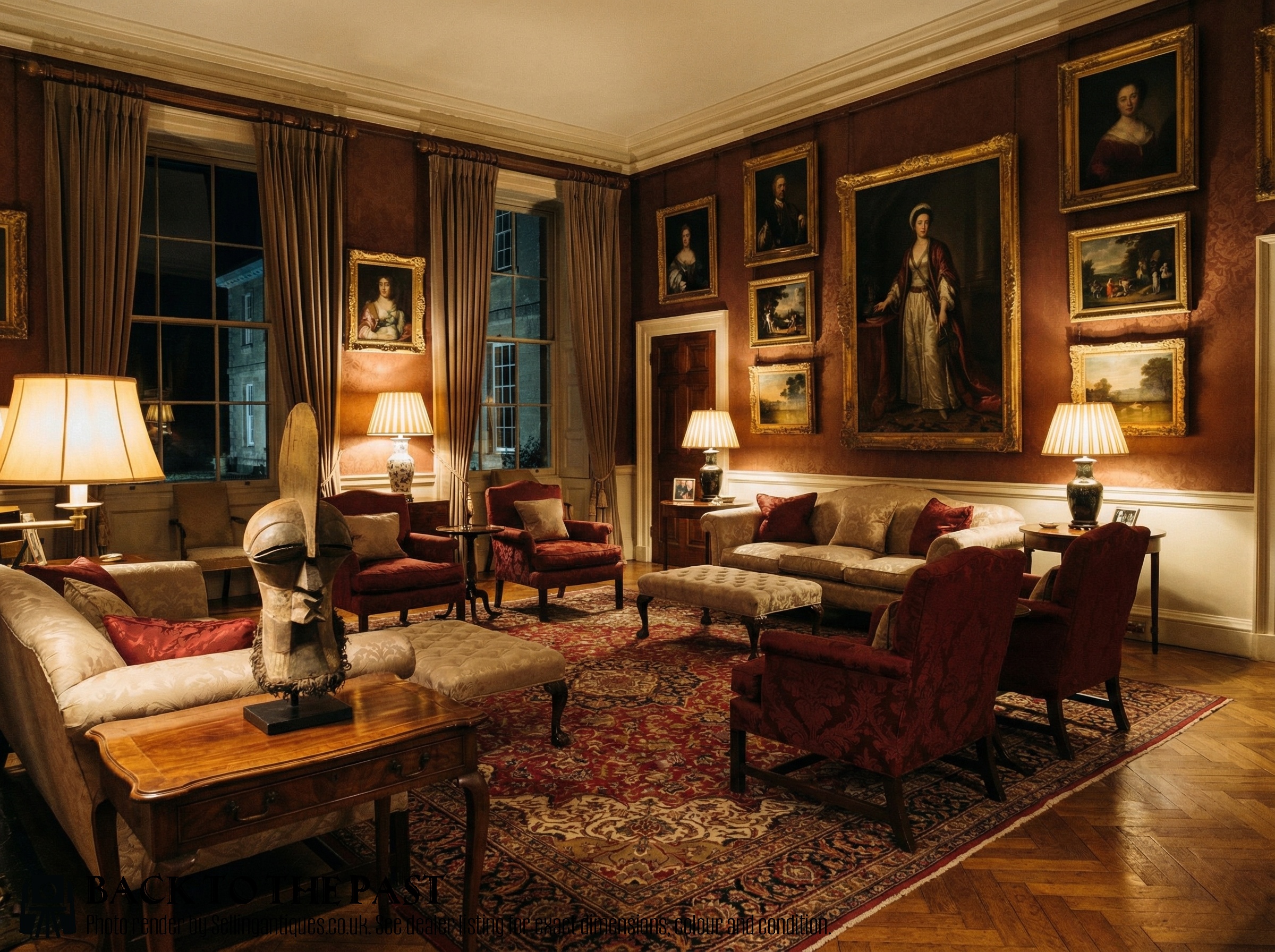
Displaying a mask effectively involves mounting it securely on a custom metal stand or hanging it firmly against a neutral wall. Placing the object at eye level allows the sculptural depth and facial geometry to be appreciated from standard viewing angles.
Environmental stability is essential for preservation, so keep masks away from direct sunlight, heating vents, and excessive humidity to protect the dry wood, pigments, and natural fibres.