

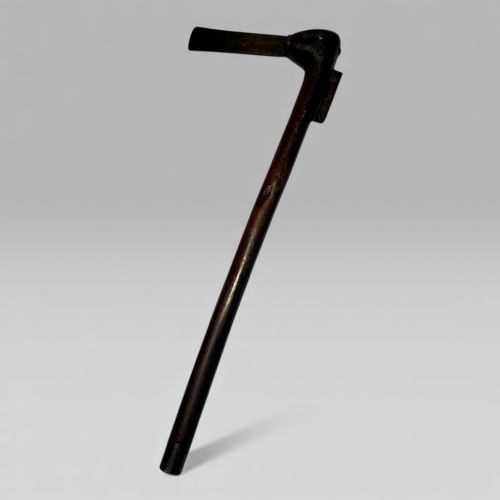


Antique African Wood Carving
An antique african wood carving brings ritual purpose and vernacular skill into a room through dense timber and patinated surfaces.

Antique African Wood Carving
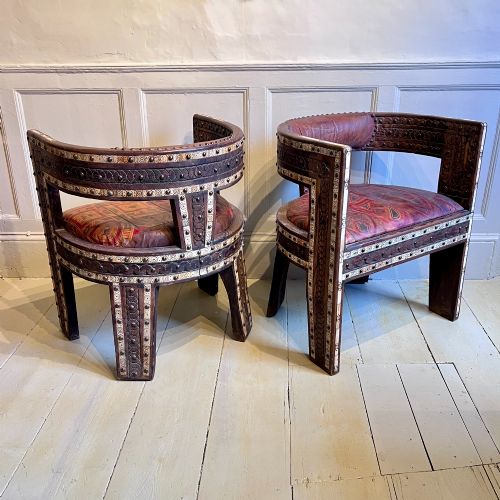
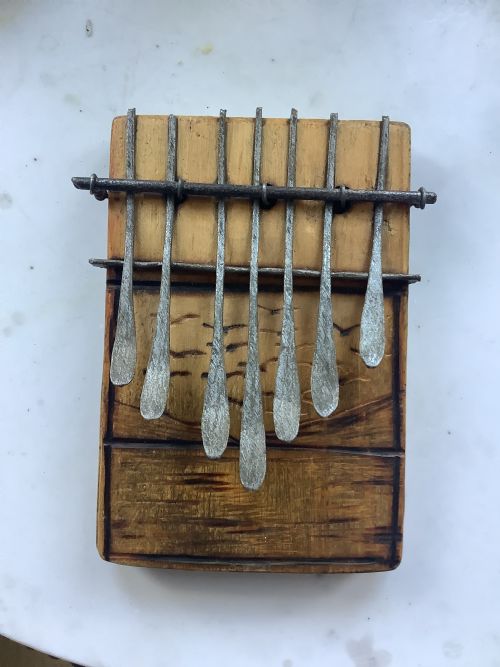
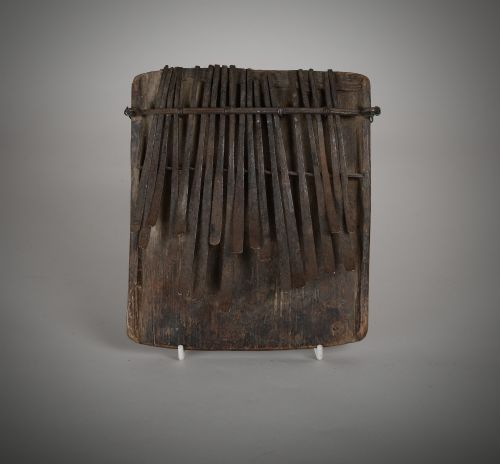
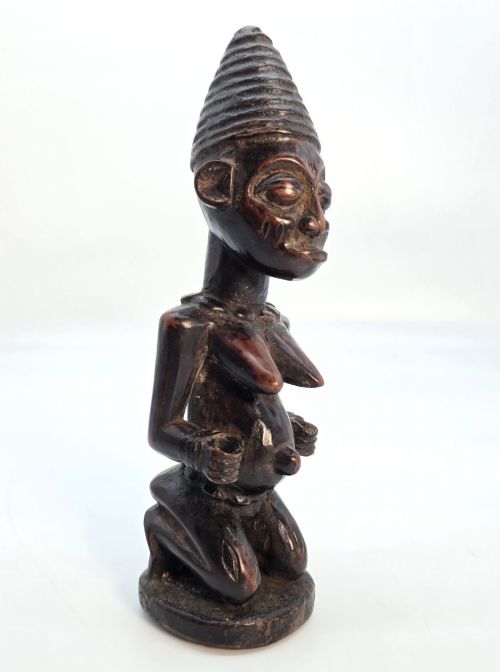
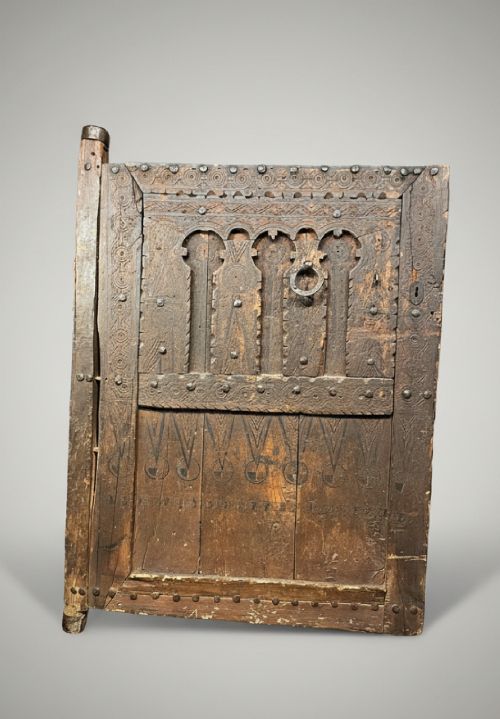
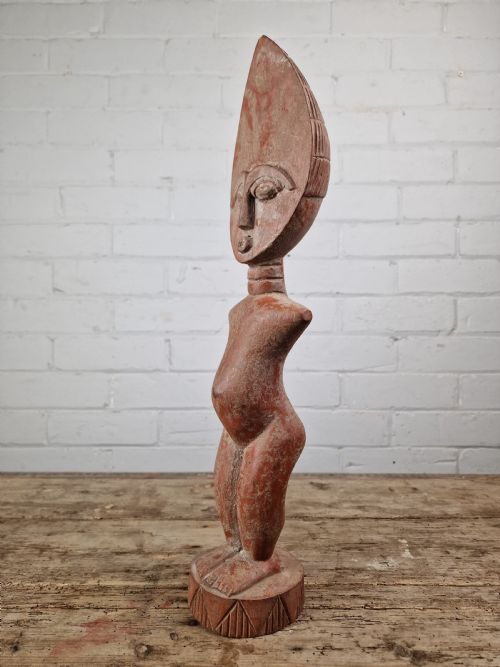
When you search for an antique african wood carving, you encounter diverse items ranging from tribal masks and fertility figures to utilitarian objects like headrests, combs, and ceremonial axes. The pieces span regional traditions including Yoruba, Zulu, Songye, and Punu cultures, reflecting specific ceremonial or domestic functions.
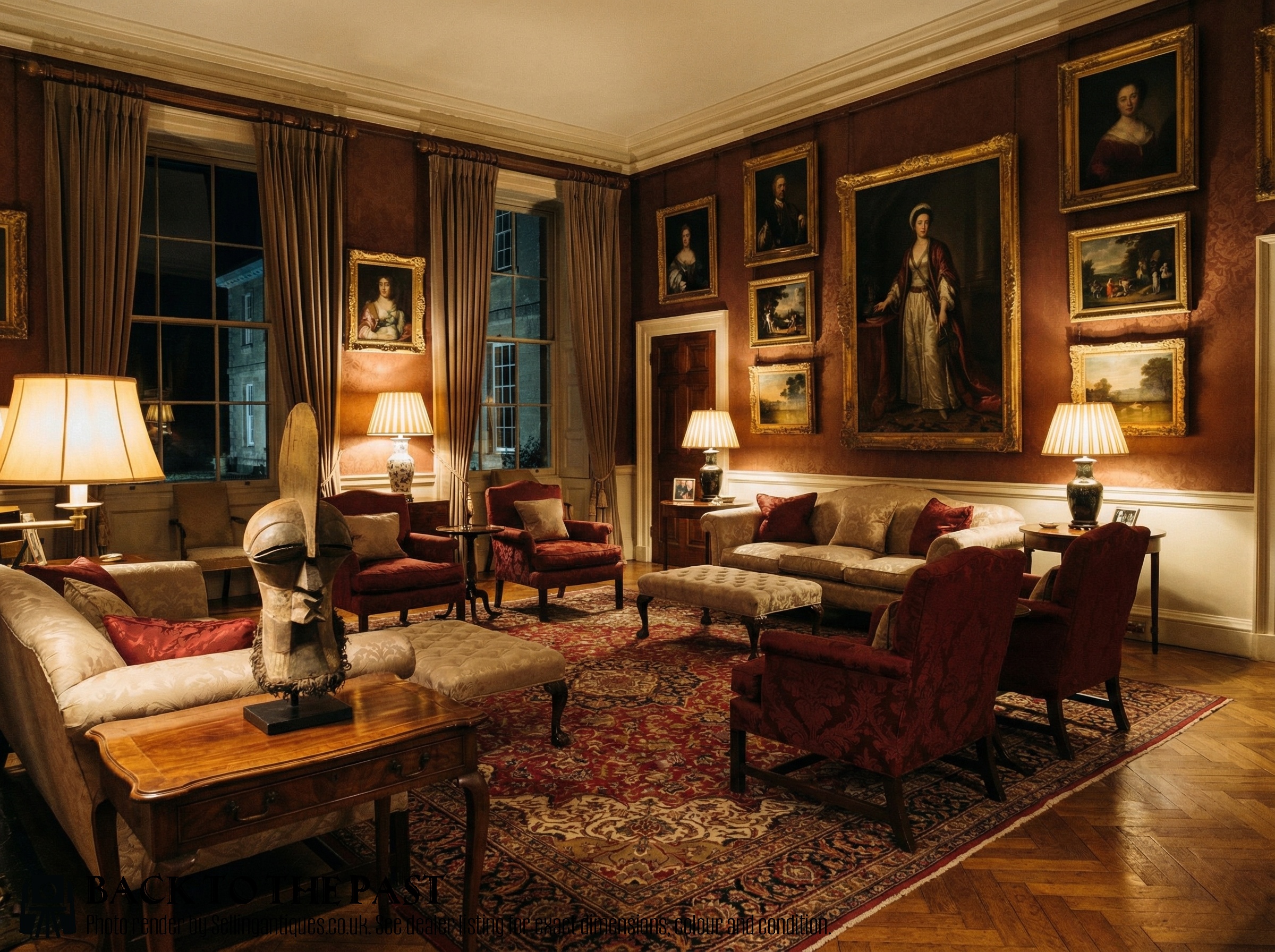
Materials and construction
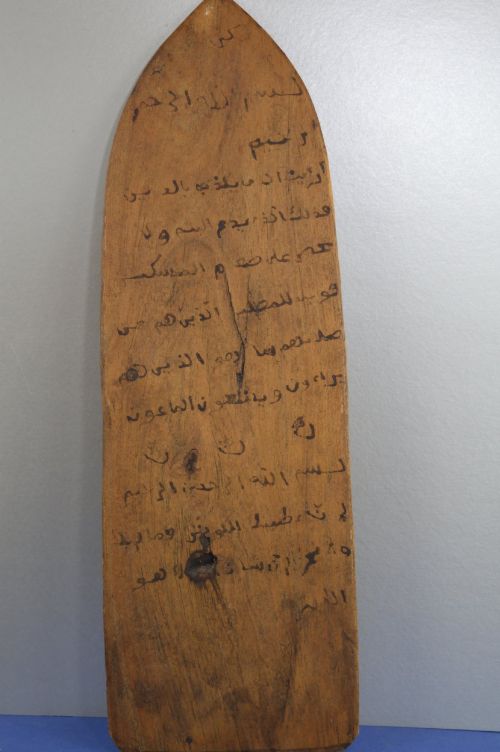
The working of the wood relies on direct subtractive carving from single blocks or assembled planks, often finished with natural oils, handling wear, and age-induced patination. Details like Islamic script on prayer boards or mosaic tops on tables demonstrate the varied craft traditions across North and West Africa.
Antique African Wood Carving Retail Price Guide 2026
Typical asking prices for african wood carving among the pieces listed under this phrase on Sellingantiques today, from the lower quarter to the upper quarter. They describe what is for sale here now, not the wider market.
A warthog mask from the Ivory Coast stands ready to chase away the dullness of any ordinary hallway wall.
Judging quality and execution
Quality rests upon the confidence of the carving, the expression and proportion of the form, and the depth of the surface patina earned through actual use and handling. A superior sculpture or mask displays rhythm in its lines and a coherent balance that reflects the master carver's hand rather than hurried commercial production.
The integrity of the timber and the survival of original pigment or applied elements further separate standard items from exceptional examples. Pieces that retain their native surface character without aggressive cleaning or modern restoration hold greater sculptural presence.
Abegunde of Ede
The Antique African Wood Carving Glossary
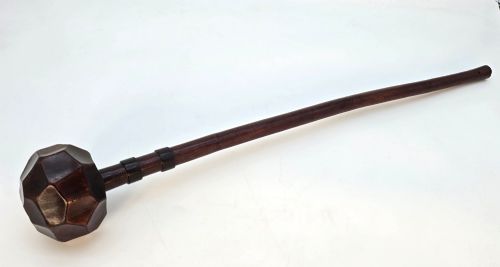
- Knobkerrie
- A traditional Southern African wooden club featuring a heavy knob at the end of a stout shaft, utilised for both hunting and combat.
- Reliquary guardian
- A carved wooden figure or head placed atop a container holding ancestral relics, serving to protect the sacred contents.
- Ibeji
- A carved wooden figure commissioned among the Yoruba people to represent a deceased twin, embodying the spirit of the child.
- Prayer board
- A wooden board inscribed with Islamic script, used in parts of West Africa for Koranic studies and ritual washing of the ink.
- Patina
- The surface sheen and darkening developed on wood and other materials through decades of handling, exposure, and natural ageing.
Antique African Wood Carving: Frequently Asked Questions
How do I identify a tribal mask?
Look for specific regional stylistic conventions, such as the scarification marks, eye shapes, and proportions characteristic of groups like the Punu or Songye peoples. Genuine age shows in the interior surface where the wearer's face or sweat made contact with the wood.
Examine the back and edges for tool marks left by traditional adzes and chisels rather than modern rotary power tools. The presence of accumulated dirt, old wax, or worn pigment adds further weight to traditional authenticity.
What wood was used for these carvings?
Carvers selected dense tropical hardwoods and indigenous timber capable of holding fine details while withstanding local climates. These heavy woods provide the substantial weight typical of authentic tribal sculpture.
Secondary materials like bone or iron occasionally appear as inlays or functional components, particularly on items like pipes or ceremonial axes.
How should I care for wooden carvings?
Keep wooden pieces away from direct sunlight and sudden humidity changes to prevent splitting or warping of the dry timber. Dust them gently with a soft, dry cloth without applying modern furniture polishes that can damage historic patinas.
Allow the wood to breathe and maintain its natural dryness, as excessive oils can darken the surface and obscure the original tool work.
Are these objects purely decorative?
Most pieces served active roles within their communities, functioning as ritual masks, ceremonial weapons, utilitarian headrests, or architectural elements before entering collections. Their aesthetic power stems directly from this purposeful creation rather than passive display.
Living with them involves appreciating both their sculptural presence and the cultural context of their manufacture.