


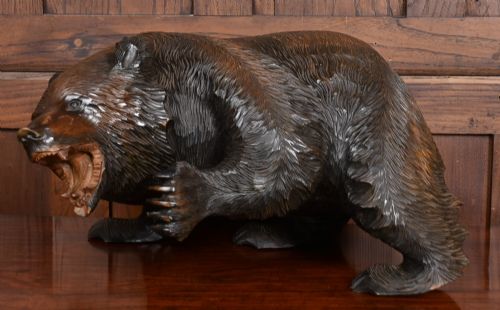
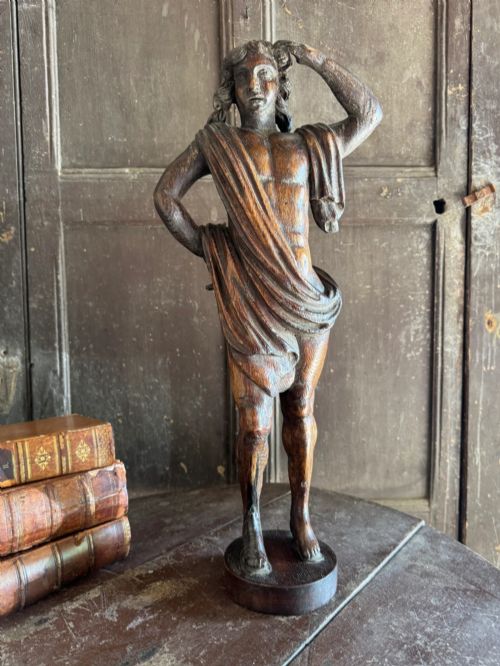
Dark Timber Carved Figure
These pieces of dark timber carved figure bring rich texture and sculptural depth to an interior.

Dark Timber Carved Figure
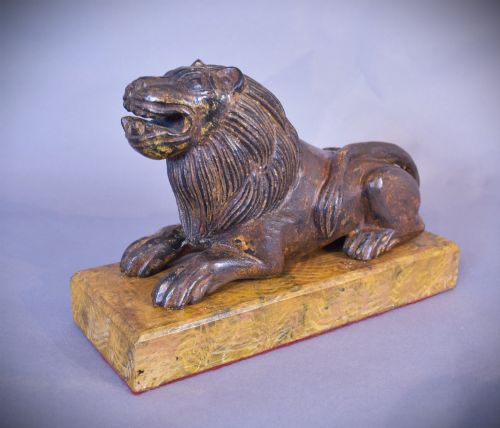
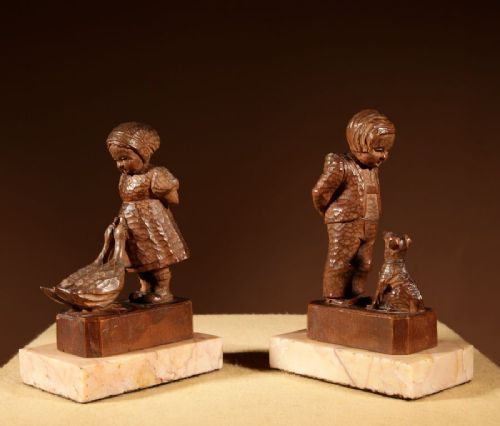
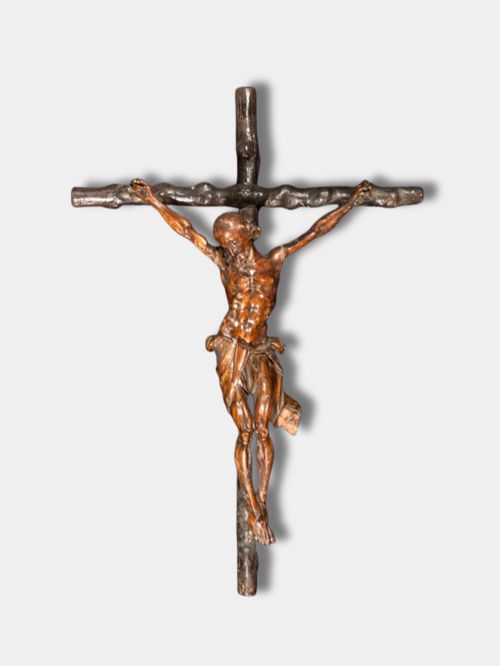
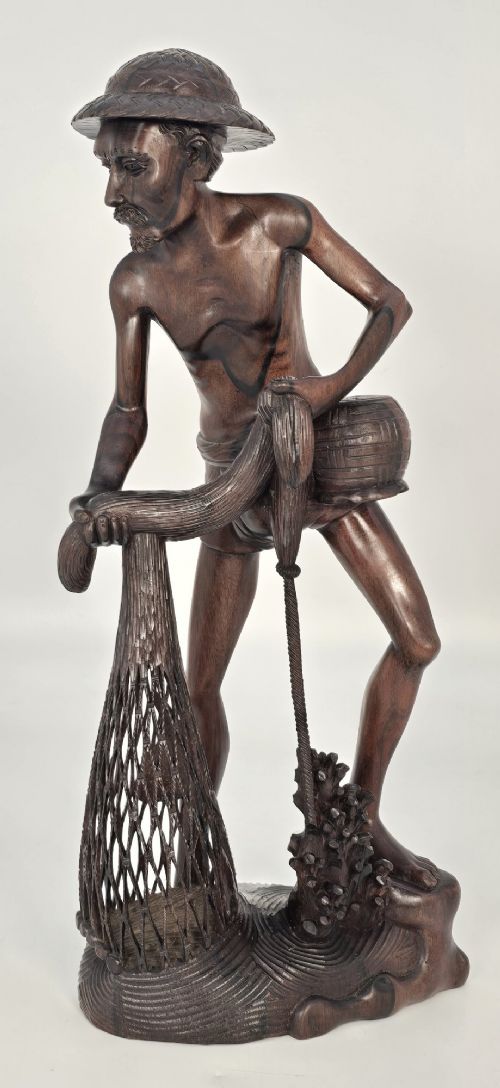
A dark timber carved figure encompasses a broad range of sculptural objects shaped from dense woods across multiple centuries. Buyers searching this phrase encounter subjects ranging from European saints and classical deities to folk art animals and detailed human studies.
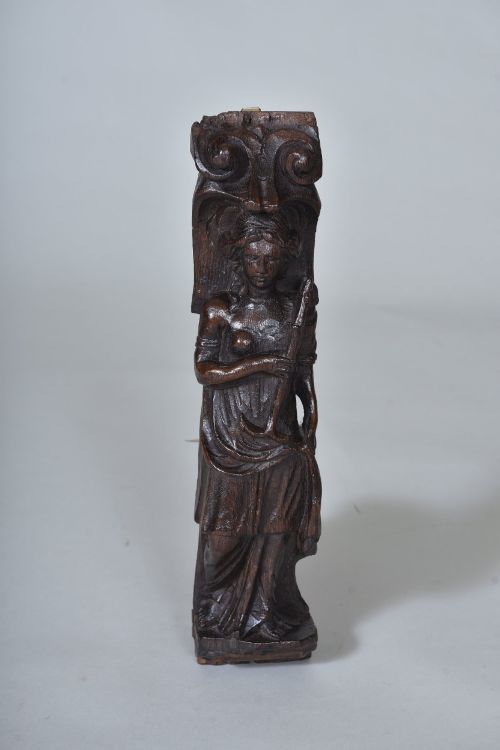
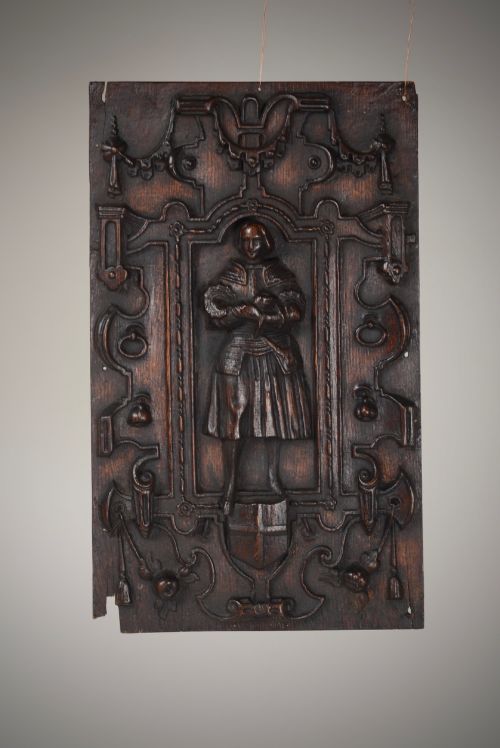
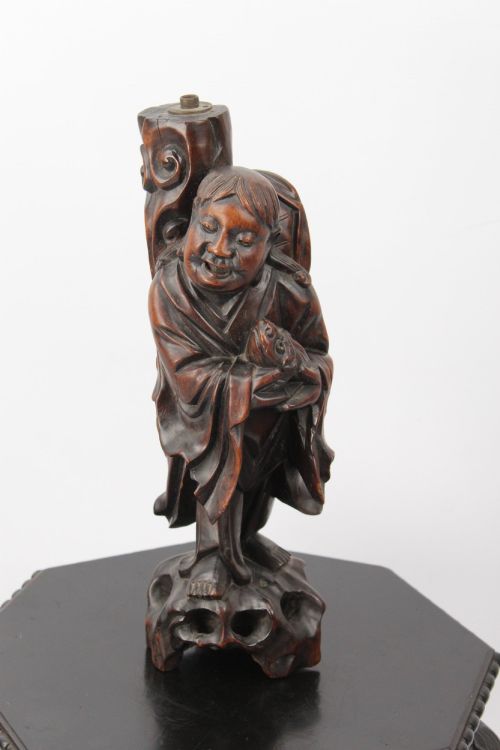
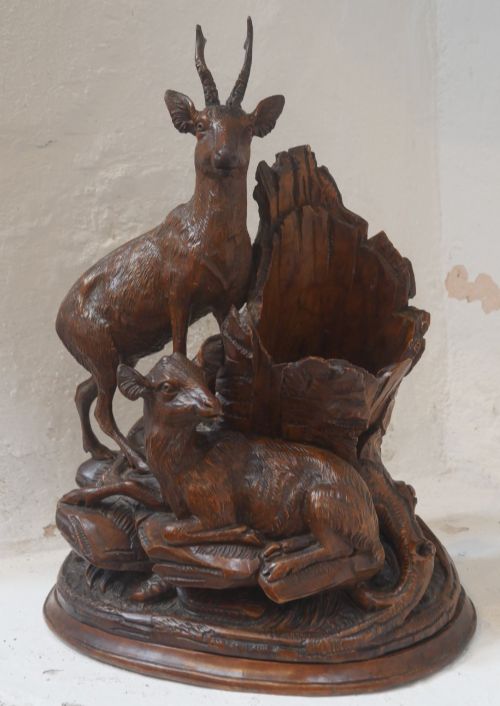
The selections span distinct regional traditions, including Black Forest carvings, Asian hardwood figures, and early European oak panels. Figures appear as freestanding sculptures, bookends, stands, and architectural elements like caryatids.
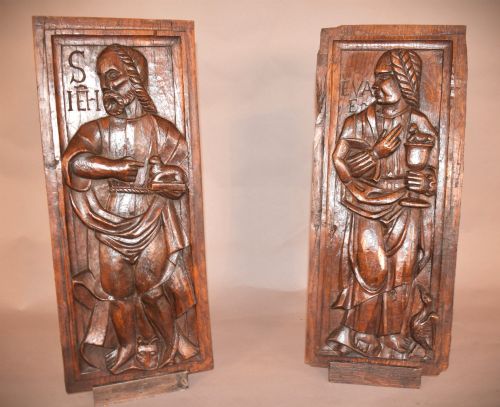
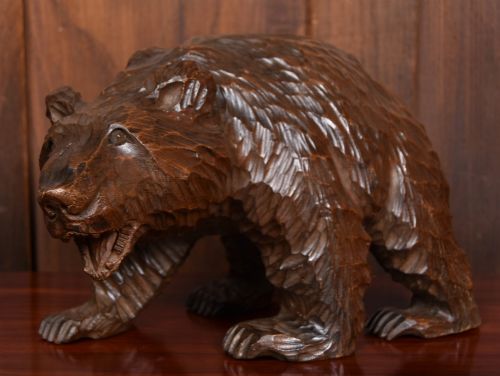
Nineteenth-century animal studies and devotional subjects from the seventeenth century dominate the available forms. Each piece reflects the specific carving conventions and material preferences of its origin.
Materials and Technique
Carvers utilised dense woods such as oak, walnut, hardwood, limewood, and yew burr to achieve durable and detailed forms. These timbers allowed artisans to execute fine facial expressions, deep drapery folds, and textured surfaces like fur and feathers.
Hand tools including gouges and chisels shaped the timber directly from solid blocks or panels. Artisans left tool marks visible in folk art examples, while formal workshop pieces received smoother finishes.
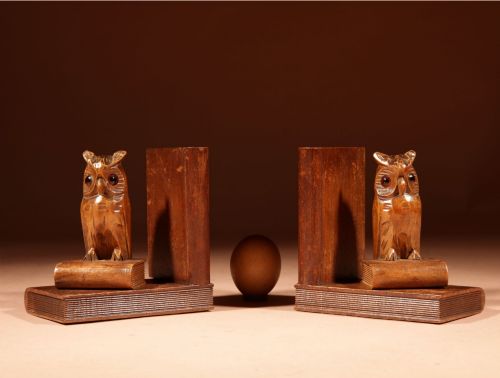
Several grumpy-looking carved owls double as bookends, keeping your library upright with severe expressions.
Assessing Quality
Quality rests upon the anatomy, proportion, and vitality of the carving rather than the mere age of the timber. Superior works display a confident handling of musculature, drapery, and expression that brings the subject to life.
The depth of relief and the crispness of the hand-chiselled details separate workshop masterworks from simpler utilitarian items. Conservation of the original dark wood surface without excessive over-finishing preserves the integrity of the piece.
Valentino Besarel
The Dark Timber Carved Figure Glossary
- Caryatid
- A sculpted female figure serving as an architectural support column. These architectural elements often appear as structural pedestals or wall figures.
- Black Forest
- A style of wood carving originating from the Brienz region of Switzerland and the Black Forest region of Germany. Sculptures in this tradition frequently depict bears, owls, and forest animals.
- Lay figure
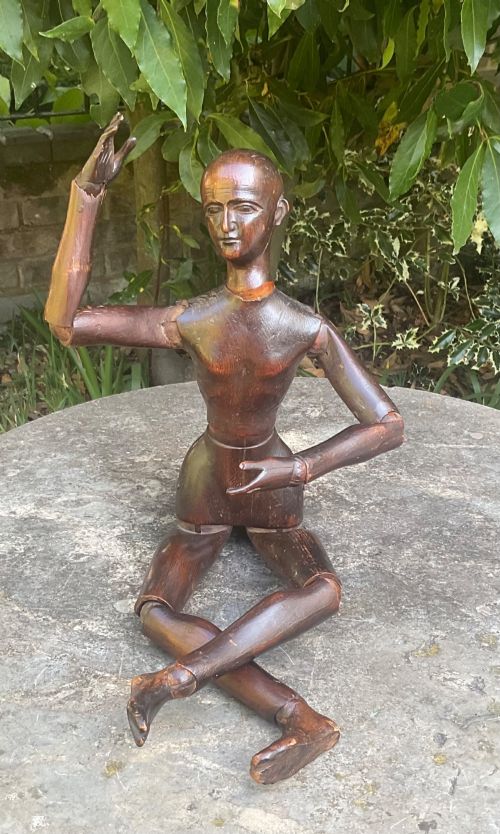
- An articulated wooden mannequin used by artists to study human anatomy and drapery. These jointed figures range from European studio pieces to non-European examples.
- Limewood
- A pale timber traditionally favored by European carvers for its fine grain and lack of prominent growth rings. It permits intricate undercutting without splintering.
Dark Timber Carved Figure: Frequently Asked Questions
What is a dark timber carved figure?
It is a sculptural object shaped from woods such as oak, walnut, and hardwood. Subjects include animals, human figures, saints, and architectural supports.
These pieces originate from various global traditions spanning multiple centuries, reflecting distinct regional styles and carving techniques.
How were these figures used originally?
Many served as devotional items, architectural supports, or decorative ornaments in domestic interiors. Some functioned as artist studio models for studying form.
Others were created purely as decorative sculptures, bookends, or stands for display within homes and public spaces.
How do I care for carved wood?
Keep wooden sculptures away from direct heat sources and strong sunlight to prevent the timber from drying and splitting. Dust gently with a dry, soft cloth.
Avoid using liquid polishes or modern chemical cleaners, which can build up on the carved surface and obscure the grain.
How can I tell centuries apart?
Earlier pieces from the sixteenth and seventeenth centuries typically employ heavy oak and feature religious or architectural motifs. Nineteenth-century works often show greater naturalism, particularly in animal and human studies.
Tool marks, timber species, and specific regional carving conventions provide further clues to the date of execution.