
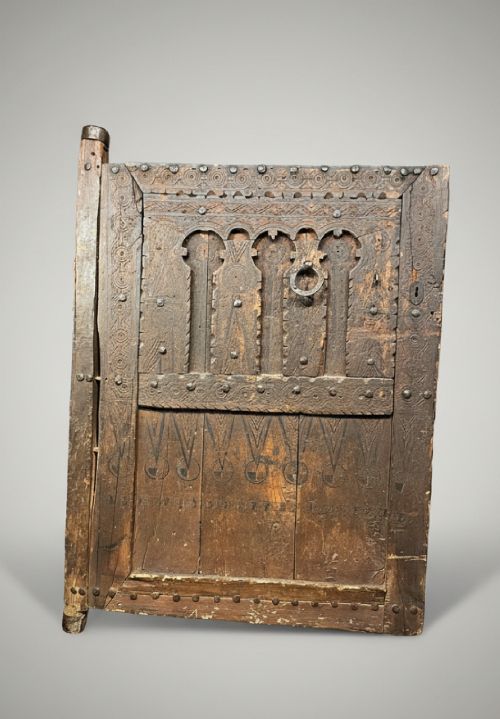




Vintage African Wooden Carving
A vintage african wooden carving brings tangible tribal heritage into a room, offering striking sculptural forms and rich cultural history.
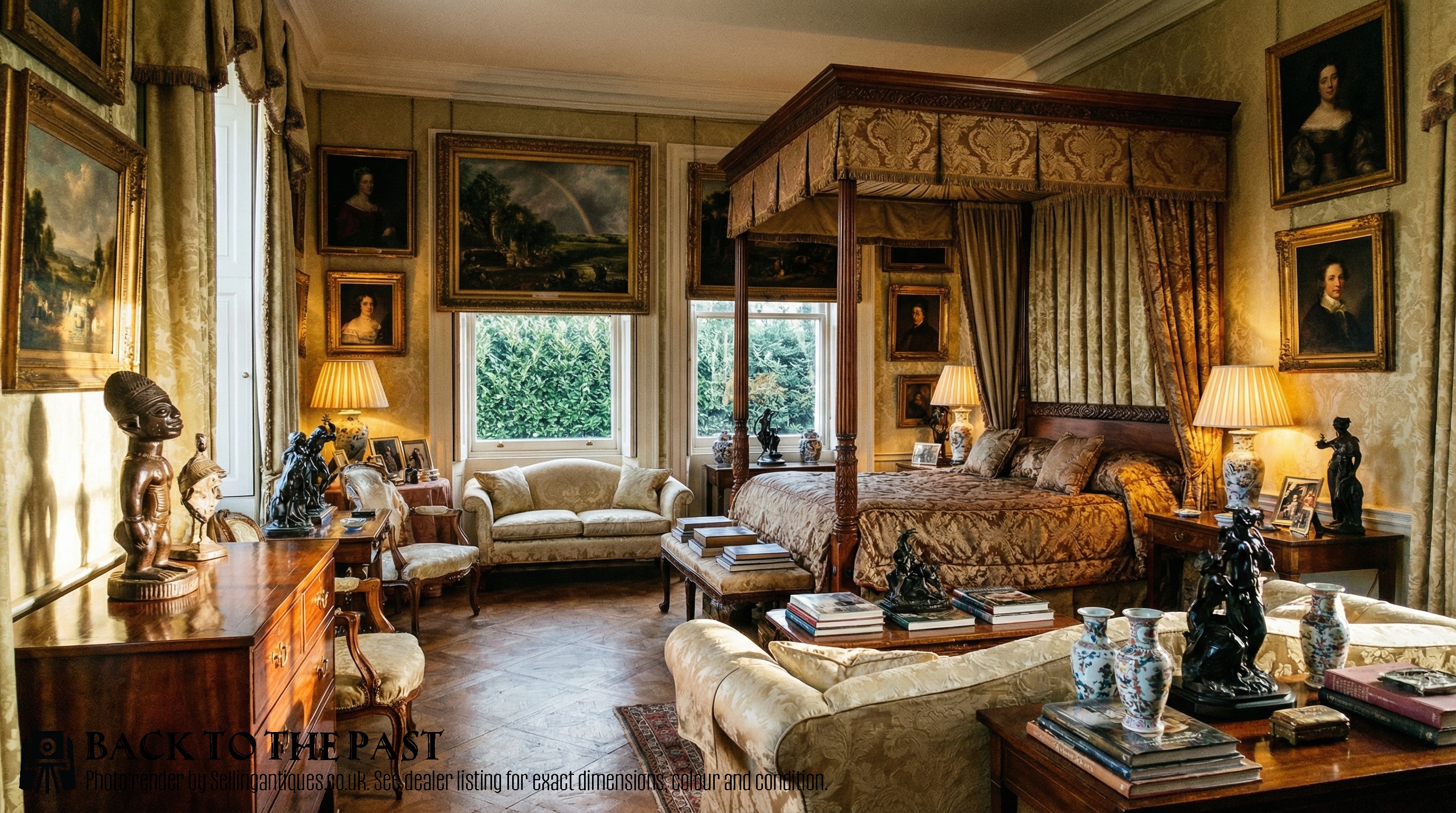
Vintage African Wooden Carving
A vintage african wooden carving encompasses a diverse selection of sculptural forms, utility objects, and ritual items originating from various regions across the continent. Buyers searching this phrase typically encounter functional furniture, masks, figures, and implements produced from the nineteenth century through the early decades of the twentieth century.
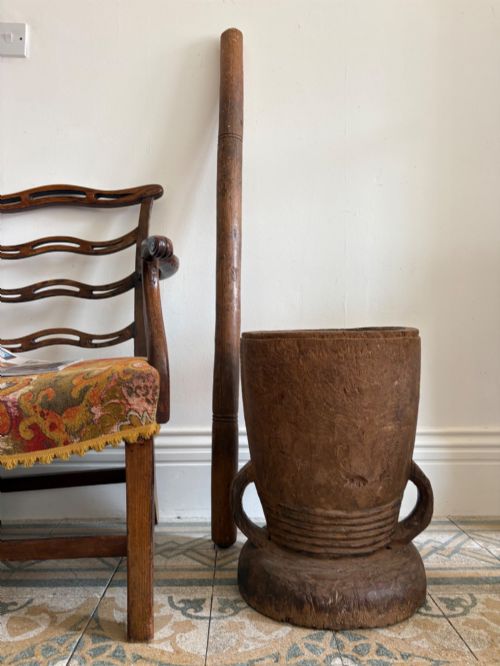
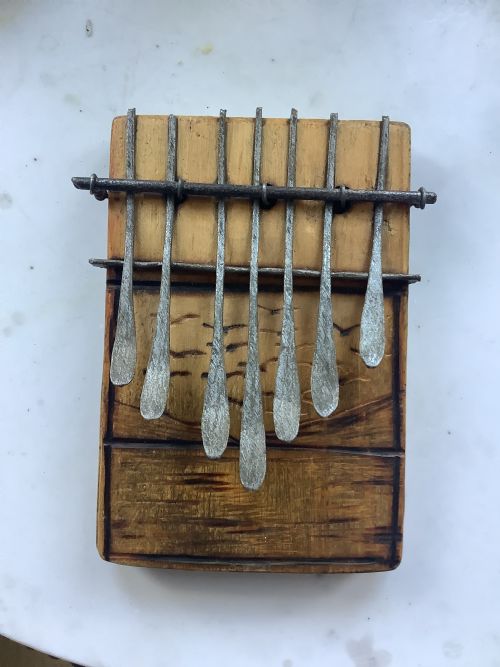
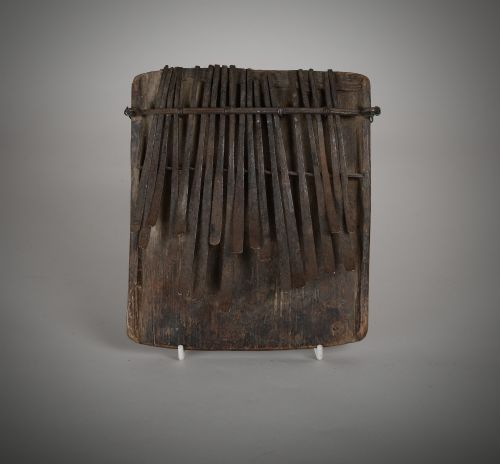
The selection ranges from utilitarian items such as grain mortars, stools, and side tables to ceremonial objects including masks, fertility figures, and musical instruments. Regional styles such as Zulu, Edo, Baule, and Ashanti dictate the distinct silhouettes and carving traditions present in these works.
How they were made
Artisans utilised dense hardwoods, fruitwood, and timber, shaping the material with hand tools to produce durable sculptures and furniture. Many objects integrate secondary elements such as iron, brass, bone, and mineral pigments to enhance surface detail and structural integrity.
Surface finishes vary from natural weathered timber to accumulated layers of pigment and handling marks that reflect decades of ritual or domestic use.
Listings feature traditional items from the nineteenth and early twentieth centuries, including hardwood figures, ritual masks, and utilitarian stools.
What varies in quality
Quality rests upon the confidence of the carving, the balance of the form, and the authenticity of the wear. Stronger pieces display deliberate tool marks and harmonious proportions that reflect master execution rather than mass production.
The integrity of the surface skin, often described as patina, distinguishes superior examples. Natural handling and age create a tactile depth that lesser or heavily restored pieces lack.
The Vintage African Wooden Carving Glossary
- Patina
- The surface sheen and texture developed through years of handling, exposure, and age. This gradual transformation aids in confirming the authenticity of older wooden objects.
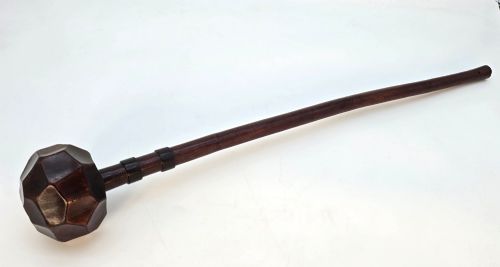
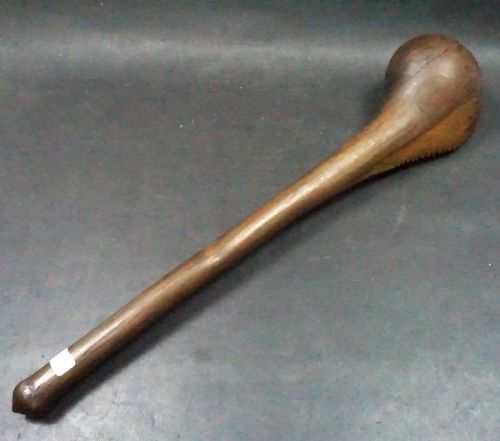
- Knobkerrie
- A traditional southern African club featuring a heavy ball or knob at the end of a wooden shaft. These were utilised for hunting, protection, and ceremonial display.
- Hardwood
- Dense timber derived from broad-leaved trees, frequently selected for African carving due to its durability and resistance to splitting.
- Ibeji
- A small wooden figure carved by the Yoruba people to represent a deceased twin. These sculptures are traditionally cared for and dressed by family members.
Vintage African Wooden Carving: Frequently Asked Questions
How do I care for a wooden tribal carving?
Keep wooden pieces away from direct sunlight and sudden temperature shifts to prevent the timber from drying out or cracking.
Dust the surface gently with a dry, soft cloth, avoiding commercial polishes that can damage the historical finish.
Were these items made for daily use or ritual?
The selection includes both utilitarian objects, such as stools, headrests, and spoons, alongside sacred items like masks and figures created for specific cultural ceremonies.
Many pieces bridge domestic utility and spiritual significance within their communities of origin.
How can I tell the regional origin of a carving?
Regional identity is typically indicated by distinct carving styles, specific geometric motifs, and the choice of local timber.
Consulting documented tribal traditions helps attribute pieces to groups such as the Zulu, Baule, or Ashanti.
What does a good patina look like?
A genuine patina presents a soft, deep lustre formed by years of touch, smoke, and natural oils.
It should feel integrated into the wood grain rather than applied as a glossy surface coating.