



African Tribal Wood Sculpture
African tribal wood sculpture brings together carved figures, masks and functional objects carrying deep cultural heritage from across the continent.
African Tribal Wood Sculpture
The objects mirror distinct artistic traditions tied to specific territories, including Nigeria, Ivory Coast, Gabon, Mali and Congo. You find both standing figural sculptures and intricate headrests, combs and architectural panels that demonstrate both utility and symbolic weight. The materials and forms vary according to the local traditions of the carvers, resulting in a rich array of stylistic expressions.
Materials and Techniques
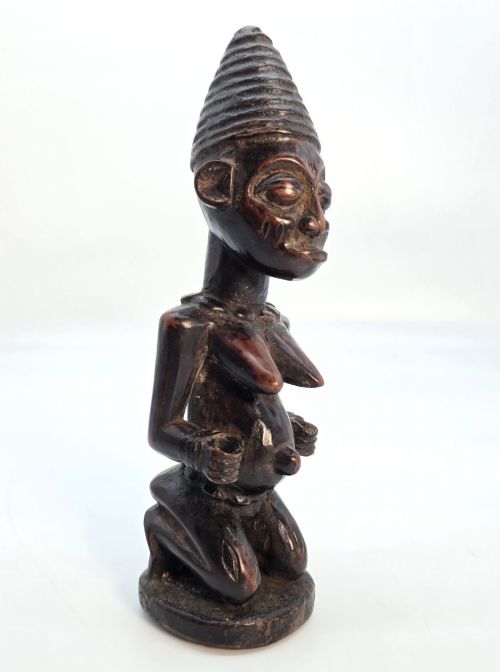
The application of natural pigments and the accumulation of handling over decades produce a distinct surface sheen, known as patina. Artisans worked within established stylistic canons dictated by their communities, passing down carving techniques through generations while allowing individual master carvers to imbue their work with distinct character.
The inventory includes items from the Yoruba, Dogon, Baule, Fang, and Mahongwe peoples among other cultural groups.
Evaluating Quality
Quality rests primarily on the strength of the carving, the expressiveness of the form and the integrity of the surface patina. Pieces executed by skilled hands display confident lines and balanced proportions that reflect the aesthetic standards of the originating culture.
Master carver Abegunde of Ede
The African Tribal Wood Sculpture Glossary
- Patina
- The surface sheen and coloration developed through handling, exposure to smoke, and application of oils over many decades. A rich patina often indicates authentic ritual use rather than recent manufacture.
- Reliquary
- A container or guardian figure designed to hold the relics of honoured ancestors. Mahongwe and Fang examples serve this protective purpose above ancestral bones.
- Scarification
- Raised patterns or cuts on the skin represented in sculpture to denote tribal identity, status, or beauty. These carved markings help specialists identify the originating people.
- Ibeji
- A wooden figure carved by the Yoruba people to represent a deceased twin. These figures receive ritual care and dressing from the mother.
African Tribal Wood Sculpture: Frequently Asked Questions
How do I identify different tribal styles?
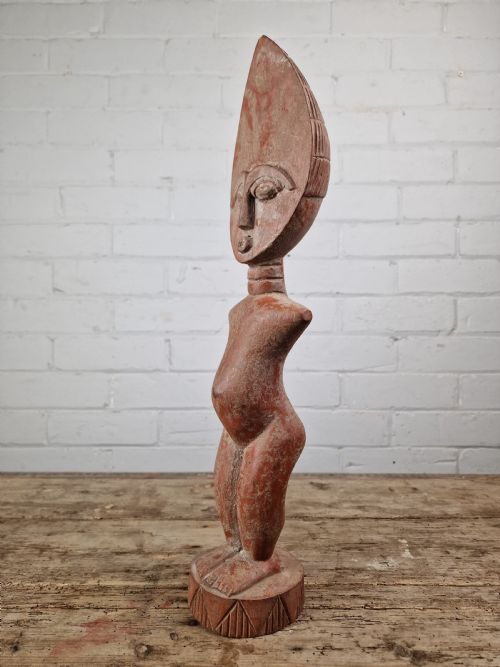
Tribal styles reveal themselves through distinct facial proportions, treatment of eyes and hair, and specific body forms associated with particular regions and peoples like the Baule or Dogon.
Studying the recurring motifs of a specific culture helps connect a carving to its geographical and ethnic origin.
What is the purpose of a reliquary guardian?
Reliquary guardians were placed upon containers holding ancestral remains to protect the sacred contents from malevolent forces. Figures from Gabon and surrounding areas performed this spiritual duty.
These pieces combine fierce or contemplative expressions with powerful sculptural forms designed to command respect.
Why do some sculptures have pigment on them?
Pigments were applied during ceremonies to enhance the spiritual power or visual impact of masks and figures. Traces of white kaolin, red camwood or black substances often remain embedded in the wood grain.
Such residue provides evidence of the object's active role in community rituals.
How should I display wood sculpture at home?
Wood sculptures require stable indoor humidity away from direct sunlight and heat sources to prevent the material from splitting. Mounting pieces securely on custom stands ensures stability without damaging the antique wood.
Allowing sufficient space around each object highlights its three-dimensional form and tribal character.