




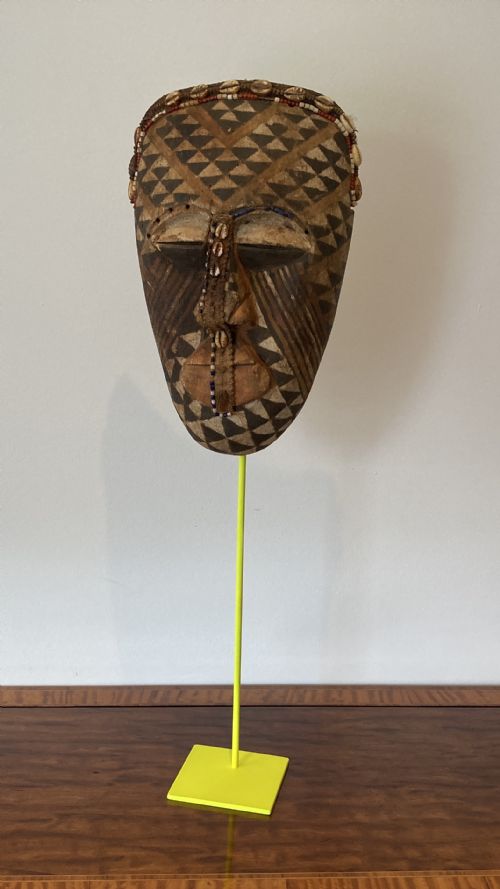

Traditional African Art
Traditional african art brings together wood figures, bronze statues, and tribal weaponry shaped by maker traditions across the continent.

Traditional African Art
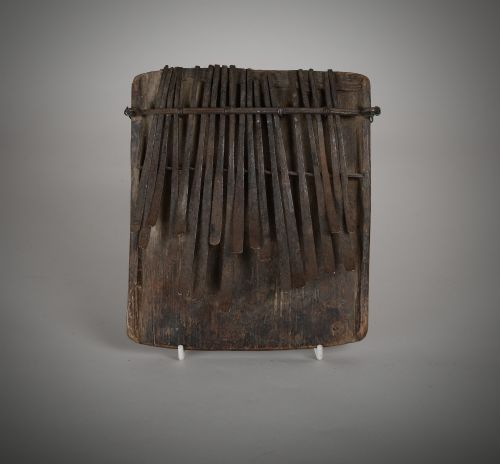
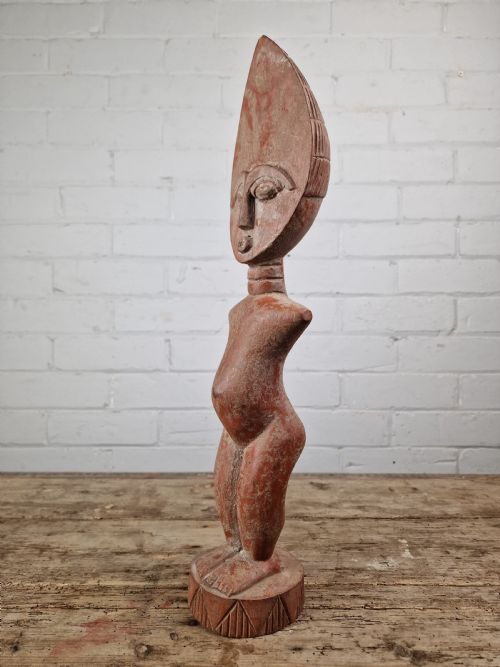
Traditional african art encompasses a diverse range of objects, from carved wood figures and ceremonial masks to bronze warrior statues and utilitarian items. When exploring traditional african art, buyers encounter varied forms including headrests, fertility figures, architectural panels, and musical instruments.
The material record spans centuries from the nineteenth century through the Edwardian era and into the mid-twentieth century. Pieces originate from distinct regions and peoples, such as the Yoruba, Ashanti, Benin, Zulu, and Kuba cultures.
Most examples function as functional or ritual items rather than purely decorative sculpture, reflecting the specific social and spiritual practices of their makers. The selection here balances utilitarian weaponry with figurative sculpture and dance masks.
Materials and construction methods
Wood serves as the primary medium, utilising carved hardwood alongside standard timber to shape figures, masks, spoons, and stools. Pigments and vegetable dyes frequently enhance surfaces, particularly on masks and shafts.
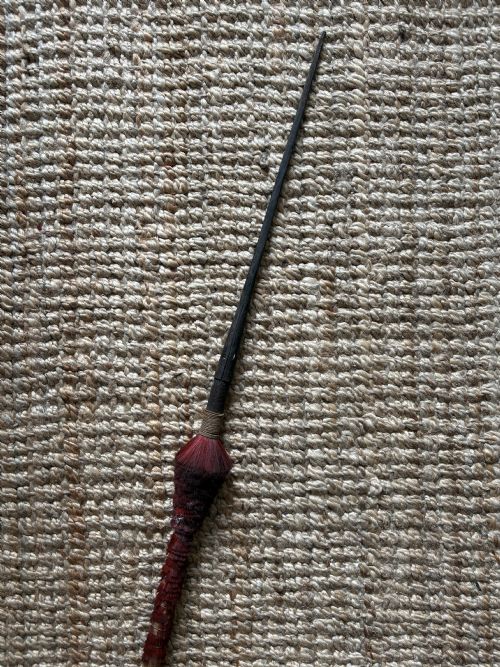
Metalworking traditions yield significant bronze and brass statues, notably warrior and horseman figures cast through traditional methods. Bone, iron, and ivory elements also appear in specific objects like pipes and spears.
Listings feature items from the nineteenth century, Edwardian period, and early decades of the twentieth century, constructed from wood, bronze, brass, iron, and bone.
Distinctions in craftsmanship
Quality rests upon the precision of the carving and the depth of cultural expression inherent in the form. Finely carved details on hardwood figures and masks demonstrate superior artisan skill compared to simpler utilitarian items.
The weight and scale of cast bronze statues, alongside the preservation of original pigments and patinas, separate standard objects from exceptional pieces. Surface wear consistent with authentic use and age further defines the standing of individual works.
The Traditional African Art Glossary
- Janus figure
- A sculptural representation featuring two faces looking in opposite directions. This motif frequently appears on ceremonial and ritual objects.
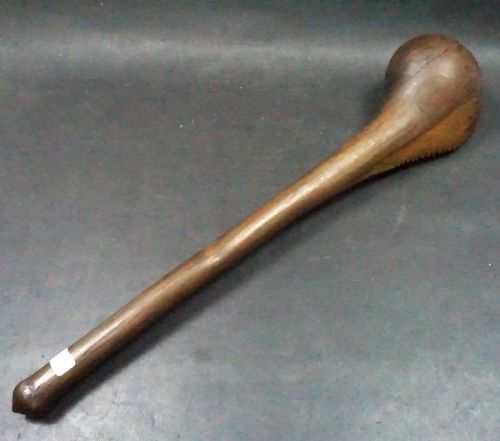
- Knobkerrie
- A traditional Southern African club featuring a heavy knob at the end of a wooden shaft. These served primarily as fighting or throwing weapons.
- Tribal mask
- A carved wooden face covering utilised in ritual dances and ceremonies. Many examples retain traces of original pigments.
- Bronze casting
- A metalworking technique used to produce substantial statues and figures. Benin examples demonstrate significant scale and weight in this medium.
Traditional African Art: Frequently Asked Questions
What materials are used in these pieces?
The pieces utilise carved wood, hardwood, bronze, brass, iron, and bone. Pigments and vegetable dyes often decorate the surfaces.
Specific items incorporate organic elements like hair or bristles alongside metal and timber.
How do I identify different tribal styles?
Tribal styles relate directly to the specific peoples and regions of origin, such as Yoruba, Ashanti, Benin, or Zulu. Form, carving technique, and regional motifs distinguish one culture from another.
Documentation often notes the specific geographic source or tribe associated with the object.
Were these objects made for ritual use?
Many objects functioned within ritual, ceremonial, or daily social contexts rather than as fine art for display. Fertility figures, dance masks, and ceremonial spoons held specific cultural purposes.
Utilitarian items like headrests and weapons also served practical roles within their societies.
How should I care for wooden tribal art?
Wooden sculptures, masks, and panels require stable indoor environments away from direct sunlight and extreme humidity changes. Maintaining consistent conditions preserves the integrity of the timber and any applied pigments.
Avoid harsh cleaning products and handle heavier bronze pieces with adequate support due to their weight.