





Vintage African Sculpture
Vintage african sculpture brings together carved wood, bronze figures and ceremonial masks spanning from the nineteenth century through the mid twentieth century.
Vintage African Sculpture
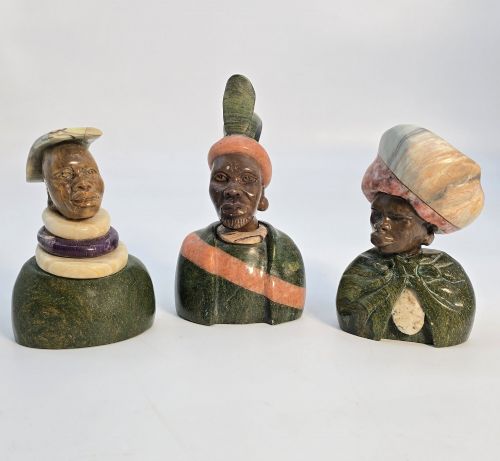
Vintage african sculpture encompasses a diverse array of traditional works including portrait busts, warrior statues, fertility figures, and ceremonial masks originating from various regions and peoples across the continent. When exploring vintage african sculpture, collectors encounter specific regional traditions such as Edo, Yoruba, Ashanti, Baule, and Gouro, each possessing distinct artistic conventions.
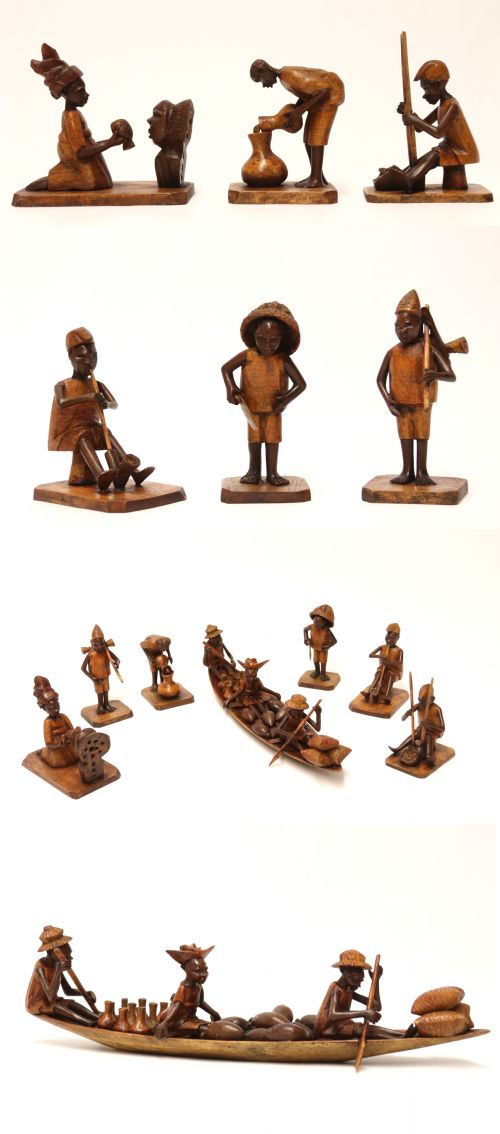
The objects take many forms beyond standalone figures, appearing as carved panels, wall sculptures, tribal staffs, and functional items like pipes, spoons, and combs executed with sculptural intent. Pieces dating from the late nineteenth century alongside those from the Edwardian era and the nineteen-thirties represent the core of what is found in this field.
Materials and construction methods
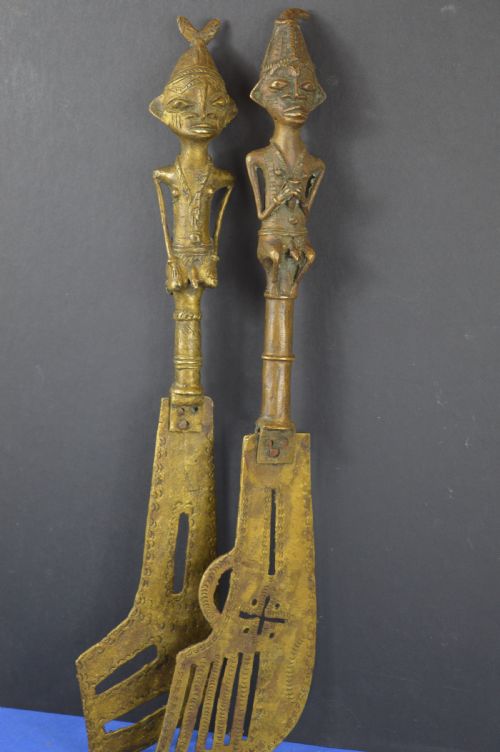
Makers utilised dense natural materials, predominantly working with hardwoods and heavy bronze cast through traditional methods, occasionally incorporating bone, brass, and applied pigments to enhance surface detail. Carved wooden pieces display the tool marks of hand chisels and knives, whilst cast bronze objects reveal the distinct textures associated with lost-wax casting traditions.
Surfaces frequently exhibit significant handling wear and natural patination developed through age, ritual use, or exposure to the elements, preserving the tactile qualities intended by the original creators.
Among the functional art pieces listed, a carved wooden camel saddle survives alongside intricate tribal slingshots and ceremonial spoons.
Judging execution and authenticity
Quality in these works rests upon the vigour of the carving, the anatomical confidence of the form, and the integrity of the surface patination rather than mere age or scale. Superior examples demonstrate a deep understanding of proportion and expressive economy, whereas lesser items tend towards stiff execution and uniform mechanical finishing.
The relationship between the material and the intended function dictates the success of the piece, whether it is a heavily worn ceremonial mask from the Ivory Coast or a cast bronze bust from Benin.
The Vintage African Sculpture Glossary
- Patina
- The surface sheen and colour acquired by wood, bronze, or bone through years of handling, ageing, and environmental exposure. A genuine patina provides vital evidence of a piece's history.
- Lost-wax casting
- A metalworking method in which a molten metal is poured into a mould that has been created by means of a wax model. This technique accounts for the substantial bronze sculptures found in the tradition.
- Tribal mask
- A carved wooden or mixed media face covering utilised in ceremonial dances and rituals. These objects often represent spirits, ancestors, or mythical beings.
- Fertility figure
- A sculpted human representation traditionally created to invoke blessings for childbearing and family prosperity. These are frequently carved from hardwood.
- Hardwood
- Dense timber sourced from broad-leaved deciduous trees, chosen by carvers for its durability and fine grain. It forms the foundation of most wooden figures and panels.
Vintage African Sculpture: Frequently Asked Questions
What materials were used in vintage african sculpture?
Carvers and metalworkers utilised hard woods, cast bronze, brass, bone, and applied pigments. These materials were sourced locally and selected for durability.
Organic materials like wood and bone often show deep surface patination from handling, while metal pieces display traditional casting textures.
What is the difference between a mask and a figure?
Masks were carved to be worn or displayed during ceremonies and rituals, featuring openings or attachment points for textiles, whereas standalone figures served devotional, protective, or narrative functions.
Both forms utilise the same regional carving techniques but answer different cultural requirements.
How should I care for wooden sculptures?
Wooden objects require stable indoor humidity and protection from direct sunlight to prevent timber from drying out and splitting. Gentle dusting with a dry cloth maintains the surface.
Avoid applying modern polishes or oils, as these can alter the historical patina.