






Carved Wood Face
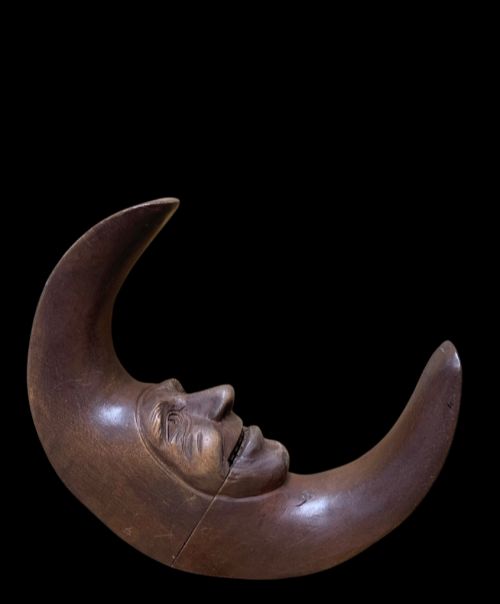
These carved wood face pieces bring distinct character and presence to a room, ranging from folk art masks to decorative functional objects.
Carved Wood Face
When you search for carved wood face, you encounter a diverse group of objects spanning the nineteenth and early twentieth centuries. These items include tribal masks from African and Himalayan origins, folk art sculptures, and decorative furniture details.
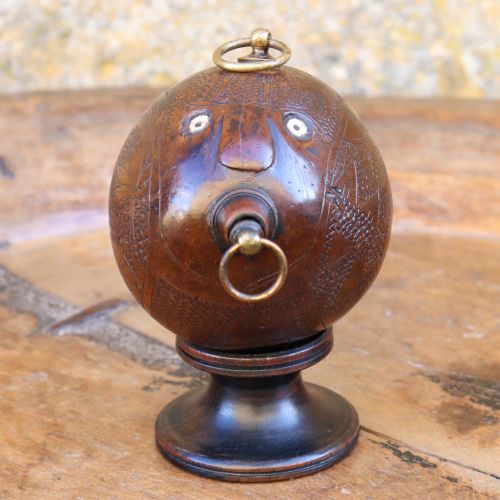
The most common forms on this page include African tribal masks from the Congo and Gabon, alongside nineteenth-century folk art heads and architectural elements. Utility items such as nutcrackers, page turners, and bookends also incorporate carved faces into their design.
Originating across different continents, these pieces reflect distinct cultural and regional carving traditions. Victorian and Edwardian examples sit alongside Asian and African works, united by the presence of a carved countenance.
How they were made
Surface finish varied by origin and period, with many items retaining a natural polished patina or dark stain. Certain tribal and folk art pieces incorporate mixed media elements, combining bone, glass, or brass with the carved wooden base.
What varies in quality
The distinction between ordinary and superior pieces rests on the depth and confidence of the carving. Strong, decisive tool marks and expressive proportions elevate a sculpture or mask, whereas timid execution flattens the character of the face.
Condition and surface integrity also determine the standing of a piece. Original patination and intact structural details preserve the visual impact and historical authenticity of the work.
V Ramirez
The Carved Wood Face Glossary
- Patina
- The surface sheen and colour acquired by wood through age, handling, and exposure to light. A desirable patina shows depth and gentle wear.
- Corbel
- A structural bracket projecting from a wall to support a weight. Carved wooden versions frequently incorporate figurative faces or scrolls.
Carved Wood Face: Frequently Asked Questions
How do I date a carved wooden mask?
Dating relies on examining the tool marks, wood species, style, and general wear patterns. Nineteenth-century examples often display hand-forged tool signatures and deep patination accumulated over decades of handling.
Comparing the stylistic conventions to documented regional art forms helps narrow down the period and geographical origin of the carving.
Where should I display wooden face sculptures?
These pieces suit wall mounting or placement on stable surfaces such as sideboards, bookshelves, and mantels. Pairing them with architectural or tribal items creates a balanced interior display.
Keep them away from direct sunlight and extreme temperature fluctuations to prevent the wood from drying out or splitting over time.
How do I clean an antique carved face?
Dust the surface gently with a soft, dry brush or microfibre cloth to remove accumulated particles. Avoid using water, harsh detergents, or modern furniture polishes, which can strip the historic patina.
If the wood appears exceptionally dry, consult a professional restorer regarding appropriate wax treatments suitable for antique surfaces.