


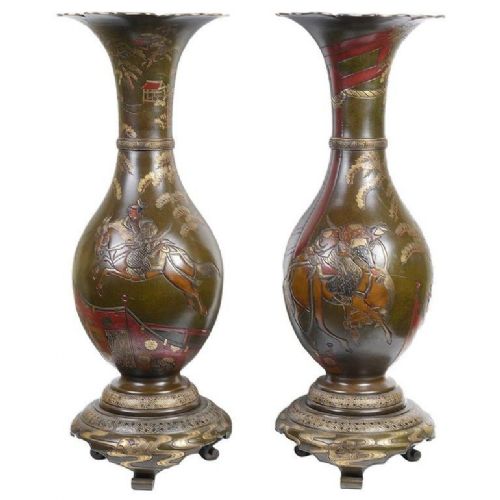

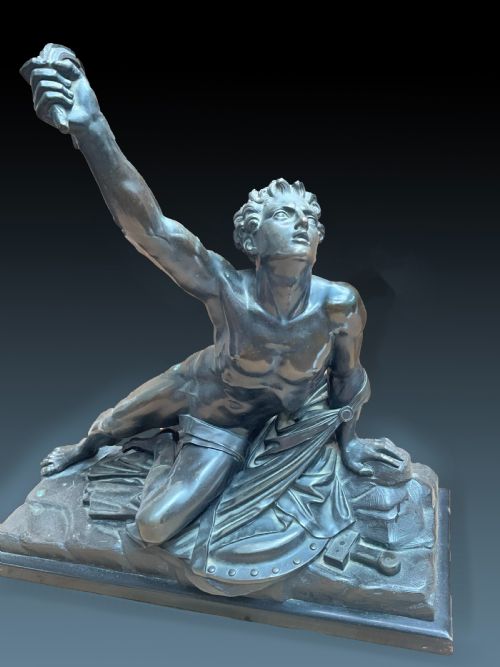
Patinated Bronze Warrior
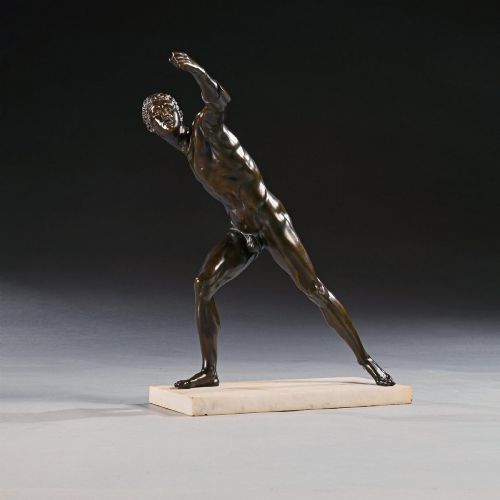
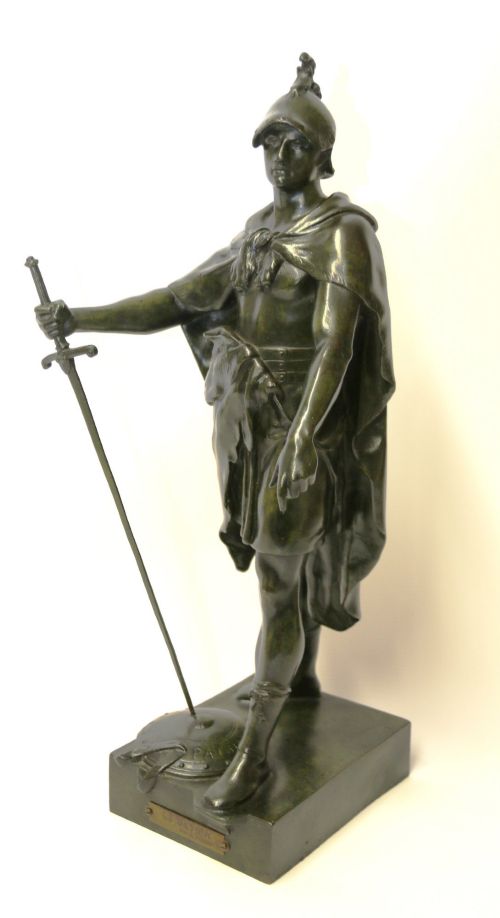
A patinated bronze warrior brings classical discipline and dramatic posture into a room, forged in metal to endure.
Patinated Bronze Warrior
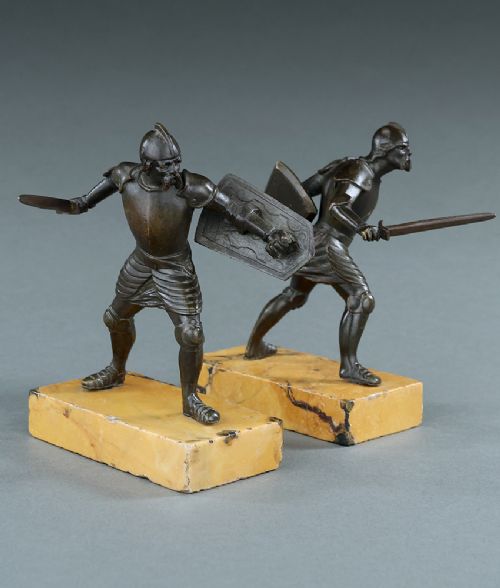
A patinated bronze warrior captures historical, mythological or literary fighters in solid metal, ranging from Roman legionaries and Greek heroes to Renaissance knights and Celtic figures. These sculptures stand on desks, mantelpieces or pedestals, often mounted to marble bases such as Sienna marble.
The versions most common in these listings hail from the nineteenth century, including French academic bronzes and Grand Tour souvenirs. Alongside pure bronze, makers utilised mixed metal and spelter to render these armed figures.
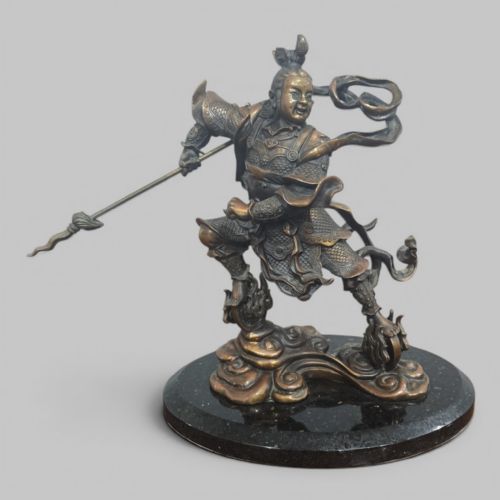
Subjects span diverse cultures and eras, featuring Roman gladiators, Spartan kings, Celtic chieftains and Japanese Meiji period motifs. Collectors encounter single standing figures, duelling pairs and dramatic mounted groups.
Materials and casting techniques
Foundries cast these sculptures primarily in bronze or spelter, employing traditional methods to capture intricate armour, drapery and weaponry. Pigment and chemical patination were then applied to the metal surfaces to create deep tonal variations, simulating aged bronze or highlighting specific anatomical details.
Many figures are mounted upon heavy stone plinths, most notably marble or Sienna marble, which anchor the composition and provide structural stability. Mixed metal components sometimes appear in tandem with cast bronze to delineate different textures within the armour or garments.
Listings feature nineteenth-century French academic works alongside Japanese Meiji period bronzes and Art Deco interpretations.
Distinctions in sculpture quality
Quality rests upon the crispness of the chasing and the nuance of the foundry work, where superior casts preserve fine details in chainmail, facial expressions and weaponry without softness. The depth and stability of the surface patination also distinguish finer foundry output from lesser production.
The integration of the figure with its stone or marble base affects the overall integrity of the piece. Stronger works display balanced proportions, confident stances and careful anatomical rendering across various historical periods.
Émile Louis Picault·Desire Grisard·Chiparus·Raoul Francois Larche·Franz Iffland·Emile Laporte·J Angles
The Patinated Bronze Warrior Glossary
- Patinated bronze
- Bronze treated with chemical solutions or pigments to produce a specific surface colour and finish. This layer protects the metal while accentuating sculptural details.
- Spelter
- A zinc alloy commonly utilised as a less expensive alternative to bronze for sculptural figures. It accepts patination and metallic paint finishes to resemble heavier bronze.
- Grand tour
- A nineteenth-century tradition where travellers collected classical antiquities and bronze reductions in Europe. These cabinet-sized sculptures depicted famous historical and mythological figures.
- Sienna marble
- A distinctive yellow and brown decorative stone quarried in Italy. It frequently serves as a contrasting base for nineteenth-century bronze figures.
Patinated Bronze Warrior: Frequently Asked Questions
How do I clean a bronze warrior?
Dust the sculpture gently with a soft, dry brush to prevent accumulation in the crevices of the armour. Avoid harsh chemical cleaners or abrasive cloths that might strip the original patination.
Apply a very light coat of microcrystalline wax occasionally if the surface requires protection, buffing it gently away with a clean cloth.
What is the difference between bronze and spelter?
Bronze is a robust copper alloy that accepts fine chisel work and develops a rich surface over time. Spelter is a softer, zinc-based metal that feels lighter and appears more frequently in decorative nineteenth-century figures.
Examining the underside or areas of wear helps reveal the underlying metal colour and density.
Where should I display a heavy bronze?
Place the sculpture on a sturdy piece of furniture or a dedicated column that can support the considerable weight of the metal and marble base. Ensure the display area remains away from direct moisture and extreme temperature fluctuations.
Position the figure where natural light can strike the patinated surface and illuminate the details of the costume.
How can I identify a Grand Tour bronze?
Grand Tour bronzes typically date from the nineteenth century and replicate famous classical sculptures seen during European travels. They often feature dark patination and are mounted on simple marble plinths.
These pieces were produced as cabinet sculptures for collectors rather than large public monuments.