




Bronze Soldier Statue
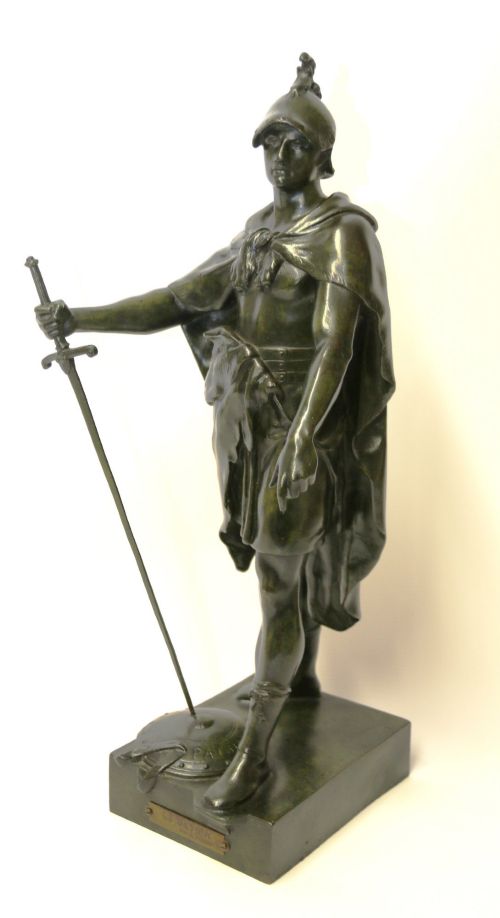
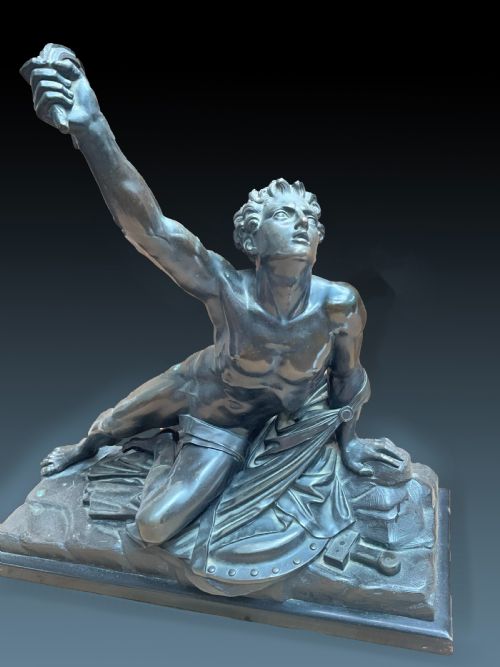
A bronze soldier statue captures historic military figures through detailed metalwork, offering collectors a striking piece of nineteenth century artistry for the home.
Bronze Soldier Statue
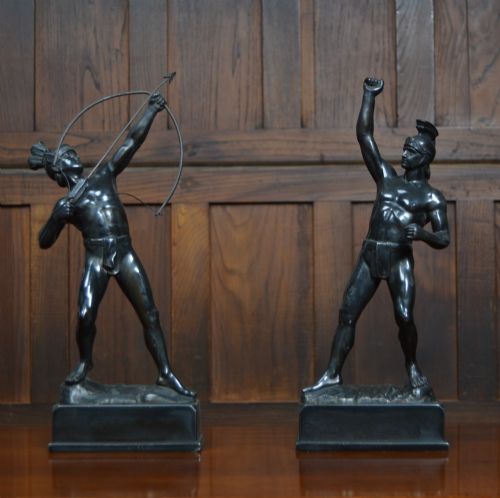
When you search for a bronze soldier statue, you are examining sculptural works depicting Roman figures, gladiators, cavaliers, and Napoleonic troops. These pieces originate primarily from nineteenth century French and Austrian workshops.
The versions you are most likely to encounter include single figures mounted on wooden bases alongside pairs of spelter candlesticks and mantel sculptures. Makers often cast these subjects to celebrate classical victories or historic military attire.
Materials and casting methods
Foundries cast these figures in bronze or spelter, sometimes using zinc alloy for alternative production runs. Artisans then applied patinated bronze or dark patina finishes to heighten the texture of armour and drapery.
Many sculptures incorporate wooden components for bases or plinths to support the weight of the metal figures. The casting captures fine details in facial expressions, weaponry, and period costume.
Listings feature materials including patinated bronze, spelter, zinc alloy, and wood across nineteenth century French, Austrian, and Italian origins.
Separating ordinary castings from masterworks
Signed works by named sculptors command greater attention than unsigned commercial foundry pieces. The integrity of the dark patina and the weight of the bronze or spelter also dictate the standing of a piece.
Émile Louis Picault·E.H. Dumaige·Salmson·Richard Aurili·C.Anfrie
The Bronze Soldier Statue Glossary
- Spelter
- A zinc alloy used as a less costly alternative to bronze in nineteenth century foundry work. It takes a dark patina well.
- Patina
- The surface sheen and coloration developed naturally or applied chemically to metal sculptures. It protects the bronze and defines the contours.
- Cavalier
- A horseman or soldier associated with the Royalist forces of the seventeenth century. Sculptors often depicted them in theatrical historical dress.
- Neoclassical
- A style drawing inspiration from the classical art and culture of ancient Greece and Rome. Figures of Roman soldiers frequently embody this aesthetic.
Bronze Soldier Statue: Frequently Asked Questions
What periods do these soldier statues come from?
The pieces listed derive predominantly from the nineteenth century, spanning the Victorian era and the decades around eighteen eighty. French and Austrian workshops produced the majority of these sculptural works during that time.
Dates in the evidence range from eighteen fifty through to nineteen hundred, reflecting popular historicist tastes of the period.
How do I distinguish bronze from spelter?
Bronze is a heavy copper alloy that takes a deep, durable patinated bronze finish and rings with a solid tone. Spelter utilises a zinc alloy base which feels lighter and softer to the touch.
Many Victorian pieces utilise spelter for figural candlesticks and decorative mantel sculptures as a cost-effective alternative to solid bronze.
Where were these metal figures made?
French and Austrian foundries created the vast majority of these sculptures, often operating within major artistic centres like Paris. Sculptors exported these works across Europe to satisfy a strong demand for historical military subjects.
Italian and French artists signed several of the prominent bronze busts and figures seen in the collection.
How should I display a heavy bronze statue?
Place the sculpture on a stable, flat surface such as a mantelpiece, heavy wooden cabinet, or dedicated pedestal. Ensure the supporting furniture can safely bear the substantial weight of bronze or spelter figures.
Keep the metalwork away from direct heat sources and moisture to preserve the dark patina and any wooden bases.