




Art Deco Bronze Nude
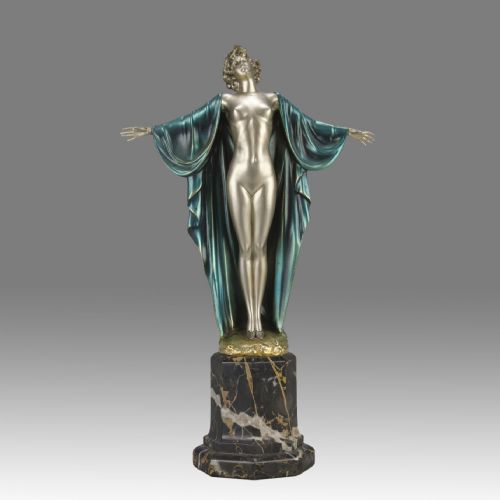
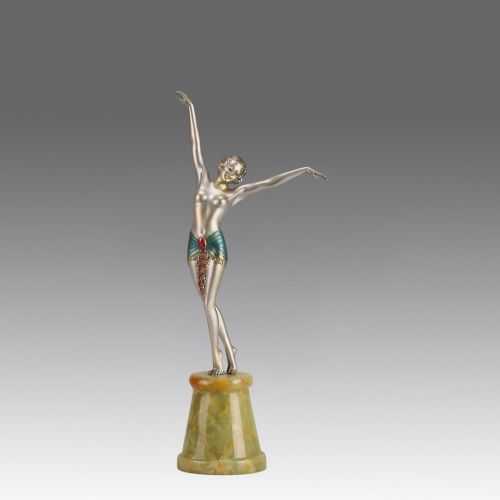
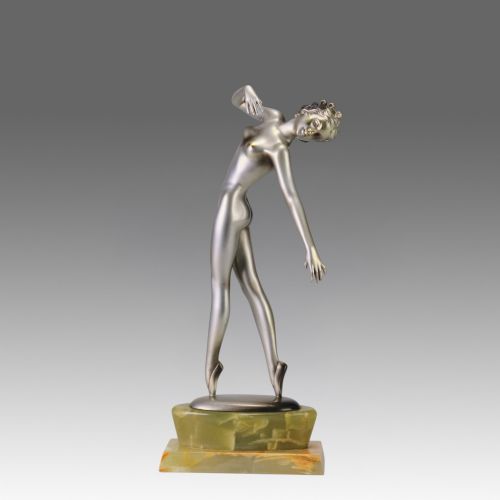
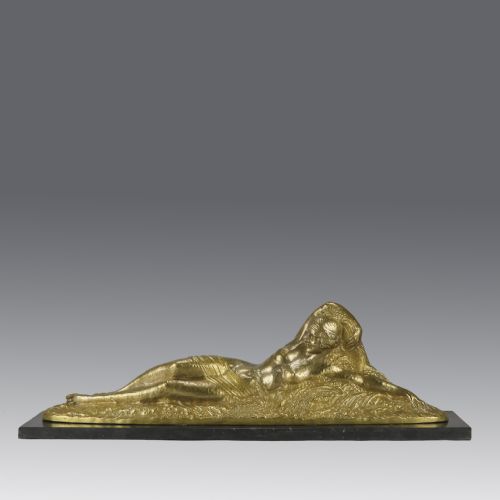
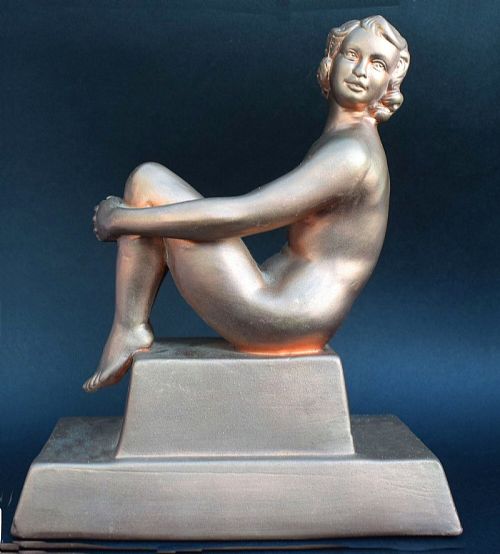
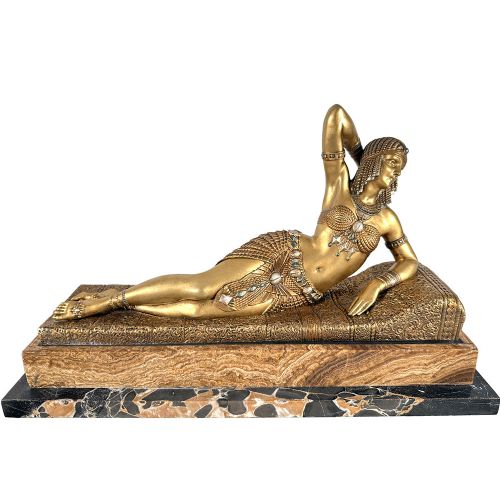
These art deco bronze nude sculptures capture the modernist energy of the interwar period through expressive female forms.
Understanding art deco bronze nude sculptures
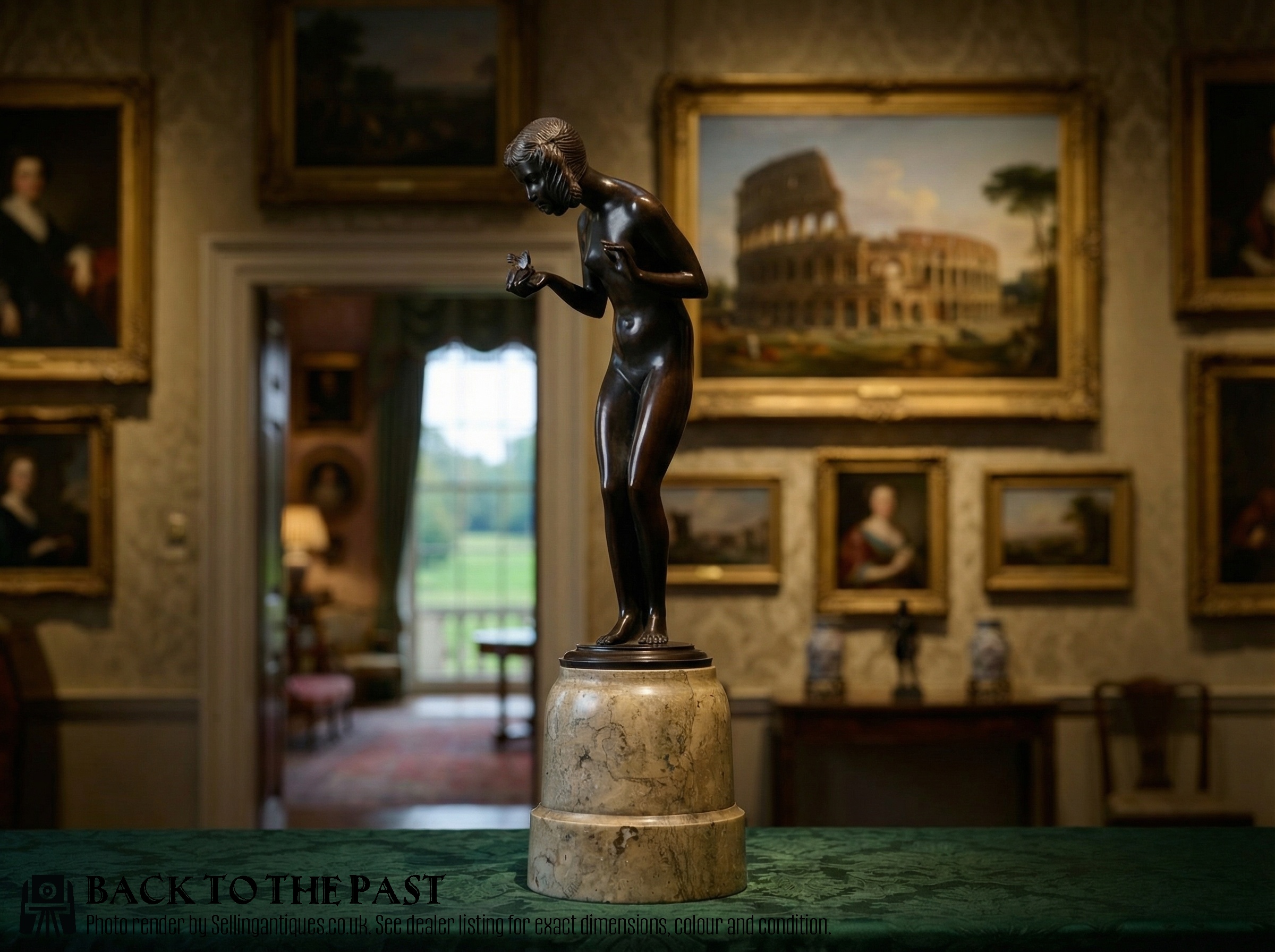
When you search for art deco bronze nude, you are looking at early twentieth-century sculptural works capturing female figures in dynamic or restful poses. These pieces often depict dancers, athletes, or mythological subjects created during the height of the modernist era.
You are most likely to meet French and Austrian figures from the nineteen-twenties and nineteen-thirties on this page. The designs range from car mascots and small mantel pieces to large gallery-scale casts by notable European sculptors.
Subjects frequently interact with animals, flora, or abstract elements, embodying the stylized grace associated with the period. Many sit upon heavy bases made of contrasting materials like marble or onyx.
Materials and casting methods
The figures are cast in bronze using traditional methods, often receiving patinated, cold-painted, or gilt surface treatments. These finishes create varied skin tones, metallic sheens, and colourful garments or hair details.
Sculptors mounted their metal figures onto plinths and bases fashioned from natural stone, including green and black marble or banded onyx. Some examples also incorporate carved wooden elements to elevate the overall composition.
Retail Price Guide 2026
Typical UK retail prices for art deco bronze nude, calculated from the Sellingantiques database of over a million retail prices indexed since 2003. This retail price guide relies exclusively on Sellingantiques data; no external sources or auction records are used, so the figures do not describe the wider market.
One cheerful bronze depicts a nude female figure cheerfully astride a leaping horse.
Defining factors of quality
Quality rests in the crispness of the casting detail, the smoothness of the chased surface, and the artistry of the patination. Master casters preserved fine anatomical lines and facial expressions without blurring the contours during finishing.
The integration of the bronze figure with its stone or marble base distinguishes superior works from standard productions. Signatures from recognised sculptors and foundries further elevate the standing of a piece within the range.
Josef Lorenzl·Aristide Maillol·Claire Jeanne Roberte Colinet·Sybille May·Gotthilf Jaeger·Fernand David·Gustave Dussart·Pierre Le Faguays·Otto Poertzel·C. Charles·Ary Bitter·Marcel Bouraine·Paul Philippe
The Art Deco Bronze Nude Glossary
- Patination
- The chemical treatment applied to the surface of the bronze to alter its colour and tone. This process gives the metal rich browns, greens, or near-black finishes.
- Cold-painted
- A decorative technique where paint is applied to a cold bronze surface rather than fired in a kiln. It is particularly common on Austrian figures from the period.
- Car mascot
- A decorative figurine fitted to the radiator cap of a motor car. Several art deco nudes served this specific dual purpose.
- Chasing
- The manual finishing work done on a raw bronze casting with hammers and chisels. It sharpens details and removes imperfections left by the mould.
Frequently Asked Questions
How do I clean an art deco bronze nude?
Dust the bronze gently with a soft, dry cloth to remove surface particles.
Avoid using water, chemical cleaners, or polishes that might strip the original patina.
Are these sculptures signed?
Many pieces feature artist signatures or foundry marks inscribed directly into the bronze metal or the stone base.
Some smaller or mass-produced figures remain unsigned.
What stone is used for the bases?
Bases are predominantly fashioned from various types of marble, onyx, or occasionally stone and wood.
These heavy materials provide essential counterbalance to support the extended poses of the figures.
When were these bronzes made?
The listings span from the early twentieth century, specifically between nineteen-ten and nineteen-thirty.
The majority date from the nineteen-twenties and nineteen-thirties during the peak of the art deco movement.